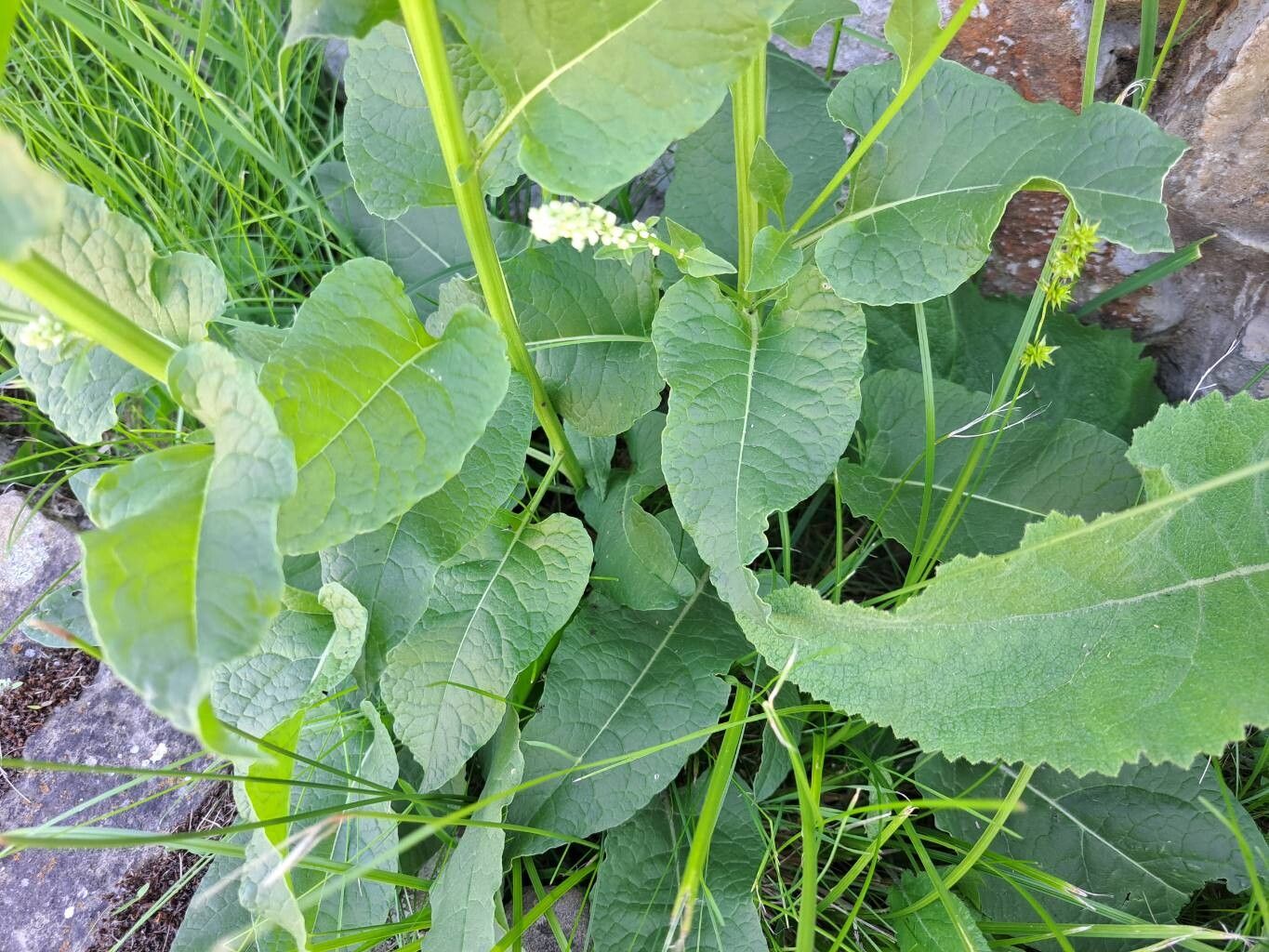
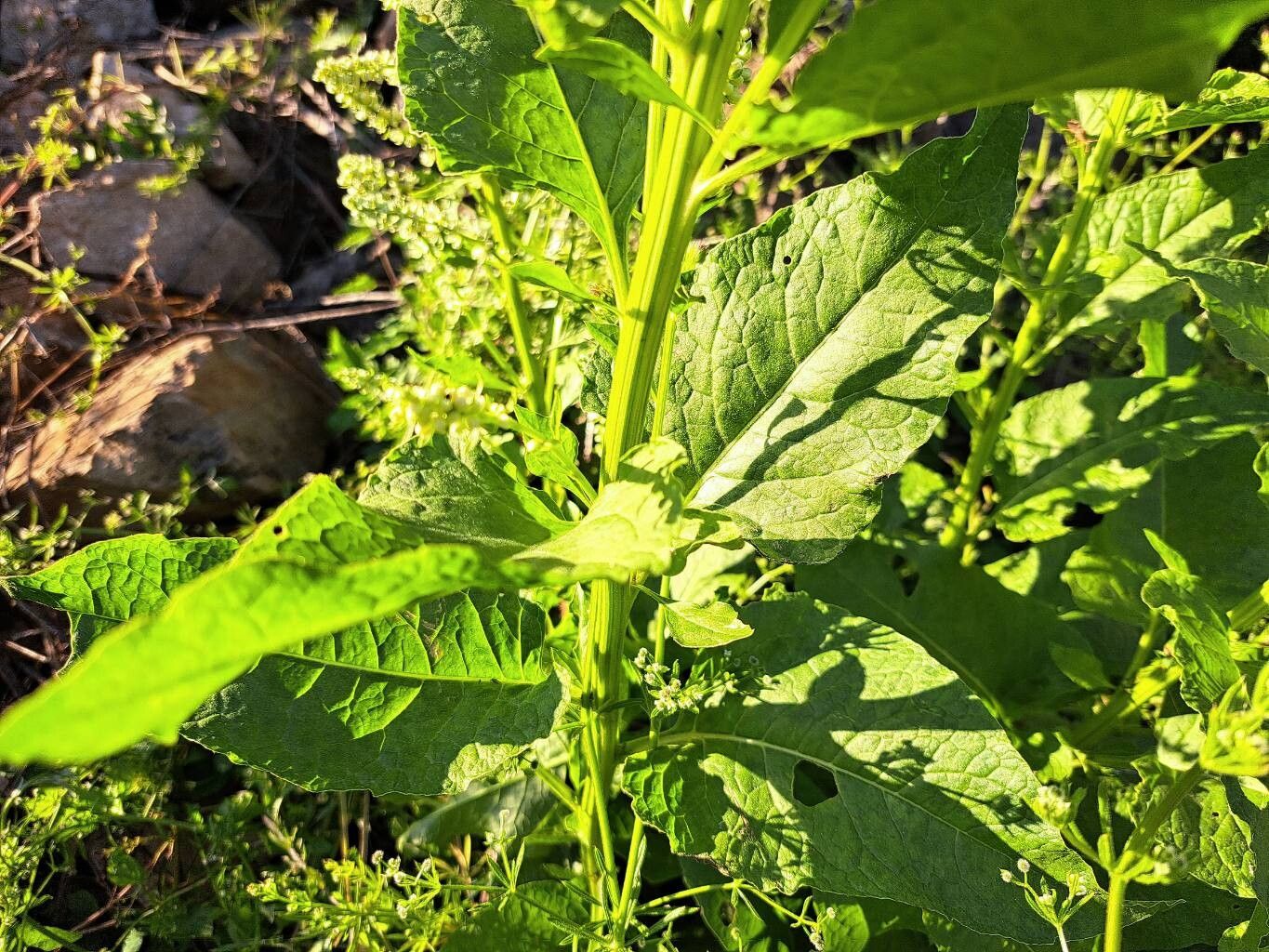
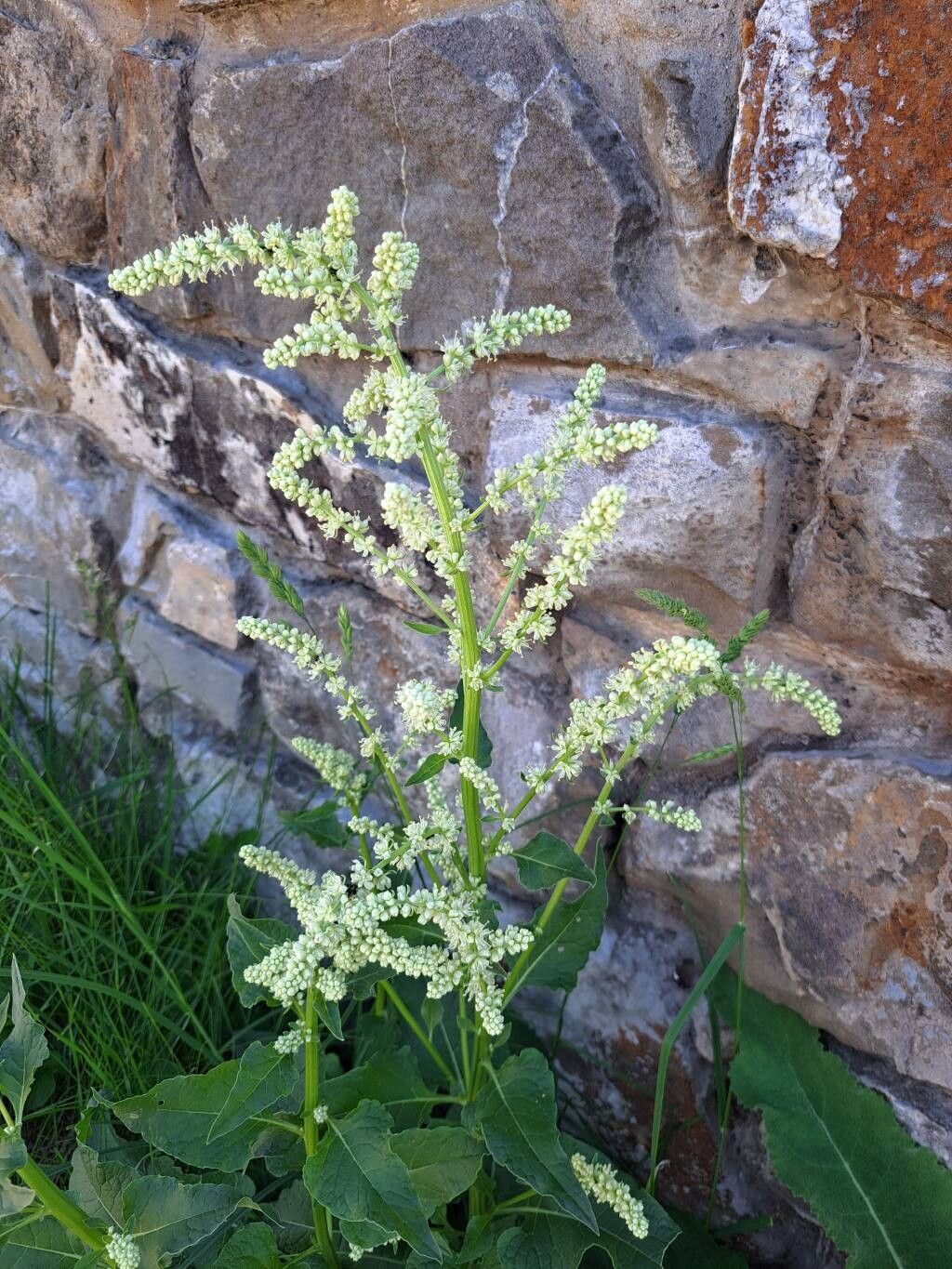
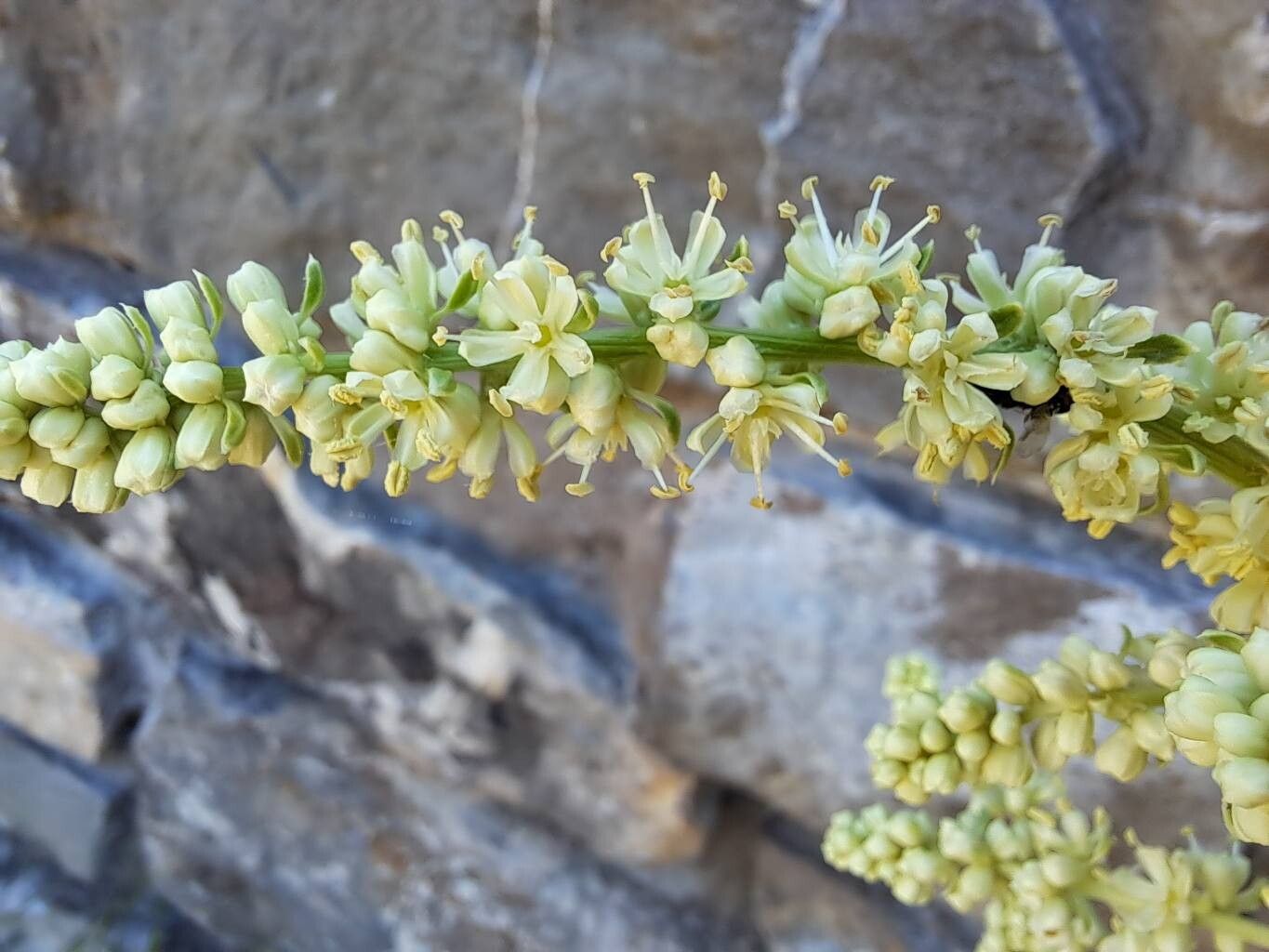
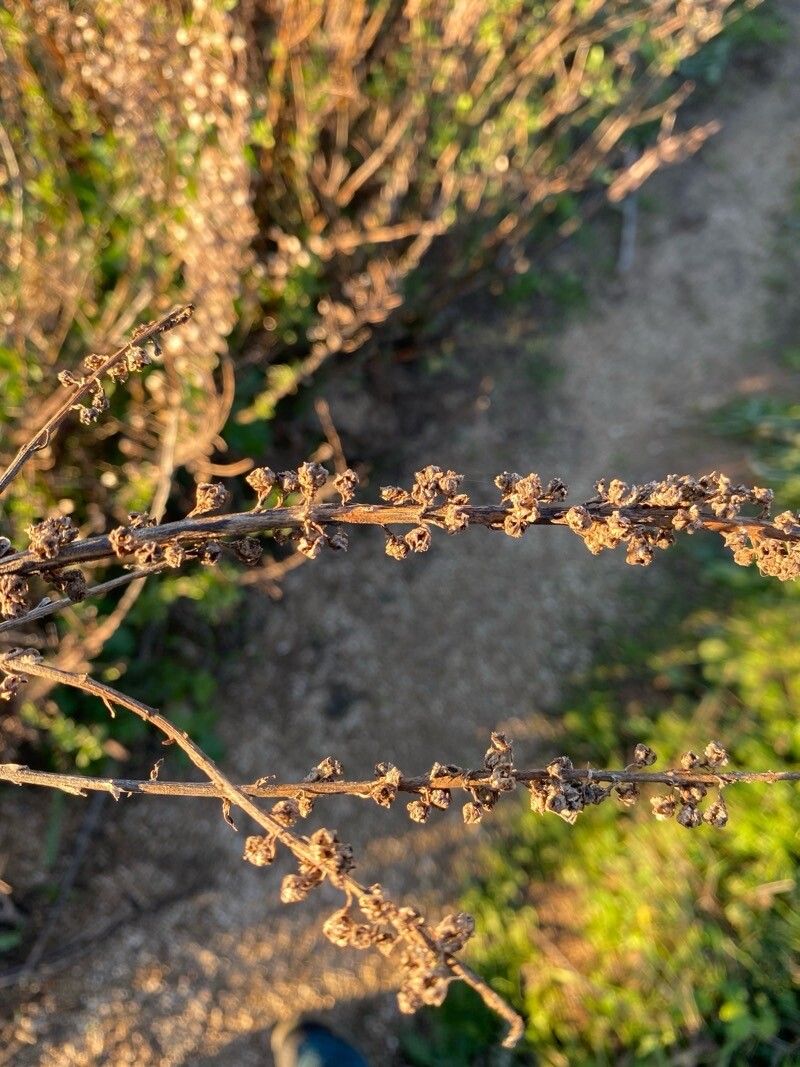
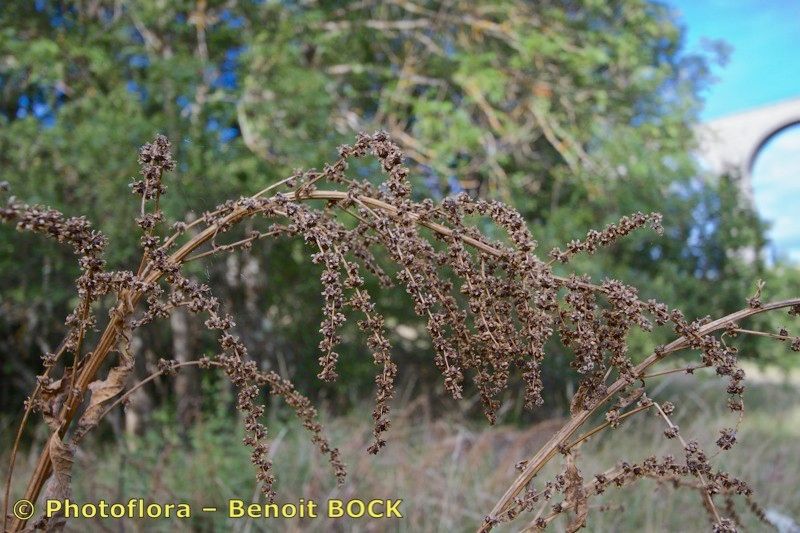
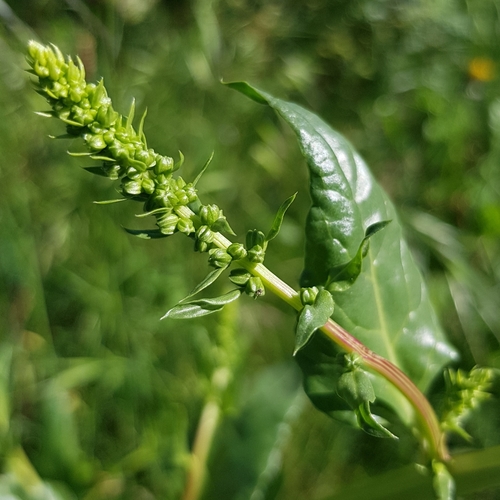
Beta trigyna, called the Caucasian wild beet and the Turkish wild beet, is a species of Beta native to Bulgaria, Iran, Romania, the Transcaucasus, Turkey (including the European portion), Turkmenistan, Ukraine (including Crimea), and the former Yugoslavia, and occurring in waste places elsewhere in Europe. It is a hexaploid (2n=54) that usually reproduces by apomixis.
Caucasian beet has moderate resistance to disease but can be susceptible to problems like leaf spot. Its sensitivity to insect pests varies by variety, although most varieties are less resistant to pests. Regarding care, Caucasian beet requires regular watering and fertilizing, and yellow leaves should be pruned frequently. It is important to address pests and diseases when they appear and to harvest the plant in a timely way. Caucasian beet is suited to people who can devote some time and energy to routine care.
How to keep Beta Trigyna.
Temperature
Caucasian beet prefers mild temperatures, much like what people typically find comfortable. It does best in conditions that are not excessively warm or cold. The primary concern with high heat is the potential for sunburn, so providing some shade in summer is recommended to keep temperatures from getting too high. When temperatures fall, the Caucasian beet becomes dormant. To sustain growth year-round, warmer conditions must be maintained over the winter. Frost can harm the plant and should be avoided.
Botanical profile.
- Life Cycle
- Biennial
- Genus
- Beta
- Family
- Amaranthaceae
- Hardiness Zone
- 3-8
- Leaf Type
- Semi-evergreen
- Native Area
- Russia, Turkey, Bulgaria, Iran, Azerbaijan, Armenia, Romania, Croatia, Ukraine, Turkmenistan, Serbia
Other names.