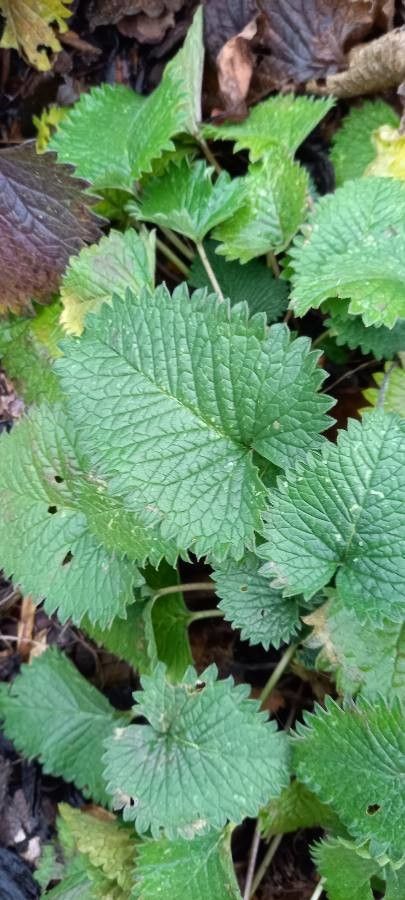
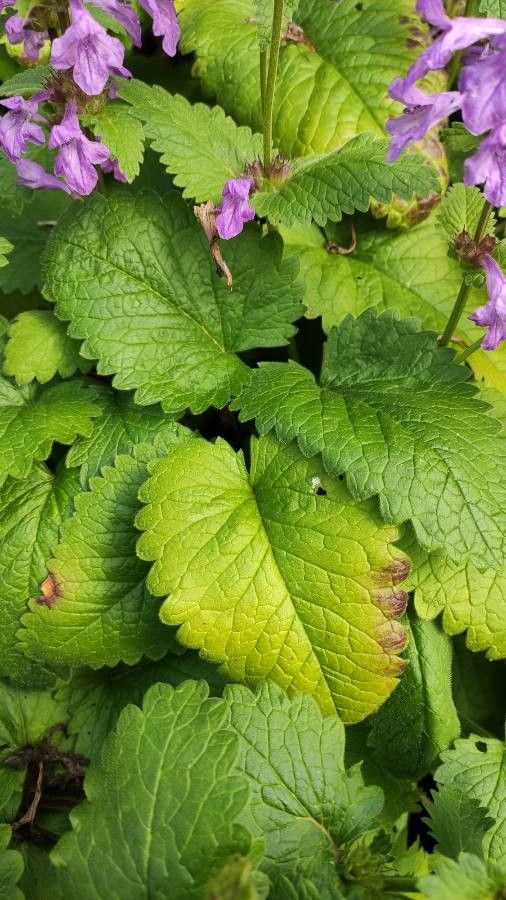
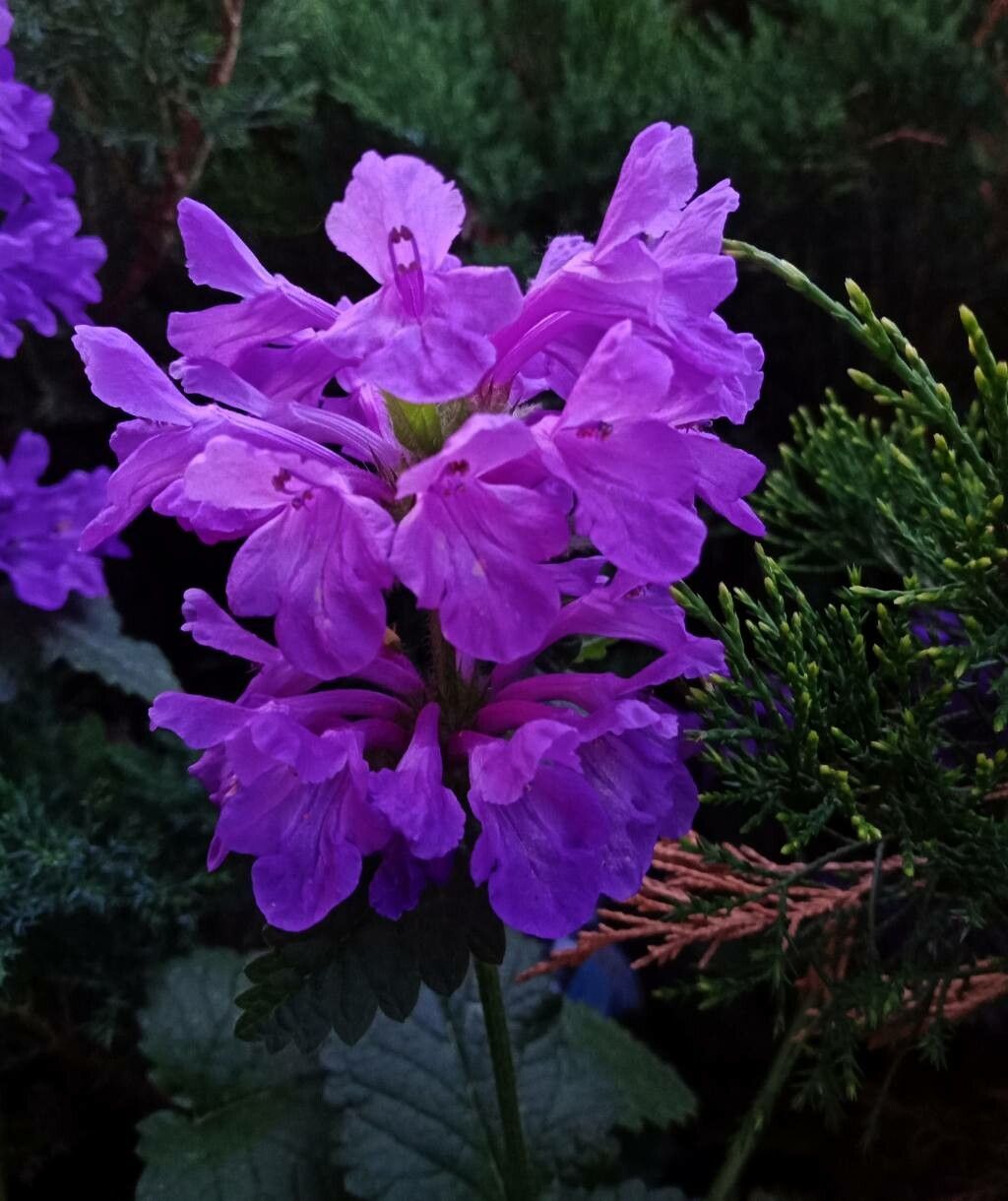
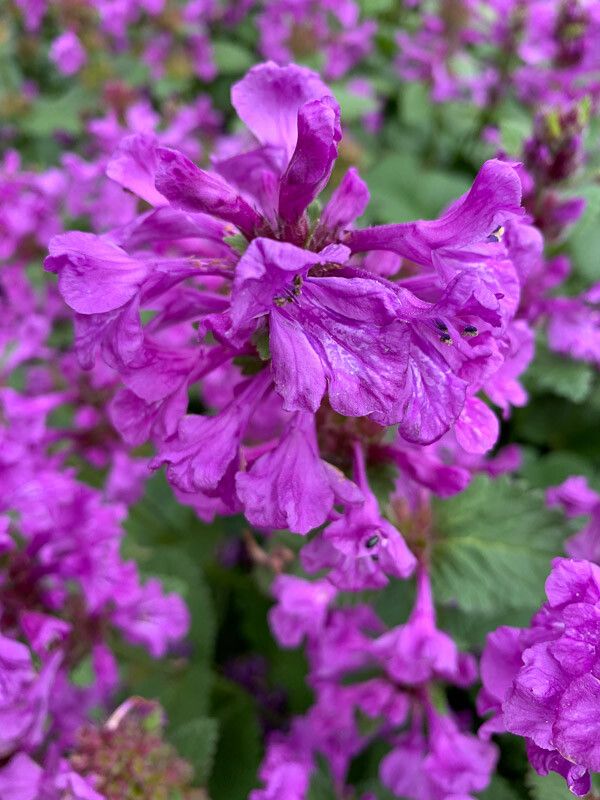
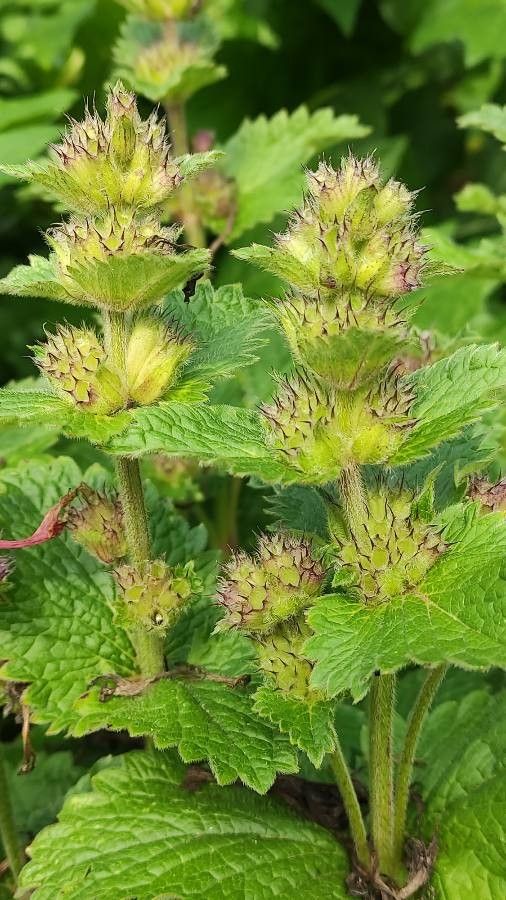
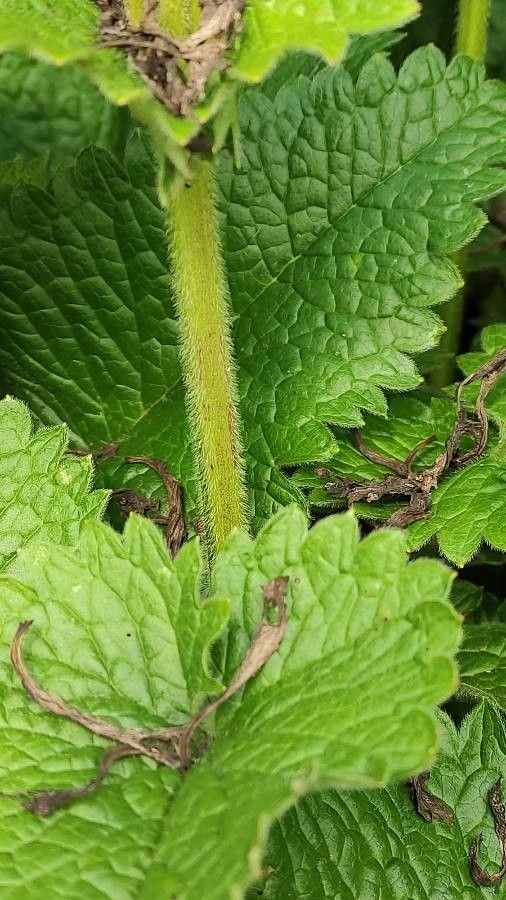
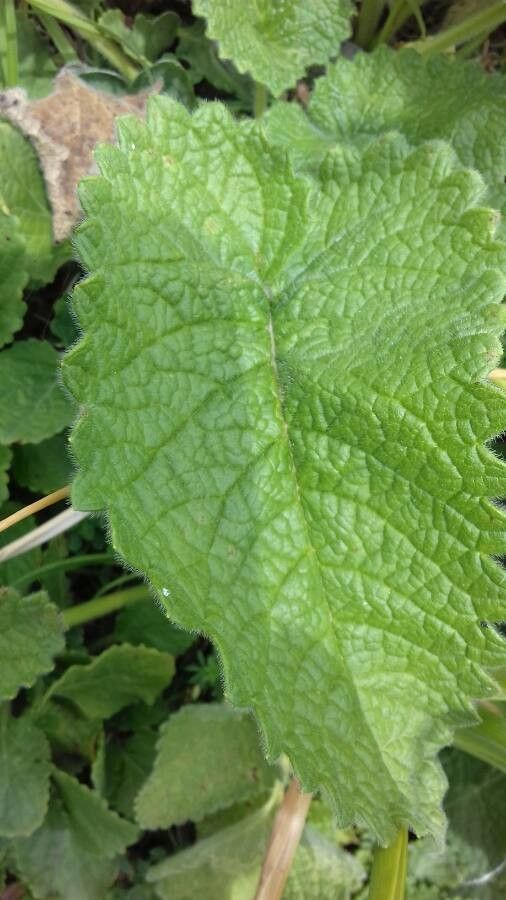
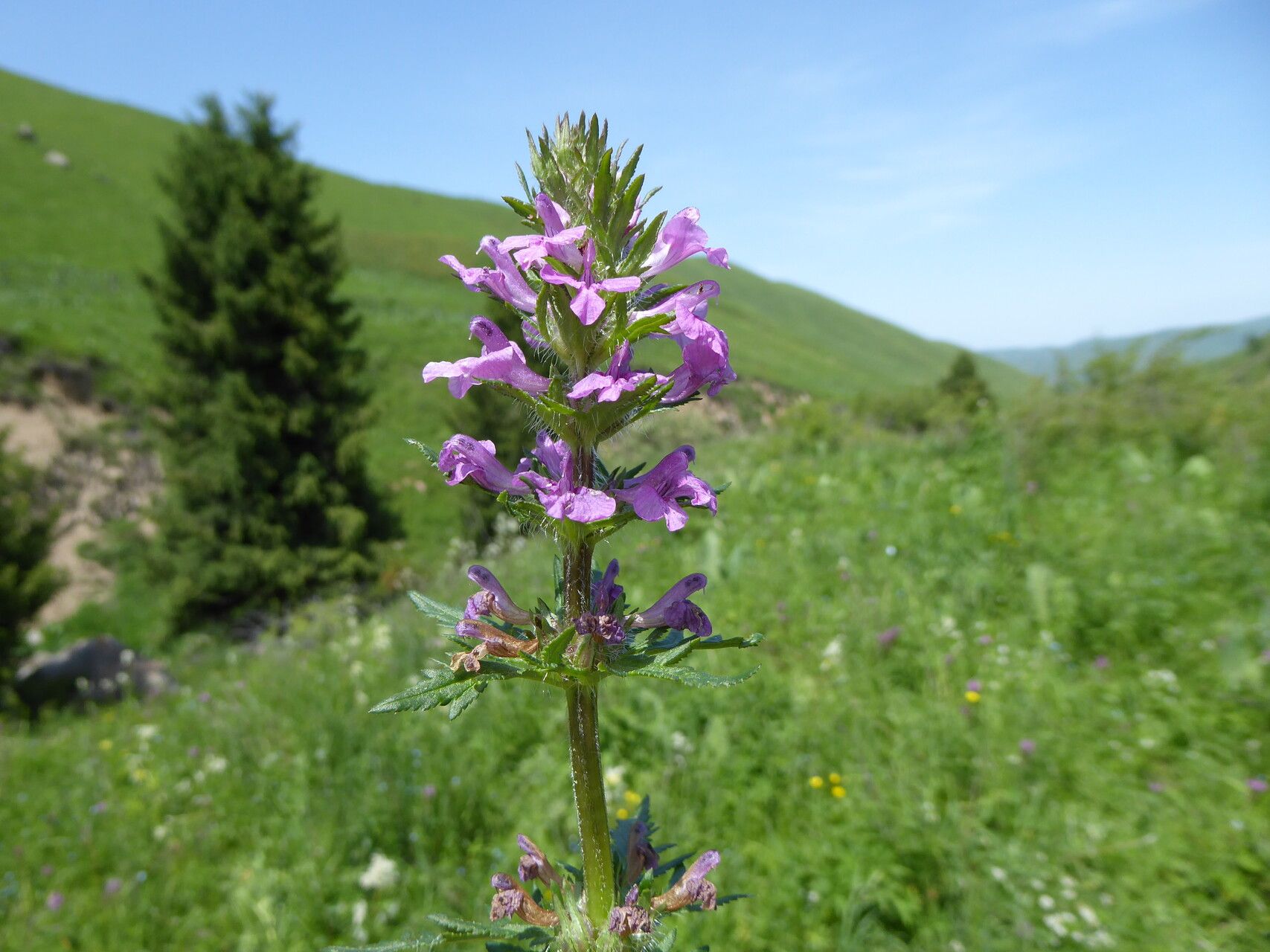
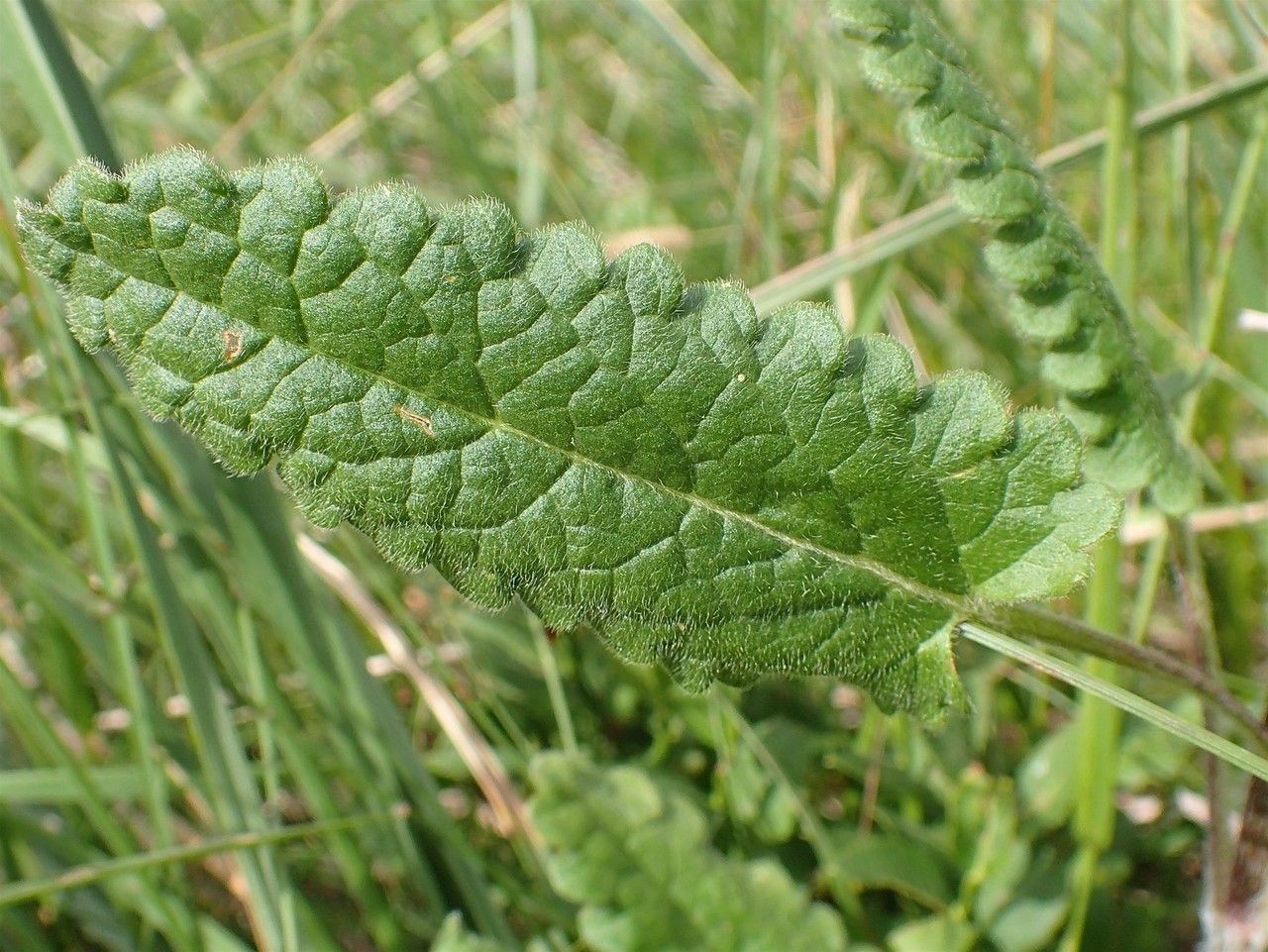
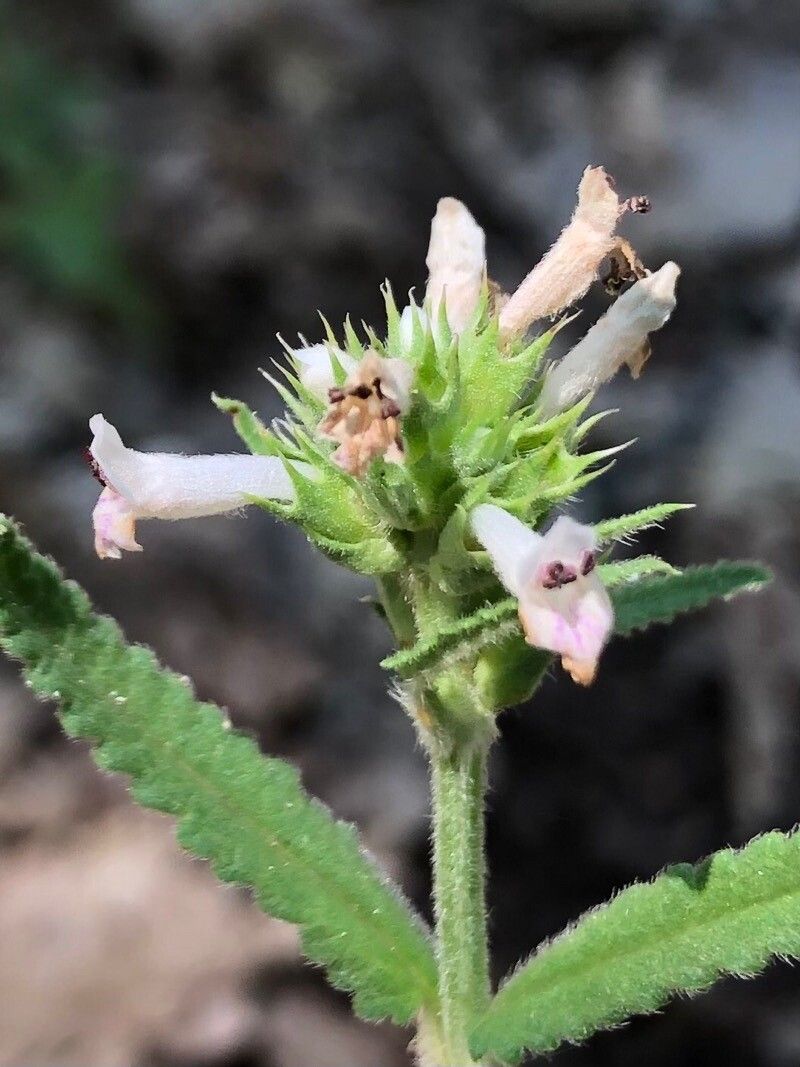
Betonica macrantha, formerly Stachys macrantha, known as big betony, is a species of flowering plant in the mint family Lamiaceae. It is native to the Caucasus, northeastern Turkey, and northwestern Iran. Growing to 60 cm (24 in) tall by 30 cm (12 in) broad, it is an erect herbaceous perennial with scalloped cordate leaves. Spikes of hooded purplish-pink flowers are borne throughout summer.The Latin specific epithet macrantha means "large-flowered".The cultivars 'Robusta', 'Superba', and 'Violacea' have gained the Royal Horticultural Society’s Award of Garden Merit.
Big betony is fairly disease-resistant and generally not prone to illnesses. However, it can be affected by pests and diseases present in its environment. These issues are usually mild. In terms of care, this plant requires moderate maintenance. It should be pruned regularly to keep a tidy appearance and support healthy growth. Fertilizing can also help encourage flowering. Big betony is suitable for anyone with outdoor space, such as a garden or patio, and doesn’t demand extensive gardening experience. It may need more attention when grown indoors.
How to keep Betonica Macrantha.
Light
Big betony is native to settings like forest understories or rocky sites, where it grows in natural shade. It prefers partial sun but can tolerate full sun or full shade, demonstrating its versatile and hardy nature.
Water
Big betony thrives in moderately moist conditions and needs to be watered weekly. As a perennial herb, it flourishes during the rainy season, benefiting from ample water without requiring excessive moisture. It does not have significant drought tolerance.
Temperature
Big betony can tolerate a wide span of temperatures, though its range may still be restricted by different mixes of moisture and heat. It does best in warm summers with adequate rainfall or watering. Long periods of cloudy, rainy weather or extended high temperatures make Big betony more likely to die. In winter, providing proper protection from cold can boost the plant’s chances of survival.
Fertilizer
The best time to fertilize Big betony is in early spring, as it comes out of dormancy and begins active growth. Fertilizing supplies essential nutrients for healthy growth. Although Big betony has fairly low fertilizer requirements, an annual application can improve its survival and encourage better, longer-lasting flowers.
Pruning
Big betony showcases tall spikes and vibrant flowers. To encourage growth and continuous blooming, prune it in the spring by trimming away dead stems and spent blooms. Additionally, remove one-third of the oldest stems to improve air circulation, reduce the risk of disease, and maintain its appearance.
Botanical profile.
- Plant Type
- Herb
- Life Cycle
- Perennial
- Genus
- Betonica
- Family
- Lamiaceae
- Hardiness Zone
- 4-9
- Mature Height
- 30 cm to 61 cm
- Mature Spread
- 91 cm
- Leaf Color
- Green
- Leaf Type
- Deciduous
- Flower Color
- Pink, Purple
- Flower Size
- 2.03 cm to 3.05 cm
- Bloom Time
- Early summer, Mid summer
- Planting Time
- Spring, Summer, Autumn
- Harvest Time
- Late summer, Early fall
Other names.