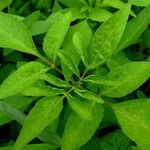
Bidens alba
Romerillo · Ragup mayta · White Beggarticks
Description
Source: leafsnapBidens alba, commonly known as Spanish needle or shepherd's needle, is a flowering plant belonging to the Asteraceae family. Native to North and South America, it thrives in various habitats, such as wetlands, fields, and disturbed areas. The plant can grow up to 1 meter tall and features green leaves that are either toothed or lobed. Its small flowers consist of white petals surrounding a yellow central disk, and it typically blooms from summer through fall. Traditionally, Bidens alba has been used in medicine for its anti-inflammatory properties, treating ailments such as fever, coughs, and skin infections. Additionally, it provides a food source for wildlife, including birds and butterflies, and holds significant medicinal value in some cultures. In summary, Bidens alba is an ecologically and medicinally important species, with its unique properties making it a fascinating subject for researchers worldwide.
🌳 Besides being used for ornamental and medicinal purposes, beggarticks act as a bioindicator of soil health. Their prevalence signals fertile, nitrogen-rich soil. This trait makes beggarticks a natural and cost-effective method for farmers and ecologists to monitor soil conditions without needing complex testing equipment.
Care Guide
💧 Water Every 3 days
Beggarticks thrive in moist environments and need consistent hydration, ideally with a weekly watering schedule. They have a moderate tolerance to drought and benefit from being grown outdoors, where they can utilize natural light and rainfall to support their active growth cycles.
How should I water my Beggarticks to make them thrive?
There are a few different ways to water Beggarticks. You can use a garden hose with a spray nozzle, a watering can, or any other common watering tool. Beggarticks is not very particular about where it gets its water from; it can survive with rainwater, tap water, or filtered water. However, it is best to avoid watering this plant from above because it can harm the leaves and flowers and potentially cause disease. Instead, setting up a drip irrigation system is often the most effective way to water Beggarticks. These systems evenly and directly apply water to the soil. If you have a container-grown Beggarticks, you can use a cup, watering can, or your tap to water it directly into the soil.
What should I do if I give my Beggarticks plant too much water or too little water?
The solution for underwatering Beggarticks is straightforward. If you observe that your plant lacks moisture, simply increase the frequency of watering. On the other hand, overwatering can be a more serious problem, especially if you don't catch it early. When Beggarticks is overwatered, it becomes vulnerable to diseases that can lead to its decline and eventual death. To prevent this, selecting an appropriate growing location is crucial. Find a spot that receives ample sunlight to help dry out the soil and has good drainage to avoid water pooling and creating waterlogged soil. If you have overwatered Beggarticks in a pot, you may need to transfer it to a new container. The existing pot may not have proper drainage or enough drainage holes. When repotting the overwatered plant, ensure that the soil is loose and use a pot with efficient drainage.
How frequently should I water my Beggarticks plant?
To properly care for Beggarticks, it is important to water it regularly throughout the growing season. In the spring, watering once a week should be sufficient. However, as the season progresses and becomes warmer, you may need to increase the frequency to two or three times per week. It is crucial not to exceed this watering rate, as it can harm the plant. Additionally, make sure that the soil is consistently moist but not overly wet, regardless of how often you water. For Beggarticks in pots, you will likely need to water more frequently due to the soil heating up and drying out faster than ground soil. In most cases, watering your container-grown plant a few times per week is recommended, compared to just once per week for an in-ground plant.
How much water does my Beggarticks plant need?
To determine how much water to give your Beggarticks, there are a few approaches you can take. One option is to assess the soil's moisture level by feeling it. This method involves watering until the top six inches of soil feel moist. Another approach is to use a specific measurement. Typically, Beggarticks require around two gallons of water per week, although this can vary depending on factors like temperature and soil moisture. However, be careful not to overwater if your plant needs less than two gallons. When growing Beggarticks in a container, a different method is necessary. In this case, you should water enough to moisten all dry layers of soil. To check, simply insert your finger into the soil for moisture or water until you see a slight trickle of excess water from the pot's drainage holes.
How do I know if I'm giving enough water to my Beggarticks?
Avoiding overwatering can be challenging for Beggarticks plants. While they need the soil to be moistened weekly due to their deep roots, they are highly prone to root rot and browning from excessive water. Fortunately, underwatering is less of a concern as these plants can tolerate a period without watering. However, if you neglect watering for too long, they may wilt and exhibit dry leaves.
☀️ Light Full sun
Beggarticks do best when exposed to a large amount of sunlight throughout the day, but they can tolerate situations where sunlight is present for only part of the day. In their natural habitat they flourish with abundant light. Any departure from this—whether excess or lack of light—could potentially affect the plant's health and growth.
What are the sunlight requirements for Beggarticks?
Beggarticks, or Bidens alba, flourishes best when exposed to full sun, which means it requires more than 6 hours of sunlight daily. However, it can also tolerate partial sun conditions, receiving about 3-6 hours of sunlight. It's essential to observe the movement of sunlight through your garden to find spots that offer an ideal balance of light and shade, ensuring your plants thrive in their environment.
What are the essential care tips for growing Beggarticks successfully?
To promote healthy growth for Beggarticks, ensuring it receives ample sunlight throughout the day is crucial. In situations where natural sunlight is not sufficient, particularly during winter or in areas receiving less sunlight, using artificial lighting can be beneficial. For indoor plants, LED lights are recommended because they can be customized to provide specific light wavelengths needed by the plants. Full sun plants should receive 30-50W/sq ft, partial sun plants 20-30W/sq ft, and full shade plants 10-20W/sq ft of artificial light. The artificial light source should be placed 12-36 inches above the plant, simulating natural sunlight conditions, and plants generally need 8-12 hours of light daily.
What are common symptoms of inadequate light for Beggarticks?
When Beggarticks is grown in conditions with insufficient light, several symptoms may appear, including smaller new leaves, leggy or sparse growth, faster leaf drop, slowed or halted new growth, lighter-colored new leaves indicating a lack of chlorophyll and nutrients, chlorosis or yellowing of leaves, sunscald, leaf curling as a defense mechanism against excessive sunlight, wilting due to increased water loss, and leaf scorching. These symptoms suggest that the plant is not receiving an optimal amount of sunlight.
How can I address sunlight-related issues for Beggarticks?
To mitigate sunlight-related issues for Beggarticks, start with gradual relocation to sunnier spots, ensuring at least 6 hours of direct sunlight daily for outdoor plants. For indoor plants that cannot be easily moved or require additional light, consider using artificial light sources, such as desk lamps or professional plant grow lights, for at least 8 hours a day. If sunlight is obstructed by trees or buildings, prunning or transplanting to areas with better sunlight exposure might be necessary. However, remember that parts of the plant already affected by poor lighting may not fully recover, but new growth should be healthier with improved lighting conditions.
🌡️ Temperature 15–35°C
Beggarticks are naturally suited to temperatures between 68 and 95 °F (20 to 35 ℃). They favor warm climates, mirroring their native habitat. When temperatures change with the seasons, gradual acclimatization can help them adjust.
What temperatures are ideal for growing Beggarticks?
Beggarticks thrive in warm climates, ideally between 68 to 95 °F (20 to 35 °C), which reflects their native habitat's conditions. They have strong cold resistance and usually do not require special frost protection measures. However, in climates where winter temperatures may drop below -15°C, it's important to protect them from the cold using materials like soil or straw and to water them abundantly before the first freeze to keep the soil moist.
How does low temperature affect Beggarticks, and what are the solutions?
Beggarticks are cold-tolerant and perform best when temperatures are above 20°C, remaining viable above 0°C. If temperatures fall below -15°C, the plant might not show immediate damage but could have decreased sprouting or fail to sprout at all during spring. In such cases, the solution is to remove any parts that have failed to sprout in the spring, helping the plant to recover and grow healthy new shoots.
How does high temperature affect Beggarticks, and what are the solutions?
During summer, it is recommended to keep Beggarticks below 35°C. Exposing them to temperatures above 41°C can cause the leaves to lighten in color, curl, become susceptible to sunburn, and in severe cases, the entire plant might wilt and dry out. To mitigate this, trim away sunburned and dried parts of the plant, move it to a shadier location, or use a shade cloth to protect it from the midday and afternoon sun. Additionally, watering the plant in the morning and evening will help keep the soil moist and the plant hydrated.
💨 Humidity
🪴 Soil 6-7
🌱 Fertilizer
Beggarticks do well with regular, dilute applications of fertilizer to encourage healthy leaf development. Fertilize Beggarticks about once a month during the summer. Nitrogen is important for foliage, and providing nitrogen-rich sources helps Beggarticks thrive.
Why should I put fertilizer on my Beggarticks?
Some plants can obtain all the nutrients they need without extra help, but others, like Beggarticks, require additional fertilizer. Beggarticks, like all plants, rely on nutrients such as nitrogen, phosphorus, and potassium for growth and internal processes. Nitrogen is particularly important for foliage development. However, Beggarticks struggle to acquire enough nitrogen from the soil, leading many gardeners to supplement their growth with nitrogen-rich fertilizers.
When should I fertilize my Beggarticks plant?
To ensure healthy growth of Beggarticks, it is recommended to fertilize the plant once a month during its active growth period in spring and summer. Avoid fertilizing in fall and winter when the plant is less active and doesn't require as many nutrients. Start fertilizing when you notice signs of new growth. Whether the plant is grown outdoors or in a container indoors, the fertilization schedule remains the same. However, if your Beggarticks is in a container, you may not need to fertilize for the first one to two months, as potting soil for container plants already contains sufficient nutrients. Begin fertilizing only after the plant has been in the same soil for a while.
When is the best time to not add fertilizer to my Beggarticks?
To ensure proper fertilization, it's important to only fertilize your Beggarticks if it's in good health. This means avoiding fertilizing plants that have diseases or insect pests, as well as plants that are dehydrated since the fertilizer can exacerbate the issue. Only healthy plants should be fertilized. When watering, be mindful not to splash fertilizer onto the leaves or stem as this can cause burned spots. It's best to avoid direct contact between the fertilizer and the plant, unless you are using a special foliage fertilizer specifically designed for this purpose.
What kind of plant food does my Beggarticks need?
Fertilizers are important for promoting growth in Beggarticks as they contain essential nutrients like nitrogen, potassium, phosphorus, iron, manganese, and zinc. A balanced fertilizer, such as an all-purpose one with a 10-10-10 NPK number, is suitable for Beggarticks. Natural fertilizers like blood meal or worm castings can also be used. Alternatively, fish fertilizer, which is higher in nitrogen, can be chosen to support leaf growth - which is usually the focus when growing Beggarticks. If your goal is not to promote flowers or seeds, there is no need to provide excessive supplements for those aspects.
How do I make my Beggarticks plant grow better?
To fertilize your Beggarticks, follow the instructions on the fertilizer package you purchased. It's best to start with half-strength fertilizer to avoid over-fertilizing. This plant often gets over-fertilized by accident due to its frequent need for fertilization. Remember, it's easier to add more fertilizer later than to save an over-fertilized plant. Make sure the soil is not dry before applying fertilizer - it should be somewhat moist already. This helps the fertilizer absorb better and prevents fertilizer burn. After applying dry fertilizers, remember to water the soil. There are two ways to apply fertilizer
🪴 Pot & Repot
When repotting Beggarticks, choose a pot that is 1-2 inches (2.5–5.1 cm) larger in diameter and has good drainage. Use a well-draining potting mix and consider adding perlite for extra drainage. Repot in spring or early summer, water thoroughly afterward, and place it in a shady spot for the initial period.
✂️ Pruning
🌿 Propagating
🐛 Diseases & pets
☠️ Toxicity
Characteristics
- Plant Type
- Herb
- Life Cycle
- Annual, Biennial
- Genus
- Bidens
- Family
- Asteraceae
- Hardiness Zone
- 7-10
- Mature Height
- 15 cm
- Mature Spread
- 30 cm
- Leaf Color
- Green
- Leaf Type
- Deciduous
- Flower Color
- White, Yellow
- Flower Size
- 1.52 cm to 2.54 cm
- Bloom Time
- All year round
- Planting Time
- Spring
- Harvest Time
- All year round
- Native Area
- Colombia, Bahamas, Belize, Cuba, Honduras, Mexico, Guatemala, United States, Bolivia, Venezuela, Peru, Guyana, El Salvador, Ecuador, Costa Rica, Panama, Jamaica