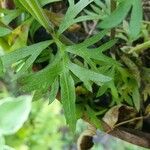
Bidens aristosa
Tickseed-sunflower · Western tickseed · Beggerticks · Bur-marigold · Bearded Beggarticks
Description
Source: leafsnapBidens aristosa, commonly known as bearded beggarticks or tickseed sunflower, is a flowering plant belonging to the Asteraceae family. Native to North America, it thrives in wetlands, meadows, and along stream banks. The plant can grow up to 6 feet tall and features a bushy appearance with numerous branches. The leaves of Bidens aristosa are dark green with serrated edges. The yellow flowers, approximately 1 inch in diameter, bloom from July to October, attracting bees, butterflies, and other pollinators. The seeds of Bidens aristosa have barbed awns that cling to clothing or animal fur like ticks, giving rise to the common name "beggarticks." This unique feature aids in seed dispersal, as the seeds easily attach to passing animals. Historically, Native Americans used Bidens aristosa for medicinal purposes to treat ailments such as fever, diarrhea, and dysentery. Today, herbalists continue to use the plant for its anti-inflammatory properties. Overall, Bidens aristosa is an attractive plant that provides food for pollinators while adding beauty to wetlands and gardens with its bright yellow flowers during the summer months.
🌳 Bearded beggarticks is often planted at the edges of woodland gardens for its attractive yellow blossoms. The nectar-rich flowers attract bees and butterflies, making it an excellent choice for pollinator-friendly garden sites. Additionally, the seeds provide a valuable food source for songbirds and ducks in wildlife-friendly gardens.
Care Guide
💧 Water Every 3 days
Bearded beggarticks thrive in moist conditions and require regular hydration, needing weekly watering for optimal growth. Although they can tolerate short periods of dryness, effective irrigation during the growing season is crucial for flowering, as this is influenced by water availability.
How should I water my Bearded beggarticks?
Watering Bearded beggarticks is a flexible process that can be done using various tools such as a garden hose with a spray nozzle or a watering can. These plants are not picky about the source of water and can thrive with rainwater, tap water, or filtered water. It's important to avoid watering from above, as this can harm the leaves and flowers and potentially cause disease. A drip irrigation system is often the best watering method for Bearded beggarticks, as it ensures even and direct water distribution to the soil. When dealing with a container-grown Bearded beggarticks, a similar approach can be used, utilizing a cup, watering can, or tap to water the plant directly at the soil.
What should I do if I give my Bearded beggarticks too much water or too little water?
To remedy underwatering for Bearded beggarticks, simply water it more regularly when you notice it lacks moisture. However, overwatering can be a more serious issue that can lead to diseases, decline, and even death for the plant. To prevent this, choose a location with ample sunlight to dry the soil and good drainage to avoid waterlogged soil. If you overwater a potted Bearded beggarticks, consider transferring it to a new pot with better soil and efficient drainage.
How frequently should I water my Bearded beggarticks?
Bearded beggarticks needs regular watering throughout the growing season. In spring, water this plant about once per week. As the season gets warmer, increase watering to two or three times per week, but be careful not to exceed this rate as it can harm the plant. Keep the soil moist but not wet. If the Bearded beggarticks is in a pot, you'll need to water it more frequently. Potted plants dry out faster, so water them a few times per week instead of just once.
How much water does my Bearded beggarticks plant need?
Determining how much water to give your Bearded beggarticks can be done in a few different ways. Some gardeners rely on feeling the soil to determine when to water. They suggest watering until the top six inches of soil feel moist. Another method is using a set measurement. Generally, giving your Bearded beggarticks about two gallons of water per week is recommended, adjusting based on temperature and how quickly the soil dries out. However, following strict guidelines can result in overwatering if your plant doesn't need that much water. When growing Bearded beggarticks in a container, a different approach is needed. You should aim to moisten all layers of dry soil. To check, simply stick your finger in the soil to feel for moisture. Alternatively, you can water until you see a small amount of water draining out of the pot's drainage holes.
How can I know if I am giving enough water to my Bearded beggarticks plant?
Avoiding overwatering your Bearded beggarticks can be a bit challenging. On one hand, these plants have deep roots that need moist soil on a weekly basis. However, they are highly prone to root rot and can develop browning due to excessive watering. Underwatering is less of a concern as Bearded beggarticks can survive without supplemental watering for a while. However, if you neglect watering for too long, the plant may wilt and exhibit dry leaves.
☀️ Light Partial sun
The bearded beggarticks does well in places that get a moderate amount of sun during the day. It can tolerate areas with continuous sunlight, though it does not strictly require that. Its original habitat had abundant sunlight. However, excessive light exposure can potentially stress the plant.
What are the sunlight requirements for bearded beggarticks?
Bearded beggarticks thrives well in various sunlight conditions, requiring a fair quantity of sun throughout the day. It can grow in full sun, described as areas receiving more than 6 hours of sunlight, and also tolerates partial sun, which is about 3-6 hours of sunlight. It's important to watch how sunlight moves through your garden to choose spots that offer a good balance of light and shade, ensuring the plant's happiness. Originating from an environment with ample sunlight, bearded beggarticks can still become stressed from an overabundance of light exposure.
How can artificial lighting be used for bearded beggarticks indoors?
Indoor bearded beggarticks may require artificial lighting, especially when natural sunlight is insufficient. Adequate lighting promotes healthier, faster growth. LED lights are recommended as they can be customized to provide specific light wavelengths needed by plants. The requirements vary with the type of plant; full sun plants need 30-50W/sq ft, partial sun plants need 20-30W/sq ft, and full shade plants require 10-20W/sq ft of artificial light. The light source should be placed 12-36 inches above the plant, mimicking natural sunlight. Most plants will need 8-12 hours of light per day.
What are the symptoms of inadequate light for bearded beggarticks?
Symptoms of inadequate lighting for bearded beggarticks include smaller new leaves, leggy or sparse growth, faster leaf drop, slower or halted growth, and lighter-colored or yellowing leaves indicating chlorosis. Excessive sunlight can cause symptoms like sunscald, leaf curling, wilting, and leaf scorching. Monitoring and adjusting the plant's exposure to natural or artificial light can mitigate these issues.
What solutions can improve the light conditions for bearded beggarticks?
To optimize growth, gradually acclimate bearded beggarticks to brighter conditions by moving them to sunnier spots each week until they receive 3-6 hours of sunlight daily. If the plant is indoors and not easily movable, consider using artificial lights like desk or ceiling lamps for at least 8 hours daily, or invest in professional grow lights. Outdoors, move plants gradually to avoid sunburn. If insufficient sunlight is an issue, try reducing obstructions or transplant smaller plants during their dormant period to a location with ample sunlight and good drainage. Note that parts affected by insufficient light may not recover, but new growth should be healthy with improved light conditions.
🌡️ Temperature 5–35°C
Bearded beggarticks is naturally found in regions with temperatures between 20 and 35 °C (68 to 95 °F). It thrives under those conditions, and it is advisable to reproduce these temperature levels in other seasons if temperatures fall outside that range.
What are the ideal temperature conditions for Bearded Beggarticks?
Bearded beggarticks, or Bidens aristosa, thrives in temperature ranges from 20°C to 35°C (68°F to 95°F). These conditions are ideal for the plant's growth, and it's recommended to maintain temperatures within these limits throughout the different seasons. The plant possesses strong cold resistance, making special frost protection measures generally unnecessary. However, if temperatures are expected to fall below -25°C, providing some form of cold protection, such as covering the plant with soil or straw, is advisable. To prepare for winter, it's beneficial to water the plant abundantly before the first freeze, ensuring the soil remains moist and enters a frozen state to prevent drought and water scarcity during the colder months.
How does low temperature affect Bearded Beggarticks, and what are the remedies?
Bearded beggarticks is cold-tolerant and prefers temperatures to remain above 20°C. During winter, it's important to keep the temperature above 0°C. If temperatures drop below -25°C, there might not be noticeable changes during winter, but there could be a decrease in sprouting or no sprouting at all come springtime. To address this issue, any parts of the plant that fail to sprout in the spring should be removed as part of the plant's care regime.
How does high temperature affect Bearded Beggarticks, and what are the remedies?
During the summer months, Bearded beggarticks should be kept below 35°C. Temperatures exceeding 38°C can cause the leaves to lighten in color, curl, become susceptible to sunburn, and in severe cases, the entire plant may wilt and dry out. To mitigate such damage, it's advised to trim away the sunburned and dried-up parts, move the plant to a location offering shade during the midday and afternoon sun, or use a shade cloth. Additionally, to maintain soil moisture, watering the plant in the morning and evening is beneficial.
💨 Humidity
🪴 Soil 6-7
🌱 Fertilizer
Bearded beggarticks benefit from regular, weak applications of fertilizer to encourage healthy leaf growth. You should apply fertilizer to Bearded beggarticks about once a month during the summer months. Nitrogen is important for foliage, and providing nitrogen-rich sources helps Bearded beggarticks thrive.
Why should I use fertilizer on my Bearded beggarticks?
Not all plants require additional fertilizers, as some are capable of extracting necessary nutrients from their surroundings. Bearded beggarticks, like other plants, rely on nutrients for growth and internal processes. The main nutrients for plants, such as nitrogen, phosphorus, and potassium, serve various vital functions. In the case of foliage, nitrogen is particularly important. However, Bearded beggarticks often struggle to obtain sufficient nitrogen from the soil, which is why some gardeners choose to supplement their nitrogen intake.
When should I put fertilizer on my Bearded beggarticks?
Bearded beggarticks generally grows well, but it benefits from regular fertilization, about once a month, during its active growing period in the spring and summer. During the fall and winter, when the plant is less active, fertilization is not necessary as the plant does not require as many nutrients. You can determine when to start fertilizing by observing signs of new growth. The fertilization schedule remains consistent whether the plant is grown outdoors or indoors in a container. However, if your Bearded beggarticks is in a container, you may not need to fertilize for the first one to two months. Container plants are typically potted in nutrient-rich soil, so fertilization is only necessary after the plant has been in the same soil for a while.
When is the best time to not fertilize my Bearded beggarticks?
To prevent harm to your Bearded beggarticks, it's important to avoid fertilizing it if it's not in good health, such as if it has a disease or insect pests. Additionally, refrain from fertilizing a dehydrated plant as it will worsen the problem. Only apply fertilizer to healthy plants. When watering, be cautious not to splash fertilizer onto the leaves or stem, as this can cause burned spots. Direct contact with the plant should be avoided, unless you're using a special foliage fertilizer specifically designed for this purpose.
What kind of fertilizer should I use for my Bearded beggarticks?
Fertilizers serve an important role in promoting the growth of Bearded beggarticks by providing essential nutrients like nitrogen, potassium, phosphorus, iron, manganese, and zinc. When choosing a fertilizer, a balanced option like an all-purpose fertilizer with a 10-10-10 NPK number is recommended. Natural fertilizers like blood meal or worm castings are also effective. Alternatively, if your main focus is on promoting leaf growth, you can opt for a fertilizer with a higher nitrogen content, such as fish fertilizer. It is important to consider your specific goals when selecting a fertilizer, as unnecessary supplements for flowers or seeds may not be beneficial for your purposes.
How do I make my Bearded beggarticks grow better?
When applying fertilizer to your Bearded beggarticks, follow the instructions on the type of fertilizer you have purchased. To avoid over-fertilizing, it is generally recommended to start with half-strength fertilizer. This plant requires frequent fertilization, so accidental over-fertilization is common. Keep in mind that it's easier to add more fertilizer than to save an over-fertilized plant. Ensure that the soil is not dry before applying fertilizer, as it should be somewhat moist. This helps the fertilizer to absorb easily and prevents fertilizer burn. After applying dry fertilizers, remember to water the soil. There are different methods for applying fertilizers - some are mixed into the soil during planting, while others are applied on top and watered in. Water soluble fertilizers are a suitable option for most Bearded beggarticks. Simply mix the recommended dosage into your watering can and water the plant as usual. Alternatively, slow-release granules or fertilizer spikes can be used if you prefer not to fertilize monthly.
🪴 Pot & Repot
✂️ Pruning
Bearded beggarticks, known for their vibrant yellow flowers, thrive in wetland regions. Pruning is best done from early to late spring to encourage healthy growth and prevent leggy stems. By regularly trimming dead stems and removing spent flowers, you can improve air circulation and maintain a tidier appearance for the plant.
🌿 Propagating
🐛 Diseases & pets
☠️ Toxicity
Characteristics
- Plant Type
- Herb
- Life Cycle
- Annual, Biennial
- Genus
- Bidens
- Family
- Asteraceae
- Hardiness Zone
- 5-9
- Mature Height
- 0.61 m to 1.22 m
- Mature Spread
- 30 cm to 61 cm
- Leaf Color
- Green
- Leaf Type
- Deciduous
- Flower Color
- Yellow, Gold
- Flower Size
- 2.54 cm to 7.62 cm
- Bloom Time
- Mid summer
- Planting Time
- Spring, Summer
- Harvest Time
- Mid summer, Late summer, Early fall