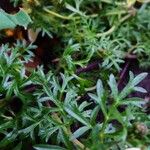
Bidens aurea
Arizona beggar-ticks · Arizona Beggarticks · Apache beggarticks · Beggarticks · Bur-marigold
Description
Source: leafsnapBidens aurea, commonly known as Golden Tickseed or Golden Beggarticks, is a flowering plant in the Asteraceae family. Native to North America, it thrives in various habitats such as wetlands, meadows, and roadsides. This plant can grow up to 3 feet tall and showcases bright yellow flowers that bloom from mid-summer until fall. The flowers, about 1 inch in diameter, consist of a central disk surrounded by several ray petals. Bidens aurea prefers moist soil but can tolerate drought conditions once established. It is well-known for attracting pollinators like bees and butterflies. Traditionally, Native Americans have used Bidens aurea for medicinal purposes, treating ailments like fever, diarrhea, and skin infections. Overall, Bidens aurea is an attractive wildflower that adds vibrant color to gardens and natural areas while providing ecological benefits through its ability to attract pollinators.
🌳 Arizona beggarticks is notable for its ecological value, not only its ornamental appeal. It is not commonly known for specific uses like essential oil extraction or spice production, yet it plays an important role in supporting wildlife. The flowers provide nectar for bees and butterflies, making the plant a valuable element in pollinator-friendly gardens. Its seeds are also eaten by birds, tying the species into wider natural food webs.
Care Guide
💧 Water Every 3 days
Arizona beggarticks thrive in moist environments. They prefer consistent moisture and require weekly watering to maintain lush growth. It is best to cultivate them outdoors, where they benefit from natural rainfall, especially during the growing season. Adequate water during this time enhances their flowering.
How should I water my Arizona beggarticks?
To ensure the Arizona beggarticks thrive, it's important to water them properly. Use filtered water at room temperature or slightly warmer because tap water may contain harmful particles. This plant prefers warmer conditions, so avoid using cold water as it can shock the plant. Additionally, overhead watering should be avoided to prevent foliage problems. Instead, water the plant by applying filtered room temperature water directly to the soil until it's completely soaked. This method is beneficial as it helps moisten the roots and promotes nutrient absorption.
What do I do if I give my Arizona beggarticks too much or too little water?
Overwatering can be harmful to your Arizona beggarticks, causing wilting, yellowing leaves, and potential diseases like root rot, mold, and mildew. Underwatering is less common but can make the leaves brittle and brown. It is important to detect overwatering early as some diseases may be irreversible. Reduce watering and check the soil's drainage. If it drains poorly, replace it with well-draining potting mix. Increase watering if signs of underwatering are present.
How often should I water my Arizona beggarticks plant?
If your Arizona beggarticks plant is in a pot, the most precise way to determine if it needs water is to check the soil by inserting your finger. If you find that the top two to three inches of soil are dry, it's time to water it. For those who grow their Arizona beggarticks outdoors in the ground, a similar method can be used to test the soil. Once again, if the top few inches of soil have dried out, it's time to give it some water. During the spring and early fall, following this method will typically result in watering the plant about once a week. However, in extremely hot weather, the frequency may need to be increased to twice a week or more. That being said, mature and well-established Arizona beggarticks plants have an impressive ability to tolerate drought.
How much water does my Arizona beggarticks plant need?
To properly water your Arizona beggarticks, don't be afraid to be generous with the amount of water you give. Make sure that the top two to three inches of soil are dry before watering, and then water thoroughly to saturate the entire soil. You should add enough water so that it flows out through the drainage holes at the bottom of the pot. If you don't see any excess water draining, it means you haven't given enough water. However, you should avoid letting water accumulate inside the soil as it can harm the plant. On the other hand, if water isn't draining properly, it may indicate that the soil doesn't drain well, which is not good for the plant's health. If the plant is outside, one inch of rain per week should be enough.
What is the best way to water my Arizona beggarticks when they are growing at different stages?
The water requirements of the Arizona beggarticks can vary based on its growth stages. When the beggarticks is still young or has been recently transplanted, it requires more water. During these stages, the plant invests a lot of energy into developing new roots, which need extra moisture for optimal growth. As the beggarticks matures over a few seasons, it will require less water. Additionally, during the bloom period, when the flowers are developing, the beggarticks may need increased watering to support their moisture needs.
☀️ Light Full sun
The Arizona beggarticks prefers living in environments awash with light, reflecting its native habitats that lack shaded canopy cover. Light is vital for its healthy growth because it powers photosynthesis. However, excessive exposure can be harmful, potentially causing sunburn and wilting, so its light exposure must be carefully managed.
What are the sunlight requirements for Arizona beggarticks?
Arizona beggarticks, also known by its botanical name Bidens aurea, thrives in environments that provide an ample amount of light, reminiscent of its origins in open, unshaded areas. It stands in need of full sun, defined as more than 6 hours of direct sunlight daily, to foster its growth and health through efficient photosynthesis. While it can survive in partial sun—approximately 3-6 hours of sunlight—it's essential to monitor and manage its exposure. Excessive sunlight, though seldom, can lead to sunburn and wilting, indicating the necessity of choosing locations that offer a harmonious balance of light and shade within your garden to ensure the plant's well-being.
How can artificial lighting benefit indoor Arizona beggarticks plants?
Indoor Arizona beggarticks plants may require artificial lighting to supplement natural sunlight, especially in conditions where natural light is insufficient, such as during winter or in spaces that don't receive enough sunlight. Artificial lights, particularly LED lights, can be tailored to provide the specific wavelengths needed by the plants, promoting healthier and faster growth. For full sun plants like the Arizona beggarticks, 30-50W/sq ft of artificial light is recommended. The light source should ideally be placed 12-36 inches above the plant to mimic natural sunlight conditions and should be kept on for 8-12 hours per day to simulate the length of natural daylight hours necessary for the plant's optimal growth.
What are common symptoms of inadequate lighting in Arizona beggarticks?
Common symptoms of inadequate lighting in Arizona beggarticks include smaller new leaves compared to older ones, leggy or sparse growth with elongated spaces between leaves or stems, and the early shedding of older leaves as the plant conserves resources for new leaf growth. Such conditions may also lead to a halt in growth, producing lighter-colored new leaves due to insufficient chlorophyll and essential nutrients, or even cause conditions such as chlorosis, where leaves lose their green color and turn yellow. Excessive sunlight, conversely, can lead to sunscald, leaf curling, wilting, or leaf scorching, symptoms indicative of too much light exposure.
How can I address light-related issues in Arizona beggarticks?
To address light-related issues in Arizona beggarticks, begin by gradually relocating your plants to areas with more suitable sunlight, ensuring they receive at least 6 hours of direct sunlight daily. For indoor plants, using a south-facing window or artificial lighting, such as desk, ceiling lamps, or professional plant grow lights for 8 hours daily, can help. Outdoors, it's crucial to gradually adjust your plants to sunnier spots to avoid sunburn. If obstructions block natural sunlight, consider pruning or moving the plant to a better-lit location. Keep in mind that parts of the plant affected by previous light conditions may not recover, but new growth should be healthy with proper light exposure.
🌡️ Temperature 15–35°C
Arizona beggarticks is native to temperate climates, needing moderate warmth and preferring temperatures between 59 and 95 °F (15 and 35 °C). Seasonally, adaptations might involve providing extra shade or protective coverings when temperatures fluctuate dramatically.
What is the native environment of Arizona beggarticks?
Arizona beggarticks, botanically known as Bidens aurea, is native to temperate environments. It thrives in moderate warmth, preferring temperatures between 59 to 95 °F (15 to 35 °C). The plant has adapted to seasonal changes and might require extra shade or protective coverings during extreme temperature fluctuations to maintain its health.
Does Arizona beggarticks require special frost protection measures?
Arizona beggarticks exhibits strong cold resistance, so special frost protection measures are generally not necessary during winter. However, if winter temperatures are expected to drop below -15°C, it's important to protect the plant from cold by covering it with soil, straw, or similar materials. Additionally, watering the plant abundantly before the first freeze of autumn can help ensure the soil remains moist, preventing drought and water scarcity for the plant during the colder months.
How does Arizona beggarticks react to low temperatures?
Arizona beggarticks is cold-tolerant, thriving best when the temperature stays above 15°C. During the winter, it should be kept above -10°C. If temperatures fall below -15°C, there might not be noticeable changes during the winter, but there could be a decrease in sprouting or even no sprouting at all during spring. To address this, in spring, remove any parts of the plant that have failed to sprout.
What should you do if Arizona beggarticks is exposed to high temperatures?
During the summer, it's important to keep Arizona beggarticks below 35°C. Exposure to temperatures exceeding 41°C can cause the leaves to lighten in color, become prone to curling, susceptible to sunburn, and in severe cases, the entire plant may wilt and dry up. To mitigate these effects, trim away the sunburned and dried parts, move the plant to a location providing shade during the midday and afternoon, or use a shade cloth. Additionally, watering the plant in the morning and evening will help keep the soil moist and ensure the plant's well-being.
💨 Humidity
🪴 Soil 6-7
🌱 Fertilizer
The best time to fertilize an Arizona beggarticks is in early spring, as it comes out of dormancy and starts active growth. Fertilization supplies essential nutrients for healthy development. Although Arizona beggarticks has fairly low fertilizer requirements, applying fertilizer once a year can improve its survival and encourage better, longer-lasting flowers.
Why should I put fertilizer on my Arizona beggarticks?
Fertilization is important for the Arizona beggarticks for several reasons. It helps the plant grow and provides essential nutrients. Although the Arizona beggarticks has relatively low fertilization needs and can survive without it, annual fertilization can greatly benefit the plant. It helps keep the plant alive and promotes the development of longer-lasting flowers. Therefore, those who want their Arizona beggarticks to thrive should consider regular fertilization.
When should I fertilize my Arizona beggarticks for best results?
The best time to fertilize an Arizona beggarticks is in the late winter to early spring as the plant comes out of dormancy and starts actively growing. Fertilizing at this time promotes healthy growth and gives the plant a great start for the season. While early spring is generally the most beneficial, fall is also an acceptable time to fertilize. However, it is not recommended to feed the plant during summer or winter.
When is it not a good idea to add fertilizer to my Arizona beggarticks?
To keep your Arizona beggarticks healthy, it is best to fertilize only during late winter and early spring. This plant has low fertilization needs, so one feeding per year is sufficient. Fertilizing during spring, summer, and fall can lead to overfertilization and its associated problems, unless you missed fertilizing in spring. In that case, it is acceptable to fertilize during fall. Additionally, there is no need to fertilize this plant during winter when it is in a dormant phase and not actively growing.
What kind of plant food does my Arizona beggarticks need?
For Arizona beggarticks, any general-purpose fertilizer with a balanced amount of the three main plant nutrients will work well. However, some nutrient blends can be even more beneficial. For example, higher levels of phosphorus are believed to strengthen roots and improve flower production. Since Arizona beggarticks is a flowering plant, applying a phosphorus-rich fertilizer may be the best approach. Whether you choose a granular or liquid form, make sure the fertilizer has plenty of nutrients. In addition to manufactured fertilizers, you can also improve the soil for your Arizona beggarticks using organic methods such as compost and manure. These materials can greatly contribute to creating a healthy growing medium for your Arizona beggarticks.
How should I fertilize my Arizona beggarticks?
To fertilize an Arizona beggarticks, the most common method is to use granular or pellet fertilizer and apply it to the soil around the plant. It's important to fertilize when the plant transitions from its dormant phase to active growth, typically in early spring when shoots start emerging from the soil. If you prefer liquid fertilizer, dilute it with water before applying. Remember to moisten the soil before, during, and after fertilization, regardless of the type of fertilizer you choose.
🪴 Pot & Repot 2-3 years
Repot Arizona beggarticks every 2 to 3 years in the spring when growth resumes. Use a slightly larger pot and provide well-draining soil. After repotting, water moderately to aid recovery, ensuring the plant thrives and shows vibrant growth.
✂️ Pruning
Arizona beggarticks are known for their vibrant yellow flowers and thrive in full sun. To achieve the best results, it's advisable to prune them from early to late spring. This helps improve air circulation and increases blooming. Pruning about one-third of the plant not only encourages denser growth and more blooms but also helps maintain its size and shape, contributing to a healthier and more attractive garden display.
🌿 Propagating
🐛 Diseases & pets
☠️ Toxicity
Characteristics
- Plant Type
- Herb
- Life Cycle
- Perennial
- Genus
- Bidens
- Family
- Asteraceae
- Hardiness Zone
- 7-10
- Mature Height
- 61 cm
- Mature Spread
- 46 cm
- Leaf Color
- Green
- Leaf Type
- Deciduous
- Flower Color
- Yellow, Gold
- Flower Size
- 2.54 cm
- Bloom Time
- Late spring, Summer
- Planting Time
- Spring
- Harvest Time
- Mid summer, Late summer, Early fall
- Native Area
- Mexico