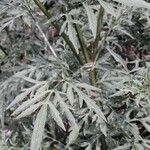
Bidens bipinnata
Spanish-needles · Hemlock beggar-ticks · Bipinnate beggar-ticks · Bipinnate cobbler's pegs · Blackjack
Description
Source: leafsnapBidens bipinnata is a common and widespread species of flowering plant in the family Asteraceae.
🌳 Beyond its ornamental charm, garden cosmos is noteworthy for contributing to environmentally friendly dye production. Its showy flowers supply natural pigments that have long been used to color fabrics. Aside from its decorative function, garden cosmos is also a culinary option: its tender leaves and blooms are edible and ideal for enhancing salads. The vivid carmine blossoms provide both a visual and flavorful element to dishes.
🎭 Lasting happiness, order, harmony
Care Guide
💧 Water
Spanish needles thrive in moist environments and need regular watering, ideally once a week. While they can endure short periods of dryness, they prefer a sunny outdoor location. Increased humidity during the growing season boosts their growth and resilience, so proper care is essential to ensure their vitality.
How should I water my Spanish needles?
There are several ways to water Spanish needles, such as using a garden hose, a watering can, or another common watering tool. Spanish needles are not too picky about their water source and can survive on rainwater, tap water, or even filtered water. However, it is generally best to avoid watering this plant from above as it can harm the leaves and flowers and may cause disease. Using a drip irrigation system is often the most effective method for watering Spanish needles, as it provides even and direct watering to the soil. If you are growing Spanish needles in a container, you can use a cup, watering can, or tap to water it directly into the soil.
What should I do if I give too much or too little water to my Spanish needles?
To avoid underwatering Spanish needles, simply start watering it more regularly when you notice it lacks moisture. Overwatering can be a problem as it can lead to diseases, decline, and death of the plant. To prevent this, choose a suitable location with plenty of sunlight to dry the soil and good drainage to avoid waterlogged soil. If your potted Spanish needles is overwatered, consider changing it to a new pot with better drainage and adding loose soil.
How frequently should I water my Spanish needles?
Spanish needles should be watered regularly throughout the growing season. In spring, water the plant once per week. As the season gets warmer, increase watering to two to three times per week. However, be cautious not to exceed this rate as it can harm the plant. It's important to keep the soil moist, but not wet. When watering Spanish needles in a pot, you'll need to water more frequently. Potted soil tends to dry out faster, so plan to water a container-grown Spanish needles a few times per week, compared to just once per week for an in-ground plant.
How often should I water my Spanish needles plant?
Determining how much water to give your Spanish needles can be done in a few different ways. One method is to feel the soil for moisture and water until you feel that the top six inches are moist. Another option is to use a set measurement and give your Spanish needles about two gallons of water per week, adjusting based on the temperature and how quickly the soil dries. However, be cautious of overwatering if your plant needs less than two gallons. When growing Spanish needles in a container, you should water the soil until all layers are moist, which can be tested by sticking your finger in the soil or noticing excess water draining from the pot's holes.
How can I know if I'm giving enough water to my Spanish needles?
Avoiding overwatering of Spanish needles can be challenging. While these plants have deep roots that need to be moistened weekly, they are extremely vulnerable to root rot. Overwatering can also cause browning of the plants. Underwatering is less of a concern, as Spanish needles can survive without supplemental watering for an extended period. However, if they are deprived of water for too long, wilting and dry leaves may occur.
☀️ Light Full sun
Garden cosmos require a generous amount of sunlight each day, which affects their health and vigorous growth. This need lessens somewhat as the plant matures, but ample light is still preferable. They originate from sun-intensive habitats. Excess exposure can cause scorching, while insufficient exposure can result in weak, leggy growth.
What are the sunlight requirements for Spanish needles?
Spanish needles require full sun exposure of more than 6 hours of sunlight daily to thrive but can also tolerate partial sun with about 3-6 hours of sunlight. It's essential to observe how sunlight moves through your garden to find spots that offer a balance of light and shade, ensuring the plants' health and happiness. In its native habitat, the extensive light exposure throughout the day contributes to its robust growth. However, conditions of insufficient light can stunt growth, and excessive shading can lead to wilting or discoloration.
How does artificial lighting support plant growth?
When natural sunlight is insufficient, artificial lighting can be a vital solution for indoor plants, promoting faster, healthier growth. LED lights are a popular choice for indoor plant lighting as they can be customized to provide the exact wavelengths needed by the plants. Full sun plants require 30-50W/sq ft, partial sun plants need 20-30W/sq ft, and shade plants need 10-20W/sq ft of artificial light. The light source should be placed 12-36 inches above the plant to mimic the sun and left on for 8-12 hours per day to replicate natural daylight hours.
What are the symptoms of insufficient sunlight in Spanish needles?
When Spanish needles do not receive enough sunlight, several symptoms might appear, such as smaller new leaves, leggy or sparse growth, premature leaf drop, halted new growth, paler new leaves, and symptoms of too much sunlight like chlorosis, sunscald, leaf curling, wilting, and leaf scorching. These issues indicate a deficiency or excess in sunlight exposure, affecting the plant's health.
How can I improve the sunlight exposure for my Spanish needles?
To enhance sunlight exposure for Spanish needles, indoors, gradually move plants to sunnier locations until they receive at least 6 hours of direct sunlight daily. Consider using artificial light for additional support. For outdoor and ground plants, gradually transition them to sunnier spots, avoiding sudden changes to prevent sunburn. If sunlight is blocked by obstructions like trees, prune them as needed. For smaller plants, transplanting during their dormant period to a location with better sunlight and drainage can also help. Remember, parts of the plant affected by insufficient sunlight may not recover, but new growth should be healthier with improved light conditions.
🌡️ Temperature 0–37.8°C
Garden cosmos is native to temperate regions and is adapted to temperatures between 68 and 100°F (20 to 38℃). It prefers warmer conditions for optimal growth. Adjust its environment seasonally to keep it within this temperature range so it can flourish.
What is the optimal temperature range for Spanish needles?
Spanish needles thrive in temperate climates with an optimal temperature range between 68 to 95°F (20 to 35°C). It is well-suited to environments that do not experience extreme heat or cold. However, during seasons with such extremes, adjusting the temperature around the plant can contribute to its healthy growth. Despite its strong cold resistance, which typically negates the need for frost protection in winter, precautions should be taken when temperatures are expected to fall below -35°C by covering the plant with insulating materials like soil or straw.
How should Spanish needles be prepared for winter?
To prepare Spanish needles for winter, especially before the first freeze in autumn, it is advised to water the plant abundantly. This ensures the soil stays moist and enters a frozen state, which helps prevent drought and water scarcity for the plant during the colder months. Though Spanish needles have strong cold resistance and usually don't require special frost protection measures, in extreme cold below -35°C, it is important to provide additional cold protection with materials such as soil or straw.
What are the symptoms and solutions for Spanish needles exposed to low temperature?
Spanish needles is cold-tolerant and fares best when the temperature stays above 20°C. In winter, it's crucial to ensure the temperature remains above 0°C. If exposed to temperatures below -35°C, the plant may not show immediate changes, but there could be a notable decrease in sprouting, or it might not sprout at all in the following spring. The recommended solution for such symptoms in spring is to remove any parts of the plant that have failed to sprout.
What are the symptoms and solutions for Spanish needles exposed to high temperature?
During summer, it is ideal to keep Spanish needles under 35°C. Temperatures exceeding 38°C can cause the leaves to lighten in color, become prone to curling, suffer from sunburn, and, in severe scenarios, the entire plant might wilt and dry out. The solutions include trimming away sunburned and dried-up parts of the plant, relocating it to a shaded area away from midday and afternoon sun, or using a shade cloth to protect it. Additionally, watering the plant in the morning and evening to maintain soil moisture is beneficial.
💨 Humidity high (>60%)
This plant needs special care because it loves high humidity levels of 60-80% or more. The best way to achieve this is by placing a humidifier near the plant. Daily misting is also essential! Make sure the room has good ventilation.
🪴 Soil 6-7
🌱 Fertilizer
Once Garden cosmos has opened most of its blooms to full size, it's time to resume fertilizing. Around the point when blooms are at peak production, begin applying fertilizer every three to four weeks, weather permitting. Then, when Garden cosmos starts producing fewer new blooms, stop fertilizing; there's no need to feed the plant when it can no longer produce additional blooms.
🪴 Pot & Repot
When repotting Garden cosmos, choose a pot 1–2 inches (2.5–5.1 cm) larger in diameter that has good drainage. Use a well-draining potting mix and consider adding perlite for extra drainage. Repot in spring or early summer, water thoroughly afterward, and initially place it in a shady location.
✂️ Pruning
🌿 Propagating
🐛 Diseases & pets
☠️ Toxicity
Characteristics
- Plant Type
- Herb
- Life Cycle
- Annual
- Genus
- Bidens
- Family
- Asteraceae
- Hardiness Zone
- 2-11
- Mature Height
- 0.61 m to 2.74 m
- Mature Spread
- 40 cm
- Leaf Color
- Green
- Leaf Type
- Deciduous
- Flower Color
- Pink, White, Lavender
- Flower Size
- 5.08 cm to 10.16 cm
- Bloom Time
- Late spring, Summer
- Planting Time
- Spring, Summer
- Harvest Time
- Summer, Early fall
- Native Area
- Mexico