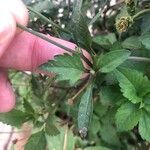
Bidens subalternans
Greater beggar's ticks · Greater beggarticks
Care Guide
💧 Water
Greater beggar's ticks thrive in moist environments and need regular watering, typically twice a week, to maintain their lush growth. The plant prefers consistent moisture and is sensitive to drought. It greatly benefits from natural rainfall during its vigorous growing season.
☀️ Light Full sun
Greater beggar's ticks comes from bright, open environments and does best in full sun. It can tolerate partial sun but prefers direct sunlight for optimal growth. This plant, which may be annual or biennial, is known for its sun-loving nature.
What are the sunlight requirements for Greater beggar's ticks (Bidens subalternans)?
Greater beggar's ticks (Bidens subalternans) thrive in various sunlight conditions. For full sun, they require above 6 hours of sunlight daily. Alternatively, they can also grow in partial sun, needing about 3-6 hours of sunlight each day. It's important to observe the movement of sunlight through your garden to find spots that offer the right mix of light and shade, ensuring the plants remain healthy and happy.
🌡️ Temperature 15–37.8°C
Greater beggar's ticks can tolerate a wide range of temperatures, but its distribution may still be restricted by particular combinations of moisture and heat. It does best in warm summer conditions with sufficient rainfall or watering. Extended periods of cloudy, rainy weather or prolonged high temperatures can raise the chances of the plant dying. In winter, adequate protection from the cold can increase its survival rate.
What is Greater beggar's ticks?
Greater beggar's ticks, known botanically as Bidens subalternans, is a plant species. There is no additional specific information provided about its essentials or symptoms related to this entry.
💨 Humidity
🪴 Soil 6-7
🌱 Fertilizer
Greater beggar's ticks benefit from regular, light applications of fertilizer to encourage healthy leaf growth. Fertilize Greater beggar's ticks about once a month during the summer. Nitrogen is important for foliage, and providing nitrogen-rich sources helps Greater beggar's ticks thrive.
🪴 Pot & Repot
✂️ Pruning
The Greater Beggar's Ticks plant features clusters of yellow flowers and seed heads that easily stick to surfaces. To encourage growth, remove dead stems, and shape the plant, it's best to prune it in early to mid-spring. Regular pruning improves air circulation, enhances blooming, and reduces the risk of disease.
🌿 Propagating
🐛 Diseases & pets
☠️ Toxicity
Characteristics
- Plant Type
- Herb
- Life Cycle
- Annual
- Genus
- Bidens
- Family
- Asteraceae
- Hardiness Zone
- 8-11
- Mature Height
- 30 cm to 91 cm
- Mature Spread
- 30 cm to 61 cm
- Leaf Color
- Green, Dark Green
- Leaf Type
- Evergreen
- Flower Color
- Yellow
- Flower Size
- 1.02 cm to 2.03 cm
- Bloom Time
- Mid summer, Late summer, Early fall, Mid fall
- Planting Time
- Spring, Summer, Autumn
- Harvest Time
- Fall
- Native Area
- Brazil, Colombia, Bolivia, Paraguay