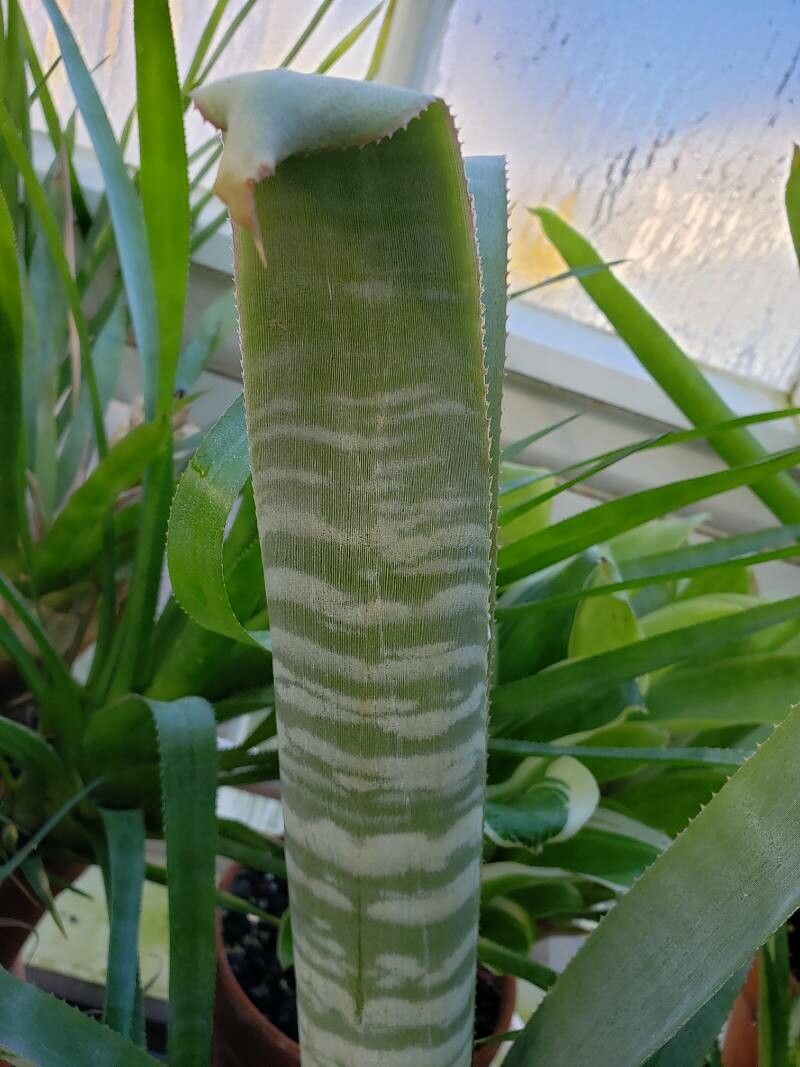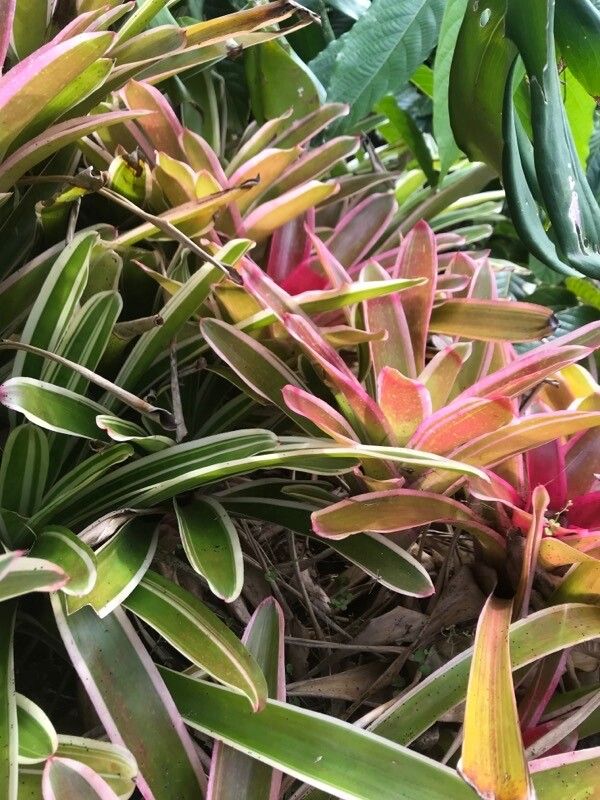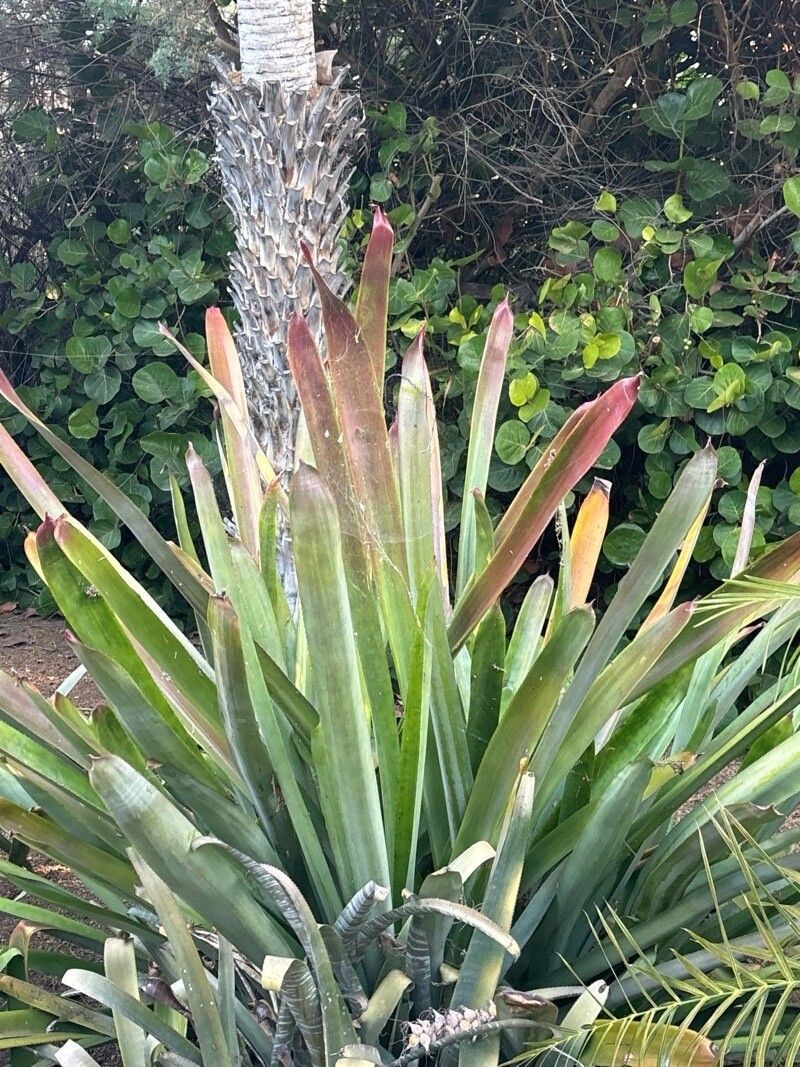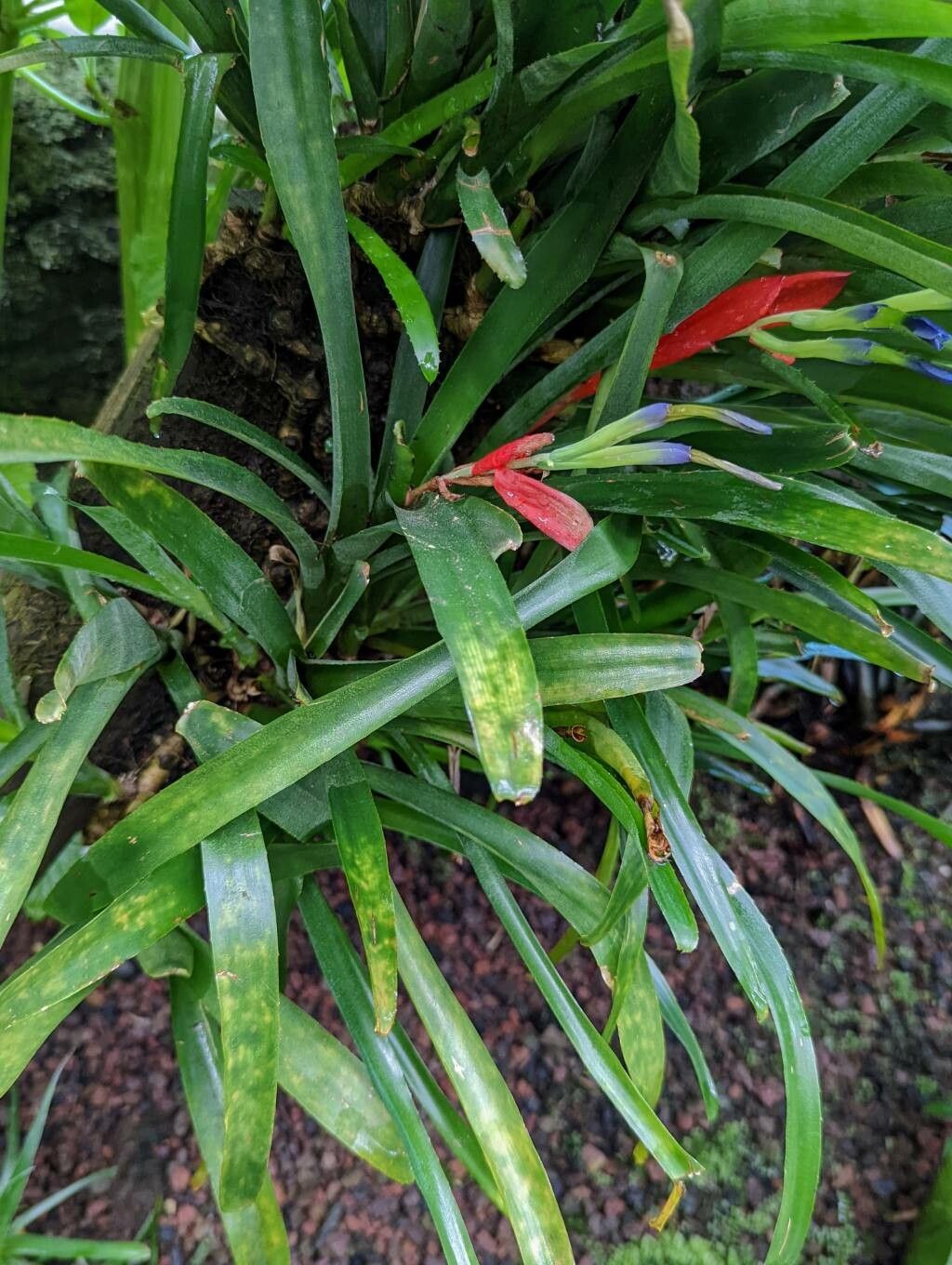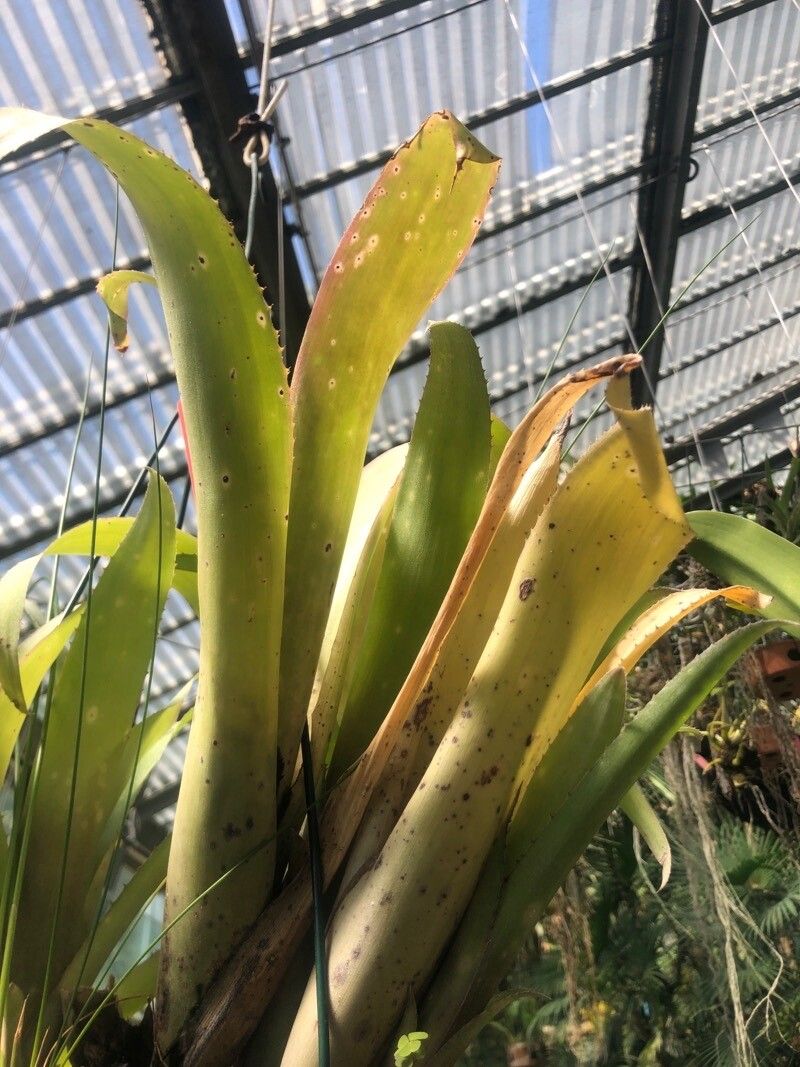
Angel's tears is quite disease-resistant and is generally not prone to disease. However, it can develop leaf spots if light and ventilation are poor and if it is overwatered. The plant's care level is considered easy, since it only needs regular watering and does not require much additional attention. Angel's tears is suitable for people who don't have time or energy to devote to regular care.
How to keep Billbergia Ux Windii.
Light
Angel's tears comes from environments like the shaded understory of forests. It prefers partial sun but can tolerate full sun if necessary.
Water
Angel's Tears thrives in humid environments and requires consistent humidity along with weekly watering to mimic tropical rainfall. When grown indoors as an epiphyte, it benefits from regular misting to maintain the necessary ambient humidity. This helps support its lush foliage and vibrant flowers.
Temperature
Angel's tears does best in warm conditions. If the temperature falls too low, the plant may stop growing or suffer frost injury. It tolerates high heat and humidity well and needs steady moisture in its surroundings. However, very high temperatures and humidity can raise the risk of fungal infections. In dry conditions, regular watering and misting are required to keep the air humidity adequate. The plant is sensitive to abrupt temperature changes, so maintaining a fairly stable temperature is important.
Fertilizer
Proper fertilization is essential for the health and appearance of Angel's tears. Fertilize Angel's tears in summer, applying it monthly throughout the season. Nutrients supply energy for growth and help maintain the plant's parts. Fertilizing boosts Angel's tears' floral display, ensuring the best blooms.
Pruning
Angel's Tears features striking tubular flowers and variegated leaves, making it ideal for shady spots. Prune it in early spring to remove dead foliage and spent blooms, which encourages growth and improves air circulation. Be careful not to over-prune, as retaining older leaves is important for photosynthesis, which enhances the plant's appearance and helps prevent disease.
Pot & Repot
When repotting Angel's tears, select a pot 1-2 inches (2.5–5.1 cm) larger with good drainage. Use a well-draining potting mix. Repot in spring or fall, making sure the root ball sits slightly below the rim of the flower pot. Water thoroughly after repotting and keep it in a warm spot with indirect sunlight.
Botanical profile.
- Plant Type
- Herb
- Life Cycle
- Perennial
- Genus
- Billbergia
- Family
- Bromeliaceae
- Hardiness Zone
- 10-12
- Mature Height
- 25 cm
- Mature Spread
- 25 cm
- Leaf Color
- Green
- Leaf Type
- Evergreen
- Flower Color
- Pink
- Flower Size
- 5.08 cm to 6.35 cm
- Bloom Time
- Winter
- Planting Time
- Spring, Summer, Autumn
- Harvest Time
- Late winter, Early spring, Mid spring