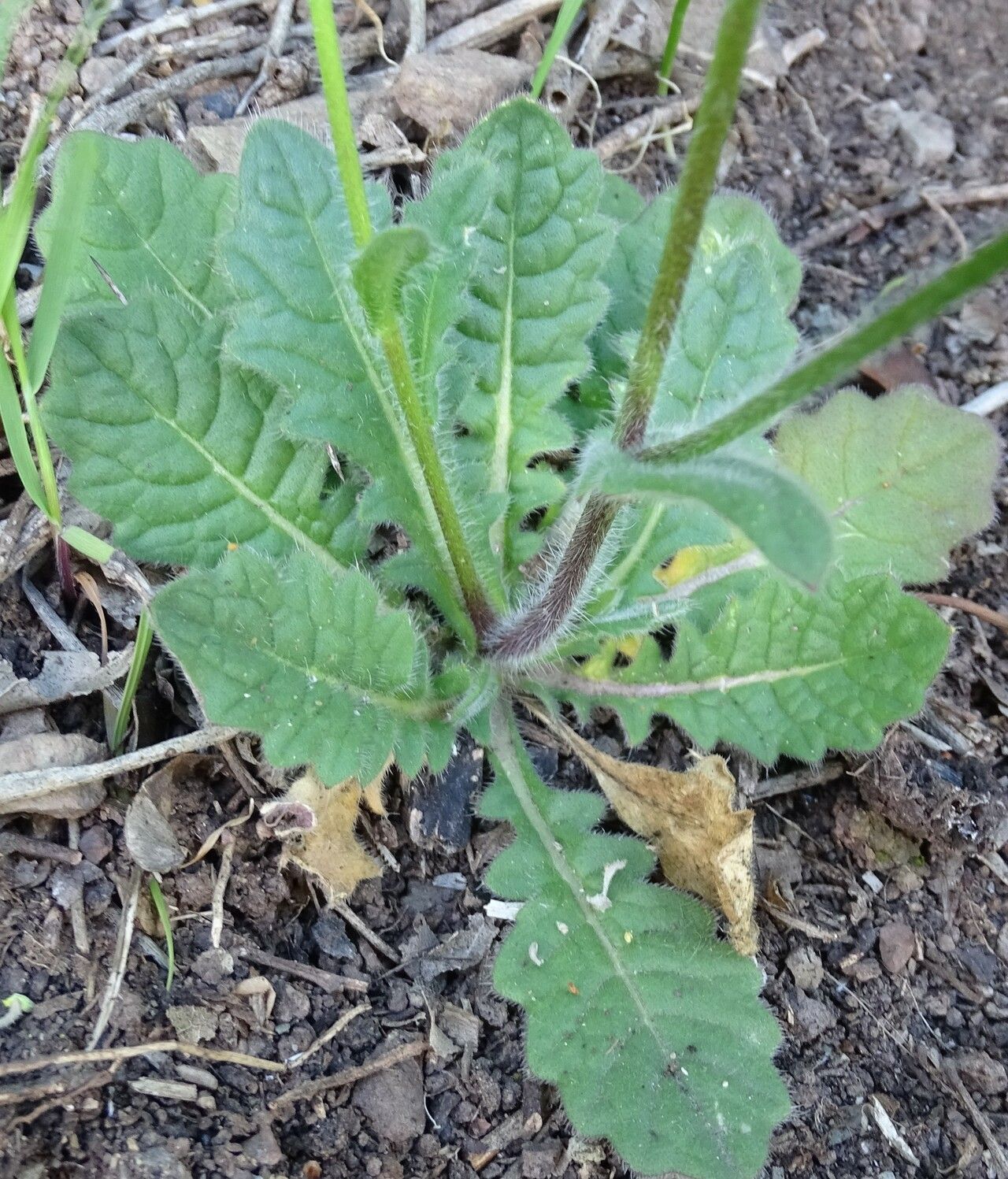
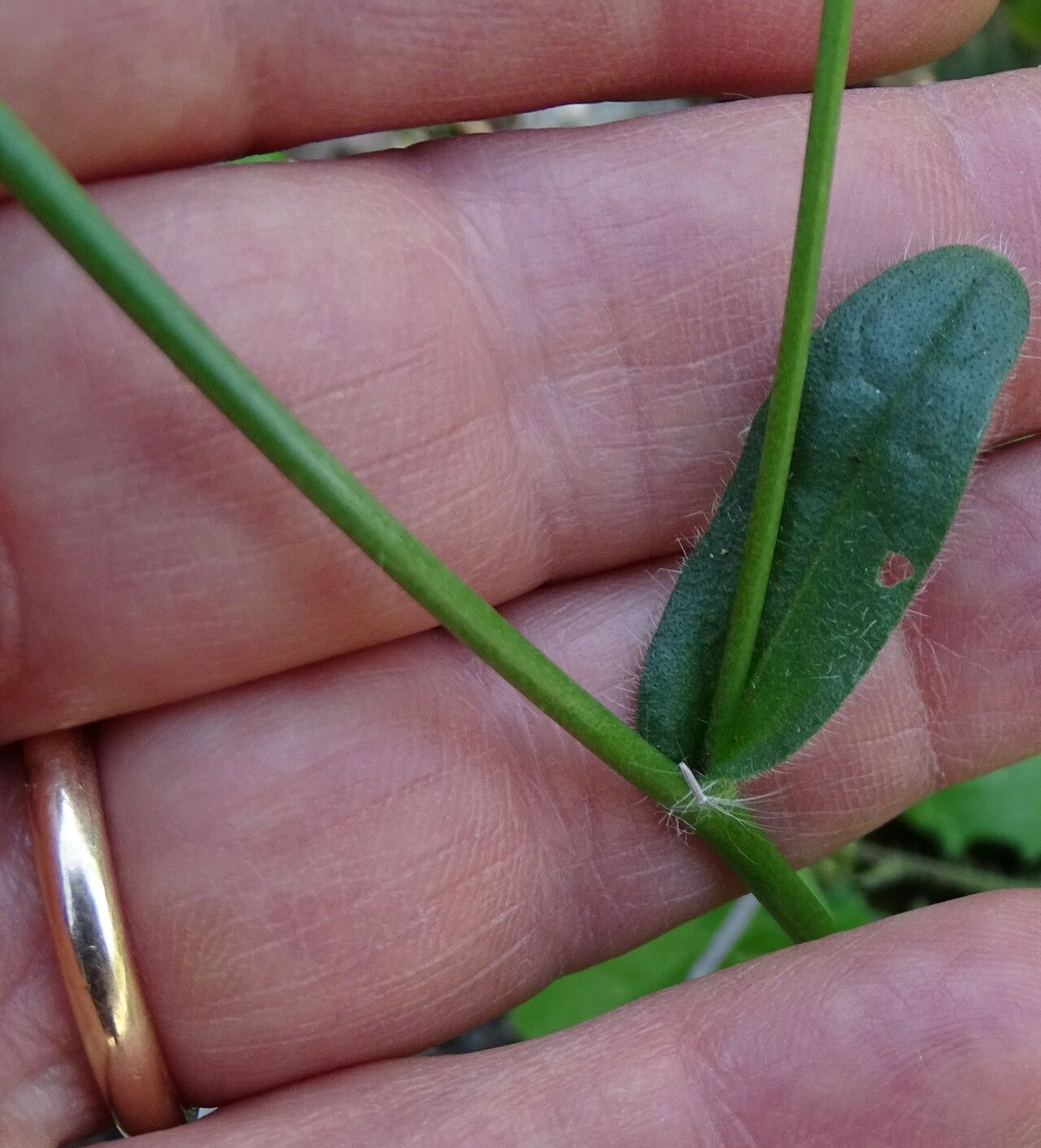
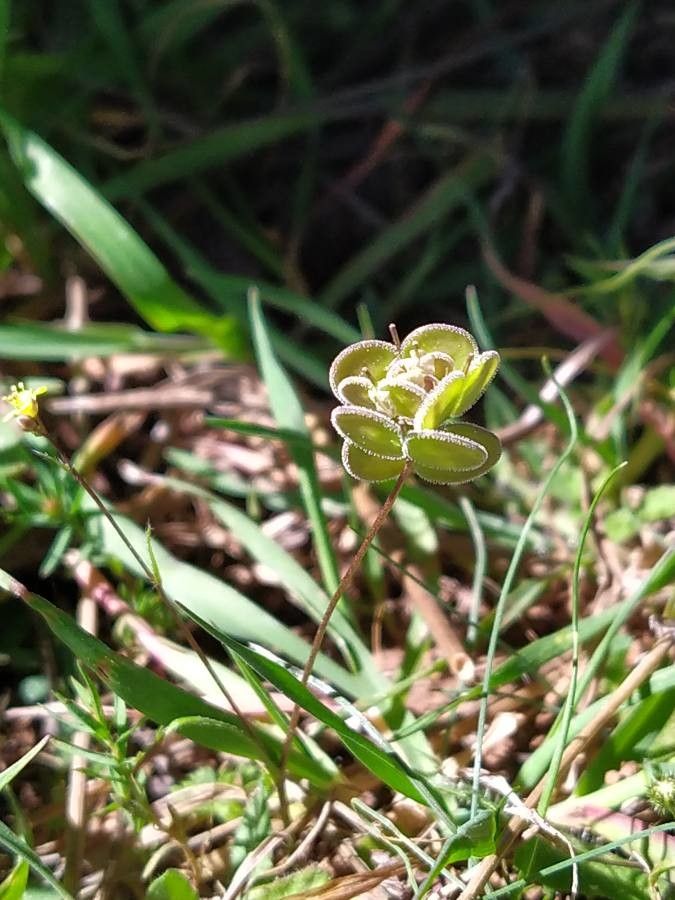
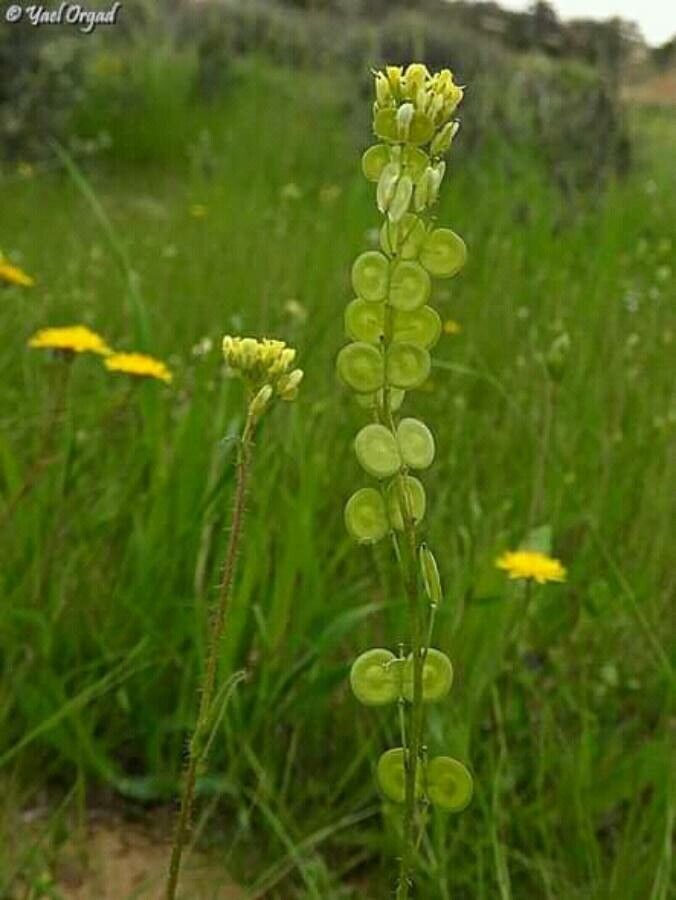
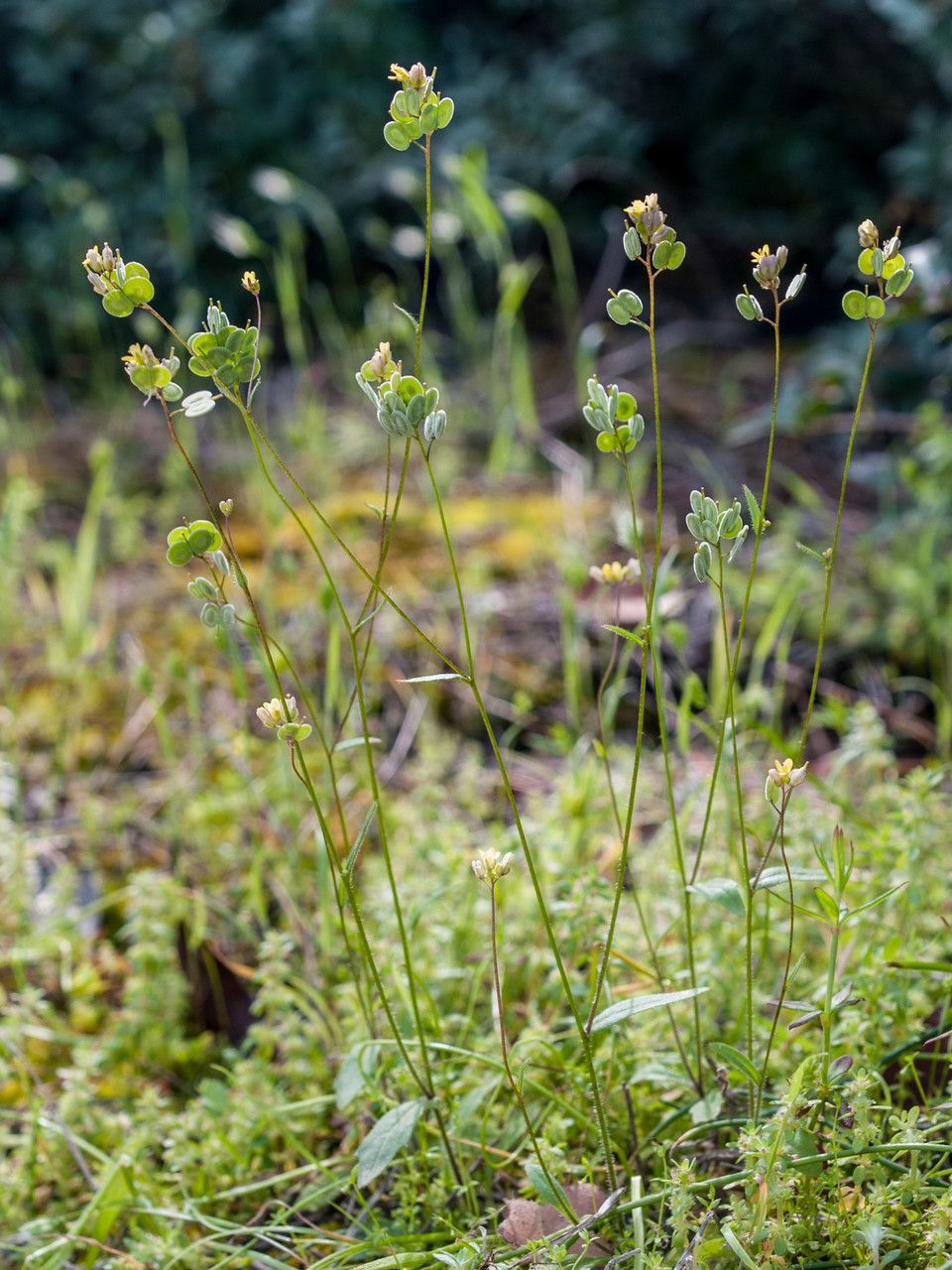
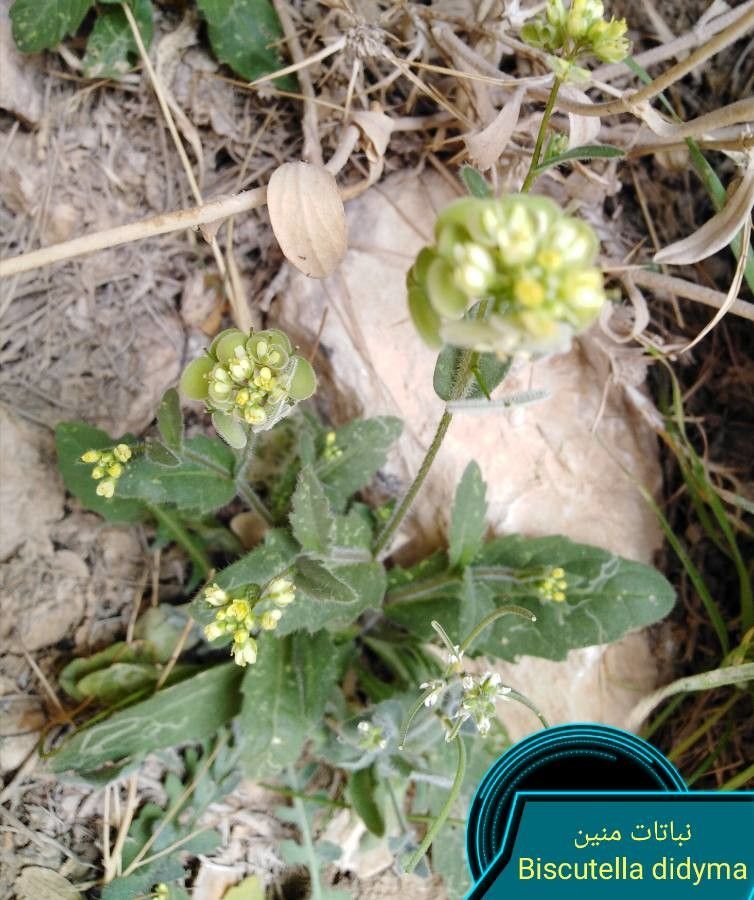
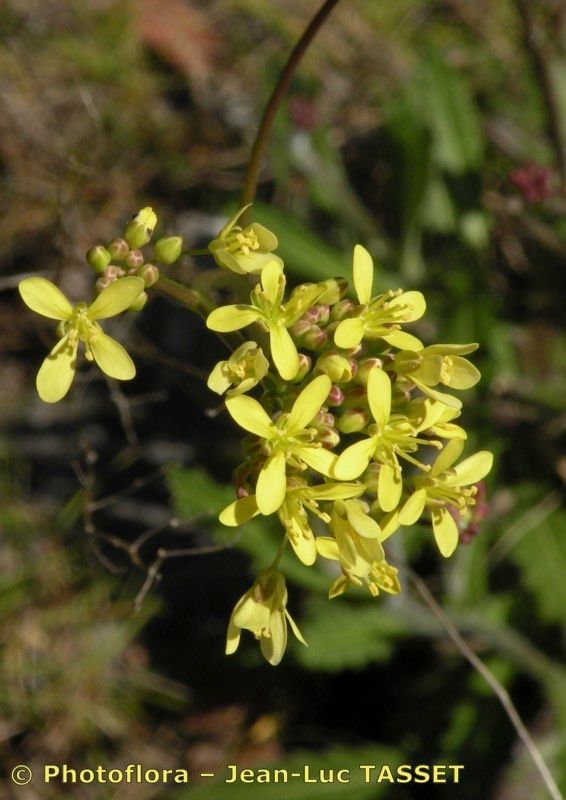
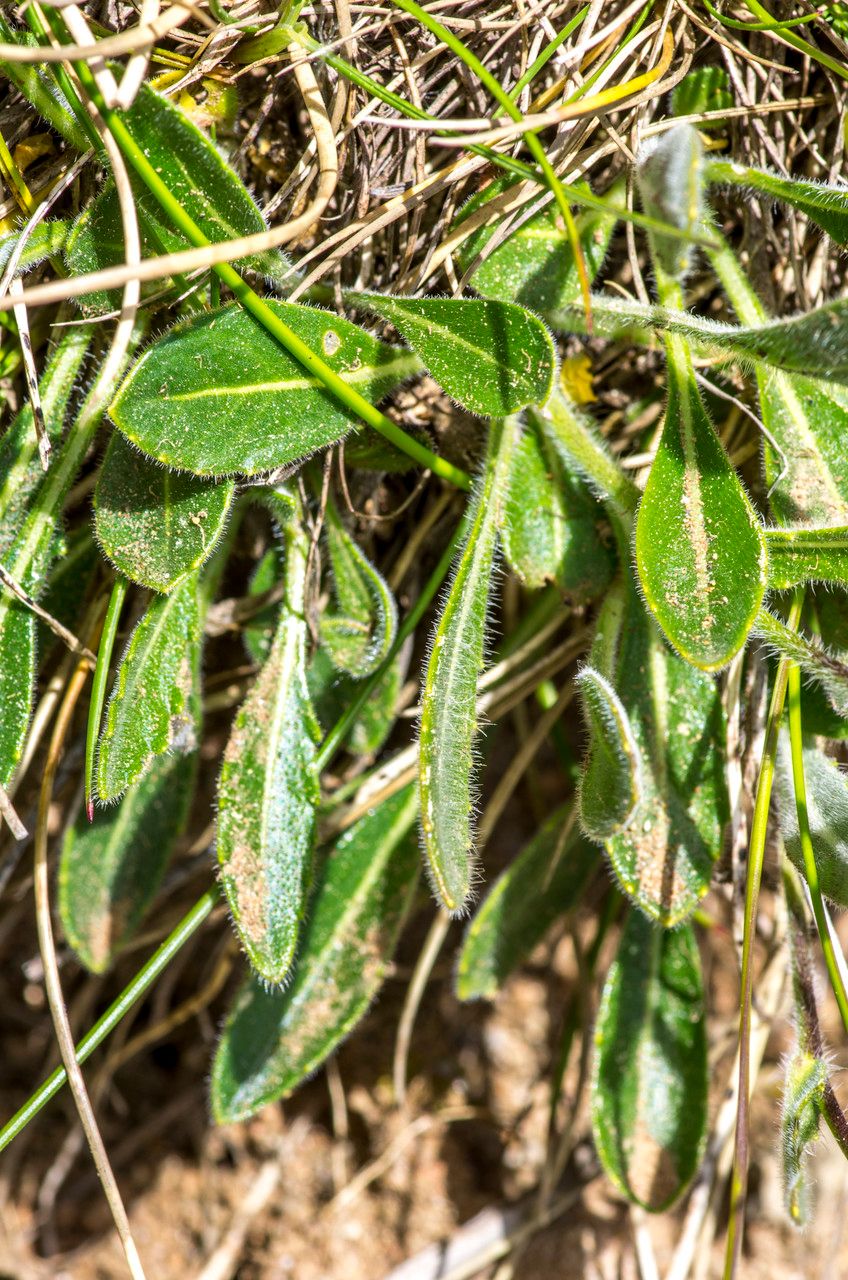
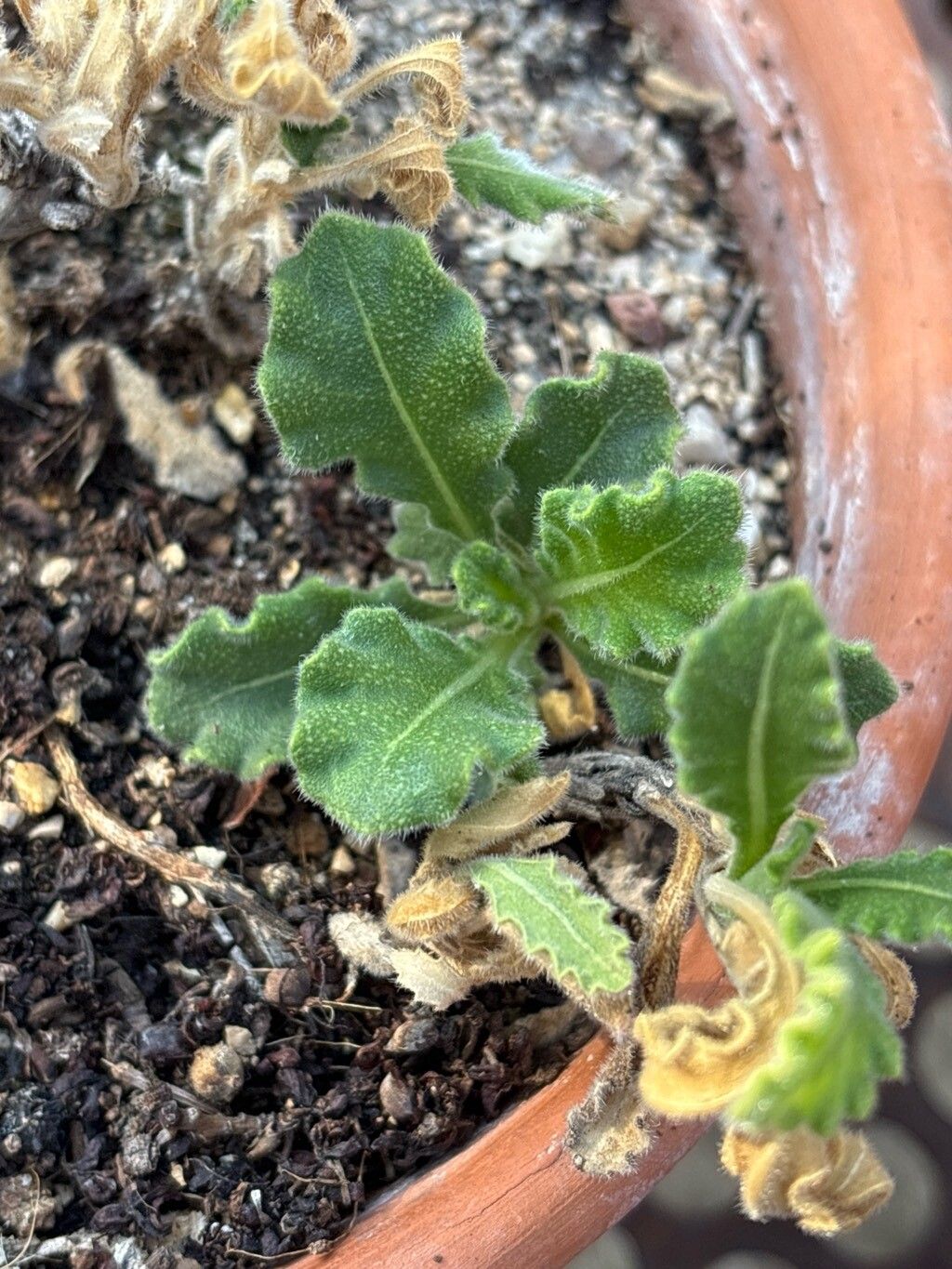
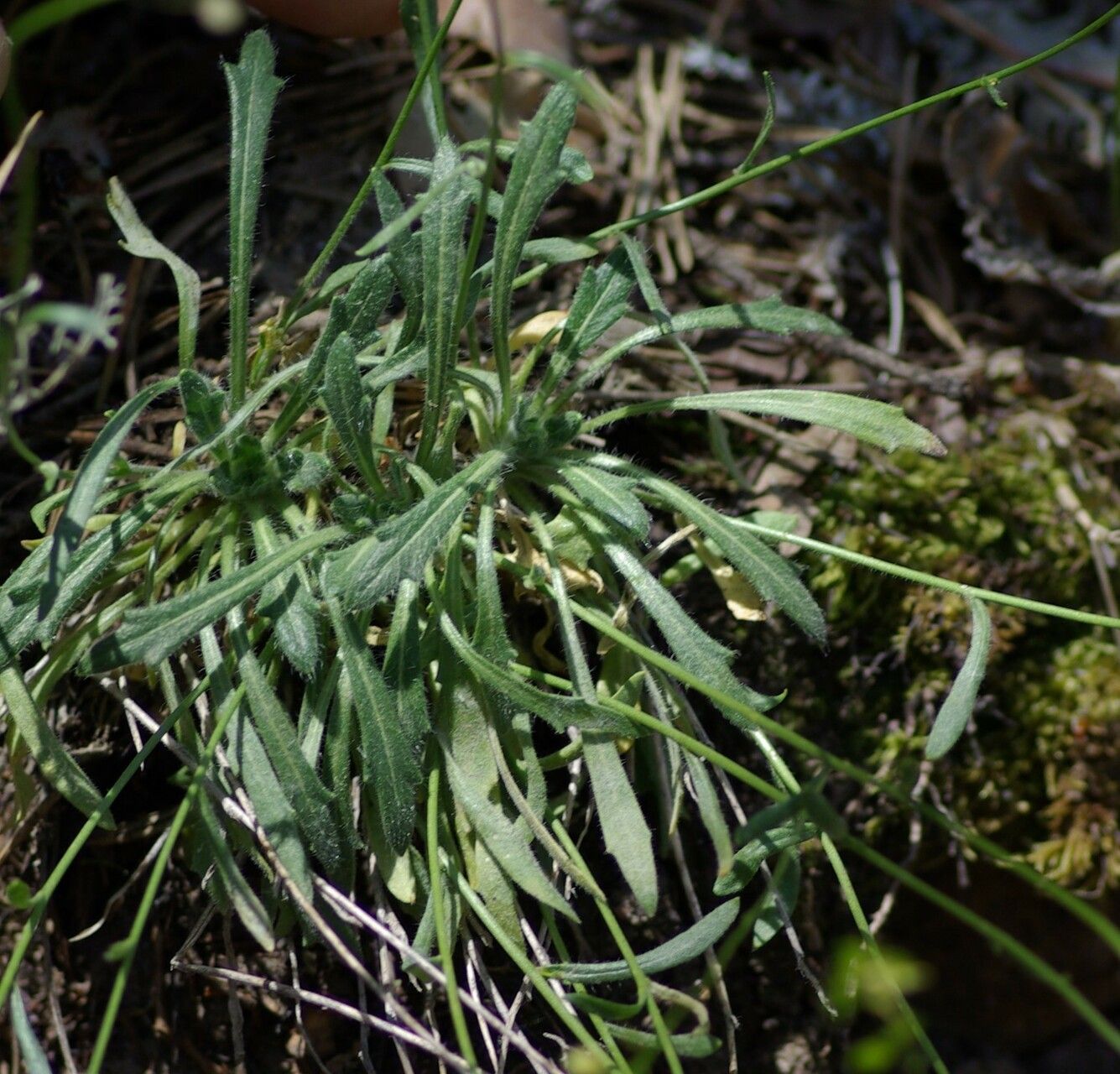
Biscutella didyma, commonly known as buckler mustard, is a species of annual herb in the family Brassicaceae. They have a self-supporting growth form and simple, broad leaves and dry fruit. Flowers are visited by Hebecnema fumosa, nomad bees, syrphid flies, and Chrysotoxum intermedium. Individuals can grow to 4 cm.
Mediterranean buckler-mustard has strong resistance to disease and is generally not prone to illnesses. However, it can be vulnerable to pests and diseases present in its surroundings. Such infections are typically not severe. Regarding care, this plant requires moderate upkeep. Regular pruning is necessary to preserve its appearance and encourage healthy growth. Applying fertilizer can also help promote flowering. Mediterranean buckler-mustard is suitable for people with outdoor spaces, such as a garden or patio, and does not demand extensive care experience. When grown indoors, it may require more attention.
How to keep Biscutella Didyma.
Light
Mediterranean buckler-mustard comes from bright, open habitats where it does best in full sun. It can tolerate partial shade but prefers direct sunlight for optimal growth. This plant, which grows as an annual or a biennial, is noted for its sun-loving habit.
Temperature
Mediterranean buckler-mustard can tolerate a wide span of temperatures, but its distribution may still be restricted by different combinations of moisture and heat. It grows best in warm summer climates with sufficient rainfall or irrigation. Extended periods of cloudy, rainy weather, as well as prolonged high temperatures, can raise the chance of Mediterranean buckler-mustard dying. In winter, adequate protection from cold can increase the plant's survival rate.
Fertilizer
Mediterranean buckler-mustard does well with regular, dilute fertilizer applications to encourage healthy leaf development. Apply fertilizer to Mediterranean buckler-mustard about once a month throughout the summer. Nitrogen is important for the foliage, and adding nitrogen-rich fertilizers supports Mediterranean buckler-mustard growth.
Pruning
To promote healthy growth in Mediterranean buckler-mustard, prune it from early to late spring. This helps by removing dead foliage and seed heads. Make sure your cuts are clean to prevent infection. Regular pruning encourages denser foliage, maintains the plant's compact shape, and enhances its ornamental appeal, all while effectively managing ground cover. For the best results, use sharp, sanitized tools.
Botanical profile.
- Plant Type
- Herb
- Life Cycle
- Annual
- Genus
- Biscutella
- Family
- Brassicaceae
- Hardiness Zone
- 7-10
- Mature Height
- 20 cm to 40 cm
- Mature Spread
- 15 cm to 30 cm
- Leaf Color
- Green, Dark Green
- Leaf Type
- Evergreen
- Flower Color
- Yellow
- Flower Size
- 0.51 cm to 0.76 cm
- Bloom Time
- Early spring, Mid spring
- Planting Time
- Spring, Summer
- Harvest Time
- Late spring, Early summer
Other names.