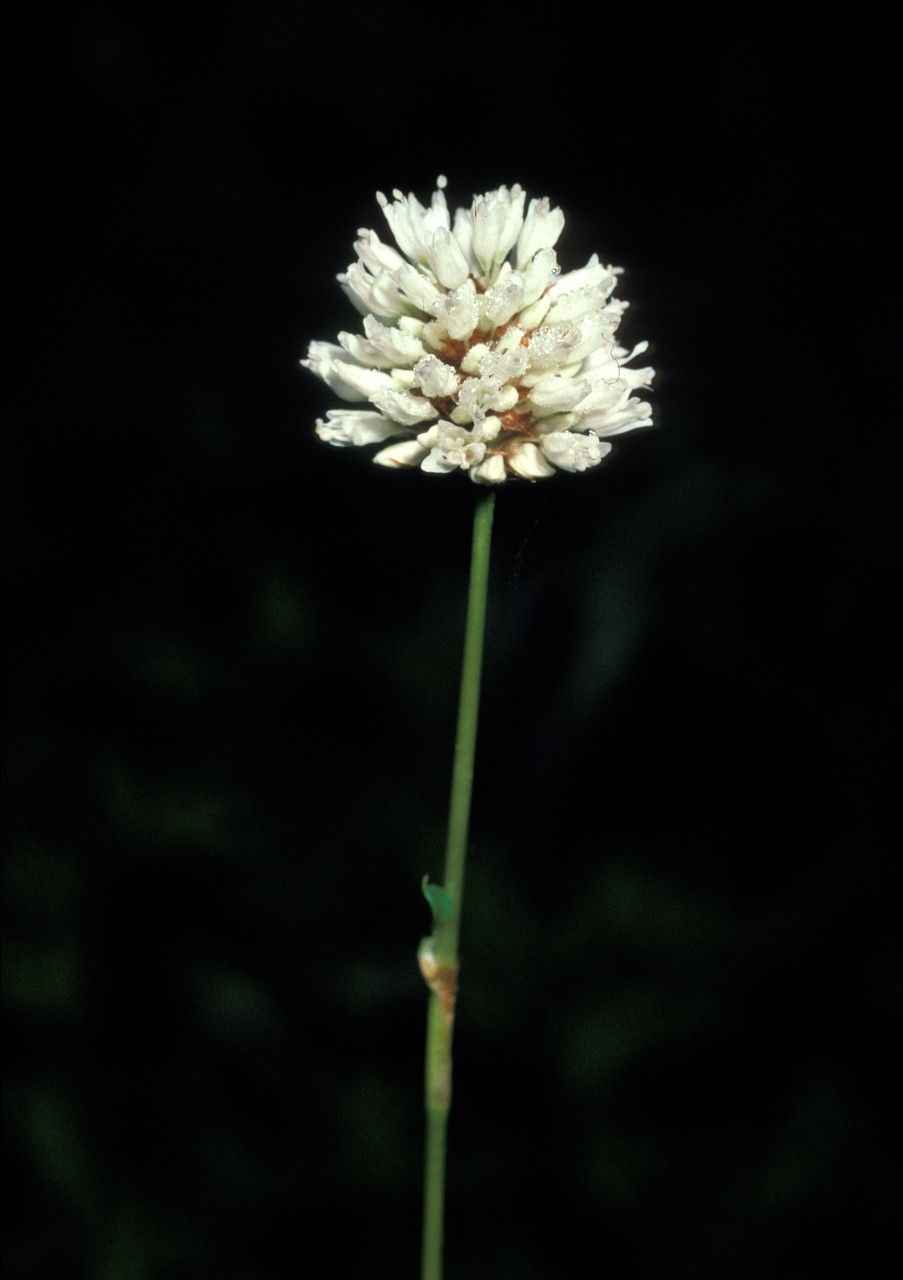
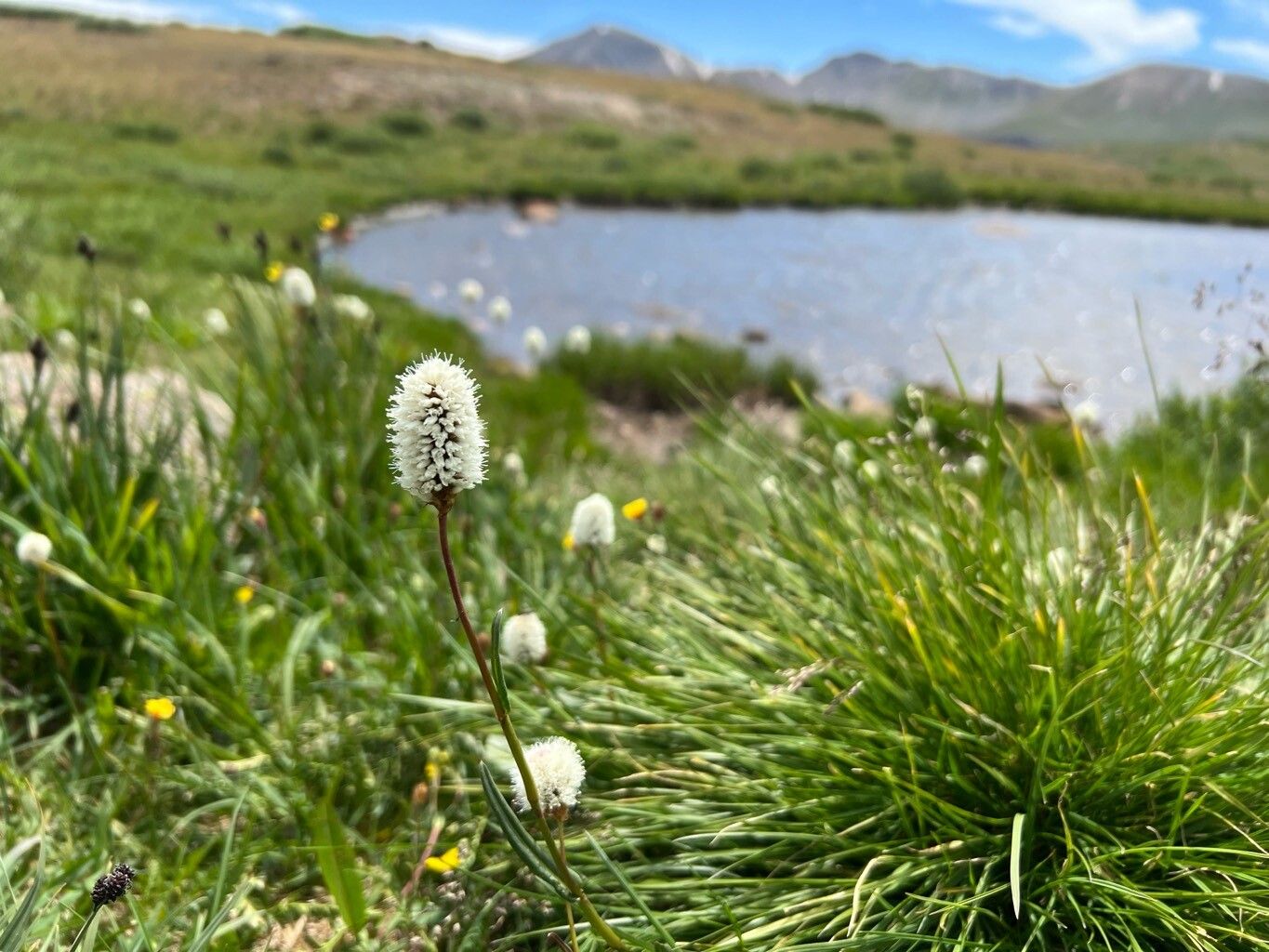
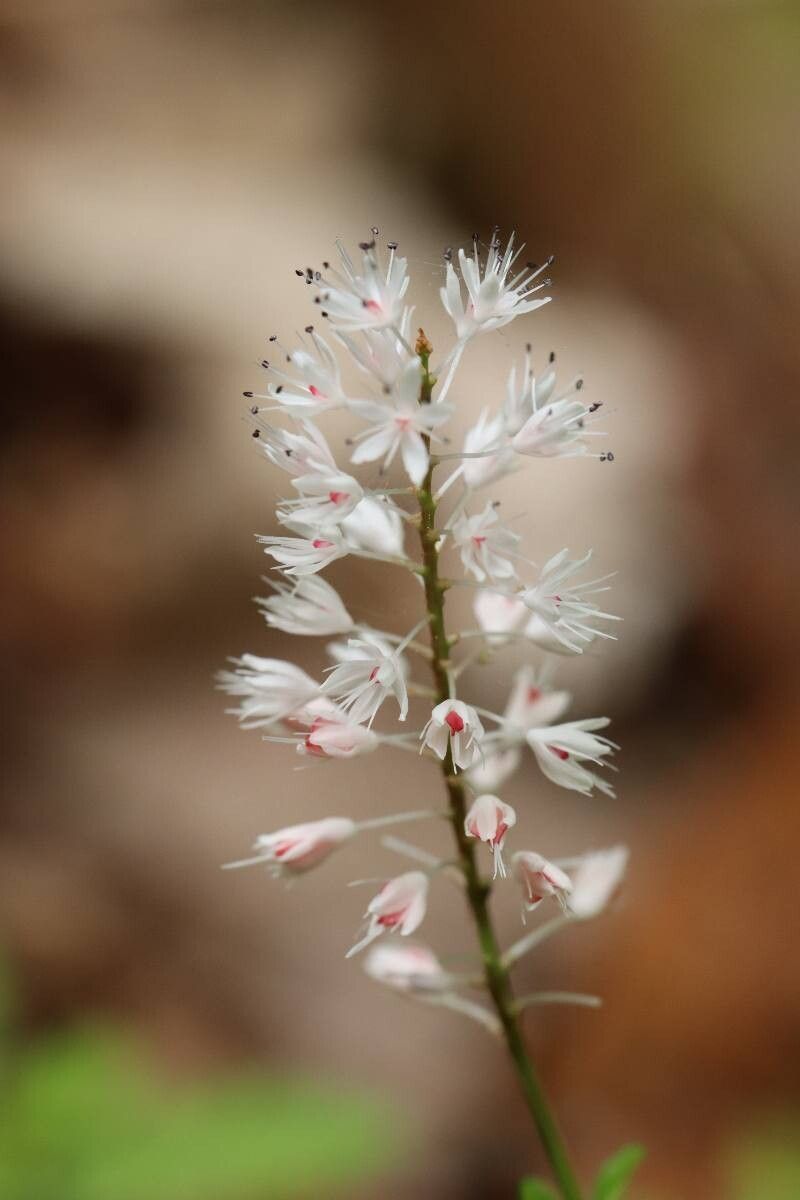
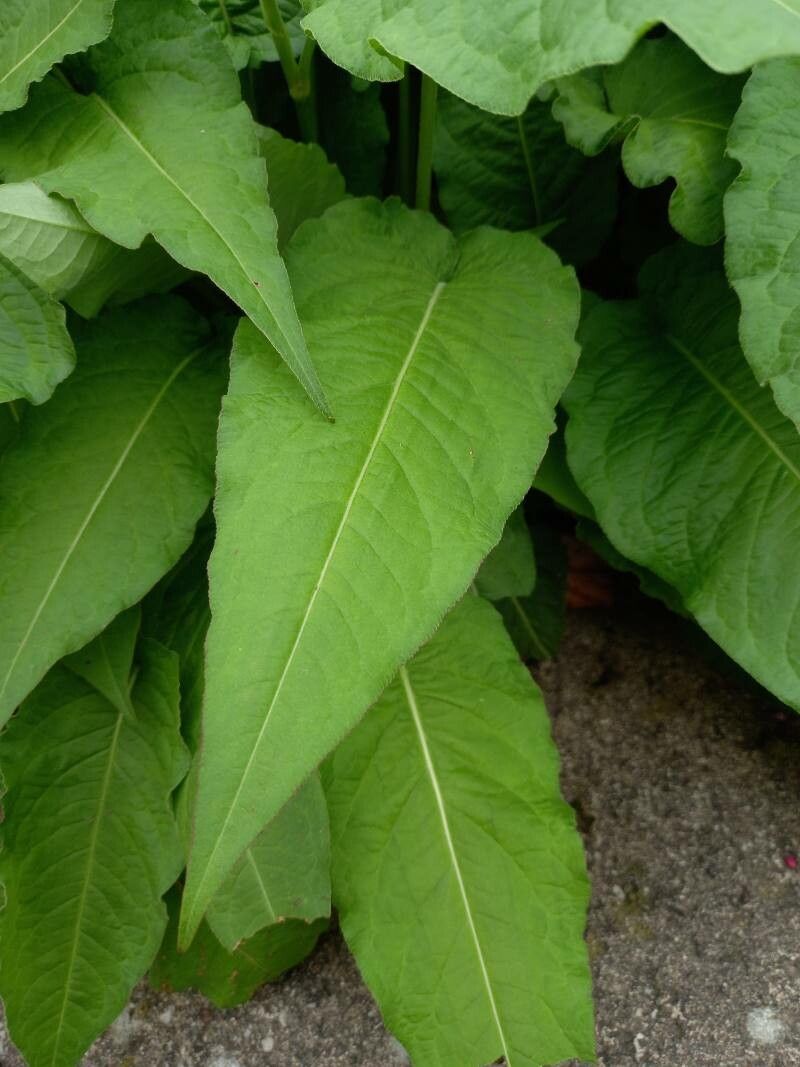
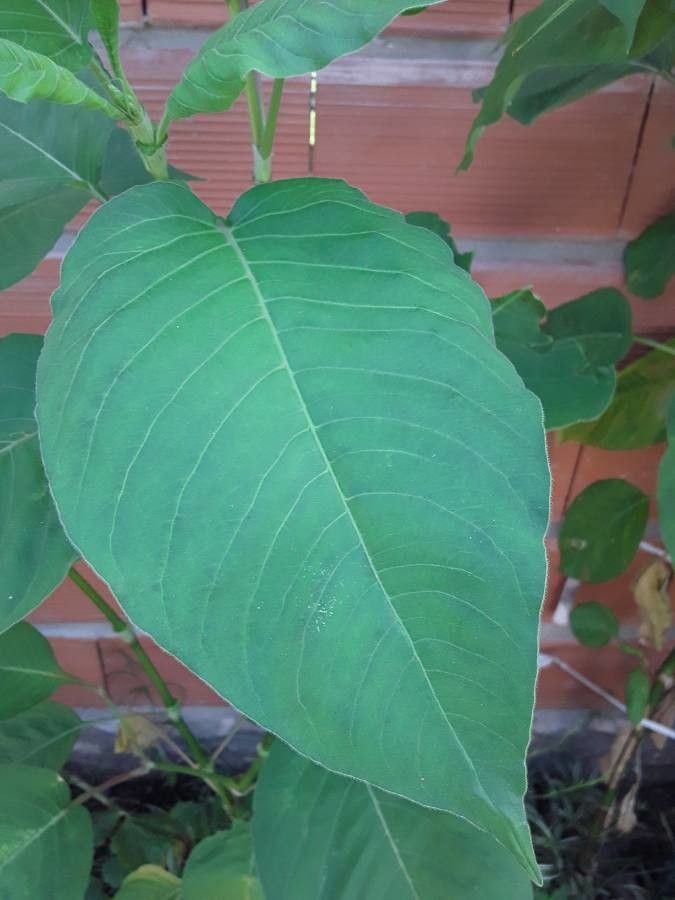
Bistorta bistortoides, commonly called western bistort, is a perennial herb in the buckwheat family. It grows mainly in the western United States, but also extends into small areas of southern Canada and northern Mexico. It is an edible plant that is part of the traditional diet of native peoples.
Dirty socks shows good resistance to disease and is usually not prone to illnesses. However, it can be affected by pests and diseases present in its surroundings. These problems are typically mild. For care, this plant requires moderate maintenance. It should be pruned regularly to keep a neat appearance and support healthy growth. Fertilizing can also encourage flowering. Dirty socks is appropriate for anyone with an outdoor area, such as a garden or patio, and does not demand extensive gardening experience. It may need more attention when grown indoors.
How to keep Bistorta Bistortoides.
Light
Dirty socks is a perennial herb that loves the sun and is native to open environments, often flourishing in meadows and grasslands. It prefers to grow under full sunlight, but it can also survive in conditions of partial sunlight.
Water
Dirty socks, an herbaceous perennial, prefers moist conditions similar to its native alpine meadows but can tolerate short dry spells. For optimal health, it requires weekly watering and thrives outdoors, where it benefits from natural rainfall during its active growing season.
Fertilizer
The optimal period to apply fertilizer to a Dirty socks is during the initial phase of spring, when it transitions from dormancy to a period of active growth. The use of fertilizers provides essential nutrients that aid in its healthy growth. Even though the Dirty socks requires minimal fertilization, carrying out this activity annually improves its lifespan and encourages the growth of higher-quality blooms that last longer.
Pruning
"Dirty Socks is a plant characterized by its large clusters of white or pink flowers and thick, heart-shaped leaves. For optimal growth and appearance, it's important to prune the plant regularly from early to late spring. This practice helps by removing old stems and damaged leaves, which improves both the plant's appearance and air circulation, as well as promoting healthier flowering. Always use clean, sharp tools for pruning to prevent the spread of diseases."
Botanical profile.
- Plant Type
- Herb
- Life Cycle
- Perennial
- Genus
- Bistorta
- Family
- Polygonaceae
- Hardiness Zone
- 3-8
- Mature Height
- 30 cm to 61 cm
- Mature Spread
- 20 cm to 30 cm
- Leaf Color
- Green, Dark Green
- Leaf Type
- Semi-evergreen
- Flower Color
- Pink, White
- Flower Size
- 0.51 cm to 0.76 cm
- Bloom Time
- Early summer, Mid summer
- Planting Time
- Spring, Autumn
- Harvest Time
- Late summer, Early fall
- Native Area
- Mexico
Other names.