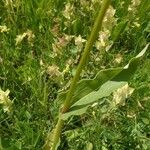
Bistorta officinalis
Common Bistort · Easter-ledges · European bistorta · Bistort · Snakeweed
Description
Source: leafsnapBistorta officinalis (synonym Persicaria bistorta), known as bistort, common bistort, European bistort or meadow bistort, is a species of flowering plant in the dock family Polygonaceae native to Europe and northern and western Asia. Other common names include snakeroot, snake-root, snakeweed and Easter-ledges.
🌳 Although it is commonly found in damp meadows, common bistort also acts as a bioindicator, supplying detailed information about soil conditions, especially levels of heavy metals. Its accumulation of metals such as zinc and copper can be measured to evaluate pollution and environmental health. In this way, the modest plant serves as a natural diagnostic tool that is integral to ecological monitoring and land management strategies.
Care Guide
💧 Water Every 7 days
Common bistort flourishes in moist environments, favoring consistent moisture rather than dry conditions. To keep it properly hydrated, watering once a week is ideal. As an herbaceous perennial, common bistort grows vigorously outdoors during the growing season and benefits from natural rainfall.
How can I water my Common bistort plant in the best way?
To properly water the Common bistort, it's best to use filtered room temperature water. Tap water may contain harmful particles, so filtering it is important. Since the Common bistort is native to warm environments, it's important to avoid using cold water as it can shock the plant. Additionally, overhead watering should be avoided to prevent foliage issues. Instead, gently apply filtered room temperature water directly to the soil until it is completely soaked. This helps to moisten the roots and support their spread through the soil, allowing the plant to gather the necessary nutrients.
What do I do if I give my Common bistort too much or too little water?
Overwatering is a common issue for Common bistort plants and can cause wilting, yellowing leaves, and diseases like root rot, mold, and mildew. Underwatering is less common, but can lead to brittle, brown leaves. It's important to notice signs of overwatering early since some diseases may be irreversible if not addressed promptly. Reduce watering and improve drainage if overwatering is suspected, and increase watering if underwatering is occurring.
How often do I need to water my Common bistort?
If your Common bistort is potted, the most precise way to check if it needs water is to insert your finger into the soil. If the top two to three inches of soil are dry, it's time to water it. If you're growing the Common bistort outdoors in the ground, you can use a similar method. When the top few inches of soil are dry, it's time to water it. Usually, during spring and early fall, watering once a week is sufficient. However, during extremely hot weather, you may need to water it twice a week or more. It's worth noting that a mature and well-established Common bistort has a remarkable ability to withstand drought.
How much water does my Common bistort plant require?
When watering your Common bistort, don't be afraid to give it plenty of water. Wait until the top two to three inches of soil are dry, then water it thoroughly. Make sure the water soaks the entire soil, and add enough so that excess water drains out of the pot's drainage holes. If you don't see excess water draining, you probably didn't give enough water. However, be careful not to let the water accumulate in the soil, as this can harm the plant. On the other hand, if water doesn't drain through the pot, it could indicate poorly draining soil, which is bad for the plant's health. If the plant is outside, it needs about 1 inch of rain per week.
How should I water my Common bistort as it grows?
The water requirements of the Common bistort can vary depending on its growth stages. When the plant is in its early years or when it has just been transplanted, it will need more water than usual. During these stages, the Common bistort devotes a lot of energy to developing new roots, which are crucial for future growth. These new roots perform better when they receive slightly more moisture. As the plant matures over a few seasons, it will require less water. Another growth stage that may require increased watering is during the bloom period. The development of flowers uses up a significant amount of moisture, necessitating additional watering for the Common bistort during this time.
☀️ Light Partial sun
Common bistort favors sites with moderate sunlight and can also perform well in places with more constant sun exposure. However, prolonged intense daily sun can stress the plant and may cause stunted growth and pale leaves.
How much sunlight does Common bistort need to grow?
Common bistort thrives with 3-6 hours of direct sunlight daily, but it also needs shade during the hottest parts of the day to avoid damage. Morning sunlight is optimal, although it can tolerate some afternoon sun as long as it's not too hot. For the right amount of sunlight, consider planting Common bistort in a partially sunny spot like under a tree or on the east side of a building.
What will occur if Common bistort does not receive sufficient sunlight?
Common bistort can experience sun damage if exposed to excessive direct sunlight. This can cause the leaves to turn yellow, dry out, or even burn, potentially resulting in wilting or stunted growth. To avoid this, it is important to provide shade for Common bistort during the hottest periods of the day. You can achieve this by using a shade cloth or planting it near taller plants that offer natural shade.
What will happen if Common bistort gets too much sunlight? What happens if Common bistort gets too much sunlight?
If Common bistort doesn't receive adequate sunlight, it can become tall and thin, with very few leaves. The leaves may also appear yellow or pale green because the plant is not producing sufficient chlorophyll due to insufficient sunlight. To fix this issue, consider relocating Common bistort to a sunnier location or trimming nearby foliage to enable more light to reach the plant.
🌡️ Temperature 0–32.2°C
Common bistort is native to temperature zones ranging from 32 to 90 °F (0 to 32 ℃). It does well in mild, cool weather. To maintain its health, monitor and adjust conditions as the seasons change.
What are the ideal temperature conditions for Common Bistort?
Common bistort thrives in temperature zones that favor a range of 32 to 90 °F (0 to 32 °C). It is well adapted to milder, cold weather conditions, showcasing strong cold resistance. Special frost protection measures are usually not necessary, except in extreme conditions where winter temperatures are expected to drop below -35°C. In such cases, providing cold protection with materials like soil or straw is beneficial. Additionally, it's advised to water the plant abundantly before the first freeze in autumn to ensure the soil remains moist and enters a frozen state, helping to prevent drought and water scarcity during winter and early spring.
How does Common Bistort react to low temperatures?
Common bistort is cold-tolerant and fares best with temperatures above 0°C. However, during winter, ensuring the temperature remains above -30°C is essential. If temperatures fall below -35°C, you might not notice immediate changes during the winter, but there could be a decrease in sprouting or a complete lack of sprouting come springtime. To mitigate any adverse effects, it's recommended to remove any parts of the plant that have failed to sprout in the spring.
What should I do if Common Bistort is exposed to high temperatures?
During summer, it's crucial to keep Common bistort below 32°C. Exposure to temperatures exceeding 35°C can result in the leaves becoming lighter in color, curling, becoming prone to sunburn, and in severe cases, the entire plant might wilt and dry out. To manage this, trim away any sunburned and dried-up parts. Moving the plant to a location that provides shade during the midday and afternoon sun, or creating shade with a shade cloth, can protect it from excessive sunlight. Additionally, watering the plant in the morning and evening to maintain soil moisture can help mitigate heat stress.
💨 Humidity
🪴 Soil 5-7
🌱 Fertilizer
To get the best yield and flavor from Common bistort, provide abundant nitrogen throughout the entire growth cycle, including before planting and at harvest. Keep plants well watered and fertilized to encourage plentiful, healthy leaves and to reduce bitterness. Before planting, improve the soil with organic matter such as compost or manure, preferably 2 to 8 weeks ahead.
Why should I put fertilizer on my Common bistort plant?
Fertilization is important for the Common bistort for a few reasons. Firstly, it provides essential nutrients for the plant's growth both above and below the ground. However, the fertilization needs of the Common bistort are generally low. While it is possible for the plant to survive without fertilization, annual fertilization can be highly beneficial. It helps the plant stay alive and may also improve the quality and longevity of its flowers. Therefore, those who want their Common bistort to thrive should consider regular fertilization.
When should I fertilize my Common bistort plant for the best results?
The best time to fertilize a Common bistort is in late winter to early spring. This is when the plant is coming out of dormancy and starting to grow actively. Fertilizing during this time promotes healthy growth and sets the plant up for a successful season. While early spring is generally the most beneficial time to fertilize, it is also okay to fertilize in the fall. However, it is not recommended to feed the Common bistort in summer or winter.
When is it not a good idea to add fertilizer to my Common bistort?
To properly care for your Common bistort plant, it is important to only fertilize it during late winter and early spring. This plant has low fertilization needs, so one feeding per year is enough. Overfertilizing can be a problem if you continue to fertilize throughout spring, summer, and fall. However, if you missed fertilizing in spring, it is acceptable to feed the plant in the fall. During the majority of the growing season, it is best to refrain from fertilizing. Additionally, fertilizing during winter is not necessary since the Common bistort is in a dormant phase and does not experience new growth.
What kind of fertilizer does my Common bistort plant need?
To effectively fertilize your Common bistort, a general-purpose fertilizer that contains balanced amounts of the three main plant nutrients will suffice. However, there are specific nutrient blends that can provide even greater benefits. Many gardeners recommend increasing phosphorus levels for stronger roots and better flowers, especially since Common bistort is a flowering plant. Whether in granular or liquid form, as long as there is an ample supply of nutrients, any type of fertilizer can be used. In addition to manufactured options, organic methods such as compost and manure can greatly enhance the soil's quality for your Common bistort.
How do I give plant food to my Common bistort?
To fertilize a Common bistort, the most common method is to apply granular or pellet fertilizer to the soil surrounding the plant. It is important to apply the fertilizer when the plant is transitioning from its dormant growth phase to active growth, typically in early spring when shoots emerge from the soil. However, some people may prefer using liquid fertilizer instead. If using liquid fertilizer, it is necessary to dilute it with water before applying. Regardless of the type of fertilizer chosen, it is advisable to moisten the soil prior to fertilization, during the process, and afterwards.
🪴 Pot & Repot Every 12 months
✂️ Pruning
Common bistort is characterized by its pink, bottlebrush-like flowers and requires minimal pruning. The best time to prune is between early and late spring when you can remove any damaged stems and spent flower spikes. This promotes healthy growth. Avoid heavy pruning, as it is important to maintain the plant's natural shape, which enhances its robust, perennial growth and ornamental display.
🌿 Propagating
🐛 Diseases & pets
☠️ Toxicity
Bistorta officinalis has no toxic effects reported.
Characteristics
- Plant Type
- Herb
- Life Cycle
- Perennial
- Genus
- Bistorta
- Family
- Polygonaceae
- Hardiness Zone
- 3-8
- Mature Height
- 61 cm to 91 cm
- Mature Spread
- 91 cm
- Leaf Color
- Green
- Leaf Type
- Deciduous
- Flower Color
- Pink
- Flower Size
- 5.08 cm to 6.35 cm
- Bloom Time
- Late spring, Early summer, Mid summer
- Planting Time
- Spring, Autumn
- Harvest Time
- Mid summer
- Native Area
- Turkey, India, Austria, Bulgaria, Pakistan, Poland, Greece, Morocco, Belarus, Ukraine, China, Russia, Hungary, Iraq, Germany, Portugal, Italy, Spain, Switzerland, Japan, France, Iran, Albania, United Kingdom, Romania, Belgium, Netherlands