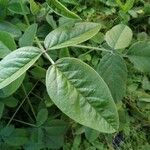
Bituminaria bituminosa
Arabian pea · Arabian scurf-pea · Pitch Trefoil · Scurvypea · Bitumen trefoil
Description
Source: leafsnapBituminaria bituminosa, the Arabian pea or pitch trefoil, is a perennial Mediterranean herb species in the genus Bituminaria. The pterocarpans bitucarpin A and B can be isolated from the aerial parts of B. bituminosa.It has several potential uses: (i) forage crop, (ii) Phytostabilization of heavy metal contaminated or degraded soils, (iii) Synthesis of furanocoumarins (psoralen, angelicin, xanthotoxin and bergapten), compounds of broad pharmaceutical interest. It is easily recognizable by the characteristic smell of bitumen from its leaves. This strong tar-like characteristic aroma appears to be the result of a combination of several substances such as phenolics, sulphurated compounds, sesquiterpenes and probably short-chain hydrocarbon. Total polyphenols content was < 2% and the condensed tannins was <0.8% in a dry weight basis.
Care Guide
💧 Water
The Arabian pea thrives in arid environments and is highly drought-tolerant, needing only weekly watering. It prefers well-draining soil that balances moisture retention and drainage effectively. When grown outdoors, the Arabian pea can adapt to various climates by adjusting its water storage strategies to ensure optimal growth.
How should I water my Arabian pea plant?
To properly water the Arabian pea, it is recommended to use filtered water at room temperature. Tap water may have harmful particles that can affect the plant's health. Since the Arabian pea thrives in warm environments, it is best to avoid cold water as it could shock the plant. It is also advised not to water the plant from above to prevent foliage complications. Instead, thoroughly soak the soil with filtered room temperature water. This method helps moisten the roots, promoting their spread through the soil and aiding nutrient absorption.
What do I do if I give too much or too little water to my Arabian pea plant?
Overwatering is a more common issue for Arabian peas and can cause wilting and yellowing of the leaves. It can also lead to diseases like root rot, mold, and mildew that can kill the plant. Underwatering is less common but can cause brittle and brown leaves. It's important to recognize signs of overwatering early and reduce watering immediately. Checking the soil's draining ability is also essential. If it drains poorly, replace it with a well-draining potting mix. If underwatering is the issue, simply increase watering until the signs improve.
How frequently should I give water to my Arabian pea plant?
If your Arabian pea plant is in a pot, the best way to determine if it needs water is by checking the soil. Stick your finger into the soil and if the first two to three inches are dry, then it's time to water it. If you are growing your Arabian pea plant outdoors in the ground, you can use the same method. When you find that the first few inches of soil have dried out, it's time to water it. Typically, during spring and early fall, watering once a week using this method should be sufficient. However, in extremely hot weather, you might need to water it twice or even more times in a week. It's worth mentioning that mature and well-established Arabian pea plants have a remarkable ability to withstand drought.
How much water does my Arabian pea plant require?
When watering your Arabian pea, be generous with the amount of water you give. Wait until the first two to three inches of soil are dry, and then thoroughly water the plant, making sure to soak the soil completely. You should add enough water to cause excess water to flow out of the drainage holes at the bottom of the pot. If you don't see any excess water draining, it means you haven't watered enough. However, you should also avoid letting water build up in the soil, as this can harm the plant. On the other hand, if water isn't draining well from the pot, it could indicate that the soil doesn't drain properly, which is bad for the plant's health. If the plant is outdoors, it should receive about 1 inch of rain per week, which is enough.
How do I water my Arabian pea during different growth stages?
The water requirements of the Arabian pea vary depending on its growth stages. In the initial years and after transplanting, more water is needed as the plant focuses on developing new roots to support future growth. These roots perform better with slightly higher moisture levels compared to a more mature phase. As the plant matures, it will require less water overall. Additionally, during the bloom period, when the plant is producing flowers, it may need more water to support the development of blooms.
☀️ Light Full sun
The arabian pea tends to thrive in places rich in sunlight. In its natural habitat, it is found where the sun's rays flood the terrain. While it prospers under these conditions, it has little tolerance for areas with reduced light. Excessive exposure can cause stunted growth, while insufficient exposure may lead to poor overall health.
What are the sunlight requirements for the Arabian pea?
The Arabian pea, or Bituminaria bituminosa, thrives in full sun conditions, requiring more than 6 hours of sunlight daily. It's crucial to observe how sunlight moves through your garden to choose spots that offer a balance of light and shade, ensuring the plant's health and happiness. In its natural habitat, the Arabian pea is accustomed to abundant solar rays and does not tolerate low light conditions well, which can lead to poor health or stunted growth.
How does artificial lighting support the growth of indoor Arabian pea plants?
Indoor Arabian pea plants benefit significantly from artificial lighting, especially when natural sunlight is insufficient. Artificial lights, such as LED lights, are ideal for providing the necessary wavelengths of light. These plants require 30-50W/sq ft of artificial light for full sun plants, 20-30W/sq ft for partial sun plants, and 10-20W/sq ft for full shade plants. The light source should be placed 12-36 inches above the plant, mimicking natural sunlight conditions, and be kept on for 8-12 hours per day to ensure optimal growth.
What are the symptoms of poor lighting conditions for Arabian pea plants?
Arabian pea plants exhibit several symptoms when exposed to inadequate lighting, including smaller new leaves, leggy or sparse growth, faster leaf drop, slower or no new growth, lighter-colored new leaves, chlorosis, sunscald, leaf curling, wilting, and leaf scorching. These symptoms indicate that the plant is struggling to adapt to its environment, either by conserving resources or suffering from excessive sunlight exposure.
What solutions can improve the growth of Arabian pea plants in less-than-ideal light conditions?
Improving growth in less-than-ideal light conditions involves several strategies. Indoors, gradually move plants to sunnier locations until they receive at least 6 hours of direct sunlight daily, using south-facing windows for maximum exposure. Consider artificial lighting solutions for plants that are large or not easily movable, keeping lamps on for at least 8 hours daily. Outdoors, adapt plants to sunlight gradually to prevent sunburn. Minimize obstructions by pruning or transplanting to sunnier locations. Remember, while not all parts of the plant affected by insufficient sunlight may recover, new growth should be healthy once light conditions improve.
🌡️ Temperature 15–35°C
Arabian pea is naturally adapted to moderate climates and thrives in temperatures of 59 to 95 °F (15 to 35 ℃). If temperatures fall below or rise above that range, adjust its environment to maintain these preferred conditions.
What is the ideal temperature range for Arabian pea to flourish?
The Arabian pea thrives in moderate climates, with an ideal temperature range between 59 to 95 °F (15 to 35 °C). It's naturally suited to these conditions, flourishing best within this temperature spectrum. As temperatures deviate from this range, adjustments to the plant's environment may be necessary to maintain optimal growth conditions.
Does Arabian pea have any cold tolerance, and how should it be protected from extreme cold?
Arabian pea exhibits some degree of cold tolerance, generally not requiring additional measures when temperatures are above -5°C. However, if temperatures are anticipated to drop below -5°C, it's crucial to protect the plant using temporary measures such as wrapping it with plastic film, fabric, or other protective materials. These protections should be removed as soon as temperatures rise to ensure the plant's wellbeing.
What are the key symptoms of low temperature stress in Arabian pea, and how can it be managed?
Low temperature stress in Arabian pea is indicated by drooping leaves when temperatures fall below -10°C. Mild conditions may allow the leaves to recover, but severe cold will cause wilting and eventual leaf drop. To manage low temperature stress, trim off frost-damaged parts. Before the plant is exposed to low temperatures again, wrap it with non-woven fabric or cloth and construct a wind barrier to shield it from cold winds.
How does high temperature affect Arabian pea, and what are the remedial measures?
High temperatures, specifically above 35°C, can adversely affect Arabian pea. Symptoms include lighter leaf color, dry and withered leaf tips, curly leaves, and increased susceptibility to sunburn when temperatures exceed 41°C. To mitigate these effects, trim away sunburned and dried parts. Relocate the plant to a shaded area during the midday and afternoon sun or use a shade cloth. Additionally, keeping the soil moist by watering the plant in the morning and evening can help manage the stress from high temperatures.
What is the botanical name of Arabian pea?
The botanical name of Arabian pea is Bituminaria bituminosa. It's important to know the botanical name when researching or seeking more information about the plant's care and requirements.
💨 Humidity
🪴 Soil 6-7
🌱 Fertilizer
The best time to fertilize an Arabian pea is in early spring, as it comes out of dormancy and starts active growth. Applying fertilizer supplies essential nutrients for healthy growth. Although the Arabian pea has relatively low fertilization needs, a yearly application can improve its survival and result in better, longer-lasting flowers.
Why should I put fertilizer on my Arabian pea plant?
The leaves of the Arabian pea are crucial for its structure, and fertilization greatly contributes to their appearance and function. By properly fertilizing your Arabian pea, you can ensure that the leaves have consistent color and a healthy texture. Fertilization also benefits the plant beneath the soil's surface by promoting the growth of new roots and maintaining existing ones. This not only keeps the plant healthy in the present, but also enhances its ability to absorb soil nutrients in the future.
When should I fertilize my Arabian pea?
If you choose to grow your Arabian pea outdoors, it will produce new growth in early spring. This is when you should start fertilizing the plant for the year. Usually, one round of fertilizer in the spring is enough for the Arabian pea to thrive. However, if you want to see maximum growth, you can fertilize it multiple times during the spring and early summer. In this case, you can feed the Arabian pea once every month to a month and a half.
When is it not a good time to fertilize my Arabian pea?
During late fall and winter, your Arabian pea enters a dormant phase and stops producing new growth. It is best to avoid fertilizing your Arabian pea during this time. In spring and summer, if you choose to fertilize multiple times, gradually decrease the amount of fertilizer as summer approaches because the growth rate of your Arabian pea will slow down. In general, it is not recommended to fertilize your Arabian pea when the weather is extremely hot or the soil is excessively dry. Fertilizing under these conditions can stress your Arabian pea and lead to premature death.
What kind of fertilizer does my Arabian pea plant need?
Choosing the best fertilizer for an Arabian pea is quite easy. These plants do well with a general-purpose garden fertilizer that contains equal amounts of nitrogen, phosphorus, and potassium. Look for a fertilizer with a ratio of 10-10-10 or something similar for effective results. Avoid fertilizers with high nitrogen content if you're unsure. Granular forms of fertilizer are recommended, preferably slow-release ones that can be easily applied to the soil. Additionally, it's beneficial to feed the Arabian pea with organic soil amendments like compost.
How should I add fertilizer to my Arabian pea plant?
To ensure proper growth of your Arabian pea plant, wait until its first leaves start to emerge from the soil in early spring. Once you notice this, apply a granular slow-release fertilizer with a balanced formula to the soil surrounding the base of the plant. If desired, you can repeat this process later in the season. For reapplication, make sure to focus on the soil at the base of the plant rather than directly on the plant itself. This may involve gently moving some leaves aside to access the soil above the roots. Additionally, it is recommended to water your Arabian pea before and after fertilizing.
🪴 Pot & Repot
✂️ Pruning
The Arabian pea is a hardy perennial plant known for its bushy appearance and aromatic leaves. To maintain its shape and encourage growth, prune it from early to late spring. Be sure to remove any dead stems and thin out crowded areas to improve air circulation. Also, address any leggy growth to promote the plant's health and enhance blooming.
🌿 Propagating
🐛 Diseases & pets
☠️ Toxicity
Characteristics
- Plant Type
- Herb, Shrub
- Life Cycle
- Perennial
- Genus
- Bituminaria
- Family
- Fabaceae
- Hardiness Zone
- 8-10
- Mature Height
- 20 cm to 91 cm
- Mature Spread
- 61 cm
- Leaf Color
- Green, Gray
- Leaf Type
- Evergreen
- Flower Color
- Purple, Lavender
- Flower Size
- 0.51 cm
- Bloom Time
- Late spring, Early summer, Mid summer
- Planting Time
- Spring, Summer
- Harvest Time
- Mid summer