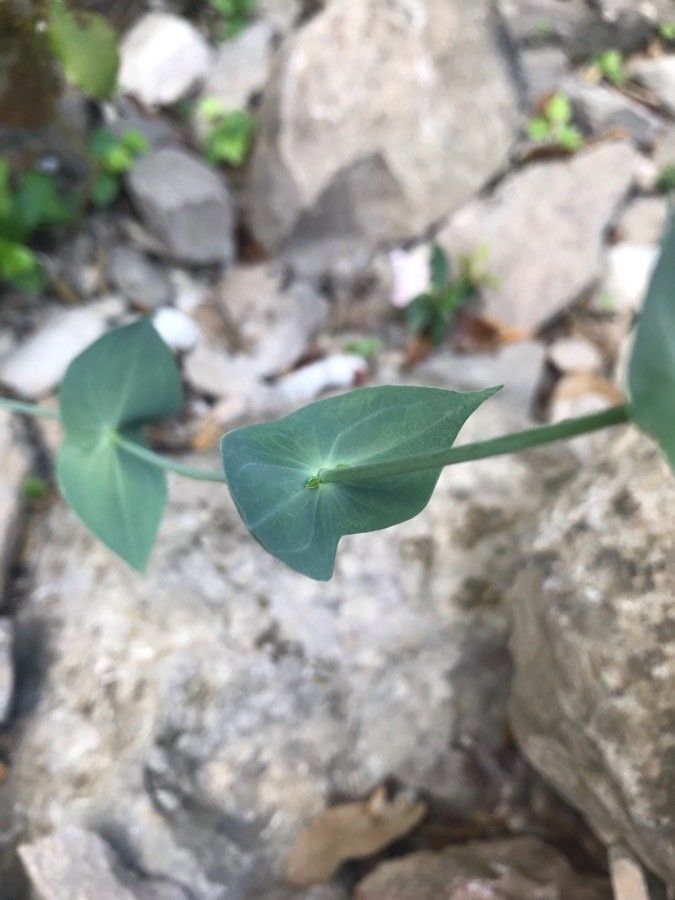
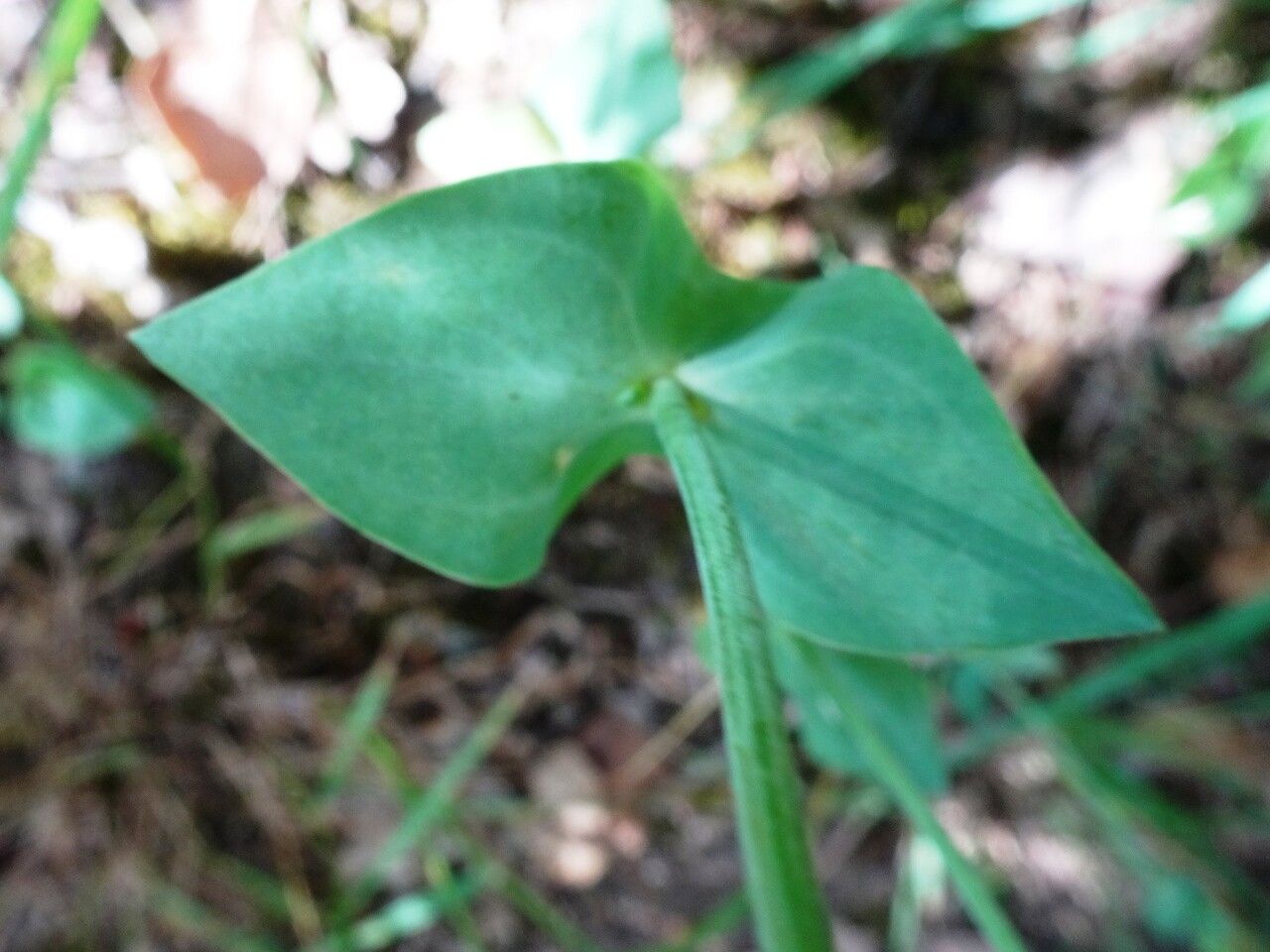
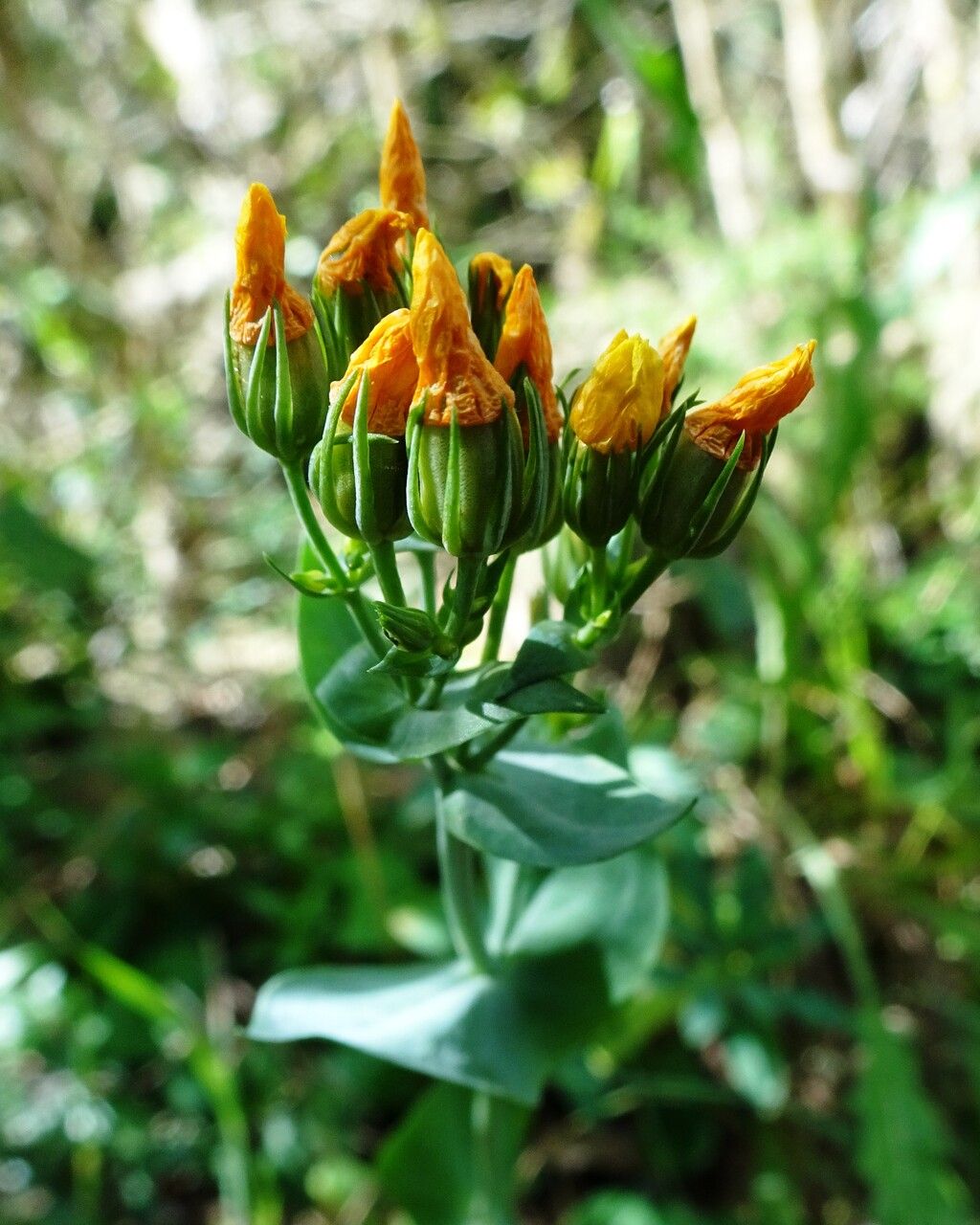
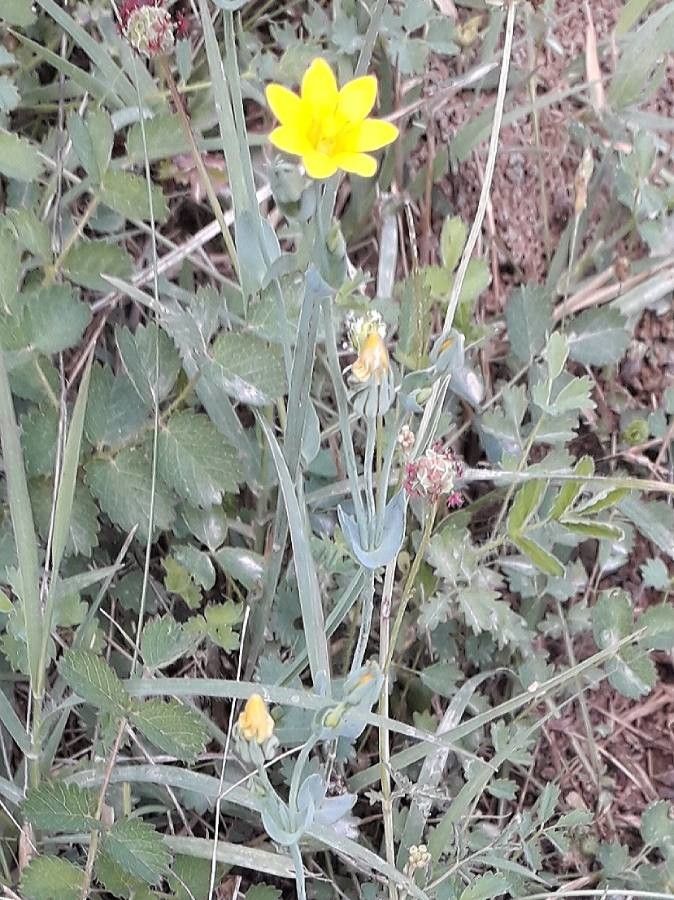
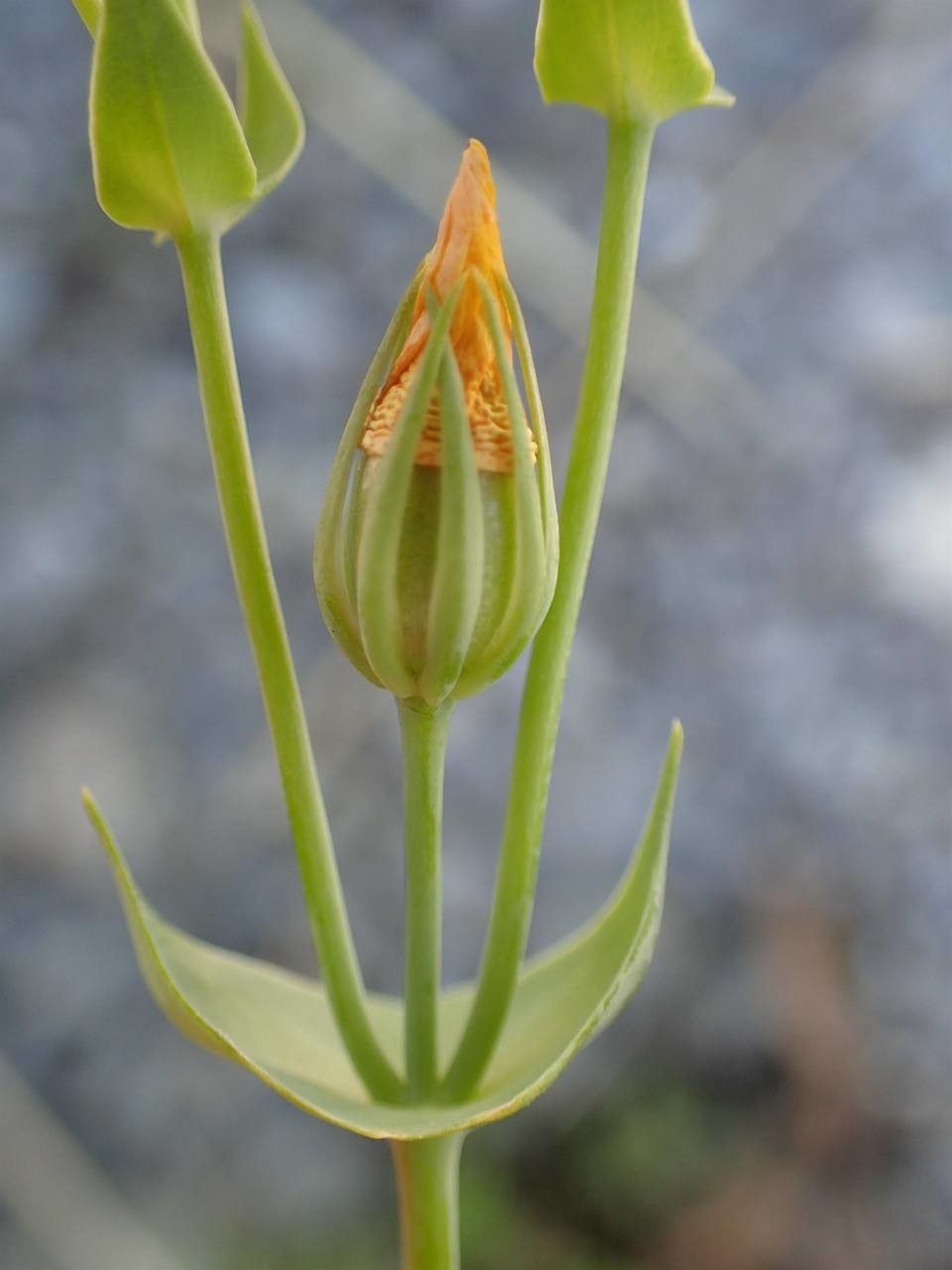
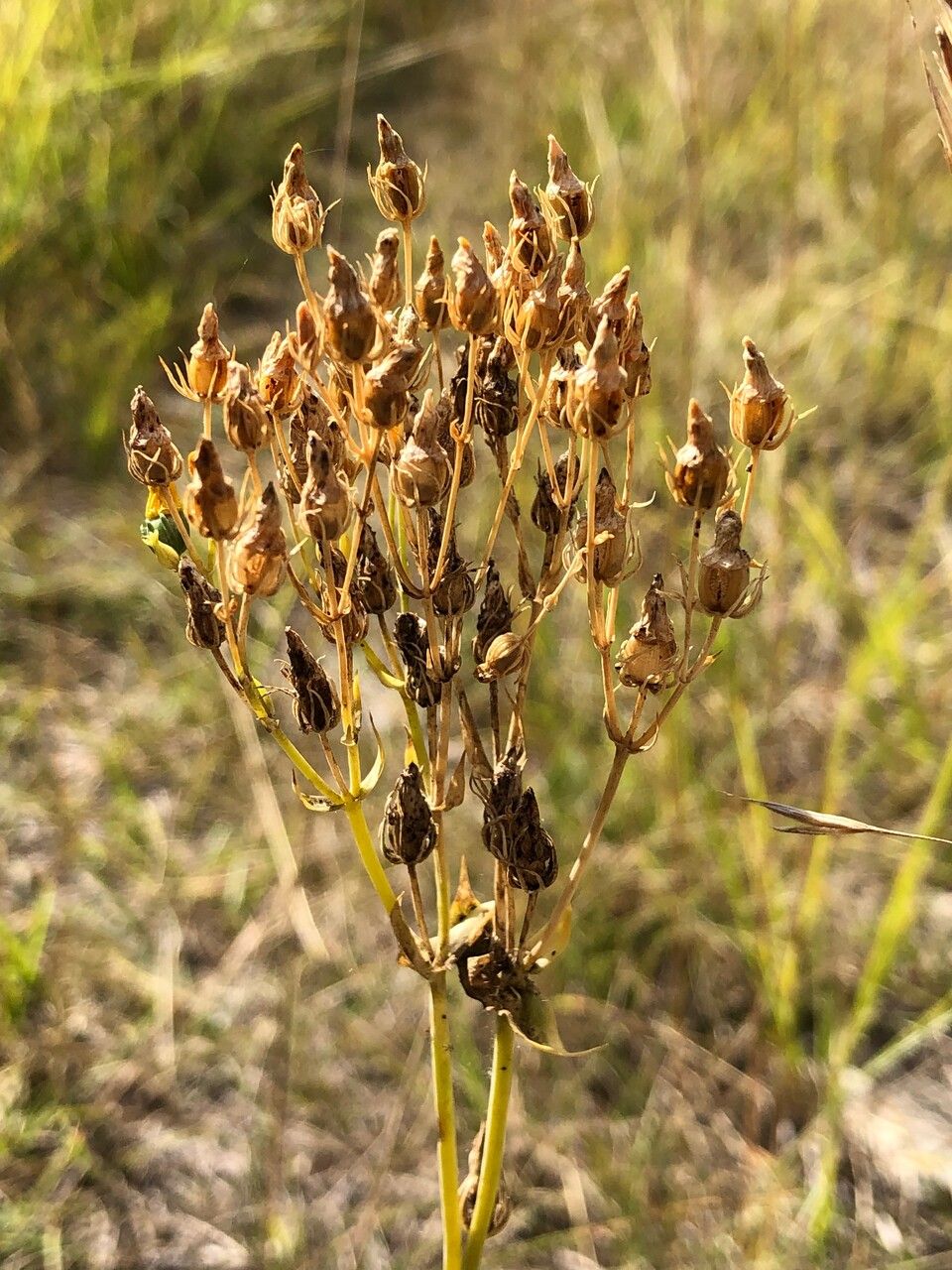
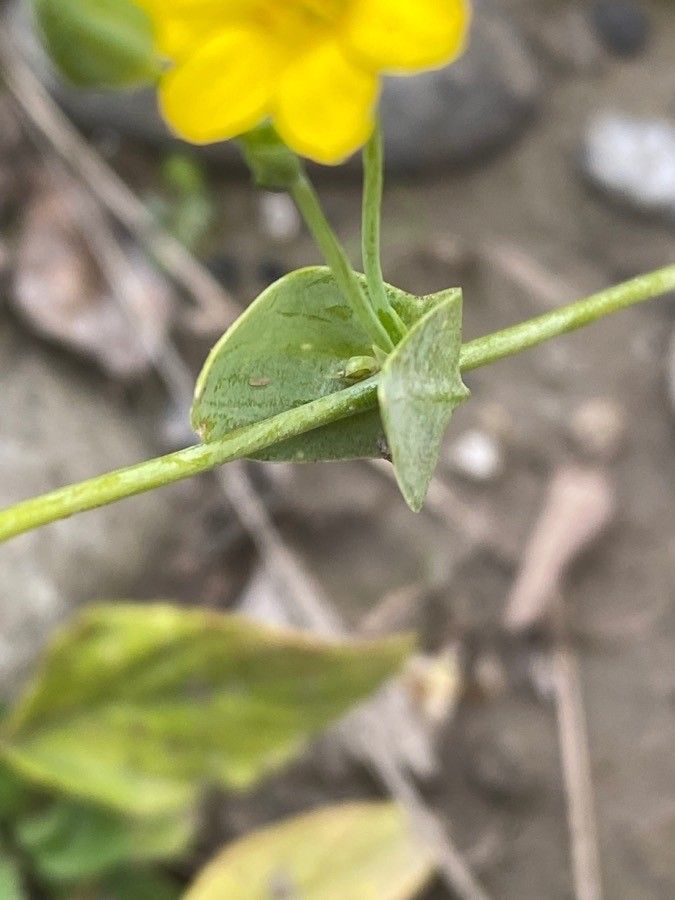
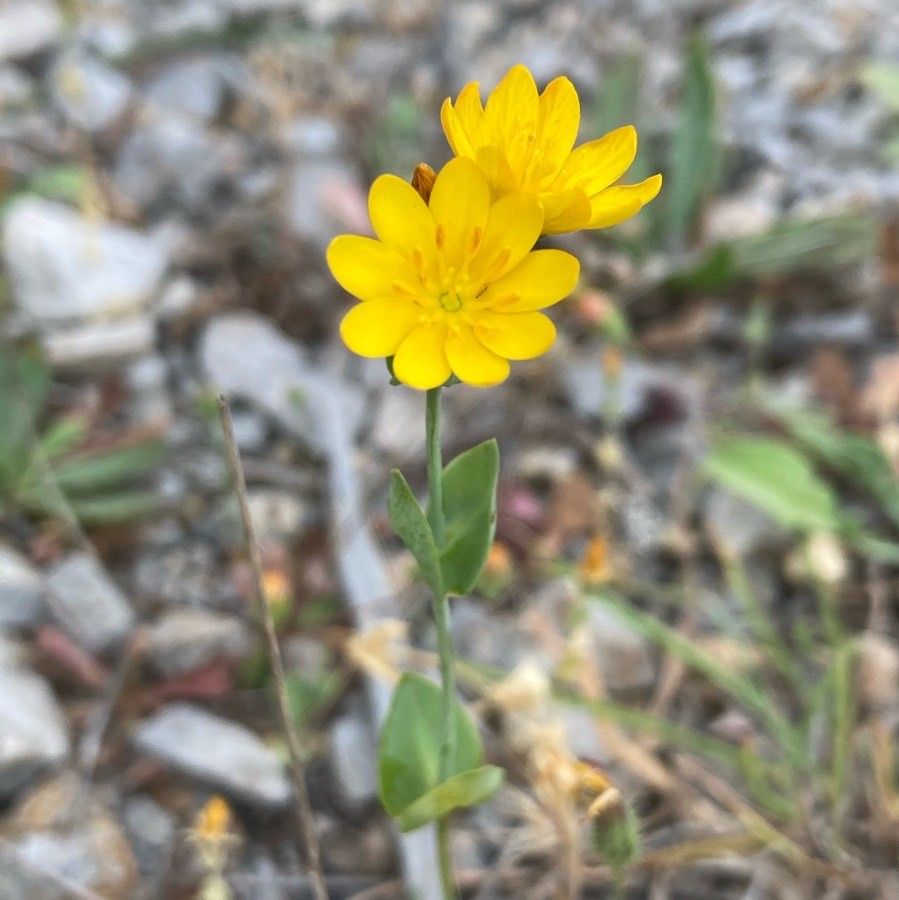
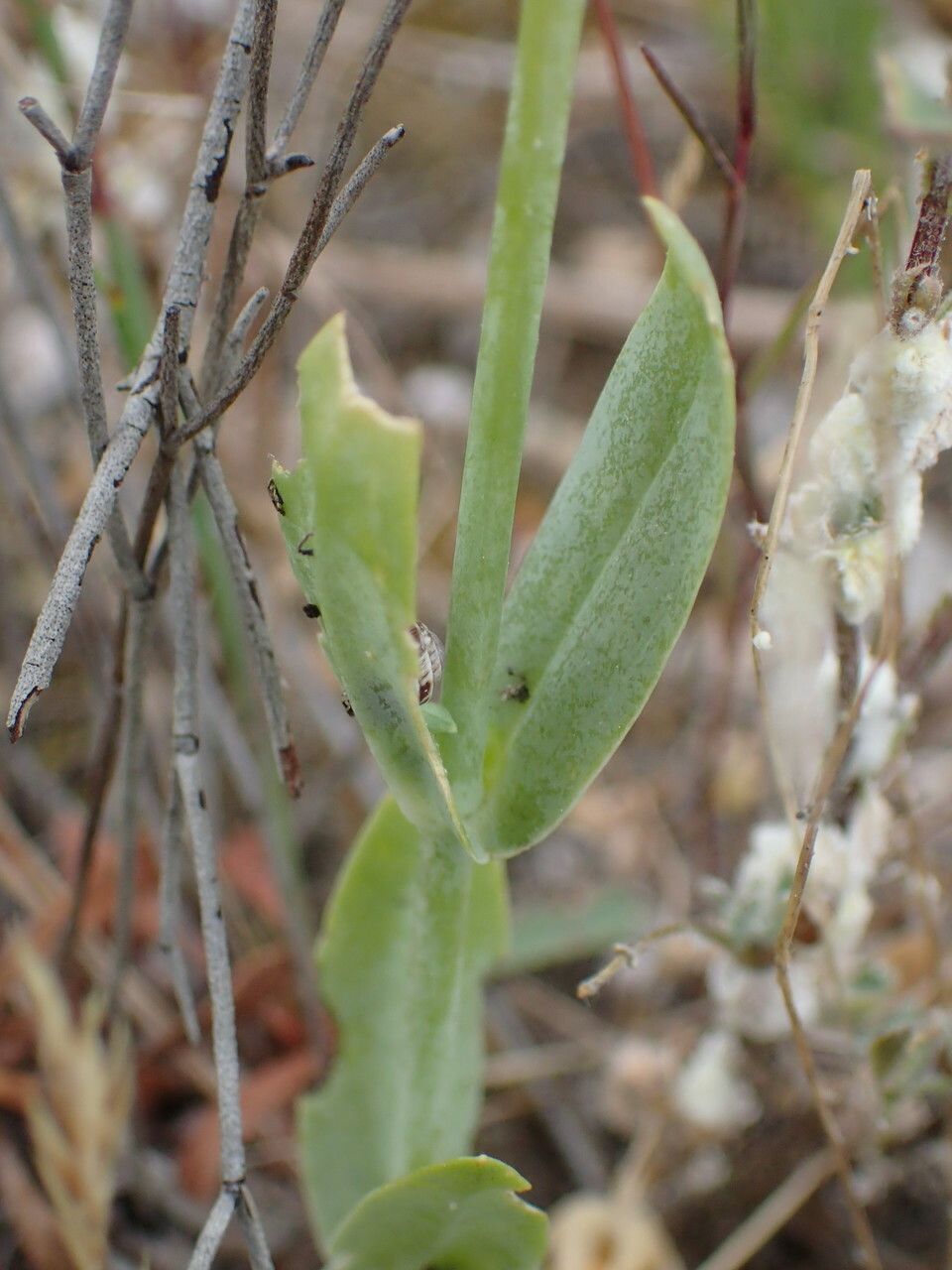
Blackstonia perfoliata, commonly known as yellow-wort, is a herbaceous plant belonging to the Gentianaceae family. Native to Europe, it thrives in dry and rocky habitats such as grasslands, heaths, and cliffs. The plant can grow up to 60 cm tall, featuring a single stem with opposite leaves that are fused at the base, forming a cup-like structure around the stem.
The bright yellow flowers of Blackstonia perfoliata have five petals that are fused at the base, creating a tube-like structure. These flowers bloom from July to September, attracting pollinators like bees and butterflies.
Historically, Blackstonia perfoliata has been used for its medicinal properties, particularly its bitter taste, which aids in digestion. It has also been employed as an antipyretic, or fever-reducing, agent.
This plant is a vital component of many traditional herbal remedies due to its various medicinal properties. However, it is important to note that excessive consumption can result in adverse effects such as nausea or vomiting.
Overall, Blackstonia perfoliata is a fascinating herbaceous plant with a range of uses both medicinally and ecologically in its native European habitat.
Yellow wort is fairly disease-resistant and typically does not suffer from serious illnesses. However, it can be affected by pests and diseases present in its environment. These outbreaks are generally minor. As for maintenance, this plant requires moderate care. It should be pruned regularly to keep a tidy appearance and support healthy growth. Fertilizing can also aid in encouraging blooms. Yellow wort is suitable for anyone with outdoor spaces like a garden or patio and does not need extensive plant-care experience. It may need more attention when grown indoors.
How to keep Blackstonia Perfoliata.
Light
Yellow wort needs an environment well bathed in sunlight to develop strongly. It is adapted to do well under the wide spectrum of sunlight. Keeping it in shaded conditions can cause weak or stunted growth. However, an excessive amount of sunlight does not damage the plant. Its native habitat encourages this type of sunlight exposure.
Water
Yellow wort, which thrives in grasslands, is well-suited to moderate moisture levels and can withstand short dry periods. To maintain a balance between hydration and drainage, it's important to water it weekly. The soil should mimic the periodic wetness of its native habitat, particularly during the active growing season.
Temperature
Yellow wort can tolerate a broad range of temperatures, but its distribution can still be constrained by different combinations of moisture and heat. It grows best in warm summer climates with sufficient rainfall or watering. Extended periods of cloudy, rainy weather, as well as prolonged high temperatures, can raise the risk of Yellow wort dying. In winter, adequate protection from the cold can increase the plant's chances of survival.
Fertilizer
When most of Yellow wort's flowers have fully opened, resume fertilizing. At the peak of bloom production, apply fertilizer once every three to four weeks, weather permitting. Then, when Yellow wort begins to produce fewer new blooms, stop fertilizing; there's no benefit to fertilizing once the plant can no longer produce additional blooms.
Pruning
Yellow wort is known for its yellow flowers and perfoliate leaves. It thrives when pruned from early to late spring. To maintain its health and appearance, remove any dead or diseased stems and lightly trim any overgrown areas to shape the plant and encourage flowering. Be careful to avoid heavy pruning, as this can hinder growth and reduce its visual appeal.
Botanical profile.
- Plant Type
- Herb
- Life Cycle
- Annual, Biennial
- Genus
- Blackstonia
- Family
- Gentianaceae
- Hardiness Zone
- 7-10
- Mature Height
- 10 cm to 49 cm
- Mature Spread
- 5 cm to 20 cm
- Leaf Color
- Light Green
- Leaf Type
- Semi-evergreen
- Flower Color
- Yellow
- Flower Size
- 1.02 cm to 1.52 cm
- Bloom Time
- Summer
- Planting Time
- Spring, Summer, Autumn
- Harvest Time
- Late summer, Early fall, Mid fall
Other names.
Reader questions.
How should I water my Yellow wort plant?
There are several ways to water Yellow wort, such as using a garden hose with a spray nozzle or a watering can. Yellow wort is not too particular about the type of water it receives, so rainwater, tap water, or filtered water are all suitable options. It's best to avoid watering this plant from above to prevent damage to the leaves and flowers and potential diseases. Setting up a drip irrigation system can be a great method for watering Yellow wort because it evenly and directly applies water to the soil. When it comes to watering a container-grown Yellow wort, you can use a cup, watering can, or tap to water the soil directly.
What are the sunlight requirements for Yellow wort?
Yellow wort requires full sun, meaning it needs above 6 hours of sunlight daily to grow robustly. It's essential to observe how sunlight travels through your garden and pick spots that offer a good balance of light and shade, ensuring the plants' wellbeing. This plant thrives under intense sunlight, typical of its natural habitat, and does not suffer from excessive sunlight exposure. However, placing it in overly shaded areas could lead to poor growth.
What should I do if I give too much or too little water to my Yellow wort?
The solution for underwatered Yellow wort is straightforward - just water it more often when you see it needs moisture. However, overwatering can be a more serious problem if not caught early. Overwatering can lead to diseases that cause the plant to decline and die. To prevent this, choose a sunny location with good drainage for your Yellow wort plant. If you overwater a potted Yellow wort, consider changing the pot to one with better drainage and loose soil when repotting.
Can artificial lighting be used for Yellow wort, and how?
Yes, artificial lighting can be utilized for Yellow wort, especially when natural sunlight is insufficient, such as during winter or in less sunny locations. Indoor plants benefit greatly from adequate lighting, encouraging faster and healthier growth. LED lights are recommended due to their ability to offer specific wavelengths needed by plants. Full sun plants require 30-50W/sq ft, partial sun 20-30W/sq ft, and full shade plants 10-20W/sq ft of artificial light. The light source should be placed 12-36 inches above the plant, mimicking the length of natural daylight hours, generally 8-12 hours per day.
How often should I give water to my Yellow wort?
Yellow wort requires regular watering throughout the growing season. In the spring, it's best to water the plant once a week. As the season progresses and becomes warmer, you may need to increase watering to two or three times a week. However, be careful not to exceed this rate as it can harm the Yellow wort. It's important to keep the soil moist but not wet regardless of how often you water. Watering Yellow wort in a pot is slightly different. Potted plants tend to dry out faster, so you'll need to water them more frequently. In most cases, plan to water container-grown Yellow wort a few times per week, compared to just once per week for plants in the ground.
What symptoms indicate Yellow wort is not getting enough light?
Symptoms of insufficient light in Yellow wort include smaller new leaves, leggy or sparse growth, quicker leaf drop, slower or no new growth, paler new leaves, and chlorosis, indicating a lack of chlorophyll. Excessive light can lead to sunscald, leaf curling to minimize water loss, wilting due to excessive transpiration, and leaf scorching. These signs help identify when the plant's light conditions are not optimal.
How much water does my Yellow wort have to have?
Determining how much water to give your Yellow wort can be approached in a few ways. Some gardeners prefer to assess soil moisture by feeling it, aiming to moisturize the first six inches. Another option is to use a fixed measurement, such as two gallons per week, considering factors like heat and soil dryness. However, adhering strictly to these guidelines may result in overwatering if your plant requires less. When growing Yellow wort in a container, a different method is needed. Moistening all dry soil layers is recommended, which can be checked by inserting a finger or observing slight drainage hole trickles.
How can you address light issues for Yellow wort both indoors and outdoors?
To address light issues for Yellow wort, gradually adjust the plant to more sunlight by moving it to a sunnier spot each week until it receives at least 6 hours of direct sunlight. For indoor plants, use a south-facing window or artificial lights for at least 8 hours a day. Outdoors, avoid sudden changes in light intensity to prevent sunburn. If sunlight is blocked, consider pruning trees or transplants to sunnier locations. Note, parts of the plant damaged by insufficient light may not recover, but increasing light exposure can ensure new growth is healthy.
How do I know if I'm giving enough water to my Yellow wort?
Avoiding overwatering your Yellow wort can be a challenge. These plants have deep roots, so it's important to keep the soil moist on a weekly basis. However, Yellow wort is highly prone to root rot and browning if overwatered. Underwatering is less of a concern since these plants can survive without additional watering for some time. But if you wait too long to water them, wilting and dry leaves may occur.
How do I water my Yellow wort all year long?
As the seasons progress, your Yellow wort plant will require more water. In spring, watering once per week should suffice. However, as summer arrives, the heat will increase its water needs, potentially requiring watering up to three times per week. This is especially crucial for Yellow wort plants in containers, as the soil in containers tends to dry out faster in warm weather. In autumn, while the plant is still blooming, it may require slightly less water as the temperature drops and the sun's intensity decreases.
How do I water my Yellow wort when it is at different growth stages?
Throughout the year, yellow wort goes through different growth stages that have varying water requirements. When starting yellow wort from a seed, it's important to provide more water during germination than it will need later in life. Watering regularly to maintain consistent soil moisture is crucial during this phase. Once the plant grows above the soil after a few weeks, it will require slightly less water. Once the yellow wort is fully mature, watering it once per week should be sufficient. However, during flower development, it may be necessary to increase the amount of water slightly to support the process.
What's the difference between watering Yellow wort inside and outside?
Yellow wort plants mostly thrive outdoors for a few reasons. Firstly, they typically grow quite tall, which may be challenging to accommodate indoors. Additionally, Yellow wort requires more sunlight than most indoor environments can offer. If you are able to create a suitable indoor growing space, keep in mind that you may need to water your Yellow wort more frequently compared to an outdoor setting. This is partly because indoor locations tend to be drier, thanks to HVAC units, and also because soil in containers can dry out quickly compared to soil in the ground.