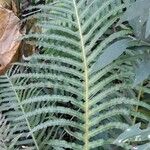
Blechnum occidentale
New World midsorus fern · Hammock fern
Description
Source: leafsnapBlechnum occidentale is a fern in the family Blechnaceae. Its native range is from Mexico through Central America and the Caribbean to tropical South America.Blechnum scaberulum and Blechnum sodiroi have been regarded as separate species, but are now regarded as synonyms of Blechnum occidentale.
Care Guide
💧 Water 2 to 3 times a week
Hammock ferns thrive in humid environments, preferring consistent moisture and high humidity levels. For optimal growth, water them weekly, although they can withstand short periods of dryness. Since indoor conditions can be drier, misting the ferns is helpful to mimic their native habitat and promote vibrant growth.
How should I water my Hammock fern?
To properly water the Hammock fern, it's best to use filtered water at room temperature. Tap water may have harmful particles, so filtering it is important. The reason for using room temperature water is that the Hammock fern is accustomed to warm environments and cold water can be a shock. Avoid overhead watering, as it can cause issues with the foliage. Instead, apply the filtered room temperature water directly to the soil until it is completely soaked. This helps to moisten the roots and allows them to spread and gather nutrients from the soil.
What should I do if I give my Hammock fern too much water or not enough water?
Overwatering is a common problem for Hammock ferns and can cause wilting, yellowing, and diseases like root rot, mold, and mildew. Underwatering is less common but can make the leaves brittle and brown. It's important to notice the signs of overwatering early and reduce watering immediately. Check the soil drainage and replace it if necessary. If underwatering is detected, water the plant more regularly until the signs disappear.
How often do I need to water my Hammock fern?
If your Hammock fern is in a pot, the best way to determine if it needs water is by putting your finger into the soil. If the top two to three inches of soil feel dry, it's time to water it. If you have planted your Hammock fern outdoors in the ground, you can use the same method. Once the top few inches of soil have dried out, it's time to water it. Usually, during spring and early fall, you'll need to water this plant about once a week. But during extremely hot weather, you may need to water it twice a week or even more frequently. However, mature Hammock ferns that are well-established can handle drought conditions quite well.
How much water should I give my Hammock fern?
To properly water your Hammock fern, don't be afraid to give it a generous amount of water. Make sure the top few inches of soil are dry before watering and then thoroughly soak the soil. The water should be enough to cause excess water to drain out of the pot's holes. If you don't see excess water draining, you may have not given enough water. However, be careful not to let water accumulate in the soil as it can harm the plant. On the other hand, if no water is draining, it could indicate poor soil drainage, which isn't good for the plant's health. If the plant is outside, around 1 inch of water from rainfall per week should be sufficient.
How should I water my Hammock fern as it grows?
The water needs of the Hammock fern can vary depending on its growth stages. In the first few years of its life or after transplanting to a new location, it requires more water. During this time, the fern focuses on developing new roots to support future growth, which requires additional moisture. However, as the fern matures, it will require less water. Additionally, during the bloom period, the fern may need more water due to the energy utilized in flower development.
☀️ Light Partial sun
Hammock fern naturally occurs in habitats such as forest understories or rocky areas, where it receives natural shade. It prefers partial sun but can adjust to full sun or full shade, reflecting its versatile and hardy nature.
What are the sunlight requirements for a Hammock fern?
The Hammock fern thrives best in environments similar to its native forest understories or rocky areas, which naturally offer shade. This plant prefers partial sun, receiving about 3-6 hours of sunlight daily, but it can also grow in full shade, where it gets less than 3 hours of sunlight. It's important to monitor the sunlight movement through your garden to find locations that provide the ideal balance of light and shade, ensuring the plants' health and happiness.
How can artificial lighting be used for Hammock fern indoors?
When natural sunlight is insufficient for your Hammock fern, especially in spaces that get less sun in winter, artificial lighting becomes an essential solution to support its growth. LEDs are a preferred option for their ability to be tailored to the specific lighting needs of plants. For full sun plants, aim for 30-50W/sq ft of artificial light; partial sun plants need 20-30W/sq ft; and full shade plants should have 10-20W/sq ft. Proper placement is crucial, so position the light source 12-36 inches above the plant to mimic natural light conditions. Additionally, ensure that your Hammock fern receives 8-12 hours of light per day, adjusting based on its specific needs.
What are the symptoms of insufficient light in Hammock fern?
When a Hammock fern doesn't get enough light, especially indoors, it may show several symptoms. These include smaller new leaves, leggy or sparse growth, a faster rate of leaf drop, slower or halted new growth, paler new leaves indicating a lack of chlorophyll, and conditions such as chlorosis (leaves turning yellow), sunscald, leaf curling, wilting, and leaf scorching. These symptoms point to the plant striving to adapt to inadequate light conditions, impacting its health and appearance.
How can I address Hammock fern's light-related issues?
To mitigate light deficiencies in Hammock fern, gradually introduce it to more sunlight, aiming for 3-6 hours of direct exposure daily, to adapt without stress. Use artificial light as a supplemental source, keeping grow lights or standard lamps on for at least 8 hours a day if the plant is not easy to move. For outdoor plants, move them gradually to sunnier spots, avoiding sudden exposure that can cause sunburn. If physical barriers like trees block sunlight, consider pruning to allow more light through. For small plants, transplanting during their dormant period, in late winter or early spring, to sunny spots with good drainage can be beneficial. Note that while damaged parts may not recover, new growth should be healthy with enhanced light conditions.
🌡️ Temperature 15–37.8°C
Hammock fern comes from tropical areas, where the weather is generally warm and humid. Because of this, it is well suited to high temperatures and humidity. It does not tolerate sudden temperature changes and prefers a steady temperature, so avoiding fluctuations indoors is important. It usually cannot withstand cold temperatures and requires higher temperatures to grow. If the ambient temperature falls too low, the plant may stop growing or even die.
What is the botanical name of Hammock fern?
The botanical name of Hammock fern is Blechnum occidentale.
💨 Humidity
🪴 Soil 6-7
🌱 Fertilizer
The hammock fern needs the most fertilizer during its active growth period, which falls mainly in spring, summer, and early fall. Fertilizing supplies essential nutrients the soil may lack, supporting healthy root and stem growth and enhancing the plant’s attractive foliage, a key feature of this species.
🪴 Pot & Repot
✂️ Pruning
The hammock fern, known for its lush, arching fronds, thrives in humid environments. To keep it healthy and looking its best, regularly prune any dead or damaged fronds, ideally from early to late spring. Always use sterilized tools to prevent infection, and consult trusted horticultural guides for the most effective pruning practices.
🌿 Propagating
🐛 Diseases & pets
☠️ Toxicity
Characteristics
- Plant Type
- Herb
- Life Cycle
- Perennial
- Genus
- Blechnum
- Family
- Aspleniaceae
- Hardiness Zone
- 8-11
- Mature Height
- 30 cm to 61 cm
- Mature Spread
- 30 cm to 61 cm
- Leaf Color
- Green, Dark Green
- Leaf Type
- Deciduous
- Planting Time
- Spring, Summer, Autumn
- Native Area
- Belize, Honduras, Mexico, Guatemala, Peru, Panama, Jamaica, Colombia, Cuba, Bolivia, Venezuela, Guyana, El Salvador, Nicaragua, Brazil, Ecuador, Costa Rica