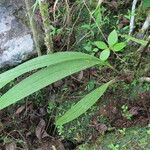
Bletia purpurea
Pine pink · Pine pink orchid
Description
Source: leafsnapBletia purpurea, commonly known as the Purple Bletia, is a species of orchid native to the Caribbean and Central America. This terrestrial orchid can reach up to 60 cm in height and is known for its striking purple flowers adorned with yellow markings. The plant's long, narrow leaves can grow up to 30 cm in length. Preferring moist soil and partial shade, Bletia purpurea is well-suited for gardens in tropical regions. It blooms from late spring through early summer, attracting pollinators such as bees, butterflies, and hummingbirds with its sweet fragrance. Indigenous people have used Bletia purpurea for its anti-inflammatory properties. Additionally, its ornamental value due to its attractive flowers makes it a popular choice among gardeners seeking an exotic touch for their gardens or homes.
Care Guide
💧 Water Every 7 days
Pine-pink thrives in high humidity and consistent moisture, so it's important to water it weekly to keep the soil adequately hydrated. While it can tolerate some drought, it does best outdoors where it can benefit from natural rainfall. During its active growing season, it's crucial to monitor soil moisture because the plant's growth relies heavily on having enough water.
☀️ Light Partial sun
Pine-pink is native to habitats like forest understories and rocky areas, where it grows in natural shade. It prefers partial sun but can tolerate full sun or full shade, showing its versatile and hardy nature.
What are the sunlight requirements for Pine-pink?
Pine-pink (Bletia purpurea) thrives best in partial sun, receiving about 3-6 hours of sunlight daily, but it can also adapt to full sun conditions, which involve receiving sunlight for more than 6 hours a day. Its native environments, such as forest understories or rocky areas, predispose it to tolerate full shade, making it a versatile plant in terms of sunlight adaptability. Ensuring that your garden provides the correct balance of light and shade can significantly impact the plant's health and growth, thus mimicking its natural habitat for optimal development.
How do I use artificial lighting for Pine-pink indoors?
When natural sunlight is insufficient, especially during winter or in less sunny spaces indoors, artificial lighting can be a reliable substitute for Pine-pink. Adequate lighting is essential for optimal growth. LED lights are recommended for their ability to be customized to provide specific wavelengths needed by plants. For full sun plants, 30-50W per square foot is suitable; partial sun plants require 20-30W per square foot, and full shade plants do well with 10-20W per square foot. The artificial light source should be positioned 12-36 inches above the plant, simulating natural sunlight as closely as possible. Additionally, most plants benefit from having 8-12 hours of light per day, which helps mimic natural daylight hours and promotes healthier growth.
What are the symptoms of insufficient light for Pine-pink?
Pine-pink shows several symptoms when it doesn’t receive enough light. These include smaller new leaves, leggy or sparse growth, faster leaf drop, slower or no new growth, and lighter-colored new leaves. These symptoms indicate the plant's struggle with adapting to low light, as it shifts energy towards survival rather than growth. Additionally, chlorosis, sunscald, leaf curling, wilting, and leaf scorching can afflict the plant due to improper light levels. These signs reflect the plant’s attempt to conserve resources or its adverse reactions to excessive sunlight in some instances.
What solutions are available for managing light conditions for Pine-pink?
To optimize Pine-pink's growth in varying light conditions, consider gradually acclimating the plant to its ideal light exposure. For those kept indoors, progressively moving them to sunnier areas until they achieve 3-6 hours of direct sunlight or using artificial lighting like desk lamps or professional grow lights for at least 8 hours a day can be beneficial. Outdoors, plants should be moved to sunnier spots weekly to avoid shock from sudden light intensity changes. If sunlight is obstructed, consider pruning nearby trees or, for smaller plants, transplanting during their dormant period to spots with better sunlight and drainage. Remember, while some parts of the plant may not recover from light deficiency, new growth should thrive under improved conditions.
🌡️ Temperature 20–37.8°C
Pine-pink does well in warm conditions. It grows best at moderately high temperatures, but not in excessively hot or humid weather. Sunlight helps warm the plant and encourages flowering. However, long periods of direct sun in summer can cause sunburn, so it's important to limit the amount of sunlight it receives during that season. The plant typically copes poorly with cold, so it needs proper protection and warmer conditions in winter to prevent freezing.
💨 Humidity
🪴 Soil 5-6
🌱 Fertilizer
Correct fertilization is essential for Pine-pink's health and appearance. Fertilize Pine-pink during the summer, repeating the application monthly throughout the season. Nutrients support growth and sustain the plant’s parts. Fertilizing improves Pine-pink's flower display, helping produce the best blooms.
🪴 Pot & Repot
✂️ Pruning
The Pine-pink is a terrestrial orchid known for its striking purple flowers. To promote healthy growth and improve air circulation, prune the plant between early and late spring by removing any dead leaves. Be sure to use sterilized tools to avoid contamination. For more detailed care instructions, refer to gardening guides.
🌿 Propagating
🐛 Diseases & pets
☠️ Toxicity
Characteristics
- Plant Type
- Herb
- Life Cycle
- Perennial
- Genus
- Bletia
- Family
- Orchidaceae
- Hardiness Zone
- 9-11
- Mature Height
- 30 cm to 46 cm
- Mature Spread
- 30 cm
- Leaf Color
- Light Green
- Leaf Type
- Deciduous
- Flower Color
- Purple, Pink
- Flower Size
- 2.54 cm to 5.08 cm
- Bloom Time
- Spring, Summer
- Planting Time
- Spring, Summer, Autumn
- Harvest Time
- Summer, Fall
- Native Area
- Belize, Honduras, Mexico, Guatemala, Peru, Panama, Jamaica, Colombia, Bahamas, Cuba, Venezuela, Guyana, El Salvador, Nicaragua, Brazil, Ecuador, Costa Rica