Boerhavia diffusa
Red spiderling · Spreading hogweed · Tarvine · Creeping spiderling · Hogweed
Description
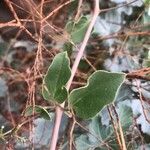
Source: leafsnapBoerhavia diffusa, commonly known as Punarnava, is a perennial herb belonging to the Nyctaginaceae family. Native to India, it is also found in other parts of Asia, Africa, and America. The plant can grow up to 1 meter in height and has a spreading habit with numerous branches. The leaves of Boerhavia diffusa are simple, alternate, and ovate, measuring 2-6 cm in length. The flowers, which bloom from June to September, are small and can be pink or white with five petals. The fruit is small and contains numerous seeds. For centuries, Boerhavia diffusa has been utilized in traditional medicine due to its various medicinal properties, such as anti-inflammatory, diuretic, anti-diabetic, and anti-cancer effects. It has been used to treat a wide range of ailments, including asthma, coughs, colds, fever, urinary tract infections, liver disorders, and skin diseases. The plant contains several bioactive compounds, such as punarnavine alkaloids, known for their potent antioxidant properties. These compounds have also shown promising results against cancer cells by inducing apoptosis (programmed cell death). Overall, Boerhavia diffusa is an important medicinal plant with significant potential for the development of new drugs to treat various diseases.
Care Guide
💧 Water Every 7 days
Native to tropical climates, the red spiderling flourishes in high-moisture environments but can withstand short periods of drought. To ensure optimal foliage and flowering, regular watering is crucial—ideally on a weekly basis—with more frequent watering during its active growth phase. This versatile herbaceous perennial is suitable for both indoor and outdoor settings.
How should I water my Red spiderling plant?
When watering the Red spiderling, it's best to use filtered water at room temperature. Filtered water is preferred because tap water may have harmful particles. It's important to use room temperature or slightly warm water because the Red spiderling is used to a warm environment and cold water can shock it. Additionally, avoid overhead watering as it can cause problems with the foliage. Instead, apply your filtered room temperature water directly to the soil until it is completely soaked. This helps the roots of the plant stay moist and spread more easily through the soil to collect the necessary nutrients.
What should I do if I give too much or too little water to my Red spiderling?
Overwatering is a common issue that can harm your Red spiderling. It causes wilting and yellowing of the stems and leaves, and can lead to diseases like root rot, mold, and mildew. Underwatering is less likely, but still possible. In this case, the leaves will become brittle and brown. It's important to notice the signs of overwatering early on. If you see any signs, reduce your watering schedule and check the soil's draining ability. If the soil drains poorly, replace it with a loose, well-draining potting mix. If your Red spiderling is receiving too little water, simply water more regularly until the signs subside.
How much should I water my Red spiderling?
If your Red spiderling plant is in a pot, the best way to determine if it needs water is to check the moisture level of the soil. Simply stick your finger into the soil and if you find that the top two to three inches are dry, it's time to water it. If you have your Red spiderling growing outdoors in the ground, you can use a similar method to test the soil. Again, check the first few inches of soil and if it's dry, it's time to water. During the spring and early fall, following this method will usually result in watering the plant about once a week. However, in extremely hot weather, you may need to increase the frequency to twice a week or more. It's worth noting that mature and well-established Red spiderling plants have a remarkable ability to withstand drought.
How much water does my young Red spider need?
To water your Red spiderling effectively, make sure the top few inches of soil are dry before watering. Give the plant a generous amount of water so that the soil is fully soaked. You should add enough water to see it draining through the holes at the bottom of the pot. If you don't see any excess water coming out of the pot, it means you haven't watered enough. On the other hand, be careful not to let water accumulate in the soil as it can be harmful to the plant. Also, if water doesn't drain properly from the pot, it could indicate that the soil is not draining well, which is detrimental to the plant's health. If the plant is outdoors, it usually only needs about 1 inch of rainfall per week.
How should I water my young Red spider plant as it grows?
The water requirements of the Red spiderling can vary depending on its growth stages. When the plant is in its early years or has been recently transplanted, it will require more water than usual. During these stages, the Red spiderling focuses on growing new roots to support future growth, and these roots need more moisture. As the plant matures, it will need less water. Additionally, during the bloom period, the Red spiderling may require more water due to the increased moisture needs for flower development.
☀️ Light Full sun
Red spiderling typically thrives in locations that receive full sunlight, preferring spots with abundant daylight. Although it can tolerate some shade, reduced light can slow its growth. Excessive shading or insufficient illumination may make the plant leggy and weak.
What are the sunlight requirements for Red Spiderling?
Red Spiderling (Boerhavia diffusa) thrives best in full sunlight, requiring more than 6 hours of sunlight a day for optimal growth. It can also tolerate partial sun, meaning it can grow in areas that receive about 3-6 hours of sunlight daily. Ensuring your garden or the area where you plant Red Spiderling gets the right balance of light and shade is crucial for its health and development. Keep in mind that while it can withstand some shade, lower light levels might slow down its growth, leading to a spindly and weaker plant.
How do artificial lights benefit indoor plants like Red Spiderling?
Artificial lighting plays a vital role in the growth of indoor plants like Red Spiderling, especially in scenarios where natural sunlight is insufficient, such as in winter or less sunny spaces. Artificial lights provide essential wavelengths of light that promote healthier, faster growth. LED lights are recommended due to their efficiency and adaptability to provide specific wavelengths needed by plants. Full sun plants require 30-50W/sq ft of light, partial sun plants need 20-30W/sq ft, and full shade plants need 10-20W/sq ft. The distance between the plant and the light source should be 12-36 inches, and most plants will benefit from 8-12 hours of artificial light per day.
What are the signs of inadequate lighting for Red Spiderling?
Symptoms of inadequate lighting for Red Spiderling include smaller new leaves, leggy or sparse growth, faster leaf drop, delayed or halted new growth, pale or irregularly colored new leaves due to lack of chlorophyll, and chlorosis, where leaves turn yellow. Excessive sunlight exposure can also lead to sunscald, leaf curling as a defense mechanism to minimize water loss, wilting from increased transpiration, and leaf scorching, where leaves develop dry, crispy edges.
How can I address lighting issues for my Red Spiderling?
To address lighting issues for Red Spiderling, gradually move plants to a sunnier location to ensure they receive at least 6 hours of direct sunlight daily, particularly for outdoor plants. For indoor or large plants that are difficult to move, use artificial lighting such as desk lamps or professional grow lights for at least 8 hours a day. Additionally, you can reduce obstructions that block sunlight, like pruning branches of trees, or consider transplanting the plant to a brighter location with ample sunlight and good drainage, particularly during the plant's dormant period.
🌡️ Temperature 15–37.8°C
The red spiderling originates from temperate regions and is comfortable at temperatures between 68 and 100 °F (20 to 38℃). When seasons shift, particularly during cold weather, consider modifying its environment to replicate the warmth of its native habitat.
What are the ideal temperature conditions for Red Spiderling?
Red spiderling is ideally suited to temperate areas and thrives in temperatures ranging from 68 to 100 °F (20 to 38°C). It has some tolerance to colder weather and can generally survive without extra protection as long as temperatures remain above 0°C. However, special care should be taken when temperatures are expected to fall below 0°C, by protecting the plant with plastic film, fabric, or other materials, and removing these once temperatures rise again.
How does Red Spiderling react to low temperatures?
Red spiderling has a moderate tolerance to low temperatures, growing best when the temperature is above 20°C. It should be kept above 0°C during winter; if temperatures fall below -10°C, its leaves may start to droop and, in severe cases, wilt and eventually fall off. If frost damage occurs, it's recommended to trim off the damaged parts of the plant. To prepare for low temperatures, wrapping the plant with non-woven fabric or cloth and setting up a wind barrier for protection is advisable.
What should be done if Red Spiderling experiences high temperatures?
During summer, it's important to ensure Red Spiderling is kept below 38°C to avoid stress. If temperatures exceed 43°C, the plant may show signs of stress such as lighter leaf color, dry and withered leaf tips, curling leaves, and an increased susceptibility to sunburn. To mitigate damage, trim away sunburned and dry parts, move the plant to a shaded location, especially during the midday and afternoon sun, or use a shade cloth. Ensuring the soil remains moist by watering in the morning and evening can also help manage high-temperature stress.
💨 Humidity normal (40-60%)
This plant will thrive in moderate humidity, which is probably the level in your home. However, misting it a few times a week can be very beneficial. Make sure the room has good ventilation.
🪴 Soil 5-7
🌱 Fertilizer
One spring application of fertilizer is generally adequate for Red spiderling, but repeated feedings can boost growth to its fullest. Apply fertilizer about every month to month and a half. Fertilization improves the leaves' appearance and function, helping maintain even color and a healthy texture. It also promotes root development and nutrient uptake for the plant's long-term health.
🪴 Pot & Repot
✂️ Pruning
To keep red spiderling healthy and well-shaped, regular pruning is essential. The best time to prune is from early to late spring. During this period, focus on removing dead stems and thinning the plant to improve airflow. This practice not only helps prevent disease but also stimulates vigorous growth, enhancing the plant's natural beauty.
🌿 Propagating
🐛 Diseases & pets
☠️ Toxicity
Characteristics
- Plant Type
- Herb
- Life Cycle
- Perennial, Annual
- Genus
- Boerhavia
- Family
- Nyctaginaceae
- Hardiness Zone
- 8-11
- Mature Height
- 91 cm
- Mature Spread
- 2.13 m
- Leaf Color
- Green
- Leaf Type
- Deciduous
- Flower Color
- Pink, White
- Flower Size
- 2.54 cm
- Bloom Time
- Late spring, Summer, Fall
- Planting Time
- Spring, Summer, Autumn
- Harvest Time
- Summer, Fall, Early winter
- Native Area
- Somalia, Belize, Mexico, Guatemala, Namibia, Rwanda, Pakistan, Dominican Republic, Yemen, Fiji, Jamaica, Cuba, Haiti, Venezuela, Oman, Suriname, Saudi Arabia, Malawi, Honduras, Peru, Panama, China, Colombia, Bahamas, Bolivia, Papua New Guinea, Guyana, Nicaragua, Iran, Ecuador, Costa Rica