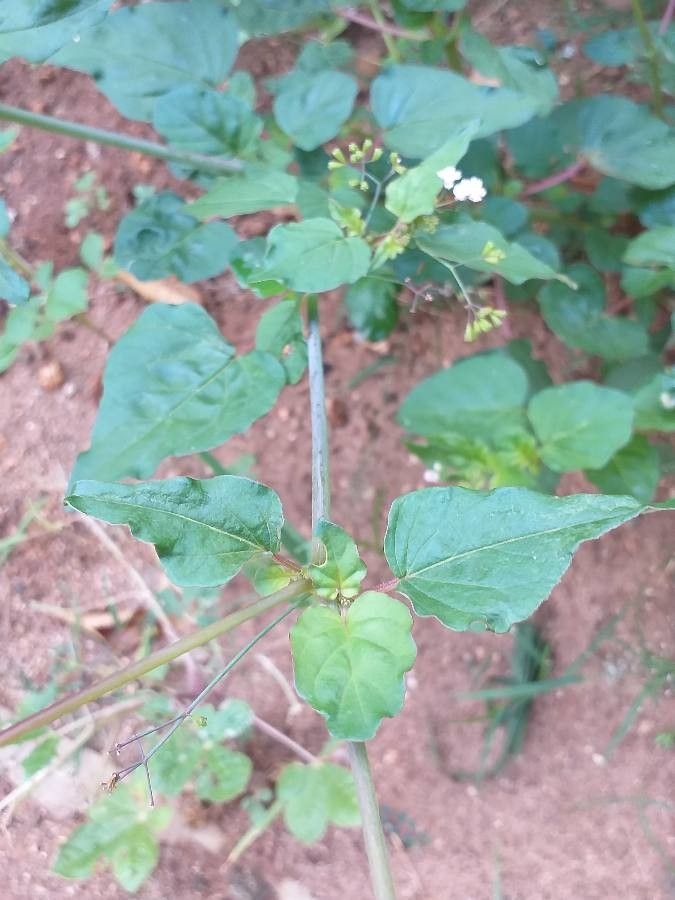
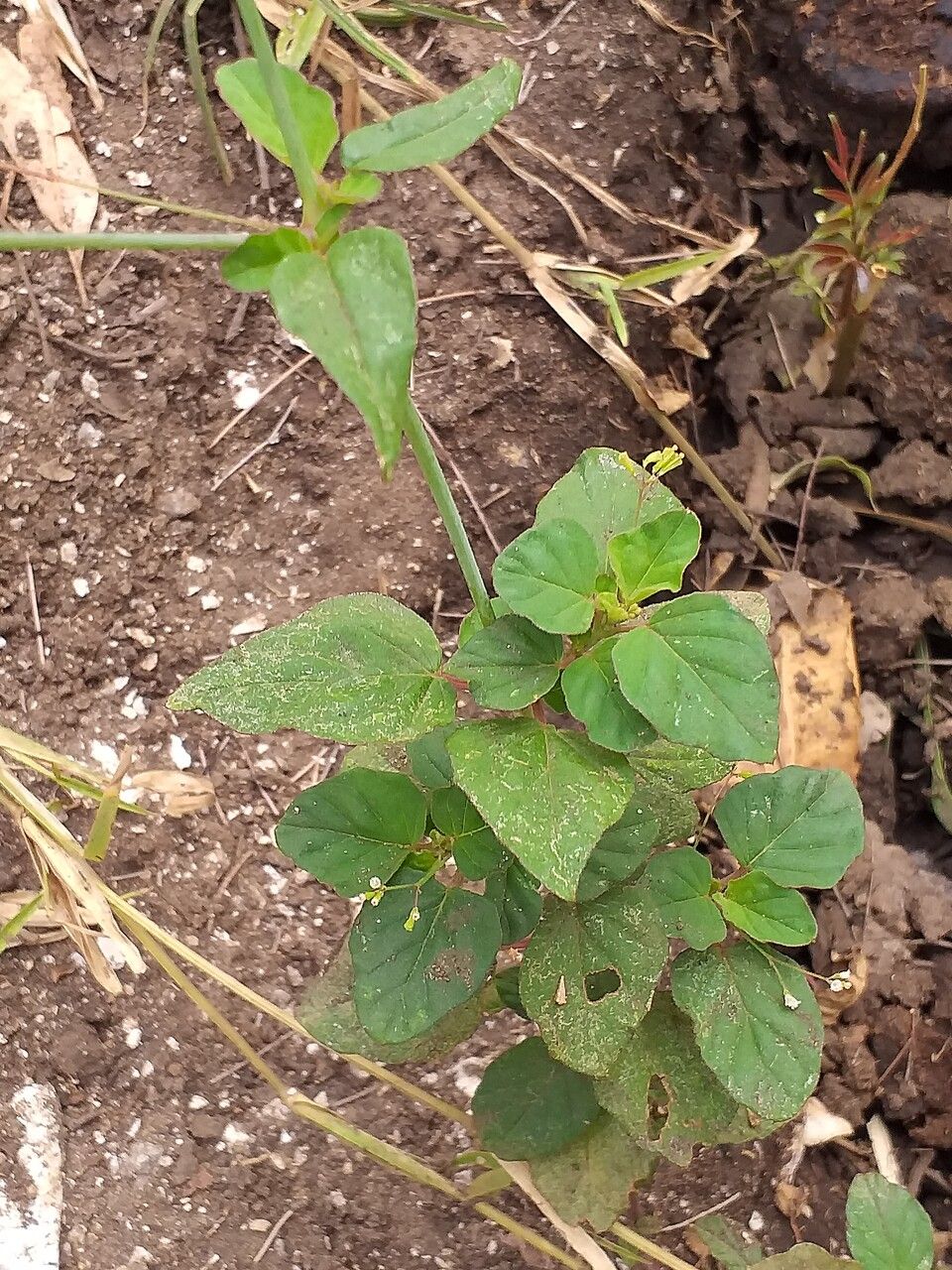
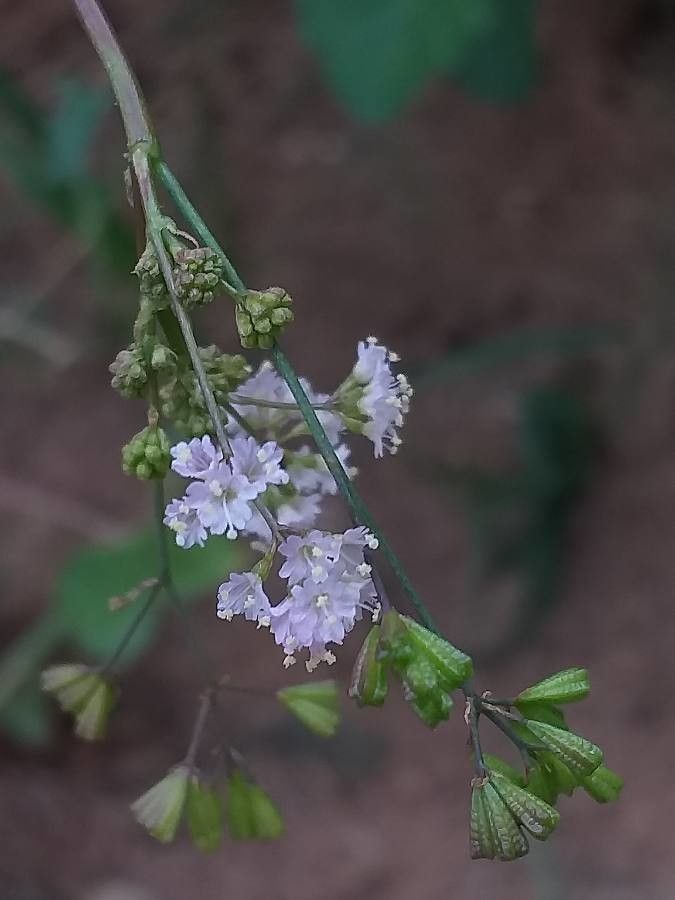
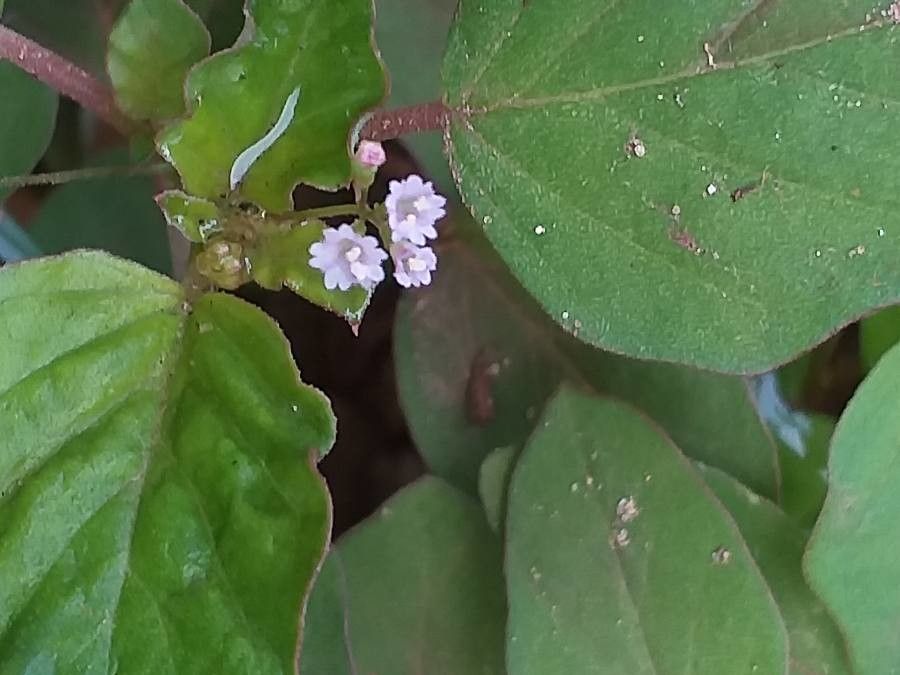
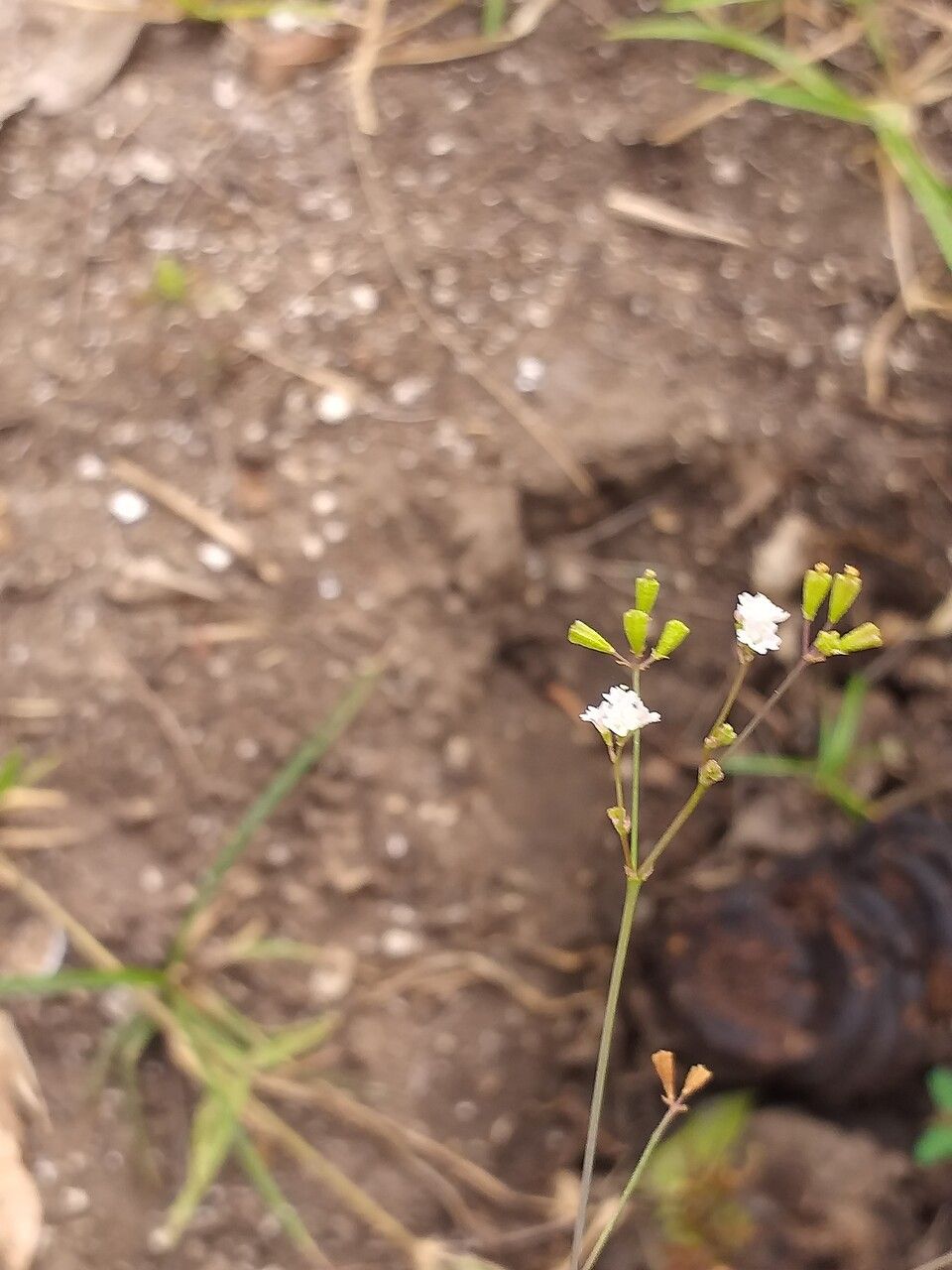
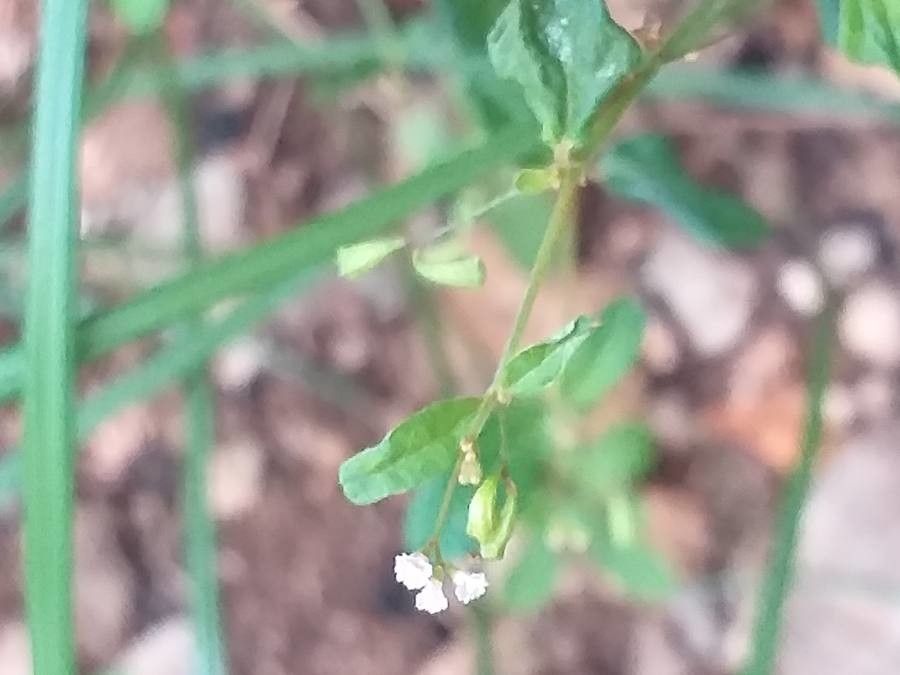
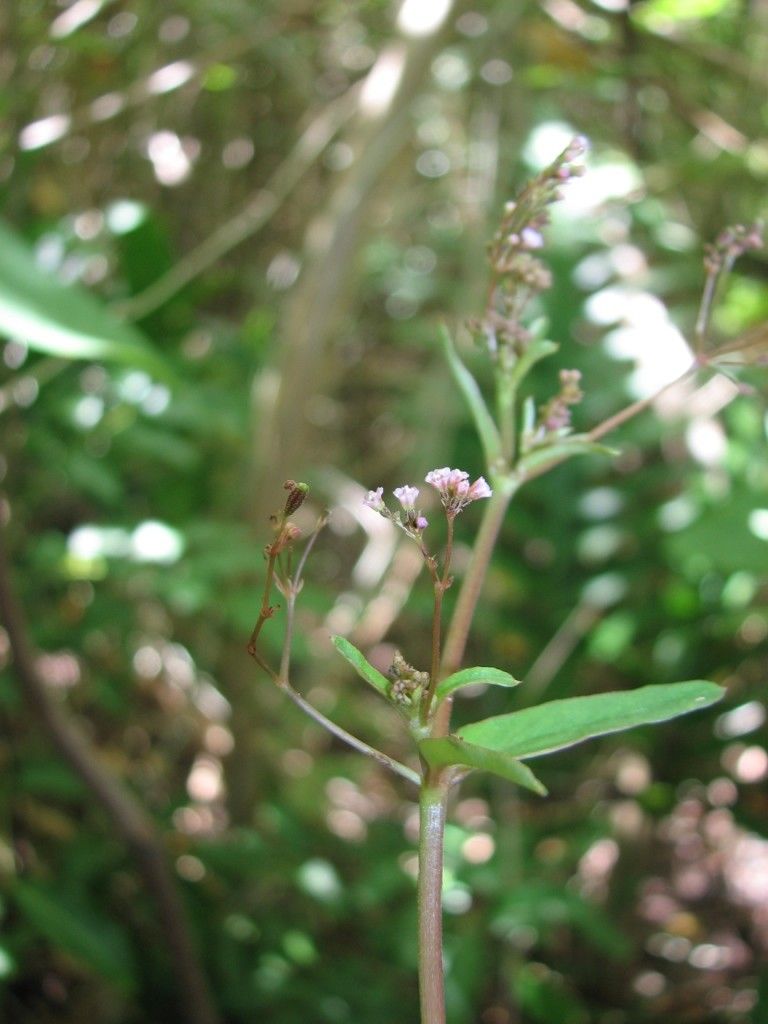
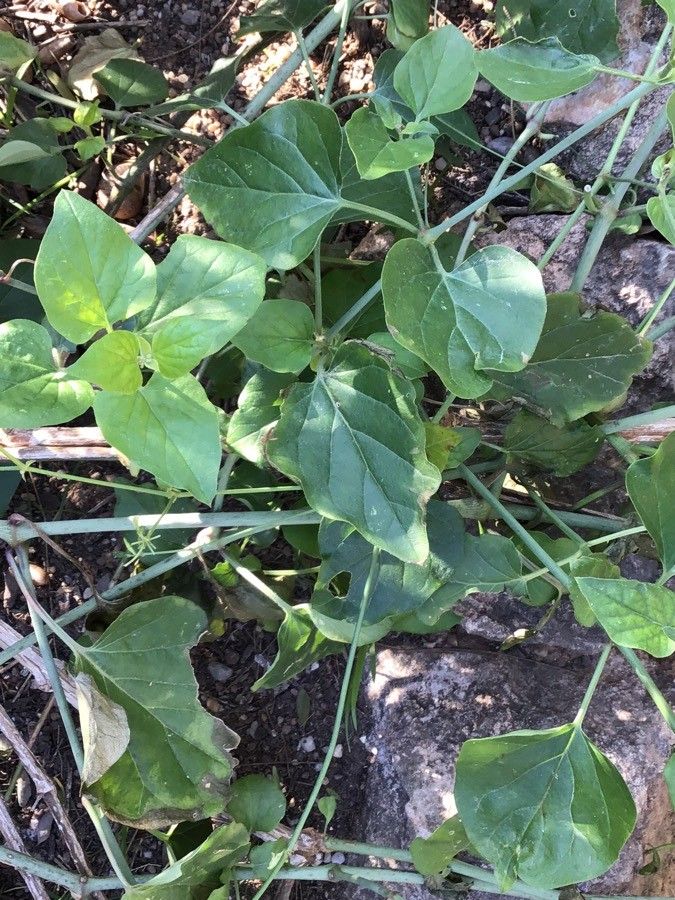
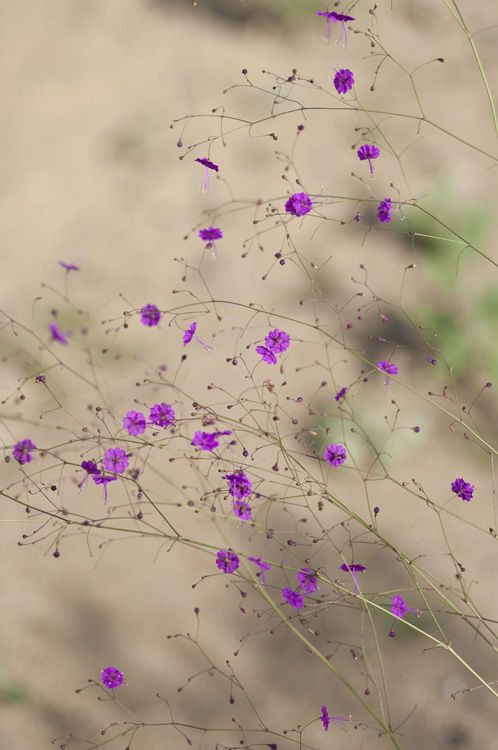
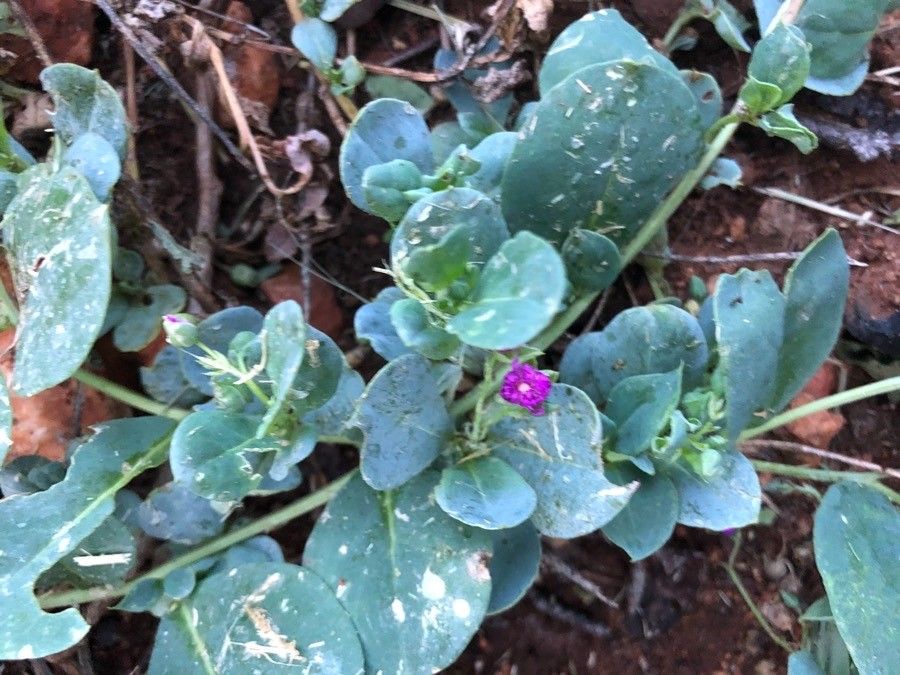
Boerhavia erecta, commonly known as the erect spiderling or the erect boerhavia, is one of more than 100 species in the genus Boerhavia L. Boerhavia erecta is native to the United States, Mexico, Central America and western South America, but now is cosmopolitan in tropical and subtropical regions. In Africa its distribution extends from West Africa, eastwards to Somalia and down to South Africa. It has recently been found in parts of Madagascar and Réunion. In Asia, it occurs in India, Java, Malaysia, the Philippines, China and the Ryukyu Islands. As an adventive species Boerhavia erecta is not widely regarded as a serious weed or invasive threat; in fact its physical and pharmacological attributes suggest that it is potentially useful.
Erect spiderling has moderate resistance to disease but can be susceptible to illnesses such as leaf spot. Its vulnerability to insect pests differs by variety, though most types are not very resistant to pests. For care, erect spiderling requires regular watering and fertilization, and yellow leaves should be pruned frequently. It is important to manage pests and diseases as soon as they appear and to harvest the plant promptly. Erect spiderling is appropriate for people who can commit some time and energy to regular care.
How to keep Boerhavia Erecta.
Light
Erect spiderling grows best with continuous sun exposure, though it can also do well in areas that receive only partial sunlight. It comes from a habitat where abundant sun is typical; insufficient light can stunt its growth, while too much exposure may be harmful.
Temperature
Erect spiderling is native to regions with temperatures between 68 and 95°F (20 to 35°C). It prospers in warm climates and may need supplemental heat during colder seasons to maintain its optimal temperature range.
Pruning
The Erect Spiderling is a plant with a sprawling growth pattern and small flowers. To maintain its health and shape, prune it from early to late spring by removing dead branches and gently trimming overgrown areas. This encourages bushier growth and improves airflow, which helps reduce the risk of pests and diseases. For the best results, use clean and sharp tools.
Botanical profile.
- Plant Type
- Herb
- Life Cycle
- Perennial, Annual
- Genus
- Boerhavia
- Family
- Nyctaginaceae
- Hardiness Zone
- 9
- Mature Height
- 46 cm to 61 cm
- Mature Spread
- 91 cm
- Leaf Color
- Green, Dark Green
- Leaf Type
- Deciduous
- Flower Color
- White, Purple
- Flower Size
- 2.54 cm
- Bloom Time
- Summer, Fall
- Planting Time
- Spring, Summer, Autumn
- Harvest Time
- Late summer, Fall, Early winter
- Native Area
- Belize, Honduras, Mexico, Guatemala, Peru, Panama, Jamaica, Colombia, Bahamas, Cuba, Bolivia, Venezuela, Nicaragua, Ecuador, Costa Rica
Other names.
Reader questions.
What are the sunlight requirements for Erect Spiderling plants?
Erect Spiderling plants thrive best when exposed to continuous sunlight, requiring more than 6 hours of direct sunlight (full sun) for optimal growth, but they can also do well in areas receiving about 3-6 hours of sunlight (partial sun). It's important to observe your garden throughout the day to choose spots that provide a balance of light and shade, ensuring your plants remain healthy.
What is the native climate for Erect Spiderling?
Erect Spiderling, botanically known as Boerhavia erecta, is native to areas where temperatures range between 68 to 95°F (20 to 35°C). It thrives in warm climates and may require additional heating during the colder seasons to maintain its optimal temperature range. The plant flourishes in relatively warm temperatures, emphasizing the importance of keeping the environment above 20°C during winter cultivation. To prevent freezing damage, it's crucial to ensure the minimum temperature remains above the freezing point.
Are there any specific considerations for Erect Spiderling plants regarding sunlight?
Yes, while Erect Spiderling plants originate from environments where abundant sunlight is the norm and crucial for their development, care should be taken to avoid both underexposure and overexposure. Lack of sun can stunt the plant's growth, whereas too much sun can cause harm. In spaces where natural sunlight is insufficient, especially during winter or in less sunny spots, artificial lighting can be a lifesaver. Indoor plants may require LED lights to provide necessary wavelengths, placed 12-36 inches above the plant for 8-12 hours per day, depending on the plant's needs.
How do you protect Erect Spiderling from cold temperatures?
To protect Erect Spiderling from cold temperatures, especially when the outdoor temperature approaches -5°C (25°F) during winter, it is advisable to bring the plant indoors or provide protection. This can be done by setting up a temporary greenhouse or using materials such as plastic film or fabric to wrap the plant. Erect Spiderling has a moderate tolerance to low temperatures but thrives best when kept between 20°C and 35°C. If the temperature falls below -5°C, you might notice the leaves darken and in severe cases, experience water-soaked necrosis, wilting, and drooping with the leaves gradually turning brown. In such instances, trim away the frost-damaged parts and move the plant to a warmer environment indoors near a south-facing window or set up a makeshift greenhouse for cold protection.
What are some common symptoms of inappropriate sunlight exposure for Erect Spiderling plants?
When Erect Spiderling plants receive inadequate sunlight, they may show subtle signs like smaller new leaves, leggy or sparse growth, faster leaf drop, slower or no new growth, and lighter-colored new leaves. Overexposure can lead to chlorosis (leaves turning yellow), sunscald (damage from intense sunlight), leaf curling or twisting, wilting, and leaf scorching (brown, dry edges on leaves). These symptoms indicate either a deficiency or excess of sunlight, impacting the plant's health and ability to photosynthesize effectively.
What should you do if Erect Spiderling is exposed to high temperatures?
During the summer, it is critical to ensure that Erect Spiderling is kept below 35°C to prevent overheating. If the temperature exceeds 38°C, the plant’s growth may slow, the colors of its leaves might lighten, and it becomes more susceptible to sunburn. To mitigate these issues, trim away any sunburned and dried-up parts and move the plant to a location that provides shade, particularly from the harsh afternoon sun. Additionally, watering the plant in the morning and evening can help keep the soil adequately moist and further guard the plant against high temperature stress.
How can I address sunlight-related issues for my Erect Spiderling plants?
To ensure your Erect Spiderling plants are getting the right amount of sunlight, gradually adjust their exposure to sun by moving them into sunnier spots over a week until they get at least 6 hours of direct sunlight. For indoor plants, use a south-facing window or consider artificial lighting if the plant is large or hard to move, ensuring at least 8 hours of light daily. For outdoor plants, avoid sudden changes in light intensity to prevent sunburn. If plants have been negatively affected by poor lighting, focus on promoting new, healthy growth by improving light exposure. Additionally, reducing obstructions like trees and, if feasible, transplanting smaller plants during their dormant period to sunnier locations can help.