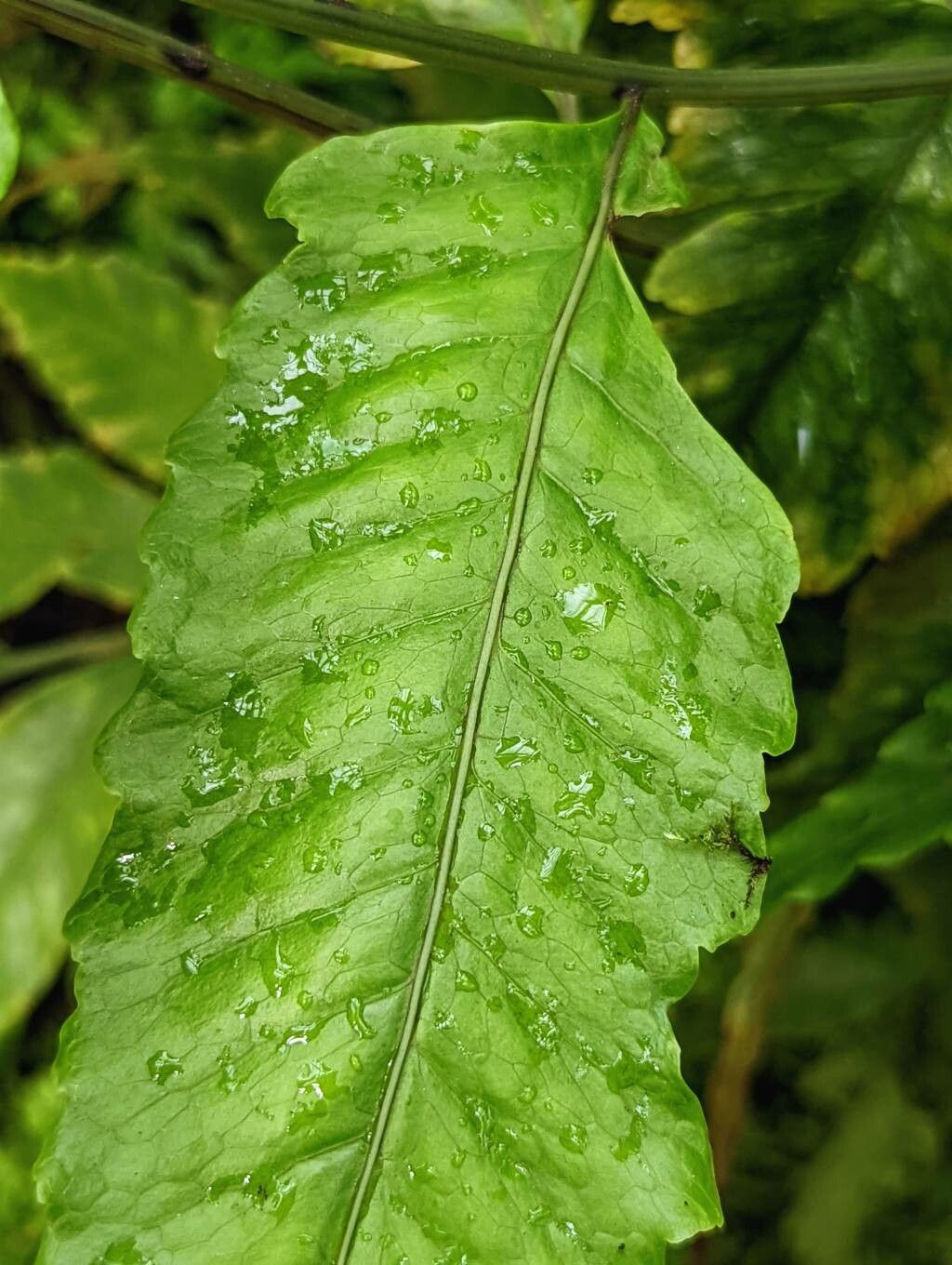
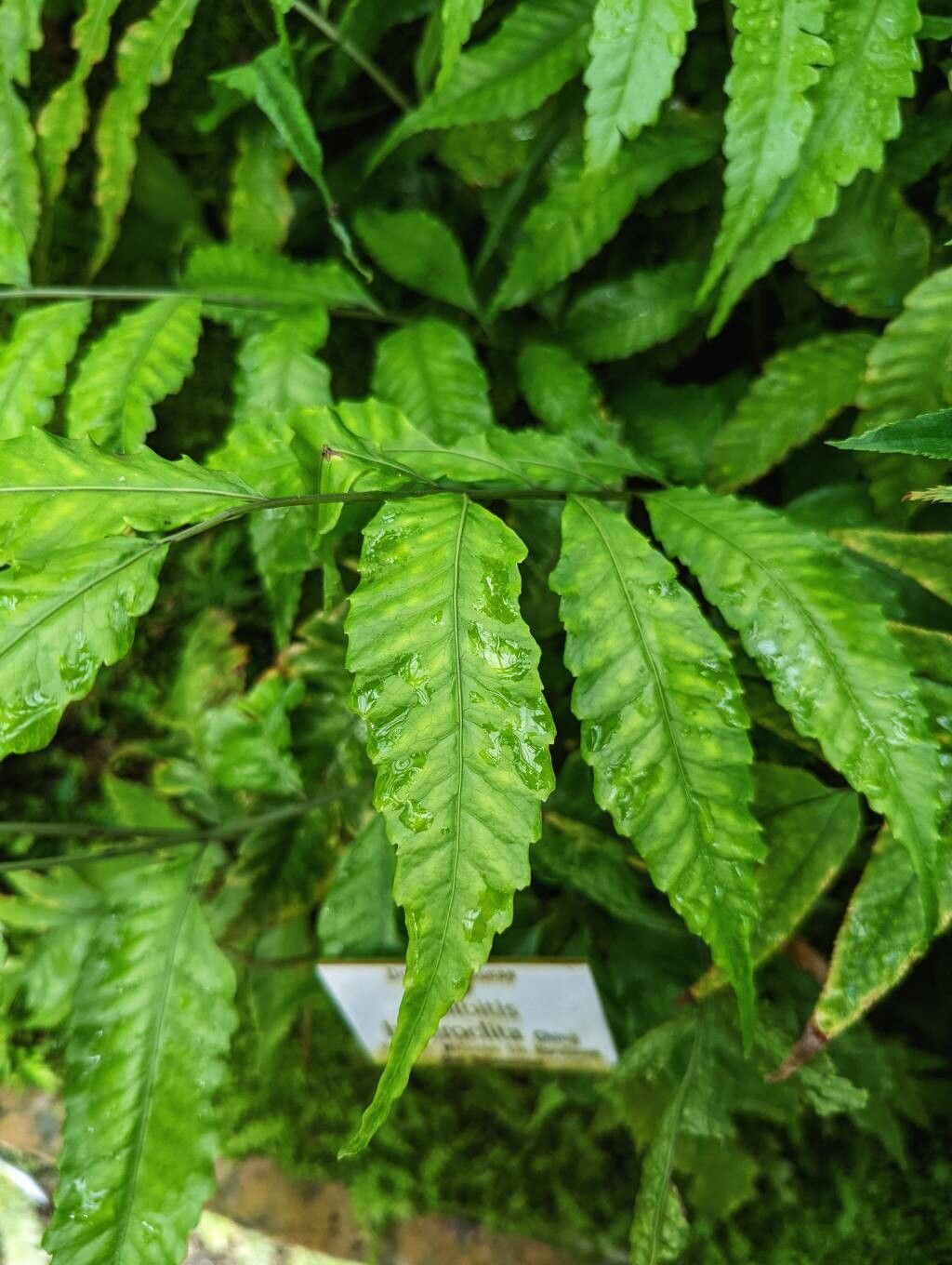
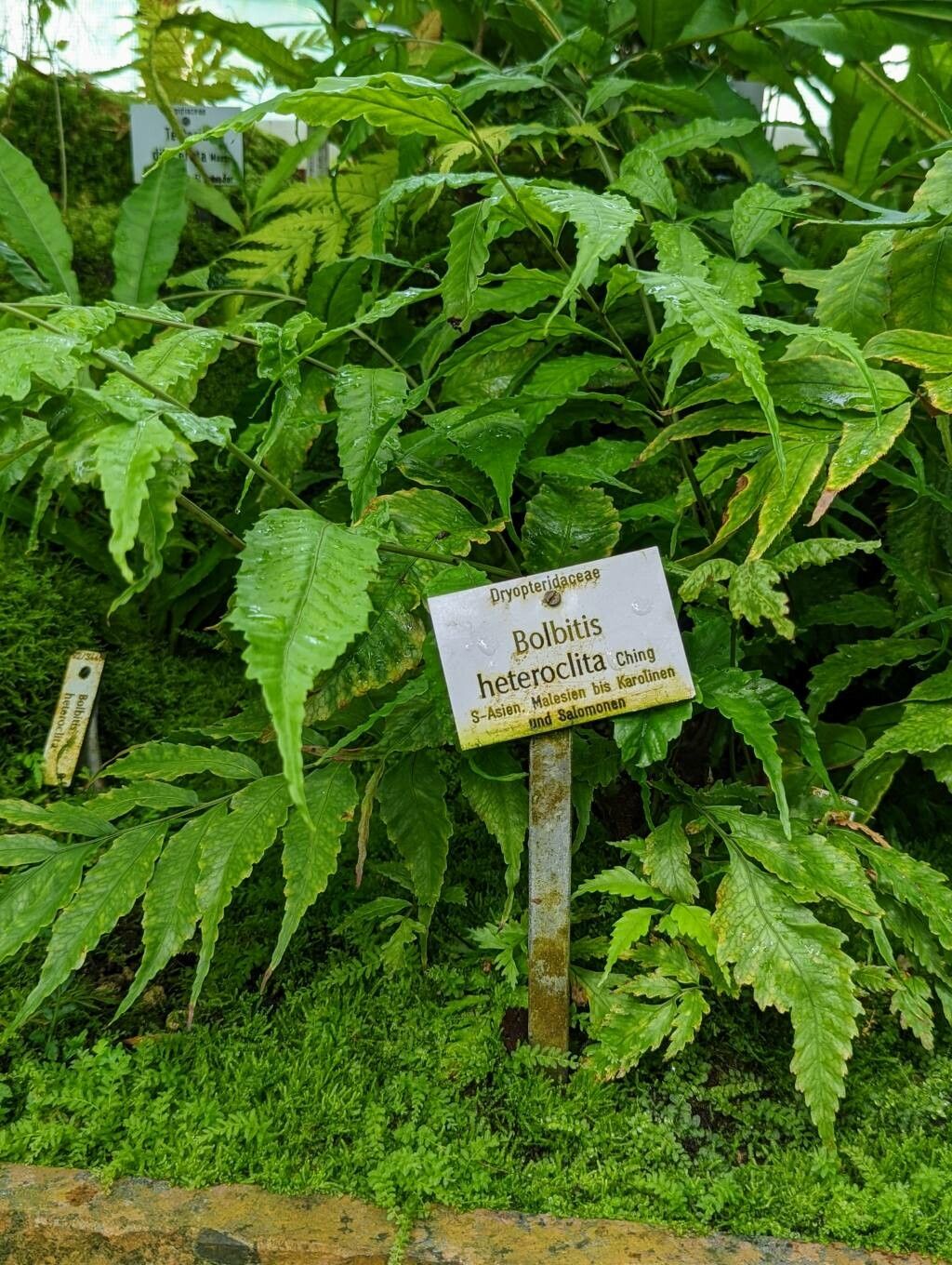
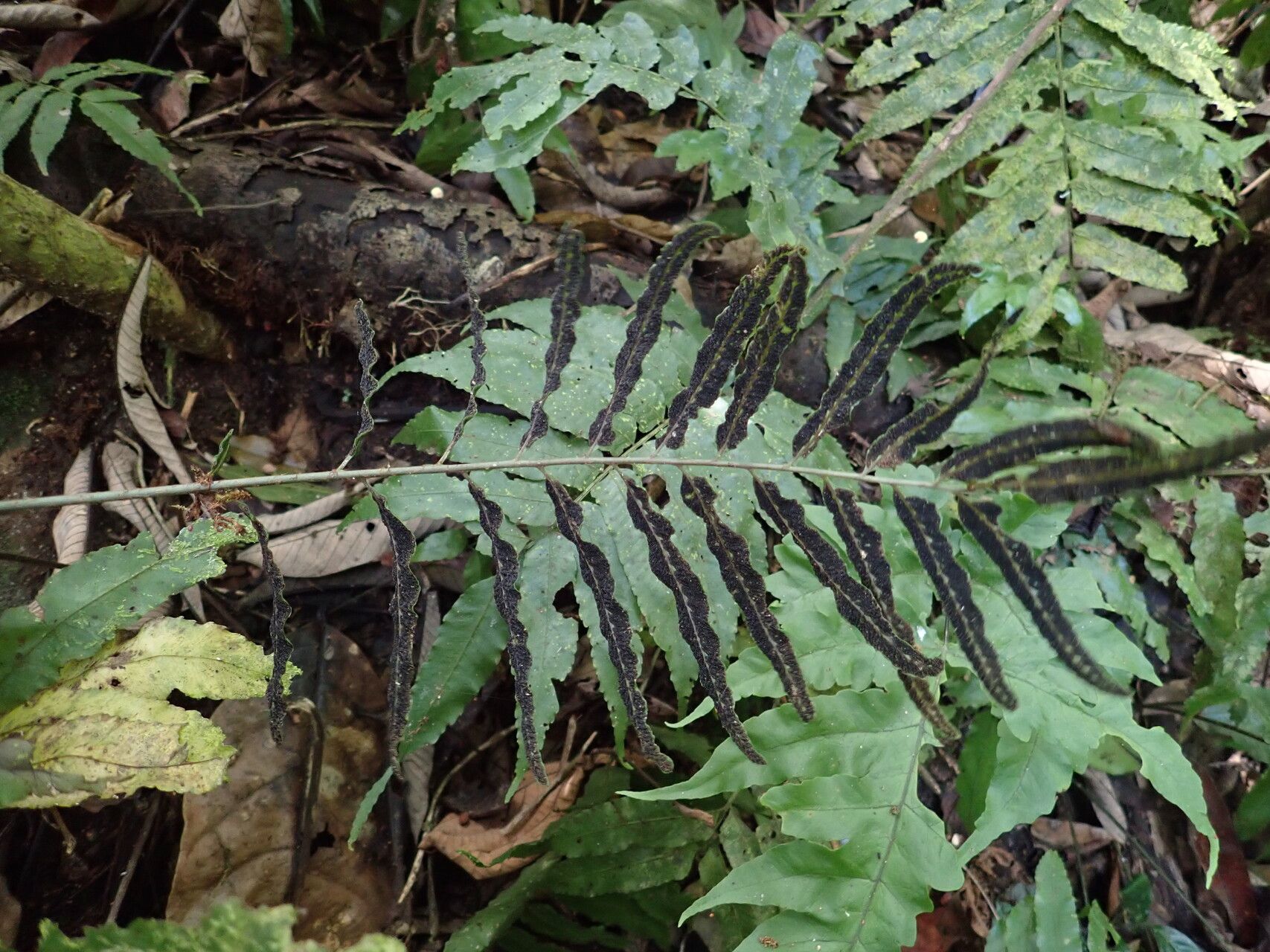
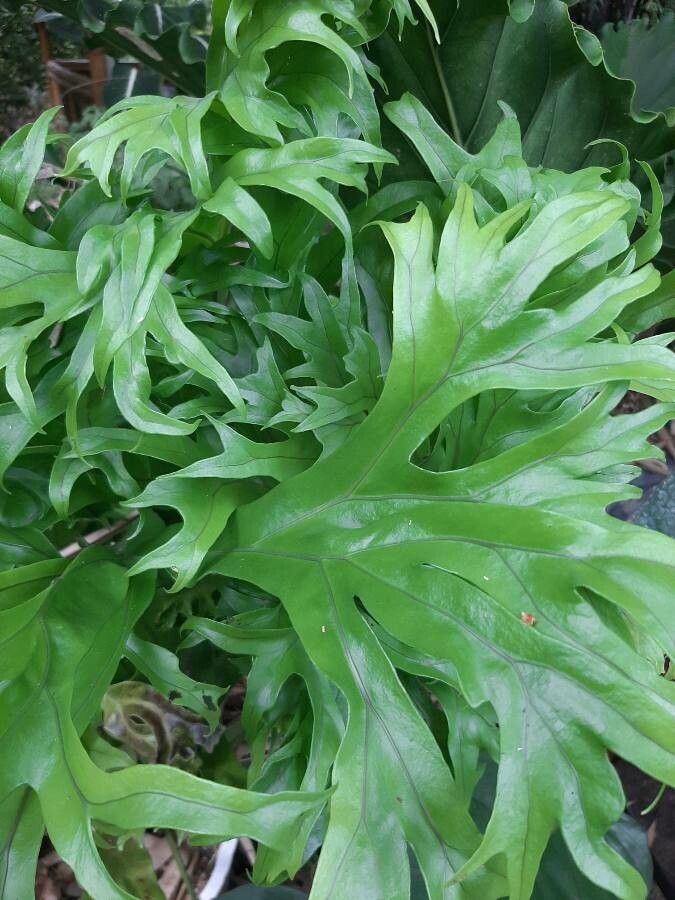
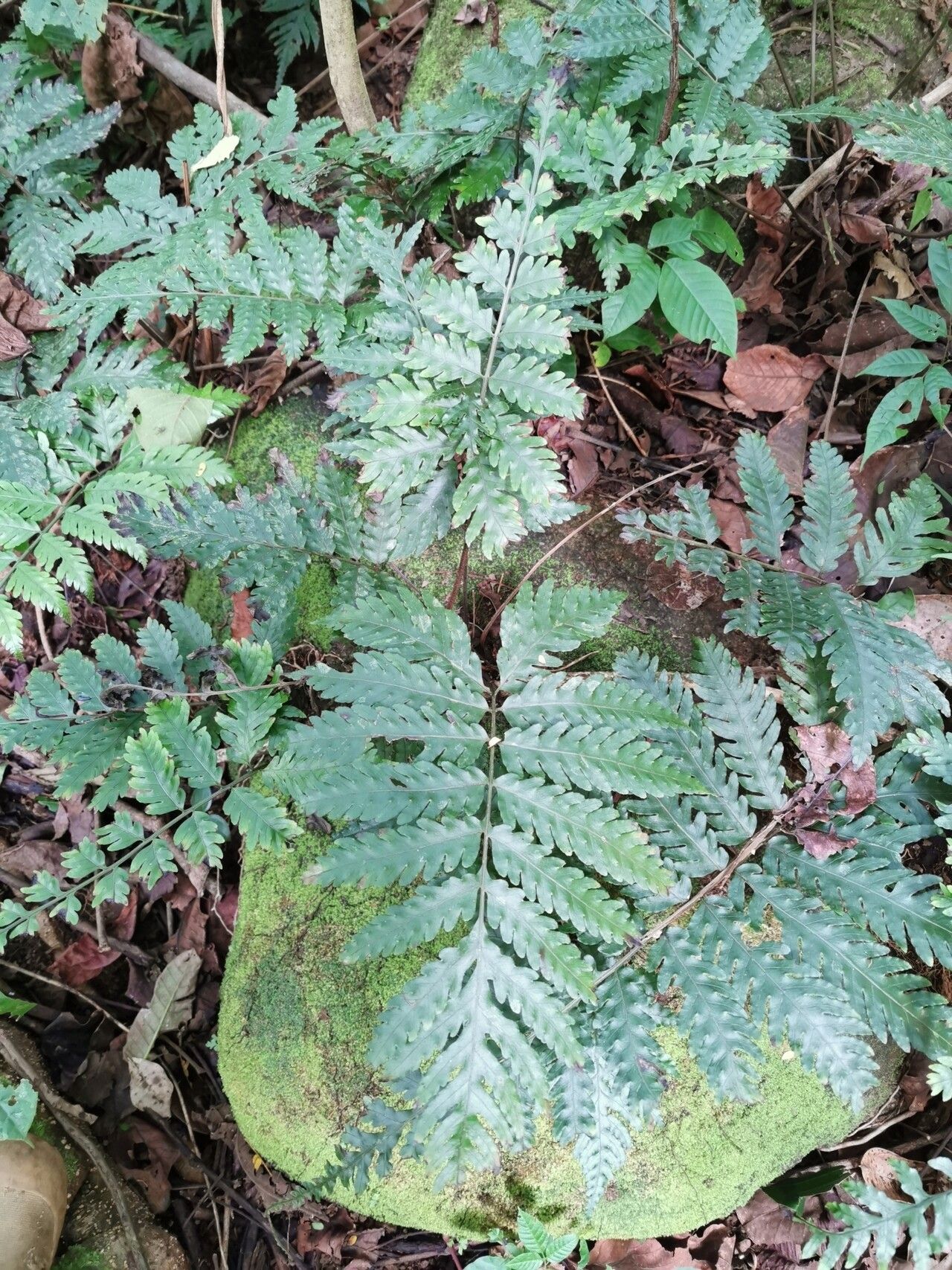
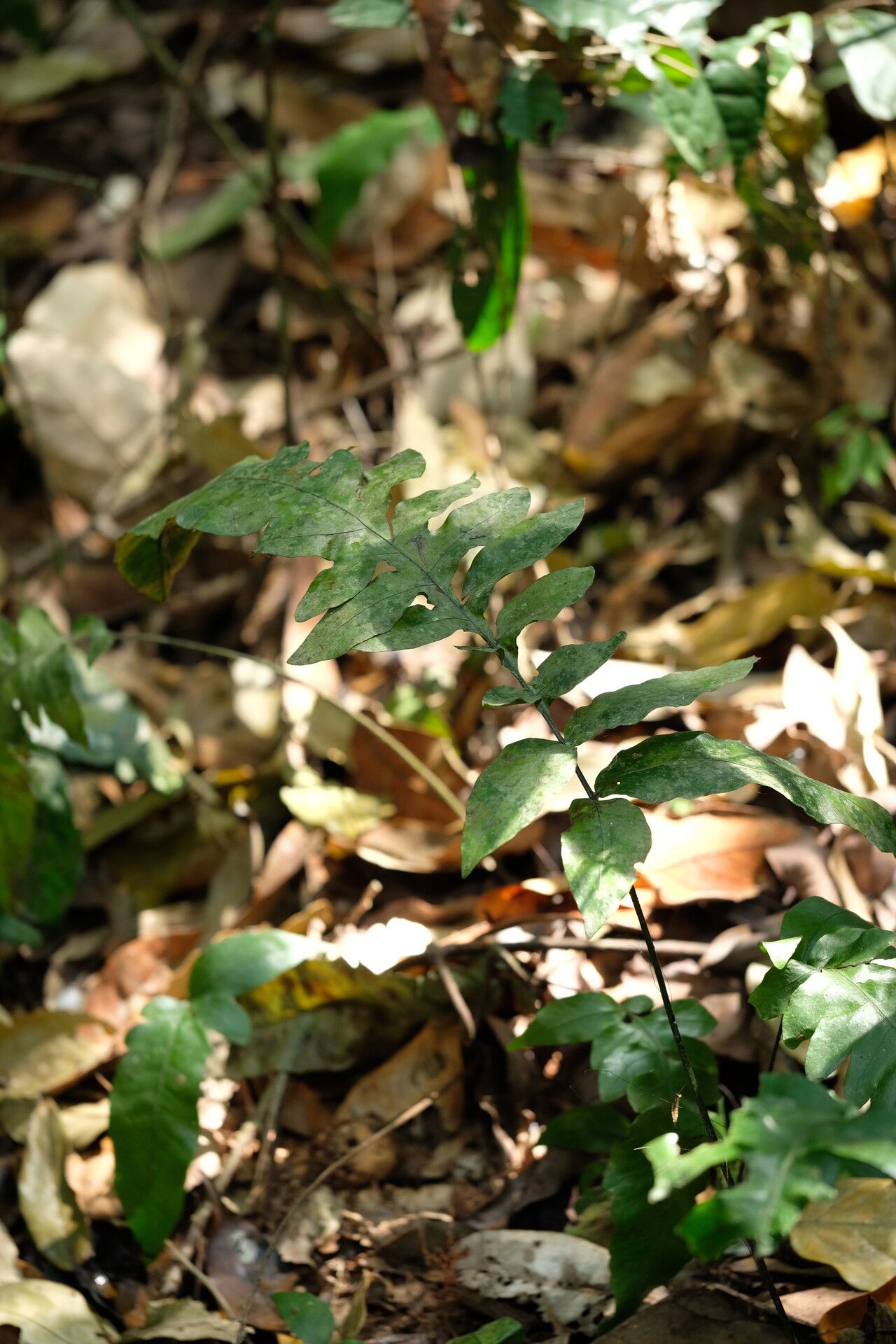
Bolbitis heteroclita is an aquatic fern species of Bolbitis, native to the Indochina region of tropical Southeast Asia.
Aquatic fern typically has strong resistance to disease and relatively few insect pests. Its care is considered difficult because it needs a moist environment and frequent watering. However, the roots are vulnerable to rot if overwatered or if the surroundings lack good ventilation. Aquatic fern is suitable for people with some growing experience, as most individuals can keep it alive for a certain period. Still, the plant may struggle to thrive and its leaves can dry out and become less healthy over time.
How to keep Bolbitis Heteroclita.
Light
The aquatic fern grows best with plenty of sunlight, promoting optimal growth and health. Although it comes from bright habitats, it can tolerate moderate shade. Too little light may slow its growth, while excessive sun can scorch the fronds.
Water
Adapted to tropical rainforests, the aquatic fern thrives in environments with high humidity and consistent moisture. It prefers soil that remains evenly moist and shows moderate tolerance to drought. To mimic its natural habitat, watering the fern twice a week is ideal. Additionally, stable temperatures and indirect light, commonly found indoors, promote its vibrant growth.
Temperature
Aquatic fern is noted for its adaptation to temperatures between 68 to 105.8 °F (20 to 41 ℃). It comes from regions where these temperatures are common. In other seasons, adjust the temperature to closely mimic its native environment for optimal growth.
Pruning
To ensure your aquatic ferns thrive, it's important to prune them properly, ideally in early spring. Start by removing dead fronds to improve growth and water circulation. Thinning the plants helps prevent overcrowding and promotes their overall health. Regular pruning revitalizes aquatic ferns, enhances their ornamental appeal, and ensures they remain a vibrant focal point in your aquatic garden.
Pot & Repot
To prevent overcrowding and encourage leaf growth, it's best to repot your aquatic fern every 2 to 3 years. The ideal time to do this is in the spring, before the fern reaches its peak growth. Use a wide, shallow container when repotting. After you've repotted the fern, ensure it remains submerged in stable water conditions. This will promote healthy development in your aquatic garden.
Botanical profile.
- Plant Type
- Fern
- Life Cycle
- Perennial
- Genus
- Bolbitis
- Family
- Polypodiaceae
- Hardiness Zone
- 10-13
- Mature Height
- 10 cm to 30 cm
- Mature Spread
- 15 cm to 30 cm
- Leaf Color
- Green
- Leaf Type
- Evergreen
- Planting Time
- Spring, Summer, Autumn
- Native Area
- Nepal, India, Malaysia, Indonesia, Vietnam, Myanmar, Japan, Philippines, Singapore, Bangladesh, Thailand, China
Other names.
Reader questions.
What are the sunlight requirements for an Aquatic fern?
Aquatic ferns need a significant amount of sunlight to thrive, typically preferring conditions that mimic their natural habitats of abundant light. While they flourish in full sun, which is above 6 hours of direct sunlight, they can also tolerate partial sun, about 3-6 hours of sunlight. However, it's crucial to watch how sunlight moves through your garden to ensure that plants are positioned in spots with the ideal balance between light and shade, promoting their optimal growth and health.
What are the essential care tips for the Aquatic fern?
The Aquatic fern thrives in temperatures between 68 to 105.8 °F (20 to 41 °C), typical of its native climate. To ensure optimal growth, mimic this temperature range throughout the year. During colder seasons, it's crucial to protect this heat-loving plant from low temperatures by bringing it indoors and placing it near a bright window, while ensuring it's not too close to heaters. Keeping the temperature above 20°C in winter is beneficial, but it's important to prevent the temperature from dropping near 5°C to avoid damaging the plant.
What are the essential needs of an Aquatic fern regarding light exposure?
The essentials for an Aquatic fern's growth include a notable need for sun exposure. Originating from environments rich in light, these ferns can also adapt to somewhat shaded areas. However, an excess of shade can inhibit their growth, and too much direct sunlight risks scorching. For indoor plants, when natural light is low - particularly in winter or less sunlit spaces - artificial lighting becomes crucial. LED lights are recommended due to their ability to provide specific light wavelengths. The intensity and duration of artificial lighting should mimic natural sunlight as closely as possible, with 8-12 hours of light per day being optimal.
How should I care for an Aquatic fern during low temperatures?
Aquatic ferns require warmth and are vulnerable to cold. If the temperature drops below 1°C, the leaves might lighten in color and, following frost, turn brown or black, showing signs of wilting and drooping. In such cases, trim the frost-damaged parts and move the plant to a warmer indoor setting. Place it near a south-facing window for sufficient sunlight but keep it away from heaters or air conditioning vents to avoid overly dry air, maintaining a temperature above 5°C during winter.
What symptoms indicate an Aquatic fern is receiving inadequate light?
Symptoms of light deficiency in Aquatic ferns may include smaller new leaves, leggy or sparse growth, and a tendency to lose older leaves earlier than normal. These signs point to the plant struggling with insufficient light, conserving resources by prioritizing new leaf growth until its energy reserves run low. Such conditions can lead to a halt in growth, leaf discoloration or paler new leaves, indicating lack of chlorophyll and essential nutrients, and even conditions like chlorosis, where leaves lose their green color and turn yellow due to a breakdown of chlorophyll from excessive sunlight.
What should I do if my Aquatic fern is exposed to high temperatures?
During summer, it's crucial to keep the Aquatic fern's temperature below 41°C to prevent heat stress. Exposure to temperatures above 45°C can lighten leaf color and increase susceptibility to sunburn. To remedy this, trim away any sunburned or dried parts of the plant. Relocate the fern to a spot with shade during the midday and afternoon sun. Ensure you water it in the morning and evening to maintain moist soil and help the plant recover from heat exposure.
What are the symptoms of too much sunlight for an Aquatic fern?
Overexposure to sunlight in Aquatic ferns can lead to a range of symptoms including sunscald, where leaves show pale, bleached, or necrotic areas; leaf curling as a defensive mechanism to minimize water loss; wilting due to increased transpiration; and leaf scorching characterized by brown, dry, crispy edges or patches on leaves. These symptoms indicate the plant's struggle with excessive sunlight, affecting its photosynthesis and overall health.
What is the botanical name of the Aquatic fern?
The botanical name of the Aquatic fern is Bolbitis heteroclita.
How can one address lighting issues for an Aquatic fern, both indoors and outdoors?
To address lighting issues for an Aquatic fern, consider gradual relocation to sunnier spots, ensuring at least 6 hours of sunlight daily for optimal growth. Indoors, use south-facing windows or supplement with artificial grow lights for at least 8 hours daily. Outdoors, adapt plants to brighter locations gradually to prevent sunburn. If sunlight is blocked by obstacles like trees, prune to enhance light penetration. For dealing with insufficient sunlight, consider transplanting smaller plants during their dormant period to areas with better light exposure and good drainage. Note that some parts of the plant may not recover after being moved to better light, but new growth should appear healthier.