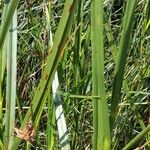
Bolboschoenus maritimus
بولا · Sea club-rush · Alkali bulrush · Saltmarsh bulrush · Saltmarsh club-rush
Description
Source: leafsnapBolboschoenus maritimus is a species of flowering plant from family Cyperaceae. Common names for this species include sea clubrush, cosmopolitan bulrush, alkali bulrush, saltmarsh bulrush, and bayonet grass. It is found in seaside wetland habitats over much of the world. It is widespread across much of temperate and subtropical Africa, Asia, Europe, North America, South America and various islands.
Care Guide
💧 Water
Puruagrass flourishes in wetland environments, favoring constant moisture and easily tolerating waterlogged conditions. For optimal health, it needs to be watered weekly and grows best outdoors, as this aligns with its natural moisture requirements and climate cycles.
If I give my Puruagrass either too much water or too little, what should I do?
If you don't water this beautiful ornamental grass properly, it won't perform well. When it's planted in the ground, watering issues can be fixed. However, in a container, too much or too little water will quickly kill Puruagrass. When Puruagrass doesn't get the right amount of water, it may stop growing. Overwatering will cause yellow leaves with brown tips, while underwatering will result in drooping leaves, weak seed head production, and browned leaves. If you suspect your Puruagrass has been watered improperly, first determine if it's receiving too much or too little water. If it's getting too much water, stop watering immediately and wait for the soil to dry out. Check for new growth and test the soil for moisture before deciding if it needs more water. If the Puruagrass is getting too little water, simply give it a deep drink and see if it improves. Remember, it's better to water deeply and infrequently to encourage deep root growth and increase drought resistance.
How many times a week should I water my Puruagrass?
The watering needs of Puruagrass vary depending on where it is planted. Generally, it is advisable to water this grass once a week. In hot climates, watering once or twice a week during the summer may be necessary. In moderate climates, watering once every seven days or more may be sufficient. Grass in containers typically require more frequent watering than grasses in the ground. However, the location also plays a role in watering needs. Shaded grasses require less frequent watering compared to in-ground grasses. To determine when to water, you can check the soil's dryness by pressing your finger a couple of inches into it. For potted grass, you can weigh the pot to see how light it is or feel if it is light due to lack of water. The blades of the grass may appear folded and thinner than usual when the roots lack sufficient water. Despite its drought tolerance, regular, deep waterings will result in vibrant color. Although Puruagrass is naturally found in open scrubland and can withstand extreme heat and occasional rain, it still requires care and attention, including consistent watering. When newly planted, it needs more frequent watering until it establishes deep roots. Potted Puruagrass is particularly susceptible to drying out quickly, especially if it is exposed to hot, direct sun. Test the soil every 3 to 4 days and water only when it feels dry. In-ground Puruagrass generally requires less watering, but this depends on the soil type. Clay soil retains moisture for longer periods, so it may feel dry on the surface while still holding moisture below. Sandy soils that drain quickly will need more frequent watering.
What should I keep in mind when I water my Puruagrass in different seasons, climates, or during different stages of growth?
To determine if you are watering your grass enough, pay attention to how quickly it grows. For example, Puruagrass tends to double in size within a year, especially during the hottest months. If the weather is hot but your grass isn't growing vigorously, it may be necessary to adjust your watering schedule. During winter, watering once a month might be sufficient, but it's still important to check the soil for moisture. The grass will require more water than usual during its growth cycle in the warmest months, while the need for water will decrease significantly in winter and cooler months. Remember, it's crucial to let the soil dry out completely before adding water when dealing with Puruagrass.
☀️ Light Full sun
Puruagrass comes from habitats with plenty of sunlight, such as the shallow margins of ponds and lakes. It prefers full sun, but can also tolerate partial sun.
What are the sunlight requirements for Puruagrass?
Puruagrass thrives in sunlight and prefers locations that fulfill its light requirements. It needs full sun, which is above 6 hours of sunlight daily, but it can also tolerate partial sun conditions, about 3-6 hours of sunlight. The plant can grow well in open habitats like meadows and grasslands, making it paramount to watch how sunlight moves through your garden to choose spots that provide a perfect balance of light for ensuring the plant's happiness.
What artificial lighting is recommended for Puruagrass grown indoors?
For Puruagrass grown indoors, where natural sunlight might be insufficient, especially during winter or in less sunny spaces, artificial lighting becomes essential. LED lights are recommended because they can be customized to offer specific wavelengths needed by plants. The requirements vary based on the type of plant: full sun plants need 30-50W per square foot, partial sun plants require 20-30W per square foot, and full shade plants need 10-20W per square foot. The light source should be placed 12-36 inches above the plant to mimic natural sunlight adequately, and most plants will need 8-12 hours of light per day.
How can you identify if Puruagrass is receiving inadequate light?
Inadequate light affects Puruagrass in several ways that are important to recognize for its health. Symptoms include small or lighter-colored new leaves, leggy or sparse growth, faster leaf drop, slower or no new growth, and signs of chlorosis, sunscald, leaf curling, wilting, and leaf scorching. These symptoms indicate various stresses due to poor lighting, including the breakdown of chlorophyll, excessive sunlight exposure leading to physical damage, and dehydration.
What are some solutions for Puruagrass suffering from light deficiency?
To manage light deficiency in Puruagrass, several measures can be taken. Indoors, gradually moving plants to sunnier spots until they receive at least 6 hours of direct sunlight or using artificial light such as desk or ceiling lamps for at least 8 hours daily can help. Outdoors, adapting plants gradually to brighter areas without causing sunburn is key. Reducing obstructions like pruning trees or transplanting to a brighter location can also aid outdoor plants. It is critical to remember that parts of the plant affected by insufficient light may not recover, but new growth should be healthier with improved light exposure.
🌡️ Temperature 5–25°C
The ideal temperature range for puruagrass is 41 to 77 °F (5 to 25 ℃). Any drastic seasonal fluctuations should be reduced to maintain these optimal conditions.
What is the optimal temperature range for Puruagrass?
The ideal temperature range for Puruagrass (Bolboschoenus maritimus) lies between 41 and 77 °F (5 to 25 °C). To ensure the health and growth of Puruagrass, it's essential to maintain these conditions as much as possible, avoiding drastic seasonal temperature changes.
Does Puruagrass require frost protection measures during winter?
Puruagrass is exceptionally cold-tolerant and does not need special frost protection during winter months. Nevertheless, to help the plant through winter and early spring, it's advisable to water it generously before the first freeze in autumn. This ensures the soil remains moist when it freezes, preventing drought and water scarcity for the plant.
What should I do if the winter temperature drops below -30°C?
Although Puruagrass is cold-tolerant, temperatures dropping below -30°C can affect its ability to sprout in spring. In this situation, wait until spring and then remove any parts of the plant that have failed to sprout.
How does Puruagrass react to high temperatures?
Puruagrass struggles in high temperatures, particularly when the mercury climbs above 25°C. Under such conditions, its growth halts, and the plant becomes prone to rot. To mitigate heat stress, trim away any sunburned or dried-up parts immediately. Relocate the plant to a shaded spot away from direct midday and afternoon sun, or use a shade cloth. Watering the plant in the morning and evening is crucial to keeping the soil consistently moist.
💨 Humidity
🪴 Soil
🌱 Fertilizer
🪴 Pot & Repot
✂️ Pruning
For optimal growth and appearance, Puruagrass benefits from early spring pruning, in which old and damaged stems are removed. This practice not only encourages new growth but also prevents overcrowding, improves air circulation, and reduces the risk of disease. Consequently, the plant remains healthier and more visually appealing, aligning with its natural growth cycle.
🌿 Propagating
🐛 Diseases & pets
☠️ Toxicity
Characteristics
- Plant Type
- Grass
- Life Cycle
- Perennial
- Genus
- Bolboschoenus
- Family
- Cyperaceae
- Hardiness Zone
- 4
- Mature Height
- 0.52 m to 1.52 m
- Mature Spread
- 61 cm
- Leaf Color
- Dark Green
- Leaf Type
- Evergreen
- Flower Color
- Brown, White, Yellow, Green
- Flower Size
- 1.02 cm to 4.06 cm
- Bloom Time
- Early summer, Mid summer
- Planting Time
- Spring, Summer, Autumn
- Harvest Time
- Late summer, Early fall