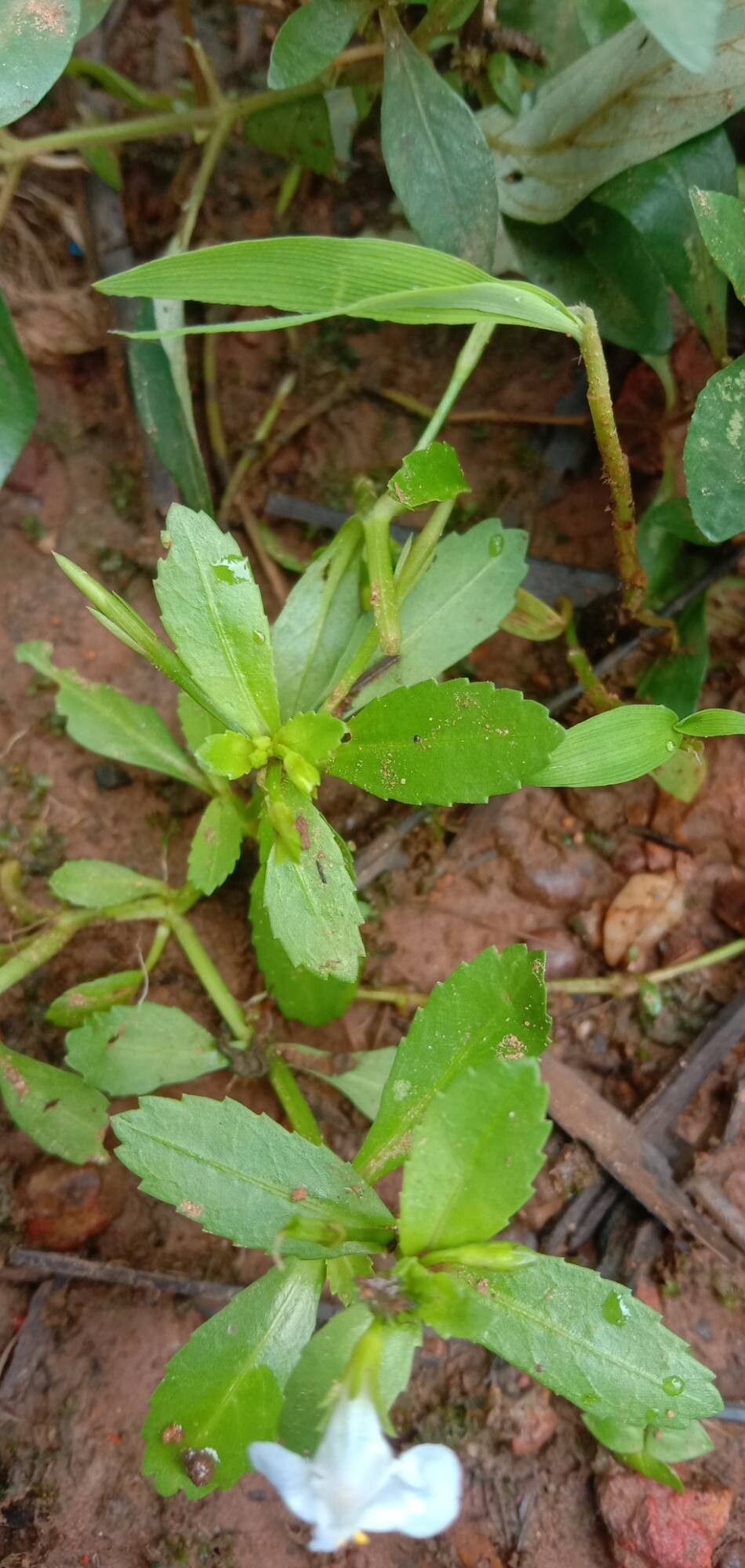
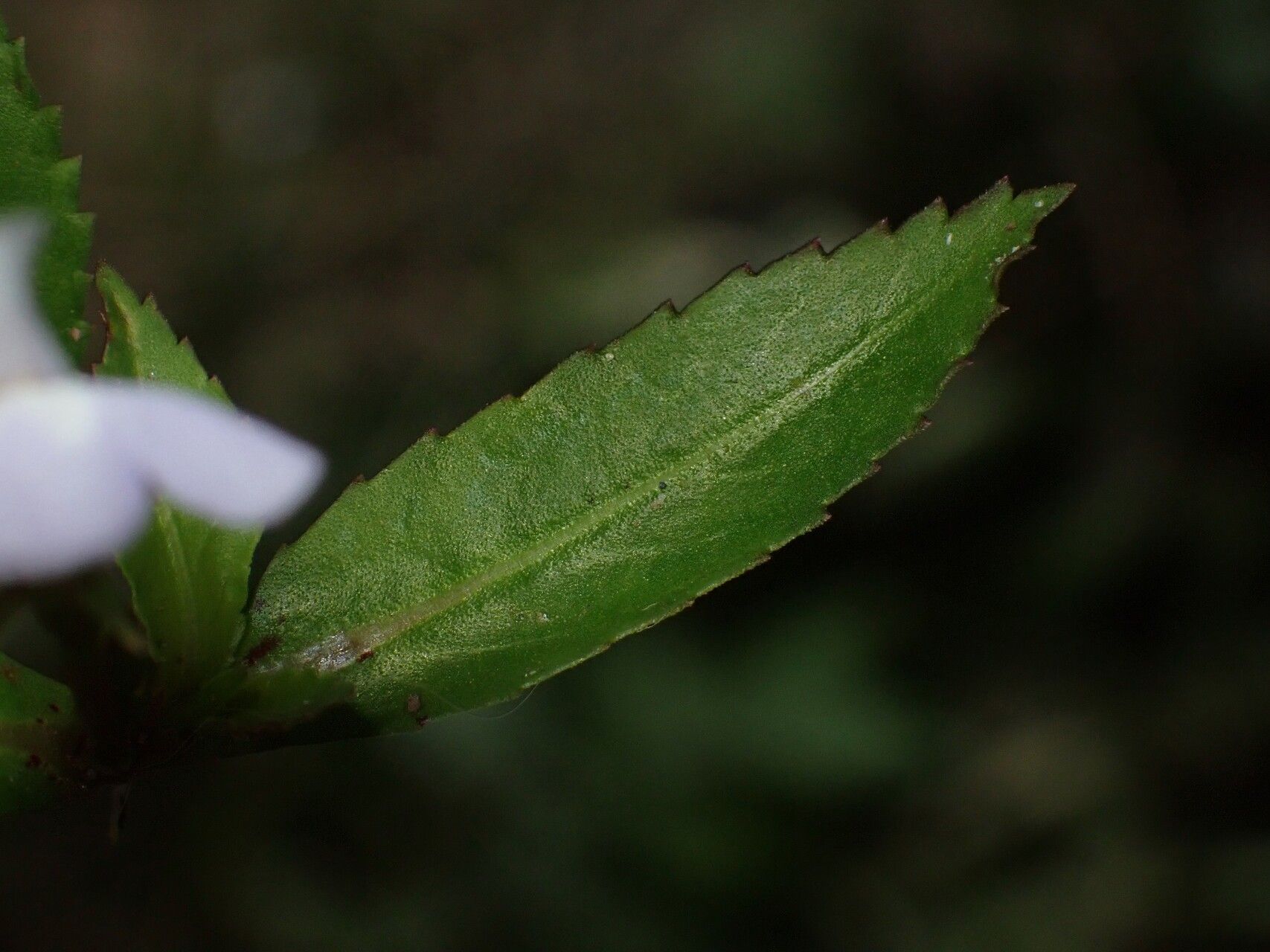
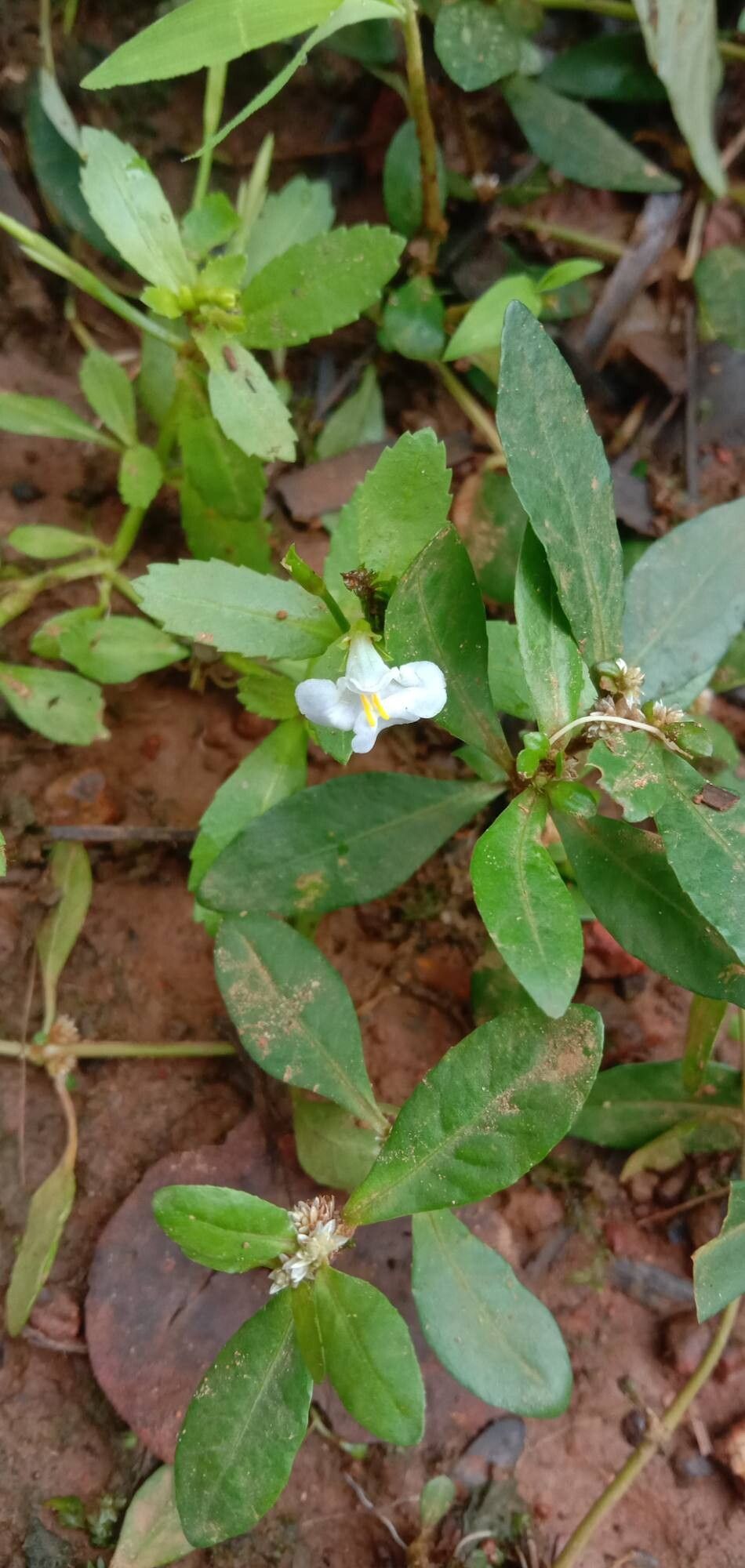
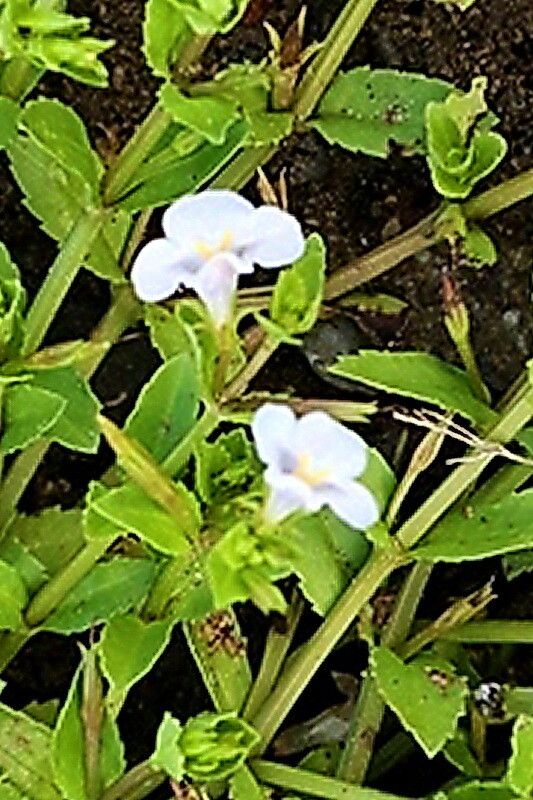
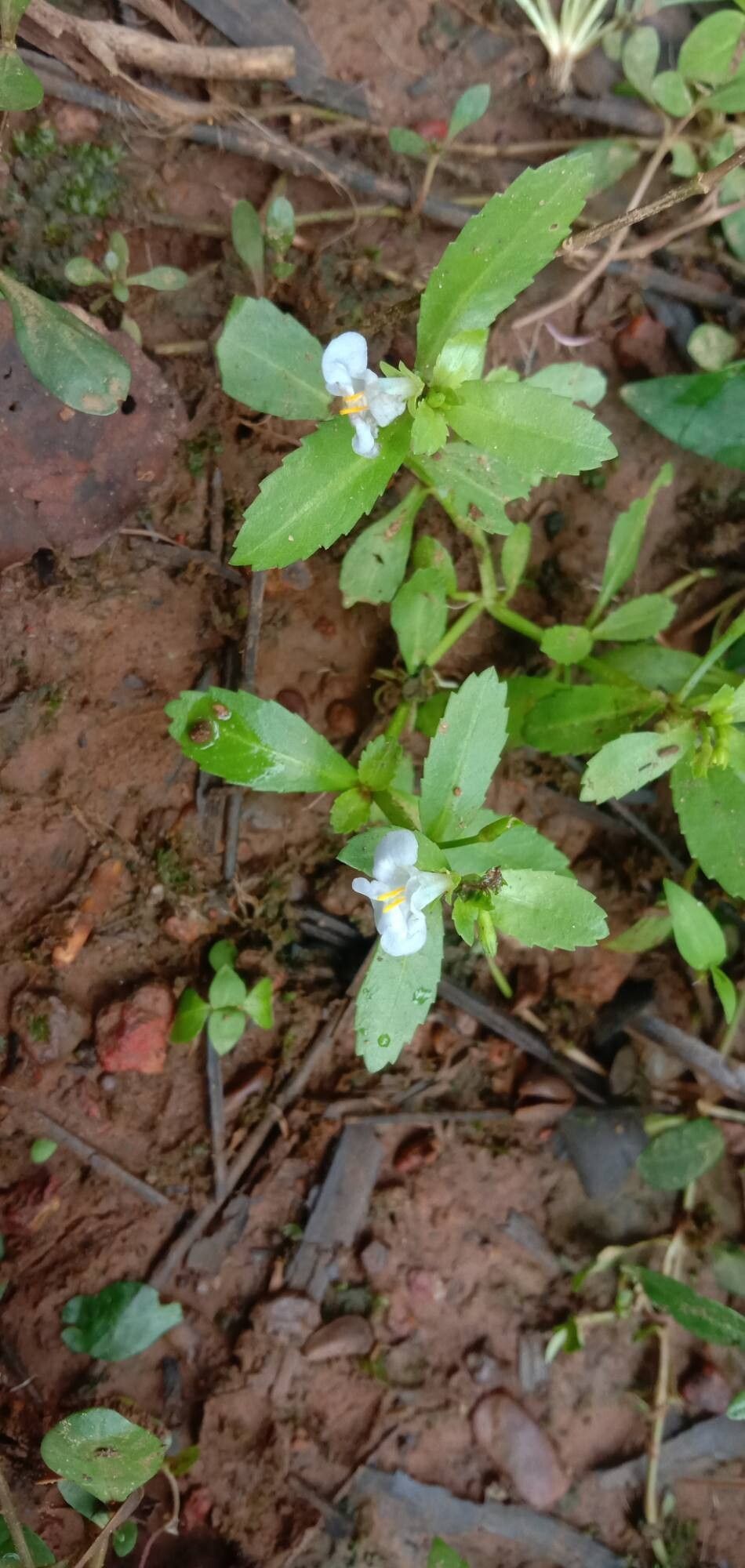
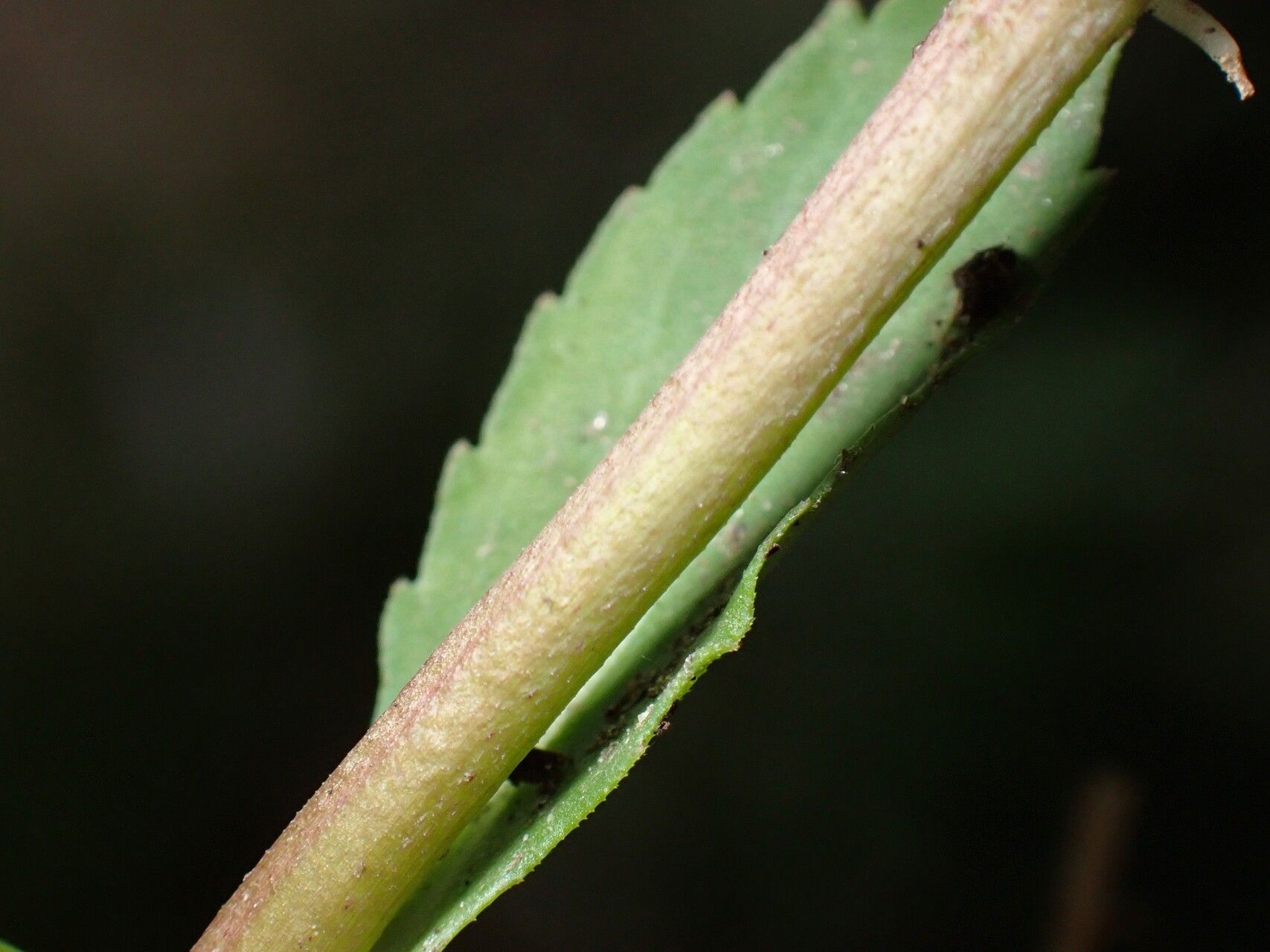
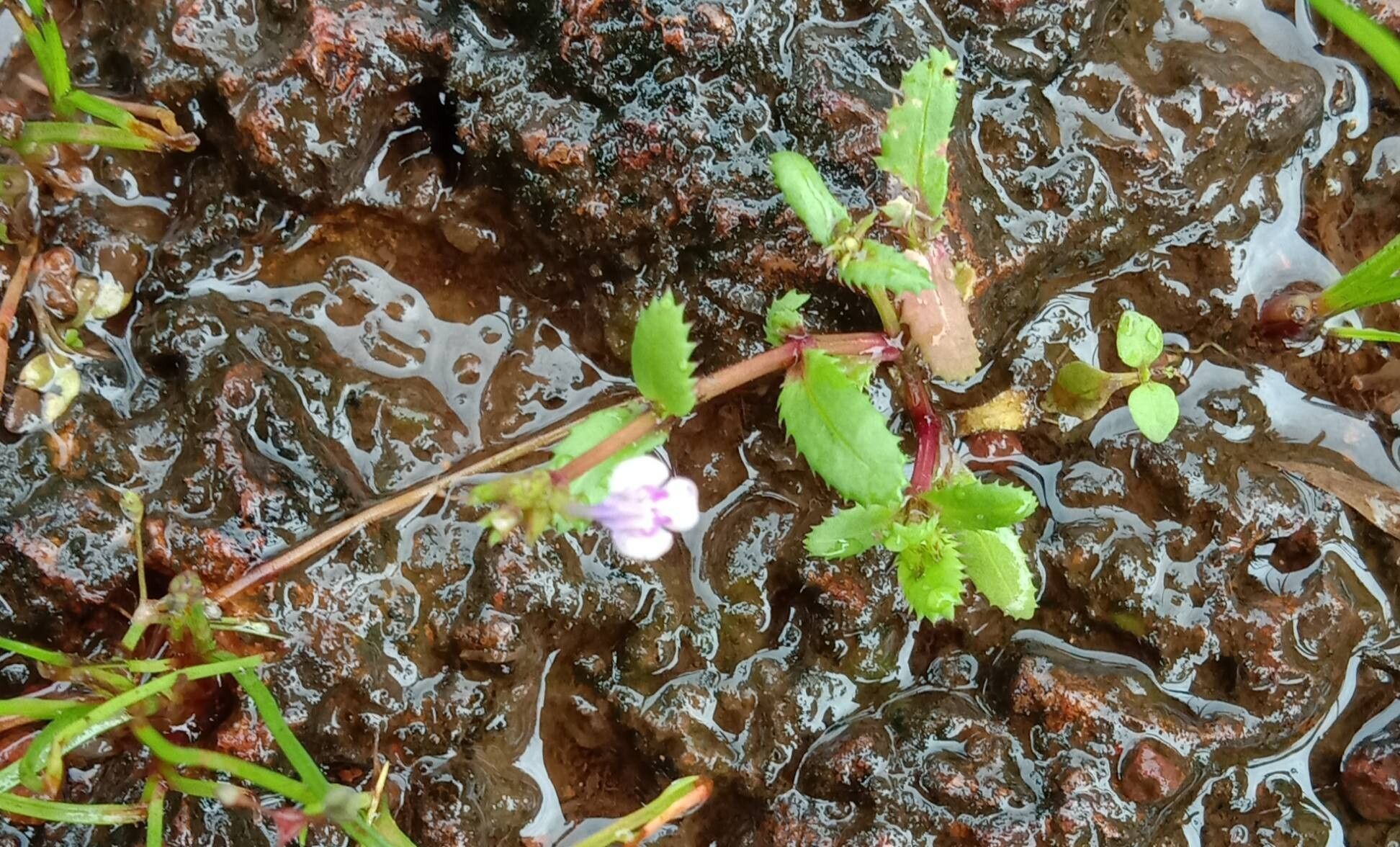
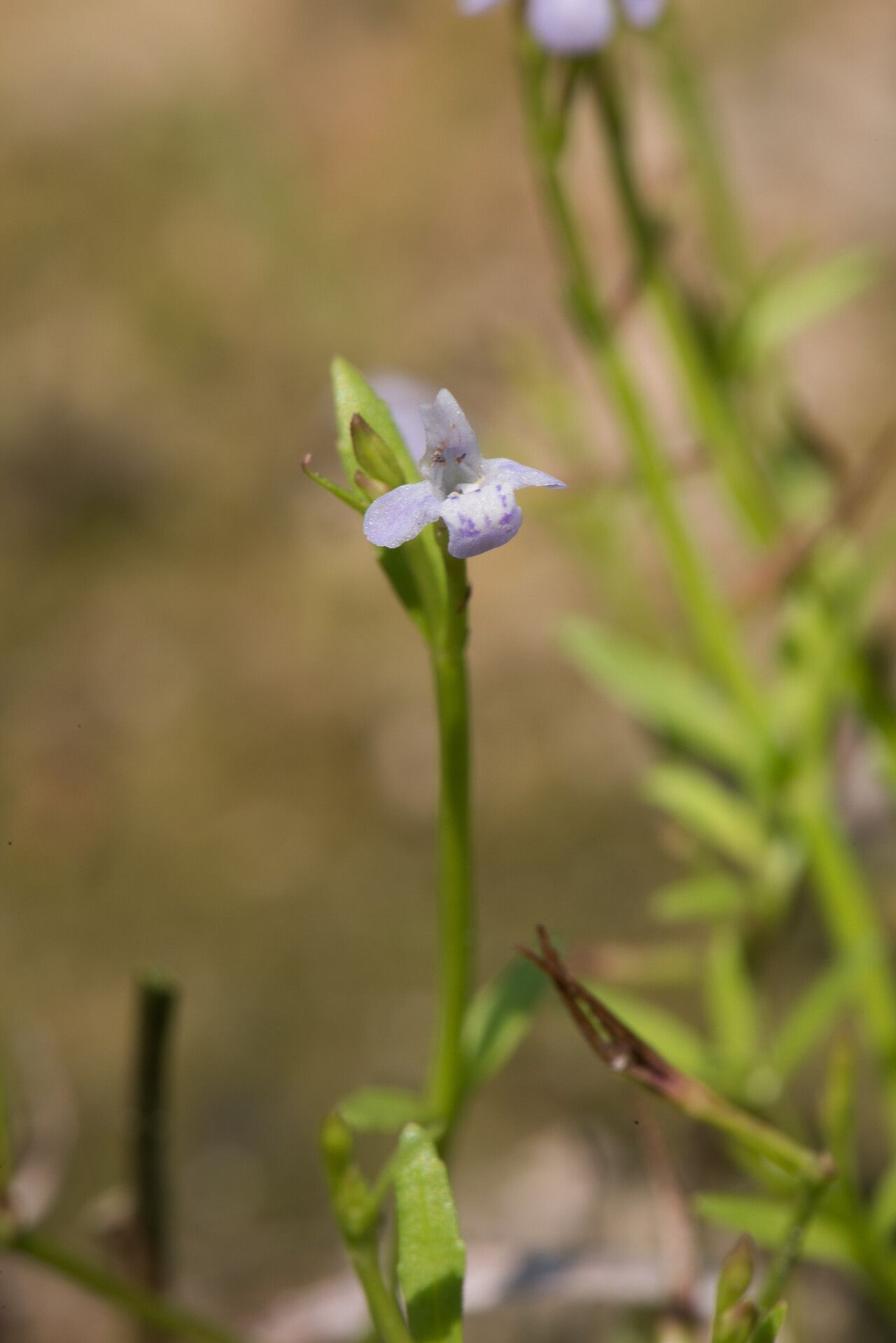
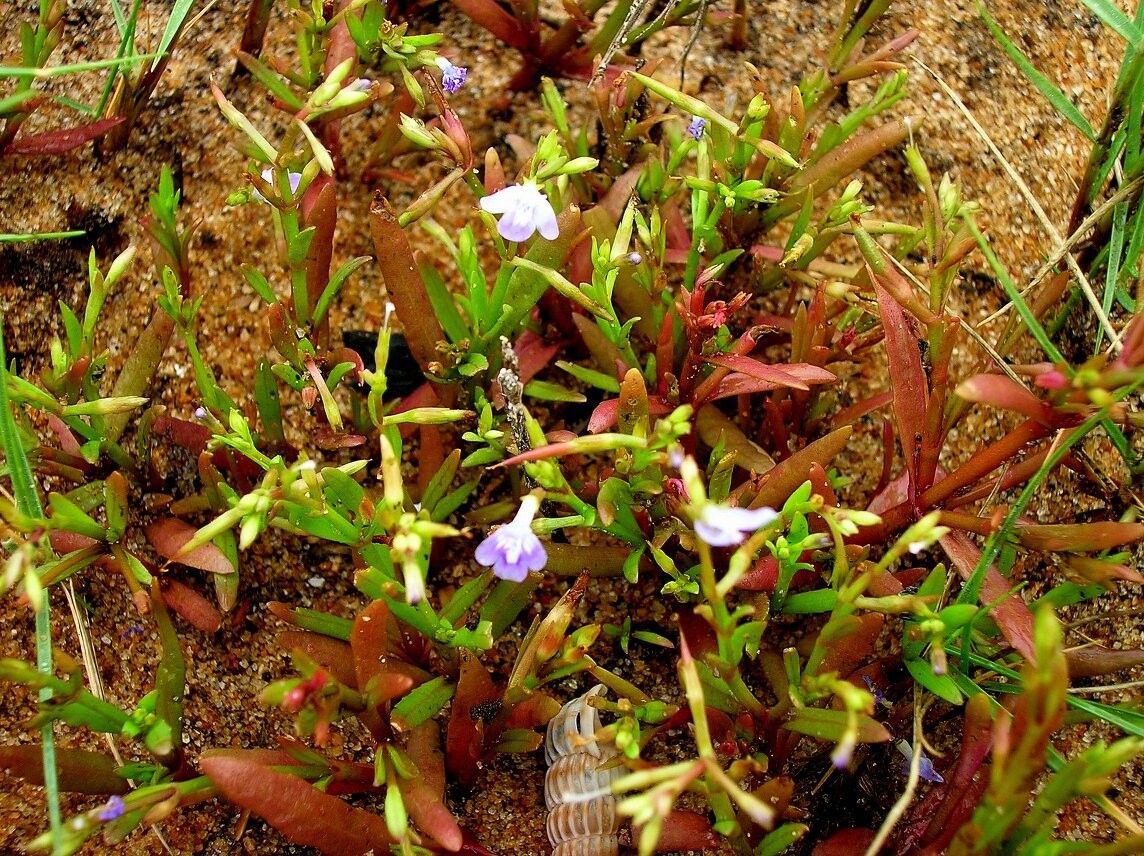
Bonnaya antipoda is a herbaceous perennial plant belonging to Linderniaceae family. It is native to tropical and sub-tropical Asia and Australia.
Sparrow false pimpernel has good disease resistance and is generally not prone to disease. However, it can still be affected by pests and diseases present in its environment. Such infections are typically mild. In terms of care, this plant requires moderate maintenance. Regular pruning is needed to preserve an attractive appearance and promote healthy growth. Fertilizing can also help encourage flowering. Sparrow false pimpernel is suitable for anyone with an outdoor area, such as a garden or patio, and does not demand extensive care experience. When grown indoors it may require more attention.
How to keep Bonnaya Antipoda.
Light
Sparrow false pimpernel is native to habitats with dappled sunlight, such as forest understories or rocky sites that provide natural shade. It grows best in partial sun but can also adapt to full sun conditions.
Water
The sparrow false pimpernel thrives in moist environments and prefers a balanced level of hydration. It should be watered weekly to keep the soil slightly damp but not waterlogged or too dry. Additionally, misting the plant regularly helps to replicate the high humidity of its natural habitat during its active growth periods.
Temperature
Sparrow false pimpernel comes from tropical areas where the climate is usually warm and humid. Consequently, it is adapted to high temperatures and moisture. It does not tolerate sudden temperature changes and prefers a steady temperature, so avoiding indoor temperature fluctuations is important. It typically cannot withstand cold and needs warmer conditions to grow. If the surrounding temperature falls too low, the plant may stop growing or even die.
Fertilizer
Sparrow false pimpernel benefits from regular, low-strength fertilizer applications to encourage healthy leaf development. You should feed Sparrow false pimpernel about once a month during the summer. Nitrogen is essential for foliage, and adding nitrogen-rich sources helps Sparrow false pimpernel thrive.
Pruning
The sparrow false pimpernel is a fast-growing plant that features delicate flowers. To promote growth and enhance flowering, it should be pruned in the spring. Remove any dead stems to improve air circulation and prevent disease. Always use clean tools when pruning, and maintain a tidy structure to support the plant's overall health and aesthetics.
Botanical profile.
- Plant Type
- Herb
- Life Cycle
- Annual, Perennial
- Genus
- Bonnaya
- Family
- Linderniaceae
- Hardiness Zone
- 9-11
- Mature Height
- 20 cm to 30 cm
- Mature Spread
- 5 cm to 15 cm
- Leaf Color
- Green
- Leaf Type
- Semi-evergreen
- Flower Color
- White
- Flower Size
- 15.24 cm
- Bloom Time
- Late spring, Summer, Early fall
- Planting Time
- Spring, Summer, Autumn
- Harvest Time
- Mid summer, Late summer, Fall
- Native Area
- Nepal, Sri Lanka, India, Malaysia, Philippines, Laos, Fiji, China, Indonesia, Cambodia, Vietnam, Myanmar, Japan, Bhutan, Singapore, Thailand
Other names.
Reader questions.
What are the sunlight requirements for Sparrow false pimpernel?
Sparrow false pimpernel prefers partial sun but can also tolerate full sun conditions. Partial sun means the plant should receive about 3-6 hours of sunlight per day, whereas full sun refers to more than 6 hours of sunlight daily. It's important to observe how sunlight moves through your garden to choose spots that provide the ideal balance of light and shade, ensuring the plants thrive in their environment.
How does artificial lighting support indoor plants?
Indoor plants, including Sparrow false pimpernel, require adequate lighting for optimal growth, particularly when natural sunlight is insufficient. Artificial lights are an effective solution, promoting faster and healthier growth. LED lights are popular for indoor plant lighting as they can be customized to provide specific wavelengths needed by the plants. Full sun plants need 30-50W/sq ft of artificial light, partial sun plants need 20-30W/sq ft, and full shade plants need 10-20W/sq ft. The light source should be placed 12-36 inches above the plant, mimicking natural sunlight, and most plants require 8-12 hours of light per day.
What are common symptoms of light deficiency in Sparrow false pimpernel?
Symptoms of light deficiency in Sparrow false pimpernel include smaller new leaves, leggy or sparse growth, faster leaf drop, slower or no new growth, lighter-colored new leaves, chlorosis, sunscald, leaf curling, wilting, and leaf scorching. These symptoms indicate that the plant is not receiving adequate sunlight, affecting its growth and overall health. Insufficient sunlight can lead to a lack of chlorophyll and essential nutrients, while excessive sunlight exposure can damage the plant tissue.
How can I address sunlight deficiency for Sparrow false pimpernel?
To address sunlight deficiency for Sparrow false pimpernel, gradually move the plants to sunnier spots each week until they receive 3-6 hours of direct sunlight daily, allowing them to adapt to changing light conditions. For indoor plants, use artificial light if the plant is large or not easily movable, keeping a desk or ceiling lamp on for at least 8 hours daily, or invest in professional plant grow lights. If outdoor plants are affected, move them gradually to avoid sunburn. Additionally, ensure there are no obstructions blocking sunlight and consider transplanting smaller plants to sunnier locations during their dormant period.