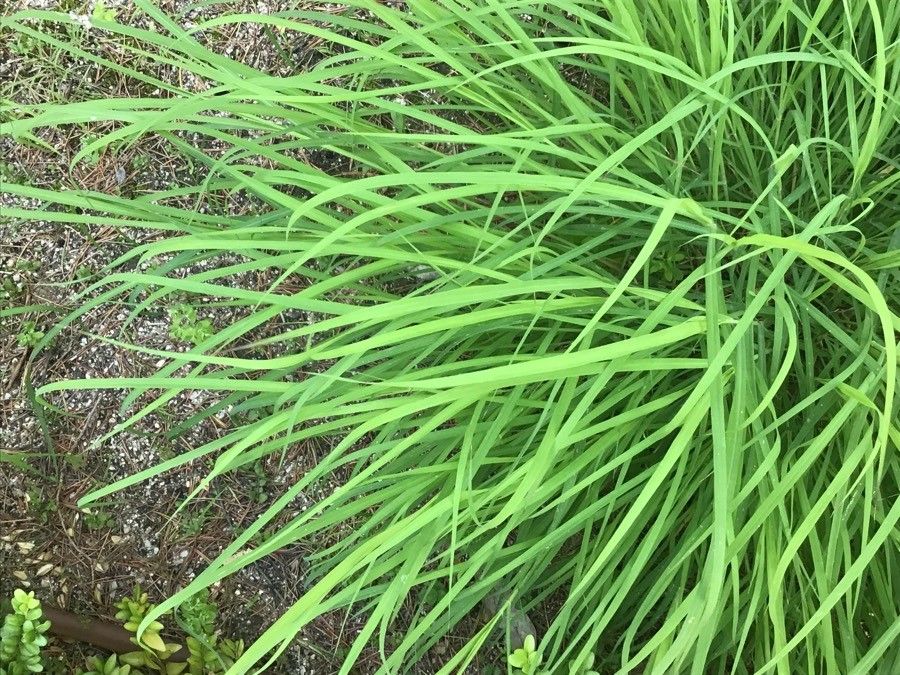
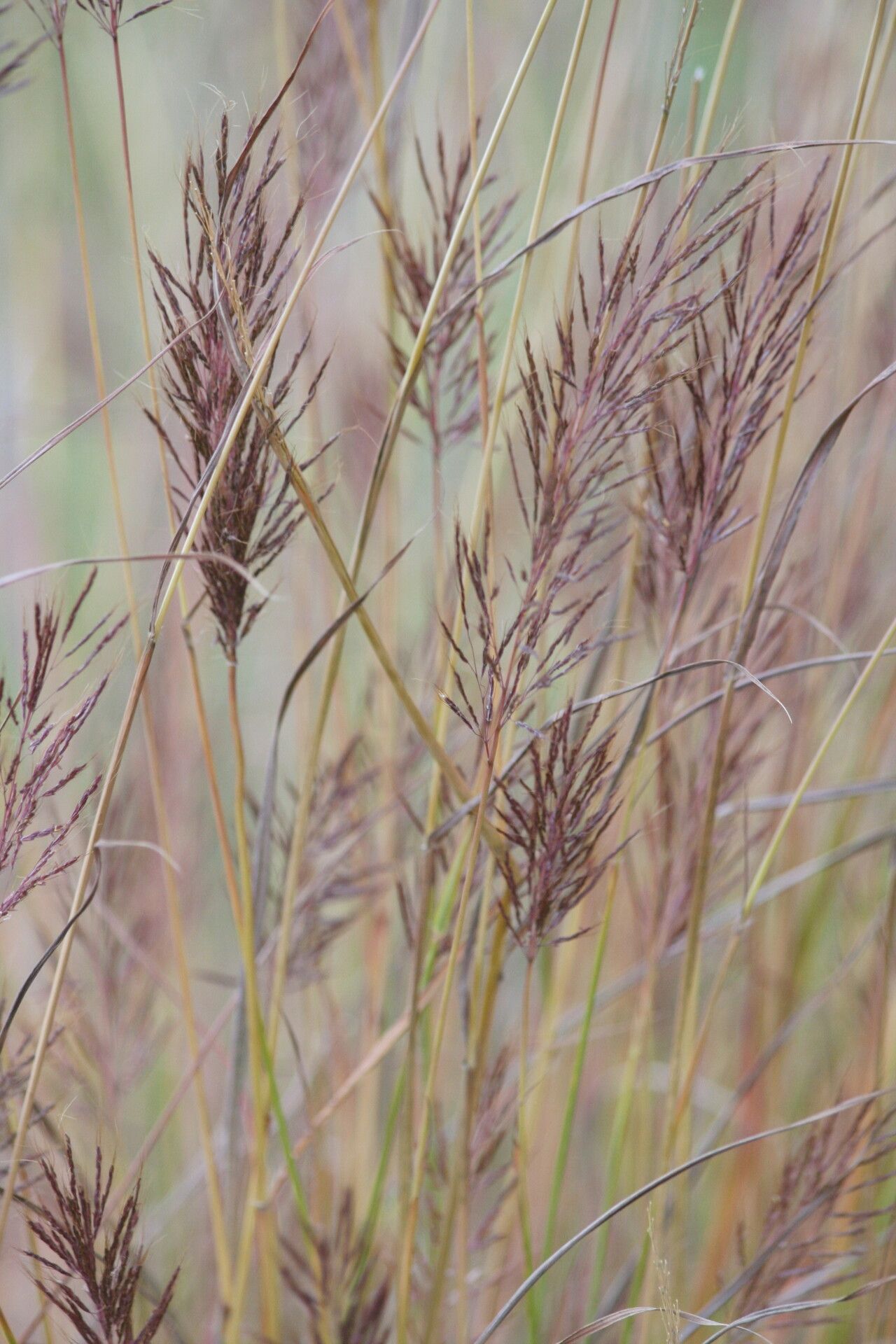
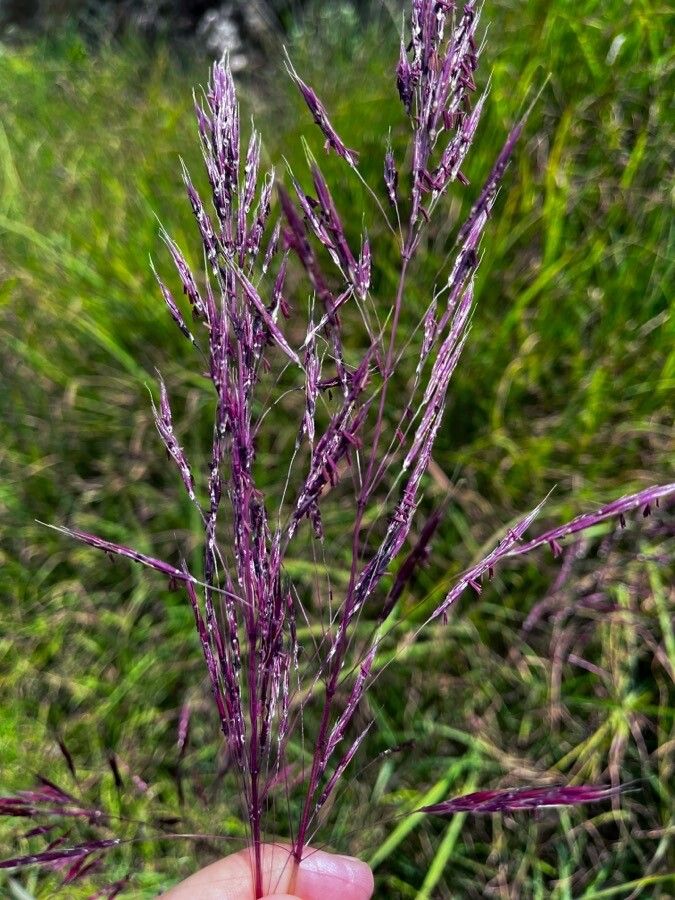
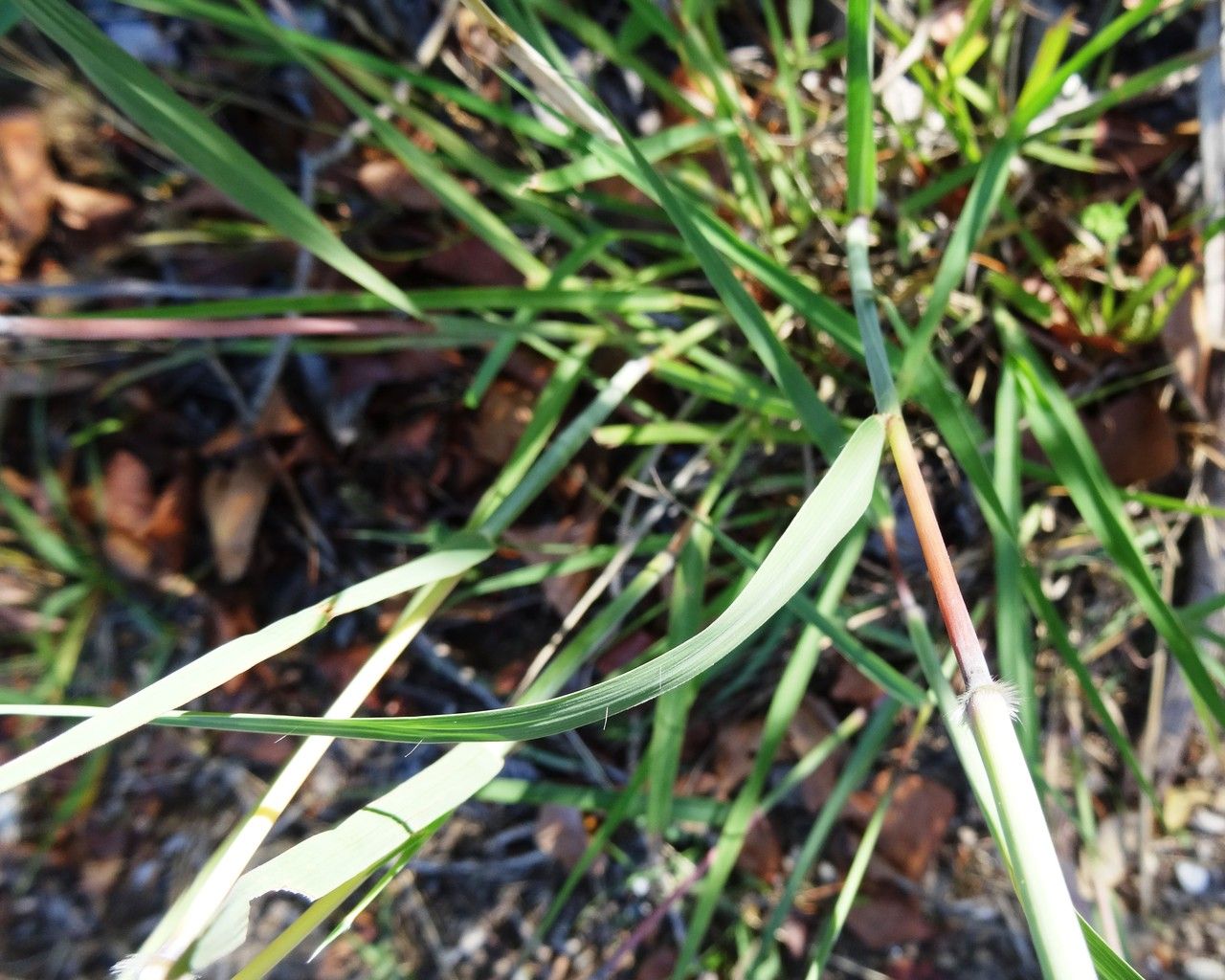
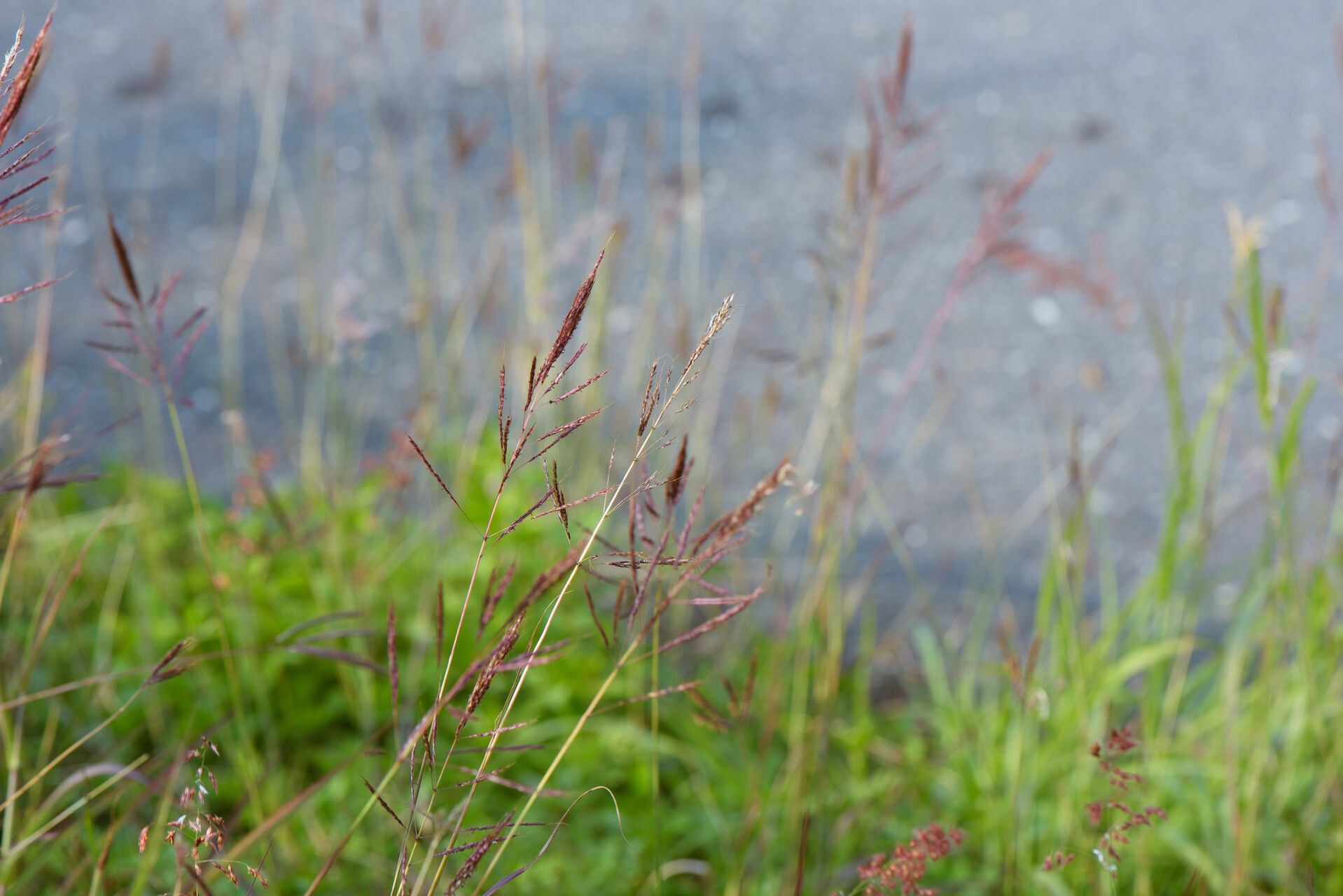
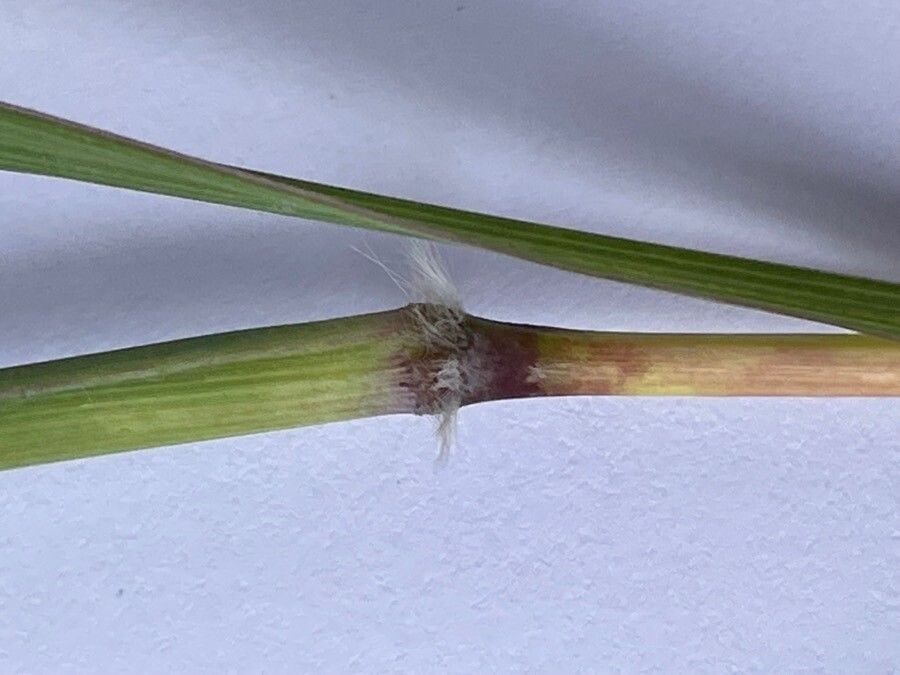
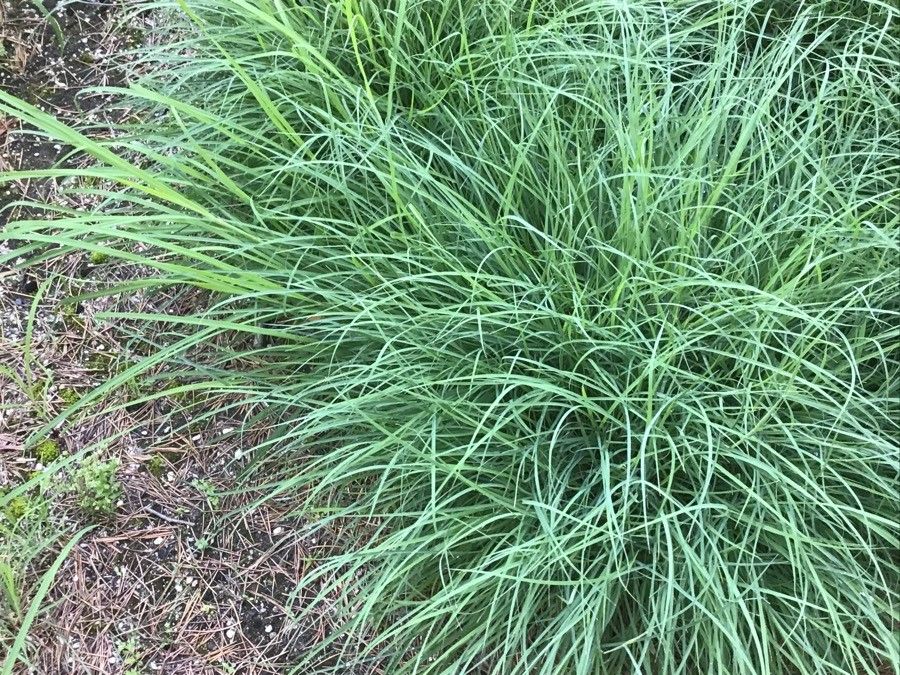
Bothriochloa bladhii (commonly called, variously, Australian bluestem, Caucasian bluestem, forest-bluegrass, plains bluestem, and purple plume grass) is a Neotropic grass in the family Poaceae, found primarily in tropical Africa, and tropical and temperate Asia, and Australia. The type specimen was collected from China by Finnish botanist Peter Johan Bladh. The name of Bladh is honored in the specific epithet.
Blue grass has strong resistance to disease and is generally not susceptible to illnesses. In terms of care, this plant is fairly low-maintenance. Planted outdoors, it needs only minimal watering, and larger plants typically do not require pruning. Smaller plants, however, should be pruned after they have bloomed. Blue grass is suitable for anyone with an outdoor area, such as a garden or a deck, and does not demand a lot of caretaking experience.
How to keep Bothriochloa Bladhii.
Light
Blue grass has naturally adapted to endure strong sunlight and can handle moderate sun. It hails from a region where daylight is plentiful, allowing the plant to thrive when it gets plenty of sun exposure. However, too much or too little exposure to sunlight can impact its vigorous growth.
Temperature
Blue grass is indigenous to regions where the temperature varies from 41 to 77 °F (5 to 25 ℃). It is partial to temperate weather conditions and necessitates accommodation to fluctuations in seasonal temperatures.
Fertilizer
Blue grass necessitates extra nutrients to stimulate robust new growth. Distributing some compost around the plant's base in the spring season can adequately supply the essential nutrients it requires. Fertilization plays a pivotal role in bolstering strong growth and helps the plant fend off diseases and pests.
Pruning
To promote the health and shape of blue grass, it's best to prune it in early spring before new growth begins. Start by removing dead stems and thinning out dense areas to improve air circulation, which helps reduce the risk of diseases. This practice encourages fresh growth and enhances the grass's overall vigor, giving it a lush appearance that lasts throughout the year.
Botanical profile.
- Plant Type
- Grass
- Life Cycle
- Perennial
- Genus
- Bothriochloa
- Family
- Poaceae
- Hardiness Zone
- 4
- Mature Height
- 49 cm to 91 cm
- Mature Spread
- 61 cm
- Leaf Color
- Green, Light Green
- Leaf Type
- Semi-evergreen
- Flower Color
- Yellow, Green, Purple, Brown
- Flower Size
- 3.05 cm to 7.62 cm
- Bloom Time
- Summer
- Planting Time
- Summer
- Harvest Time
- Late summer, Early fall, Mid fall
- Native Area
- Sri Lanka, Burkina Faso, Turkey, Malaysia, India, Angola, Namibia, Madagascar, Pakistan, Nigeria, Yemen, Kenya, Uganda, Tanzania, Zimbabwe, Uzbekistan, Russia, Mali, Benin, Indonesia, Cameroon, Burundi, Mozambique, Oman, Ghana, Ethiopia, Botswana, Nepal, Malawi, Tajikistan, South Africa, Zambia, Sudan, Philippines, Laos, Bangladesh, Armenia, Chad, China, Afghanistan, Kyrgyzstan, Kazakhstan, Vietnam, Myanmar, Japan, Bhutan, Senegal, Eswatini, Iran, Côte d'Ivoire, Azerbaijan, Congo (DRC), Thailand
Other names.
Reader questions.
What are the sunlight requirements for Blue Grass (Bothriochloa bladhii)?
Blue Grass (Bothriochloa bladhii) thrives in environments that provide it with plenty of sunlight. It is naturally accustomed to intense exposure, flourishing in full sun, defined as above 6 hours of sunlight daily, although it can also cope with moderate sun, or partial sun, which is about 3-6 hours sunlight. It's crucial to observe your garden's sun patterns to ensure your plants receive the appropriate balance of light and shade for optimal growth. Insufficient or excessive sunlight can lead to various growth issues.
How does artificial lighting benefit Blue Grass indoors?
When natural sunlight is insufficient, especially during winter or in less sunny spaces, artificial lighting is crucial for the optimal growth of Blue Grass indoors. Choose the right artificial light, such as LED lights, which can be customized to provide specific wavelengths needed by your plants. Full sun plants require 30-50W/sq ft of artificial light, partial sun plants need 20-30W/sq ft, and shade plants need 10-20W/sq ft. Proper placement (12-36 inches above the plant) and duration (8-12 hours per day) of artificial lighting mimic natural sunlight conditions, promoting healthier growth.
What are the common symptoms of inadequate lighting in Blue Grass?
Blue Grass shows several symptoms when exposed to inadequate lighting, including smaller new leaves, leggy or sparse growth, faster leaf drop, slower or ceased new growth, lighter-colored or chlorotic leaves, sunscald, leaf curling, wilting, and leaf scorching. These symptoms indicate the plant is not receiving the optimal light levels needed for its robust growth, leading to a reduction in its overall health and ability to photosynthesize efficiently.
What solutions can address light deficiency issues in Blue Grass?
To combat light deficiencies in Blue Grass, consider gradually moving indoor plants to sunnier locations until they receive at least 6 hours of direct sunlight daily, using south-facing windows for the best exposure. For plants that are large or not easily movable, using artificial light for at least 8 hours a day can be beneficial. Outdoors, gradually adapt your plants to brighter spots to prevent sunburn. Reducing obstructions like tall trees through pruning and transplanting smaller plants during their dormant period can also improve sunlight exposure. Note that while previously affected plant parts may not recover, new growth should be healthy with improved light conditions.