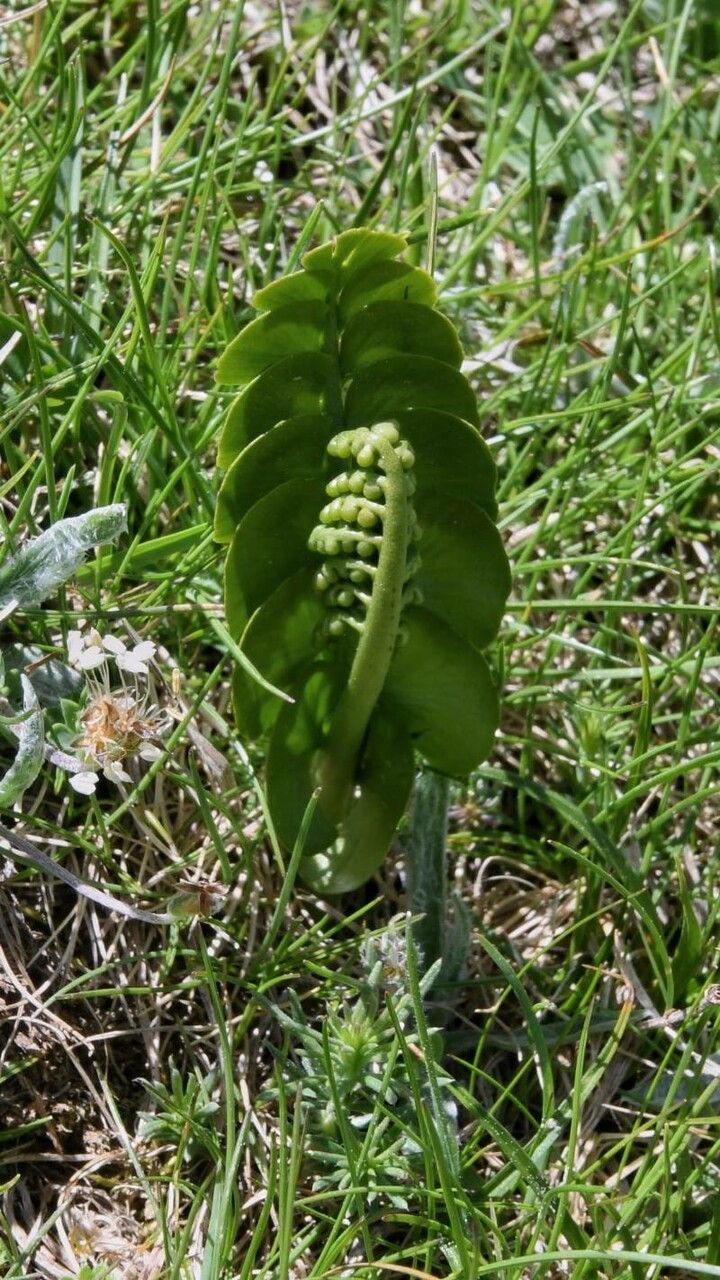
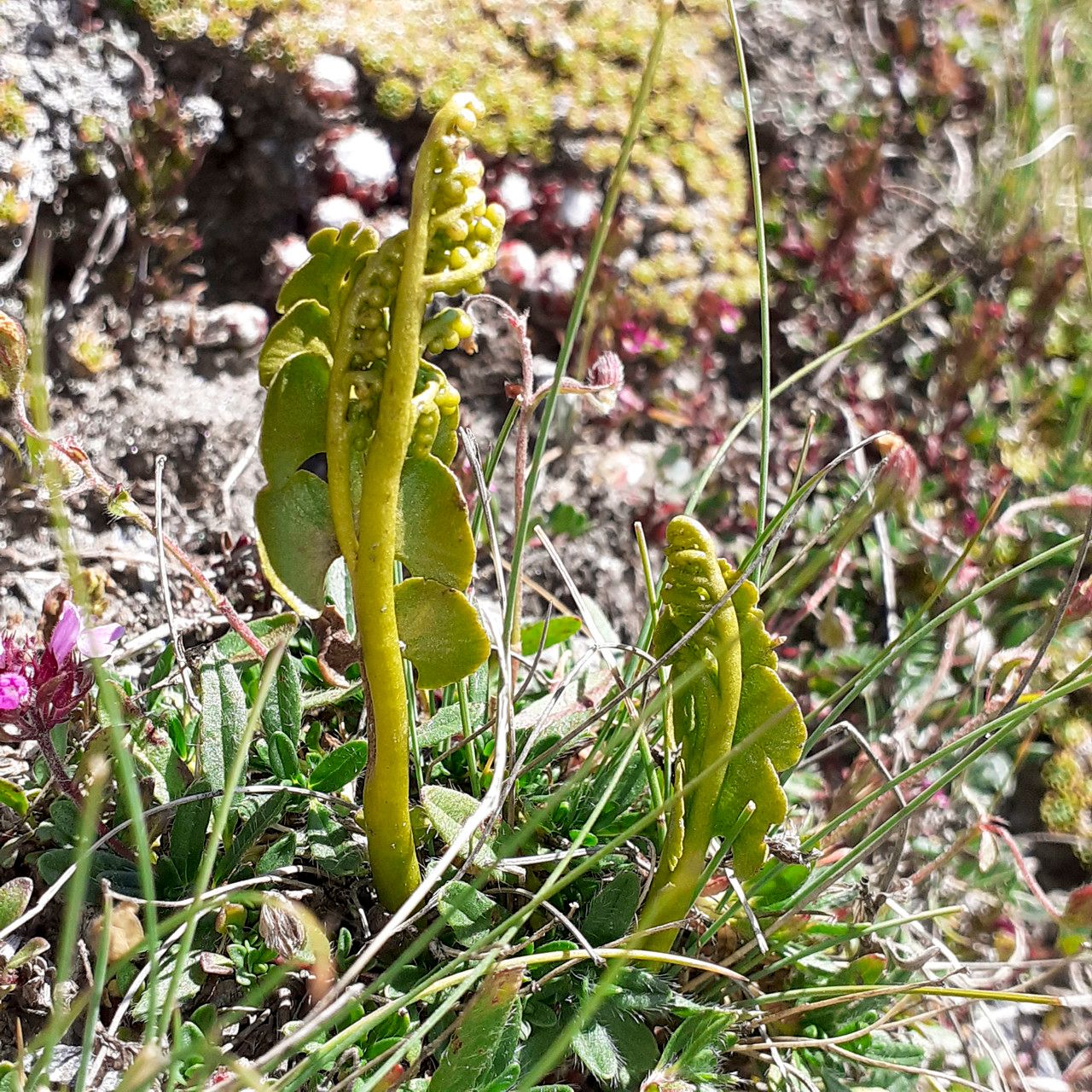
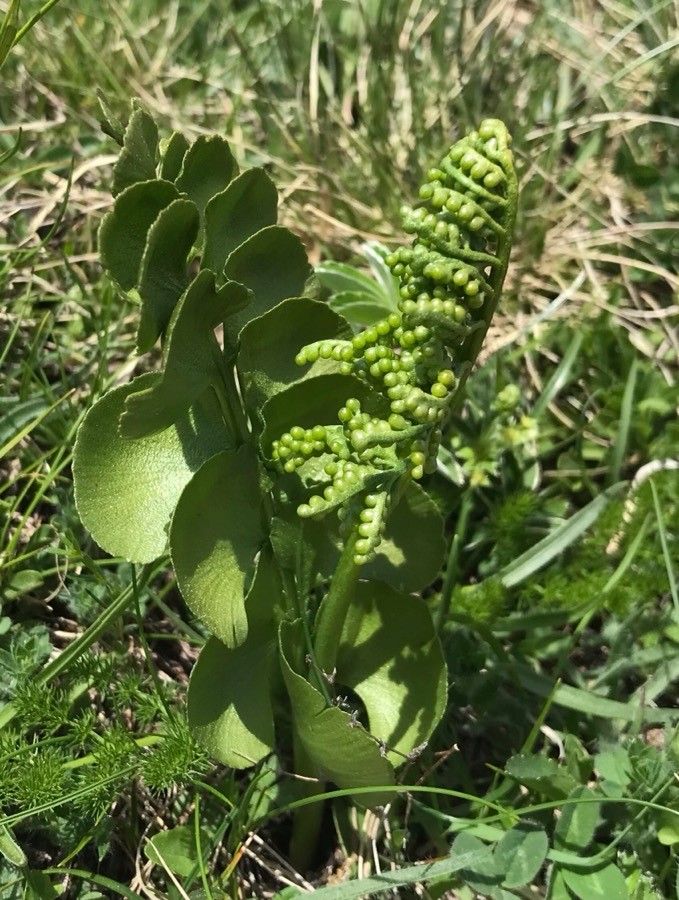
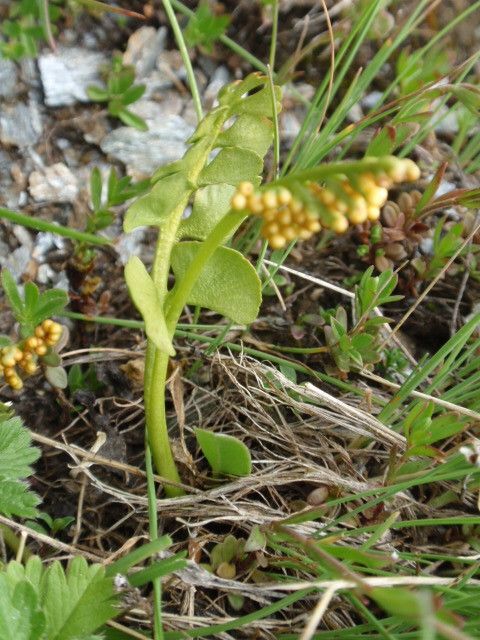
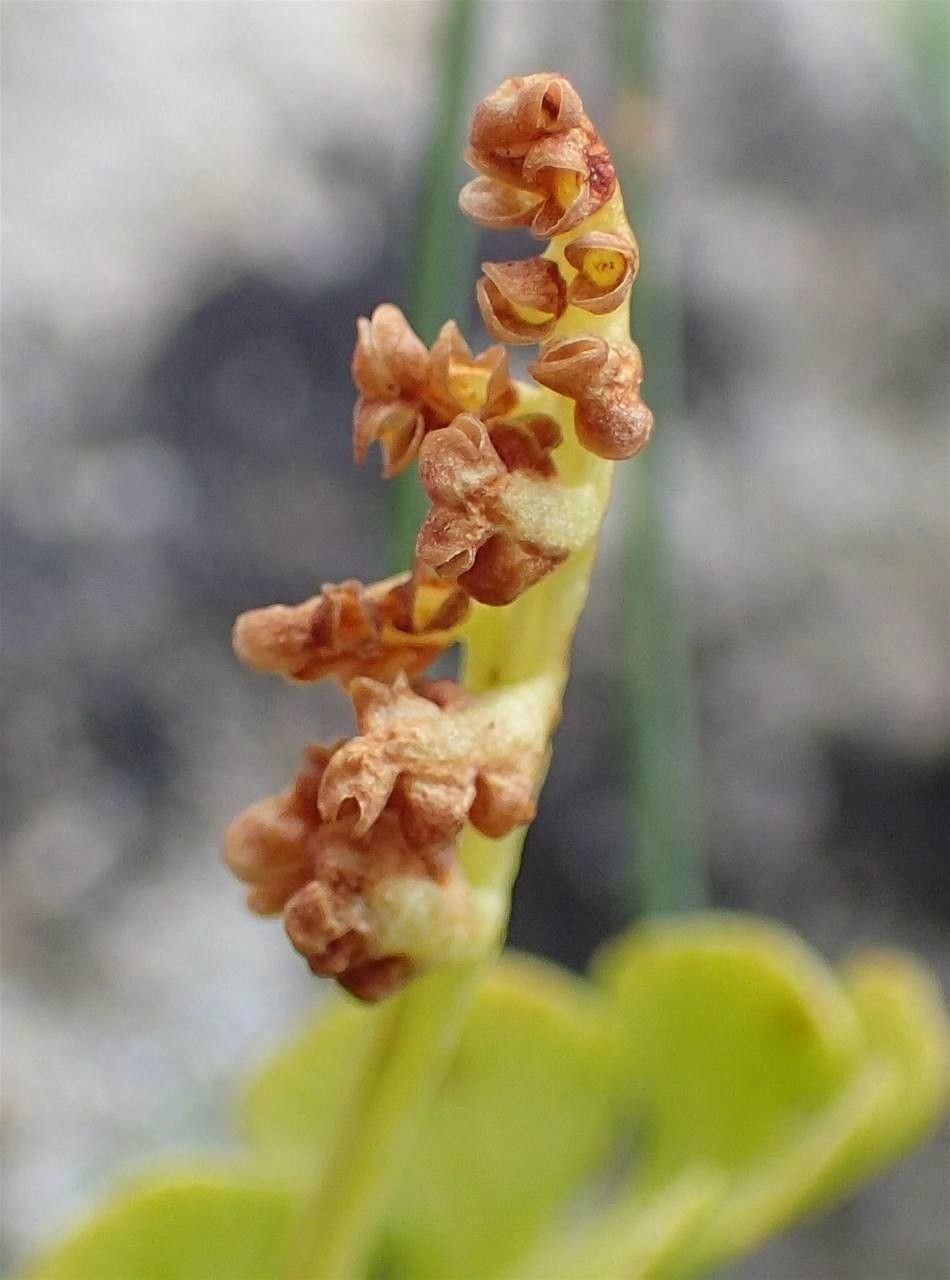
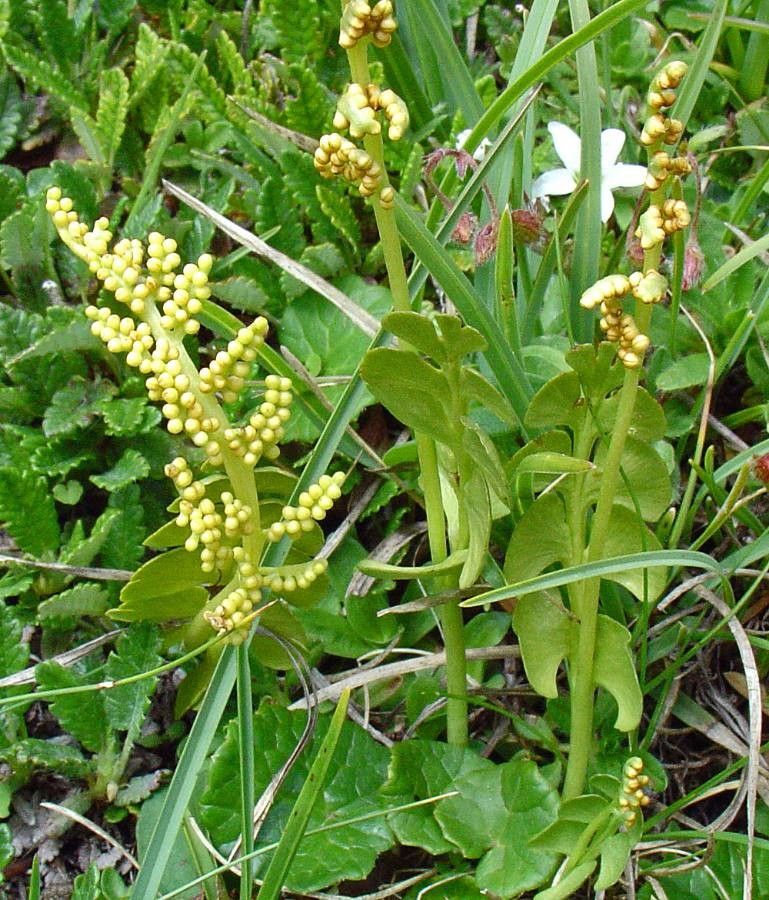
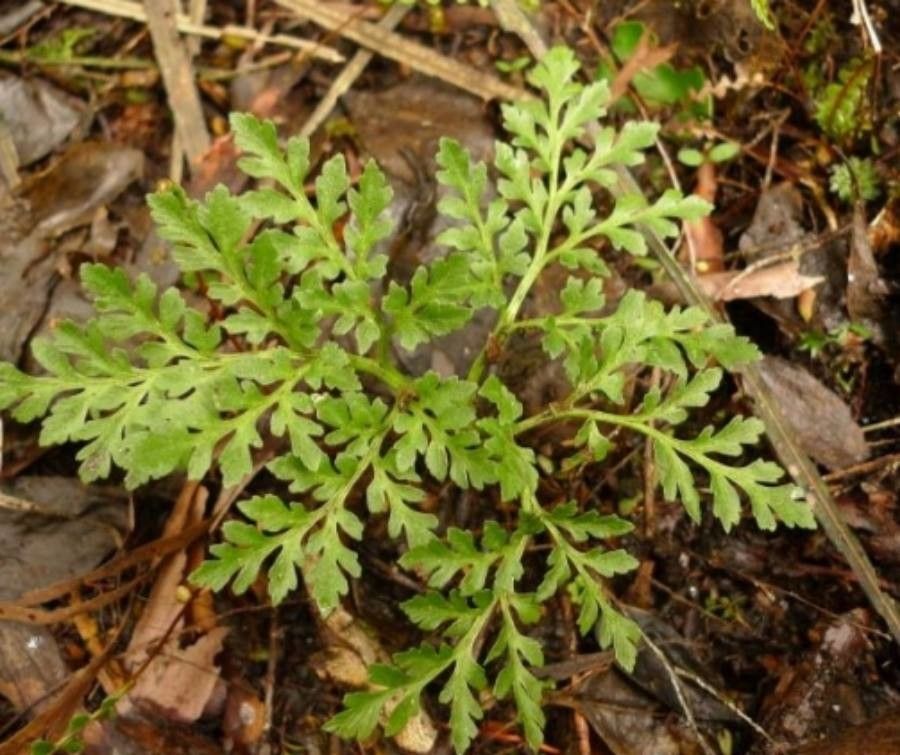
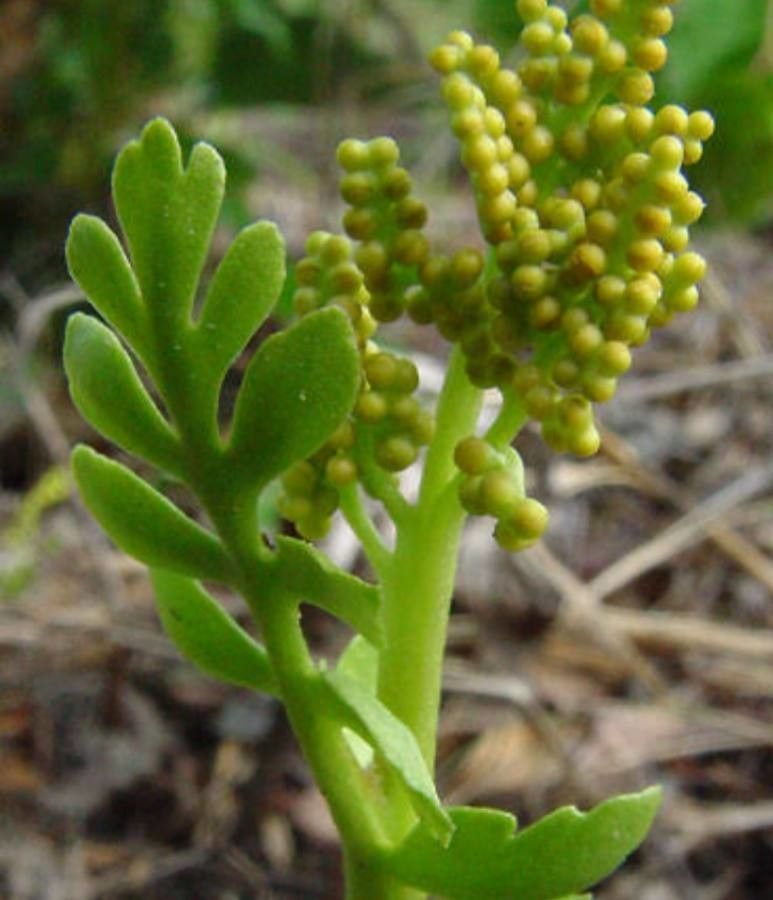
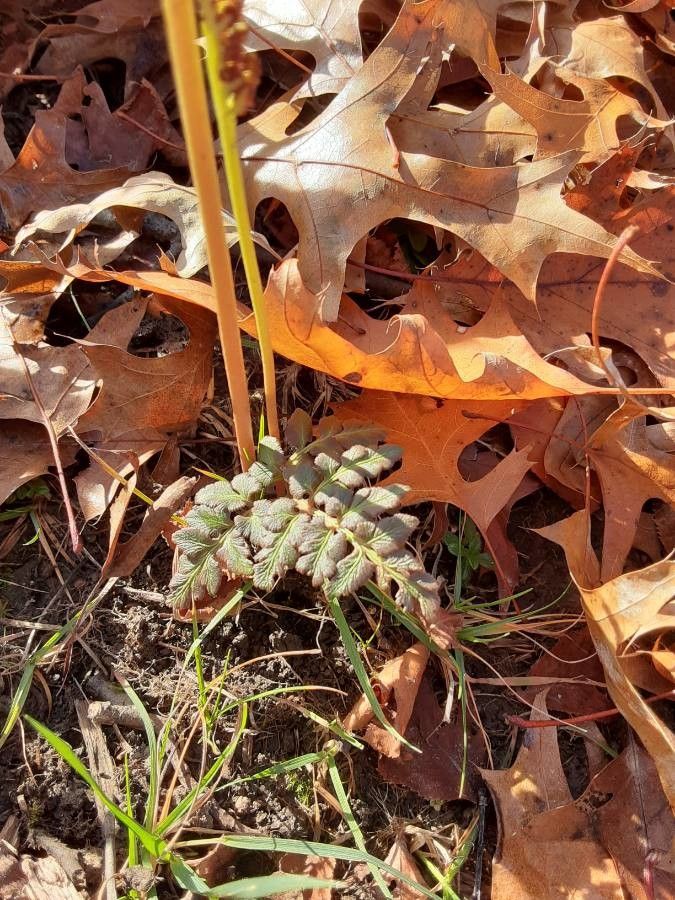
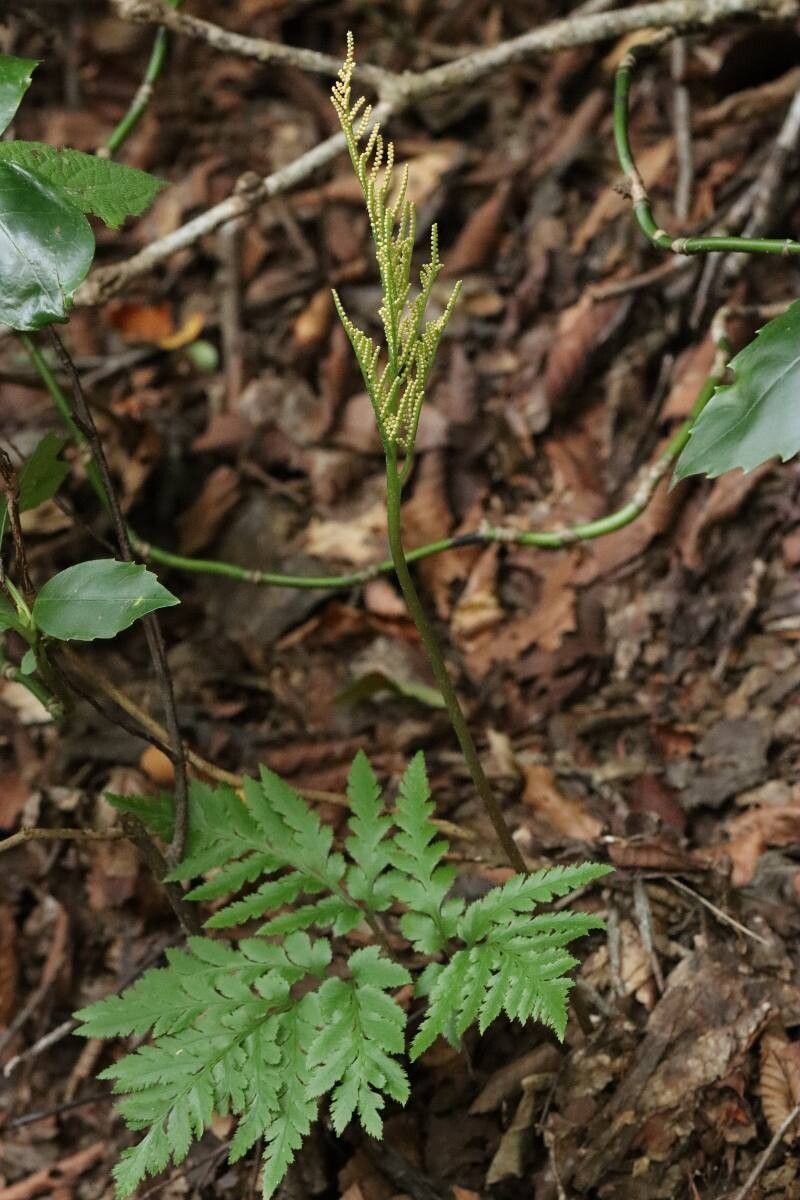
Botrychium lunaria, commonly known as moonwort, is a small fern that belongs to the family Ophioglossaceae. Native to North America, this plant thrives in various habitats including forests, meadows, and rocky slopes.
Moonwort has a distinctive appearance. Its fronds grow in a circular pattern that resembles a crescent moon. These fronds typically range from 5 to 20 cm in length and feature small leaflets arranged in pairs along the stem.
The fern reproduces through spores, which are produced on separate fertile fronds that sprout from the base of the sterile fronds. These spores are dispersed by wind or water.
Native American tribes have historically used moonwort for medicinal purposes, treating ailments such as fever and digestive issues. However, it's important to note that scientific evidence supporting these medicinal claims is limited.
Moonwort is also considered an indicator species of healthy ecosystems due to its sensitivity to environmental changes like pollution or habitat destruction.
In summary, Botrychium lunaria is an intriguing fern with unique characteristics and significant ecological importance in North America's natural landscapes.
Common moonwort is fairly resistant to disease and typically does not suffer from many illnesses. That said, it can still be affected by pests and diseases present in its environment. When infections do occur, they tend to be mild. Regarding maintenance, this plant needs a moderate amount of care. Regular pruning is necessary to preserve its appearance and support healthy growth. Applying fertilizer can also encourage it to flower. Common moonwort is a good choice for anyone with outdoor areas like a garden or patio and does not demand extensive gardening experience. It can need more attention if cultivated indoors.
How to keep Botrychium Lunaria.
Light
The common moonwort grows best when bathed in full sunlight all day, though it can tolerate reduced exposure. Native to areas with plentiful sun, its development is strongly affected by light. Insufficient light can stunt its growth, while too much can scorch and damage the plant.
Water
Common moonwort thrives in environments with moderate moisture levels, requiring weekly watering to stay healthy. Its growth cycle corresponds to the availability of water, which suits conditions similar to its natural habitat. Generally hardy, common moonwort is often cultivated outdoors and exhibits active growth during wetter periods.
Temperature
Common moonwort naturally occurs in areas where temperatures range from 32 to 70 °F (0 to 21 °C). The species prefers moderate temperatures and thrives best when those conditions are present throughout the seasons.
Fertilizer
Usually one fertilizer application in spring is enough for Common moonwort, but additional feedings can boost growth. Apply fertilizer every month to six weeks. Fertilization improves the leaves' appearance and function, helping them keep an even color and healthy texture. It also encourages root development and nutrient uptake for the plant's long-term health.
Pruning
Common moonwort benefits from minimal pruning, primarily involving the removal of dead fronds from early to late spring. This practice encourages healthy growth and helps prevent disease. Be sure to sterilize your tools before use. Regular maintenance not only enhances the plant's appearance but also supports its overall health, ensuring it remains a beautiful addition to your garden.
Botanical profile.
- Plant Type
- Herb
- Life Cycle
- Perennial
- Genus
- Botrychium
- Family
- Ophioglossaceae
- Hardiness Zone
- 1
- Mature Height
- 30 cm
- Mature Spread
- 2 cm to 10 cm
- Leaf Color
- Light Green, Yellow Green
- Leaf Type
- Deciduous
- Flower Size
- 1.02 cm to 2.03 cm
- Bloom Time
- Summer
- Planting Time
- Spring, Summer
- Native Area
- Turkey, Sweden, India, Austria, Slovakia, Montenegro, Pakistan, Slovenia, Morocco, Croatia, Belarus, Uzbekistan, Russia, Germany, Iceland, Estonia, Koppen, Romania, Latvia, Belgium, Netherlands, Nepal, France, Tajikistan, Czech Republic, Bulgaria, Armenia, Poland, Greece, Ukraine, New Zealand, Serbia, China, Lithuania, Norway, Afghanistan, Kyrgyzstan, Kazakhstan, Italy, Spain, Switzerland, Denmark, Japan, Mongolia, Finland, Bhutan, Iran, Albania, Ireland, United Kingdom, Hungary, Azerbaijan, Turkmenistan
Other names.
Reader questions.
How should I water my Common moonwort?
To properly care for the Common moonwort, use filtered water at room temperature. Tap water may have harmful particles, so it's best to avoid it. The Common moonwort is accustomed to warm environments, so cold water can be stressful for it. Avoid overhead watering as it can cause issues with the foliage. Instead, thoroughly water the soil with filtered room temperature water. This helps to moisturize the roots and allows them to spread and gather essential nutrients.
What are the sun requirements for Common moonwort?
Common moonwort thrives best in conditions where it can soak in the full light of the sun throughout the day, although it is capable of managing with less exposure. It requires full sun, defined as above 6 hours of sunlight a day, but can also grow in partial sun, which means about 3-6 hours of sunlight. It's important to observe how sunlight moves through your garden to find spots that offer the right balance of light and shade, ensuring the plants' optimal growth.
What are the ideal temperature conditions for Common Moonwort?
Common Moonwort, or Botrychium lunaria, thrives in temperatures ranging from 32 to 70°F (0 to 21°C), enjoying moderate temperatures throughout the year. It is a species that appreciates the consistency of these conditions across different seasons to flourish optimally. Additionally, Common Moonwort is quite cold-tolerant, indicating it doesn't need extra protection against frost during the winter months. To prepare it for winter, it's advisable to water the plant generously before the first freeze in autumn, ensuring the soil stays moist and enters a frozen state. This measure helps in preventing drought and water scarcity for the plant during the colder months and early spring.
What should I do if I give my Common moonwort plant too much water or too little water?
Overwatering your Common moonwort is a more common issue compared to underwatering, but both can harm the plant's health. If your moonwort receives excess water, its stems and leaves may wilt, turn yellow, and even develop diseases like root rot, mold, or mildew which can be fatal. While underwatering is less likely, it can still happen, causing the moonwort's leaves to become brittle and brown. It's important to recognize the signs of overwatering early on to prevent irreversible damage. If you notice these signs, reduce your watering immediately and consider replacing the soil if it doesn't drain properly. Conversely, if you notice signs of underwatering, simply increase your watering until the plant recovers.
What essentials do I need to know about Common moonwort's growth?
The growth of Common moonwort is significantly influenced by sunlight, as it originates from habitats with abundant sunlight. Inadequate light can stunt its growth, while excessive exposure can damage the plant. In scenarios where natural light is insufficient, especially during winter or in less sunny spaces, artificial lighting can be a crucial alternative. LED lights are recommended for indoor plants because they can provide specific wavelengths needed for plant growth. The amount of artificial light required varies: 30-50W/sq ft for full sun plants, 20-30W/sq ft for partial sun plants, and 10-20W/sq ft for full shade plants. The proper distance for the light source is 12-36 inches above the plant, and the duration of exposure should mimic natural daylight hours, usually 8-12 hours per day.
How does Common Moonwort respond to low temperatures?
Common Moonwort is extremely tolerant to cold temperatures, capable of withstanding winter temperatures down to -45°C without significant immediate visible damage. However, if temperatures fall below this threshold, issues may arise with the plant's ability to sprout during the following spring. There might be a noticeable decrease in sprouting, or in some cases, no sprouting at all. A practical solution for this scenario in the spring is to remove any parts of the plant that have failed to sprout, enabling healthier growth for the remainder of the plant.
How often do I need to water my Common moonwort?
If your Common moonwort plant is in a pot, the most accurate way to determine if it needs water is by putting your finger into the soil. If you find that the top two to three inches of soil are dry, it's time to water it. The same method can be used if you're growing the Common moonwort outdoors in the ground. Once the top few inches of soil have dried out, it's time to water it. Typically, during spring and early fall, watering once a week is sufficient. However, during extremely hot weather, you might need to water it twice or more per week. It's worth noting that mature and well-established Common moonwort plants have a remarkable ability to tolerate drought.
What are the symptoms of inadequate light for Common moonwort?
When Common moonwort does not receive enough light, several symptoms can appear. New leaves might grow smaller, and the plant may display leggy or sparse growth, creating a stretched-out appearance. It may also experience faster leaf drop, slower or halted growth, and lighter-colored or chlorotic (yellowing) leaves due to insufficient sunlight. Excessive light can lead to sunscald, which damages plant tissue, leaf curling as a defense mechanism against water loss, wilting from excessive transpiration, and leaf scorching, manifested as brown, dry edges on leaves. These symptoms highlight the plant's struggle to adapt to improper lighting conditions.
How should Common Moonwort be cared for in high temperatures?
Common Moonwort shows a high sensitivity to temperatures exceeding 21°C, where its growth may halt, and it becomes increasingly vulnerable to rot. When faced with high temperature conditions, immediate steps should be taken to mitigate the risk. This includes trimming away any parts of the plant that have been sunburned or dried up. Relocating the plant to an area with ample shade during the peak sun hours of midday and afternoon, or employing a shade cloth, can significantly help. Additionally, watering the plant during the cooler times of the morning and evening can contribute to maintaining the necessary soil moisture to support its health and growth.
How much water does my Common moonwort plant require?
When watering your Common moonwort, don't hold back on the amount of water you give. Wait until the first two to three inches of soil are dry, and then give the plant a good watering. Make sure to thoroughly soak the soil, allowing excess water to flow out of the drainage holes in the pot. If you don't see water draining from the pot, you may not be giving enough water. However, be careful not to let water accumulate in the soil, as this can harm the plant. On the other hand, if water isn't draining properly through the pot, it could be due to poorly draining soil, which is not good for the plant's health. If the plant is outside, it only needs about 1 inch of rain per week.
How can I address light-related issues for Common moonwort?
To address light-related issues in Common moonwort, indoors, you can gradually move the plant to a brighter location to achieve at least 6 hours of sunlight daily, use south-facing windows for maximum exposure, or employ artificial lights, like desk lamps or grow lights, for at least 8 hours a day. Outdoors, adapt plants to brighter conditions by gradually moving them to sunnier spots each week to avoid sunburn. It's crucial to avoid sudden changes in light intensity. For ground plants, consider pruning trees that obstruct sunlight or transplant smaller plants during their dormant period to a location with more sunlight and good drainage. Note that parts of the plant damaged by insufficient light may not recover, but new growth should be healthy with increased light exposure.
How should I water my Common moonwort as it grows?
The water requirements of the Common moonwort can vary depending on different growth stages. In the early years of its life or when it has been recently transplanted, it will require more water than usual. During these stages, the Common moonwort focuses on developing new roots to support future growth, so they require a bit more moisture. However, as the plant becomes more mature, it will need less water. Additionally, during the bloom period, when the plant is developing flowers, it may require additional water due to the increased moisture needs.