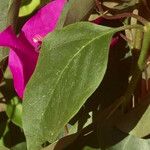
Bougainvillea spectabilis
گل کاغذی · بوگن ویلیا · جهنمية · Βουκαμβίλια · Great bougainvillea
Description
Source: leafsnapBougainvillea spectabilis is a tropical plant native to South America, now widely cultivated across the globe. This woody vine can grow up to 30 feet long and produces vibrant, showy flowers in pink, purple, red, and orange hues. Interestingly, the true flowers are small and white, but they are surrounded by brightly colored bracts that create the plant's striking appearance. Bougainvillea spectabilis thrives in warm temperatures and requires full sun exposure. While it can tolerate drought conditions once established, regular watering is essential during its initial growth period. This plant is often used as an ornamental feature in gardens or as a decorative element on walls and trellises. Besides its aesthetic appeal, Bougainvillea spectabilis has been used for medicinal purposes by indigenous people for centuries. Its leaves have traditionally been used to treat various ailments, such as coughs, fever, and inflammation. Overall, Bougainvillea spectabilis is not only an attractive tropical plant but also possesses cultural significance that extends beyond its beauty.
💡 The bougainvillea is known for its graceful posture, unique flower shape, and vibrant colors. During its blooming season, it captivates with its bright and dazzling display. The blossoms, in vivid shades of red and purple, appear exuberant and full of life, making them a favorite among many.
🌳 The vivid bracts of the great bougainvillea are not only visually attractive but have also inspired creative expression in human culture, especially among artists and fabric designers. Those striking colors are frequently reproduced in artworks and textile motifs. In addition, the plant is suggested to have phytoremediation potential because it can accumulate certain heavy metals, revealing a lesser-known aspect of its versatility.
🎭 Enthusiasm, perseverance, tranquility, unrestricted trade
Care Guide
💧 Water Every 7 days
Native to the tropical regions of South America, great bougainvillea thrives in high humidity and warm temperatures. To keep the plant healthy, water it every 1-2 weeks, ensuring the soil remains moist without becoming waterlogged. As an evergreen, it requires consistent soil moisture to support its foliage, especially when grown outdoors in full sunlight.
When Should I Water My Great Bougainvillea?
Watering your great bougainvillea is critical for its health, growth, and flowering. The main indicators for watering include soil dryness, leaf condition, and the plant's growth stage. If the top 1 to 2 inches of soil around the plant base are dry, it's time to water. Leaves that appear wilted, lackluster, or are fading in color suggest under-watering. Bougainvillea demands more water during pre-flowering and in conditions of high temperature and sunlight exposure. Be cautious not to water too early or too late to avoid risks of root diseases and wilting, respectively. Understanding and responding to these signs will help maintain your plant's health and vibrancy.
How Should I Water My Great Bougainvillea?
Watering great bougainvillea properly involves allowing the soil to dry between sessions, using deep watering techniques to reach the roots, and employing tools like a watering can with a long spout to avoid thorny hazards. Moisture meters are beneficial to avoid over-watering. Always water at the base to prevent leaf diseases and ensure the soil is well-drained to avoid waterlogging. Meanwhile, avoid getting water on the leaves and bracts to prevent diseases. Implementing these techniques and focusing on the base of the plant will promote healthy growth and flowering.
How Much Water Does Great Bougainvillea Really Need?
Your great bougainvillea's water needs depend on various factors such as pot size, root depth, and plant size. Typically, watering every 5-7 days during growth seasons and reducing to every 10-14 days during dormancy works well. The key is to ensure the soil remains moist but not waterlogged. Proper hydration is indicated by healthy, vibrant leaves. Over- or under-watering can lead to issues like root rot or stunted growth, so monitor the soil's moisture closely and adjust watering accordingly. Remember, thorough watering while avoiding standing water is crucial for a healthy bougainvillea.
What Kind of Water is Best for Great Bougainvillea?
Great bougainvillea thrives best with rainwater, thanks to its balanced pH and absence of chemicals. If rainwater is unavailable, distilled or filtered water are suitable alternatives. Tap water can be used but might not be ideal due to potential chlorine content and other chemicals, which bougainvillea is moderately sensitive to. If using tap water, letting it sit out for 24 hours before watering can help evaporate chlorine, reducing the risk of leaf burn and stress on the plant. Ensure water is room temperature to avoid shocking the plant.
How Do Great Bougainvillea's Watering Needs Change with the Seasons?
Great bougainvillea's watering needs vary with the seasons. During spring's active growth phase, consistent soil moisture supports healthy development. In summer, especially during drought periods, reduce watering. Autumn calls for a gradual decrease in watering as the plant prepares for dormancy. In winter, water sparingly, allowing the soil to dry out between sessions. Adapting your watering routine to these seasonal needs will help maintain your great bougainvillea's health throughout the year.
☀️ Light Full sun
The great bougainvillea prefers abundant light, which promotes vigorous growth and a lush appearance. While young, it can tolerate somewhat lower light levels. Insufficient light may lead to poor flowering, whereas too much can scorch the leaves. Native to sunny environments, it is adapted to strong sunlight.
What are the sunlight requirements for Great Bougainvillea?
Great Bougainvillea thrives in full sun, requiring more than 6 hours of sunlight daily, but it can also grow in partial sun with about 3-6 hours of sunlight. Observing the movement of sunlight through your garden to find the perfect balance of light and shade is crucial for plant health. The plant exhibits a preference for abundant sunlight which encourages robust growth and vibrant blooms. While younger plants may tolerate less light, insufficient sunlight can lead to poor blooming, whereas too much direct light might scorch the leaves. Originating from sunny regions, Great Bougainvillea is well-suited to intense sunlight conditions.
How can artificial lighting be used for indoor Great Bougainvillea?
For indoor Great Bougainvillea, especially in conditions of inadequate natural sunlight such as during winter or in less sunny locations, artificial lights can play a crucial role. These lights stimulate growth and improve plant health. Opting for LED lights is beneficial as they can provide specific light wavelengths needed by the plant. The requirement varies with the plant's sunlight needs; full sun plants require 30-50W/sq ft, partial sun plants 20-30W/sq ft, and full shade plants 10-20W/sq ft of artificial light. Positioning the light source 12-36 inches above the plant helps mimic natural sunlight, and ensuring a light duration of 8-12 hours a day is crucial for mimicking the natural daylight cycle.
What are the symptoms of insufficient light in Great Bougainvillea?
Great Bougainvillea shows several symptoms when exposed to insufficient light, notably faster leaf drop as the plant conserves resources, potential adverse effects on flowering and fruiting, leggy or sparse growth indicating stretched-out appearance due to longer spaces between leaves or stems, and smaller new leaves. Additionally, excessive sunlight can cause chlorosis (leaves turning yellow due to chlorophyll breakdown), sunscald (damage from intense sunlight exposure), leaf curling (a defense mechanism against too much sun), wilting from increased water loss, and leaf scorching characterized by brown, dry patches on leaves.
How to address insufficient sunlight for indoor and outdoor Great Bougainvillea?
To combat insufficient sunlight for Great Bougainvillea, gradually move plants to sunnier areas, ensuring they receive at least 6 hours of direct sunlight daily. Indoors, utilize south-facing windows or provide supplemental light with desk, ceiling lamps, or professional grow lights for at least 8 hours a day. Outdoors, transition plants carefully to protect against sunburn. For plants grounded outside, increase light exposure by pruning obstructing branches or transplanting to sunnier locations during the plant's dormant period, usually late winter or early spring, ensuring proper sunlight access and good drainage.
🌡️ Temperature 20–37.8°C
Great bougainvillea grows best in its native habitat with warm temperatures between 20 and 38 °C (68 and 100 °F). It favors hot, dry conditions and can withstand temperatures up to 48 °C (118 °F) without much trouble. In colder periods, it may need temperature adjustments through indoor care or protective coverings.
What are the essential growing conditions for Great Bougainvillea?
Great Bougainvillea, scientifically known as Bougainvillea spectabilis, thrives in warm temperatures, ideally between 20 to 38°C (68 to 100°F). It loves hot and dry climates and can endure temperatures up to 48°C (118°F) without significant issues. However, during colder months, it may need to be taken indoors or provided with protective coverings to manage the temperature. It's extremely sensitive to cold, and exposure to low temperatures can harm the plant. Therefore, moving it indoors during autumn to a location near a bright window, yet away from direct heat sources, helps maintain suitable growth temperatures above a certain minimum while avoiding harmful low temperatures.
How should you care for Great Bougainvillea in low temperatures?
Great Bougainvillea prefers warm environments and does not tolerate low temperatures well. It's critical to keep the plant above certain minimum temperatures during winter. Should the temperature drop below a specific limit, the leaves may start to lighten in color, and after frost damage, they can turn brown or black, with signs of wilting and drooping. To manage low temperature damage, frost-affected parts should be trimmed off, and the plant should be moved indoors to a warm spot. Placing it near a south-facing window is ideal for sun exposure, but keep it away from heaters or air conditioning to avoid dry air.
What are the symptoms of high temperature stress in Great Bougainvillea, and how can you mitigate them?
During the summer, it's important to keep Great Bougainvillea below specific maximum temperatures. Exceeding these temperatures can cause the leaves to lighten and increase susceptibility to sunburn. To mitigate high temperature stress, trim away sunburned and dried parts of the plant. It's beneficial to relocate the plant to an area with shade, especially from the midday and afternoon sun, and to water the plant in the morning and evening to maintain soil moisture.
💨 Humidity high (>60%)
This plant needs special care because it loves high humidity levels of 60-80% or more. The best way to achieve this is by placing a humidifier near the plant. Daily misting is also essential! Make sure the room has good ventilation.
🪴 Soil 5-6
🌱 Fertilizer
The best time to fertilize a Great bougainvillea is in early spring as it comes out of dormancy. This encourages overall growth and the development of flowers. Fertilization improves the foliage, stems, and branches, and promotes flowers that are large, vivid, and long-lasting. It also helps move nutrients from the roots to the flowers and enhances the plant's health and resistance to disease.
Why should I put fertilizer on my Great bougainvillea?
Fertilization is crucial for the overall health and well-being of a Great bougainvillea. By providing the proper energy and nutrients, the plant will develop lush foliage and sturdy stems and branches. Gardeners particularly value the flowers of a Great bougainvillea, and luckily, fertilization also helps produce large, vibrant, and long-lasting blooms. This is because the right kind of fertilizer aids the plant in transferring fuel from its roots to its flowers through its stems. Proper fertilization also maintains the plant's overall health, making it more resistant to diseases.
When should I fertilize my Great bougainvillea for the best results?
The best time to fertilize a Great bougainvillea is in early spring, when it is coming out of its dormant phase and getting ready to bloom. This will give it the energy it needs to grow and develop flowers. However, you can also fertilize it again in the fall, although this feeding doesn't need to be as big as the first one. Some people also choose to fertilize their Great bougainvillea when they plant it, but this isn't always necessary.
When should I not put fertilizer on my Great bougainvillea?
During the winter, your Great bougainvillea is in a dormant phase, so you don't need to fertilize it. Fertilizing during this time can lead to overfertilization and negative effects. The best times to feed your Great bougainvillea are in early spring and fall. So, for most of the spring and summer, you won't need to use fertilizer. It's also a good idea to avoid feeding if the plant is experiencing intense heat or dryness.
What kind of fertilizer does my big bougainvillea plant need?
While a general-purpose fertilizer with even ratios of nitrogen, phosphorus, and potassium may suffice, Great bougainvillea plants typically thrive with a specific type of fertilizer. For optimal growth, nitrogen and phosphorus are key nutrients, so the fertilizer should contain higher amounts of these compared to potassium. A fertilizer with an N-P-K ratio of 10-10-8 or a similar composition is recommended. Additionally, applying organic material like compost for at least one yearly feeding can be beneficial. When using fertilizer, granular fertilizer is commonly used for Great bougainvillea.
How can I help you fertilize your big bougainvillea plant?
Feeding your Great bougainvillea with fertilizer is a simple task that any gardener can do, even with minimal experience. To use granular fertilizer, sprinkle it on the soil after moistening it with water. You can also improve the plant's soil by adding organic material like compost or manure. Place some of the material on top of the soil and gently work it into the first few inches using a hand rake, being careful not to disturb the roots.
🪴 Pot & Repot 2-3 years
When repotting Great bougainvillea, choose a pot 1-2 inches (2.5–5.1 cm) larger with ample drainage. Use a well-draining potting mix. Repot in spring or fall, ensuring that the root ball is slightly lower than the rim of the flower pot. Water thoroughly after repotting and place in a warm spot with indirect sunlight.
✂️ Pruning
The mighty bougainvillea is known for its vibrant bracts and thorny stems. To keep it healthy, prune it in late spring after it has finished blooming. Start by removing any dead branches to improve air circulation. Every few years, consider rejuvenation pruning to maintain the plant's health. Timing your pruning correctly encourages abundant flowering and reduces the risk of disease, while also helping to keep the plant’s appearance neat and manageable.
🌿 Propagating
🐛 Diseases & pets
☠️ Toxicity
Characteristics
- Plant Type
- Shrub, Vine
- Life Cycle
- Perennial
- Genus
- Bougainvillea
- Family
- Nyctaginaceae
- Hardiness Zone
- 9-11
- Mature Height
- 4.57 m to 12.19 m
- Mature Spread
- 7.01 m
- Leaf Color
- Green, Yellow, White, Variegated, Gold, Orange
- Leaf Type
- Evergreen
- Flower Color
- Purple
- Flower Size
- 2.54 cm
- Bloom Time
- All year round
- Planting Time
- Spring, Autumn
- Harvest Time
- All year round
- Native Area
- Brazil, Venezuela