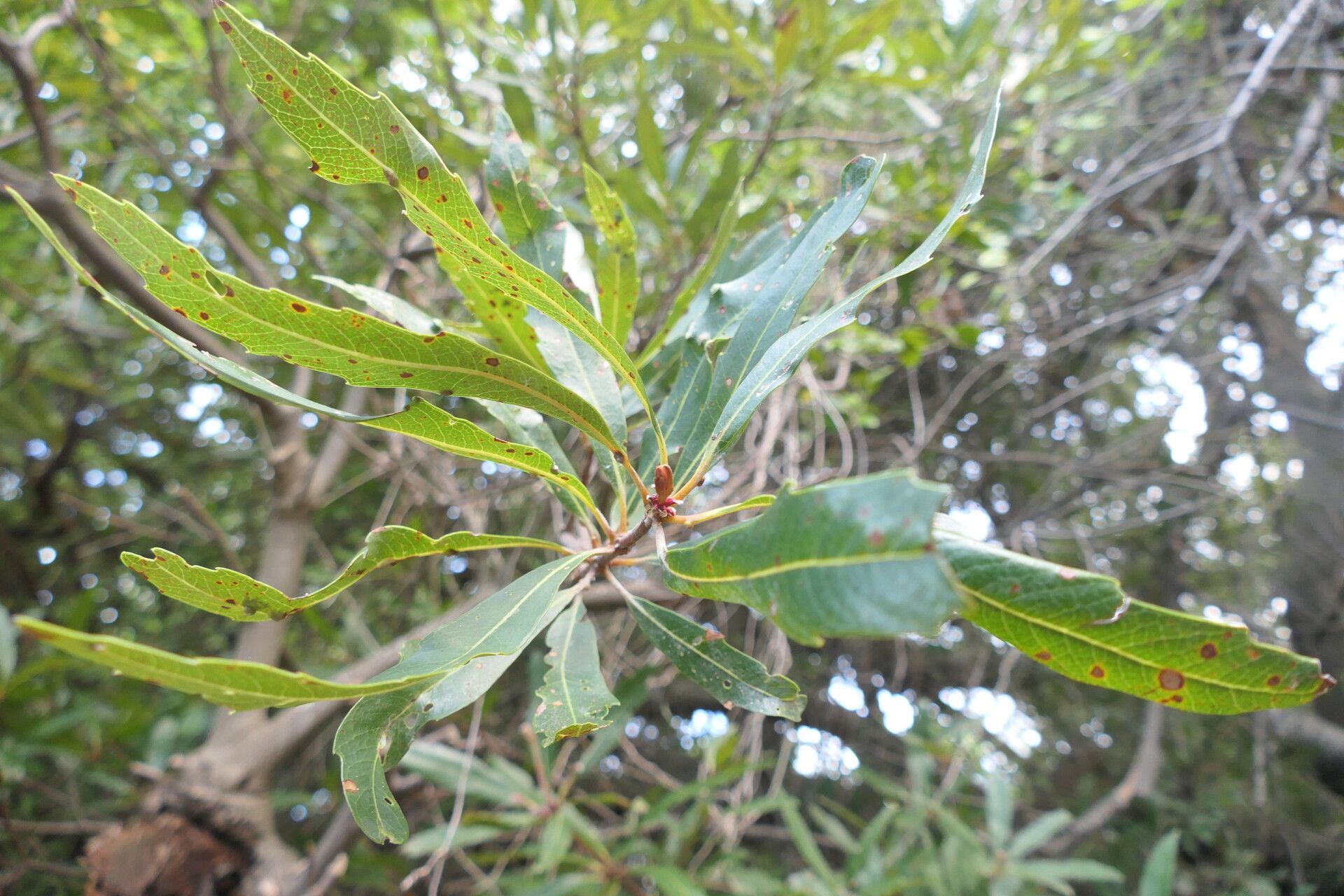
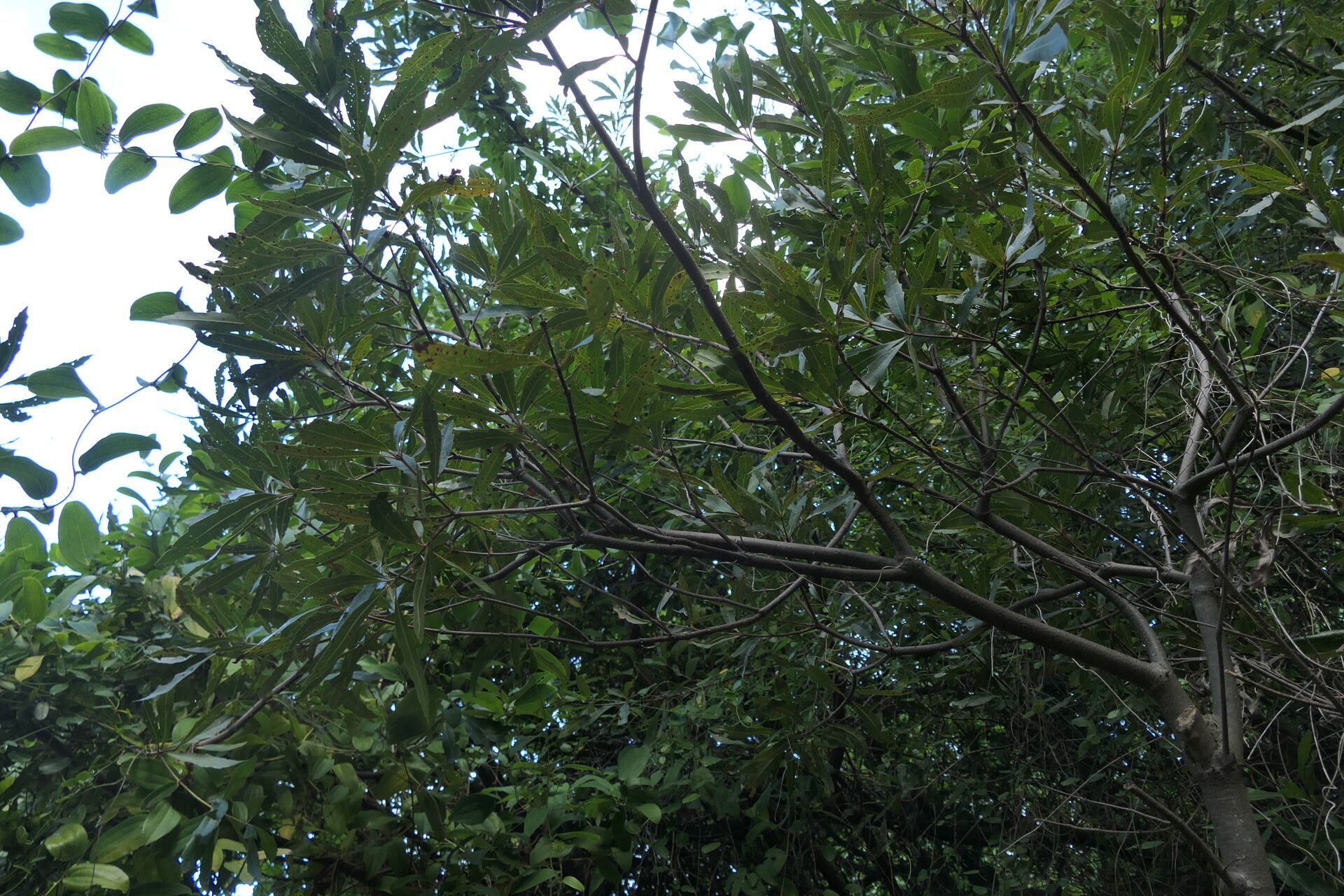
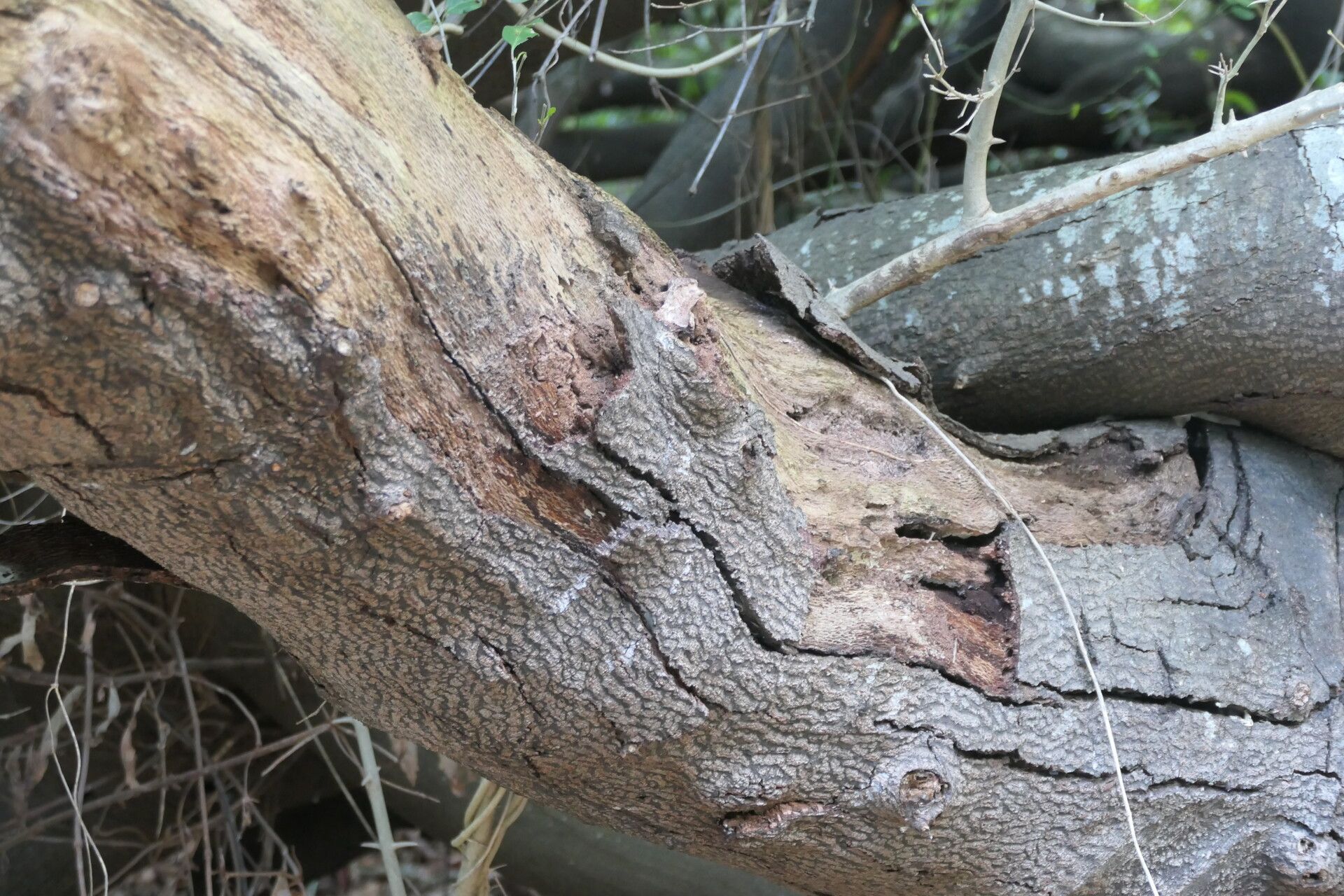
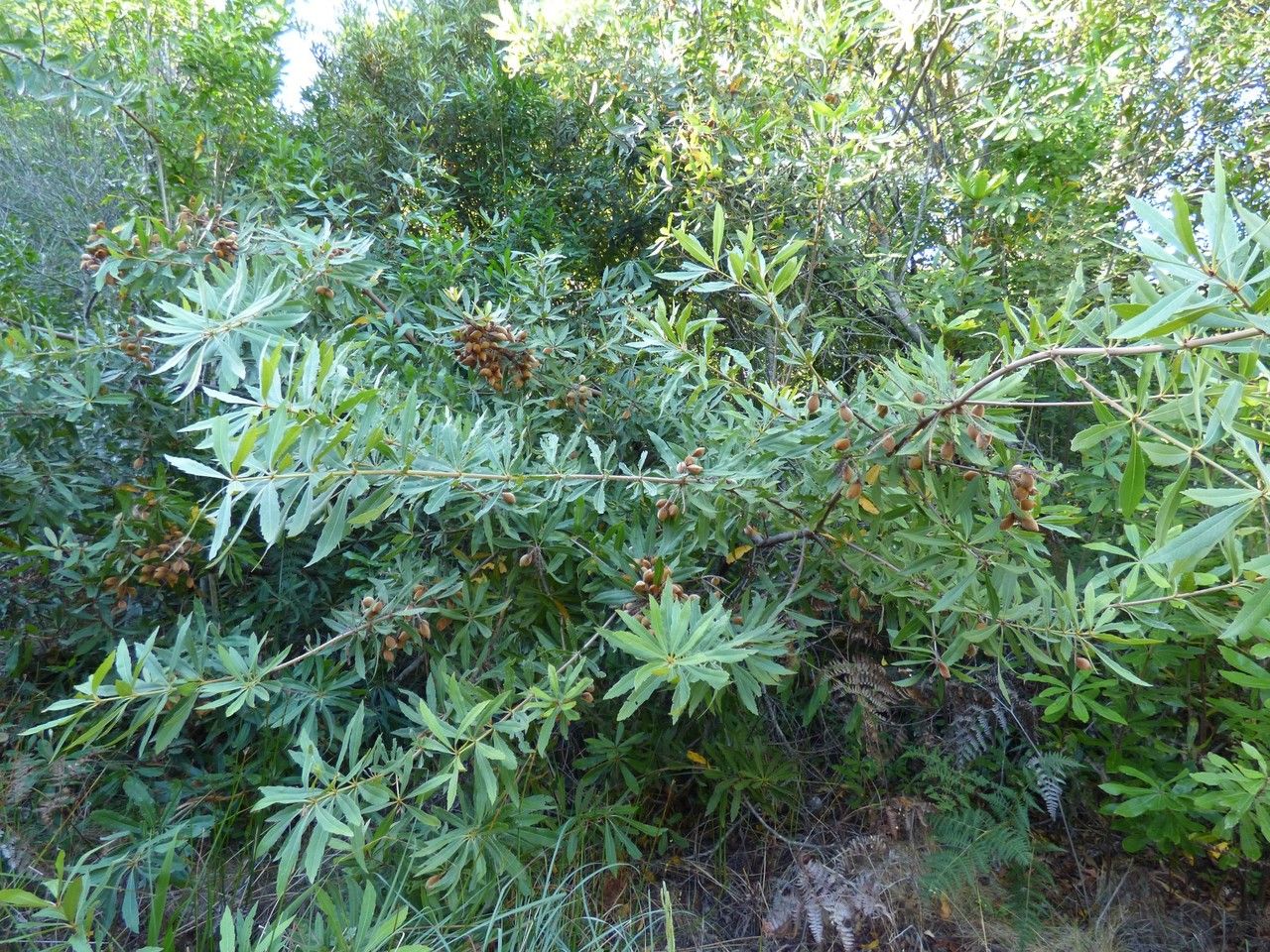
Brabejum stellatifolium, commonly known as the wild almond or bitter almond, is a small to medium-sized evergreen tree native to South Africa. Belonging to the Proteaceae family, this tree can grow up to 10 meters tall. It features a dense, rounded crown with dark green leaves arranged in a star-like pattern, which is reflected in its species name, "stellatifolium."
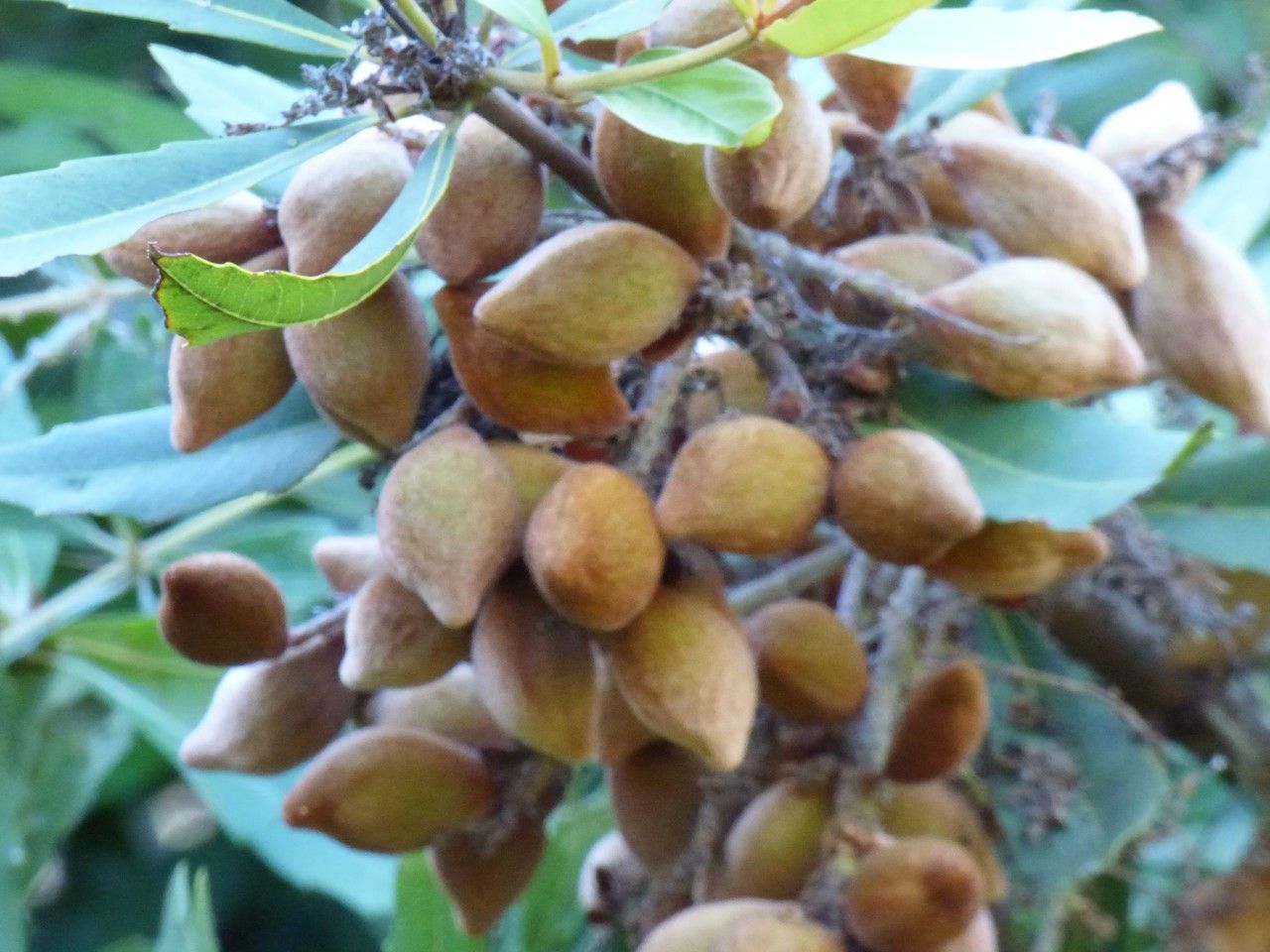
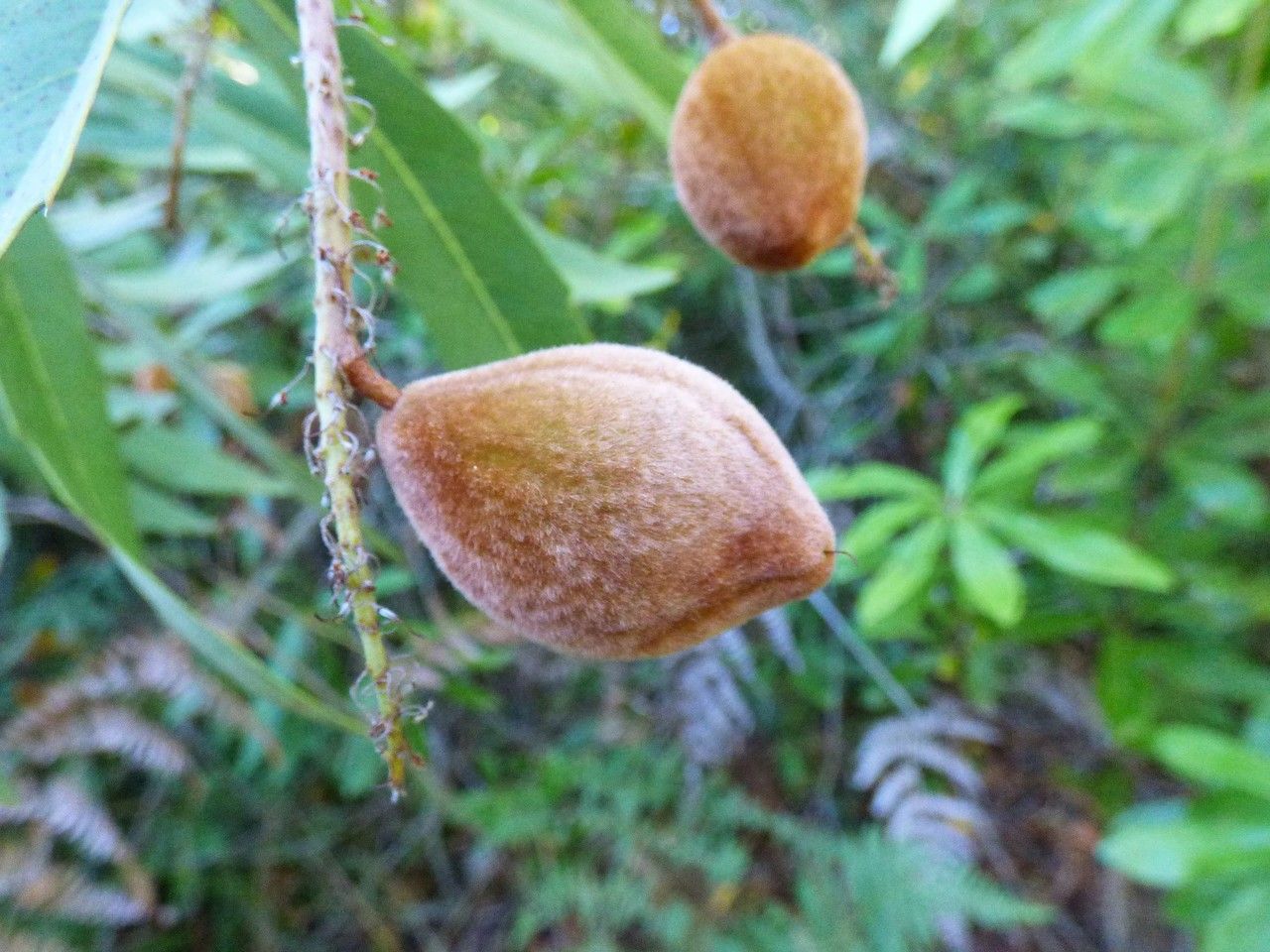
In late winter or early spring, the wild almond produces small white or cream-colored flowers, followed by woody fruits containing one or two seeds. While the seeds are edible, they have a bitter taste due to the presence of toxic compounds such as amygdalin.
The wood of Brabejum stellatifolium is hard and durable, making it suitable for furniture making and construction. Additionally, the tree has medicinal properties and has traditionally been used by indigenous people to treat various ailments such as coughs, colds, fever, and stomach problems.
Brabejum stellatifolium prefers well-drained soils in full sun but can tolerate some shade. It is drought-tolerant once established but may require regular watering during its early growth stages.
Overall, Brabejum stellatifolium is an attractive ornamental tree with cultural significance. It provides ecological benefits, serving as a habitat for birds and insects, and has practical uses for humans.
Wild almond has good disease resistance and is generally not prone to diseases. In terms of care, this plant is relatively low maintenance. When planted outdoors it needs only minimal watering; larger plants usually do not require pruning, while smaller plants should be pruned after they have finished blooming. Wild almond is suitable for anyone with outdoor space, such as a garden or deck, and does not demand much care experience.
How to keep Brabejum Stellatifolium.
Light
The wild almond does best when exposed to plenty of sunlight. Native to areas where sunlight is plentiful, it fares best with a substantial amount of light. Both insufficient and excessive light can potentially impede its healthy growth.
Water
Wild almond plants thrive in conditions of moderate moisture and exhibit a tolerance to drought. They prefer to be watered infrequently, approximately once every 2 to 3 weeks. Having originated from regions that receive sparse rainfall, wild almonds adapt well to temperate climates where water availability is unpredictable, making the most of sporadic rainfalls.
Temperature
Wild almond is fairly adaptable to temperature, able to endure higher heat and wide temperature fluctuations. In hot weather, attention should be paid to watering and providing appropriate shade to avoid sunburn. However, wild almond has comparatively poor cold tolerance. While it can tolerate some cold, excessively low temperatures may cause frost damage.
Fertilizer
Applying fertilizer at the right time is essential for Wild almond. Begin in early spring and continue once a month until early summer. Fertilizer encourages attractive blooms and supplies energy during both dormant and active growth periods.
Pruning
Wild almond is an evergreen shrub that benefits from winter pruning. To encourage healthy growth, focus on removing dead branches, thinning crowded areas to improve airflow, and lightly shaping the shrub. This process promotes robust regrowth and enhances the plant's overall health. Be sure to use clean, sharp tools to make precise cuts and prevent disease.
Botanical profile.
- Plant Type
- Tree
- Life Cycle
- Perennial
- Genus
- Brabejum
- Family
- Proteaceae
- Hardiness Zone
- 9-11
- Mature Height
- 14.94 m
- Mature Spread
- 4.88 m
- Leaf Type
- Evergreen
- Flower Color
- White
- Flower Size
- 7.62 cm
- Bloom Time
- Late winter, Early spring
- Planting Time
- Summer, Autumn
- Harvest Time
- Summer
- Native Area
- South Africa
Other names.
Reader questions.
What are the sunlight requirements for Wild Almond (Brabejum stellatifolium)?
Wild Almond thrives in conditions of abundant sunlight, originating from habitats where sun rays are plentiful, it requires above 6 hours of sunlight to develop best. Lack or excess of light exposure may hamper its healthy development. It's crucial to watch how sunlight moves through your garden, and select spots that offer a balance of light and shade, ensuring optimal growth. In the absence of natural sunlight, especially during winter or in less sunny spaces, indoor plants can benefit significantly from artificial lighting. Choosing the right type of artificial light, like LED lights, and setting the correct intensity and duration mimicking natural daylight hours, can promote healthier growth.
What are the common symptoms of insufficient light in Wild Almond, and how does excessive sunlight affect it?
When Wild Almond receives insufficient light, it may exhibit symptoms like smaller new leaves, leggy or sparse growth, faster leaf drop, slower or no new growth, and lighter-colored new leaves. Excessive sunlight can cause chlorosis (leaves turning yellow), sunscald (damage from intense light), leaf curling (to minimize water loss), wilting (loss of turgor pressure), and leaf scorching (brown, dry patches on leaves). Each of these symptoms indicates stress due to inappropriate lighting conditions, affecting the plant's health and growth.
How can you provide optimal light conditions for Wild Almond indoors and outdoors?
For indoor Wild Almond plants, gradually moving them to a sunnier spot each week until they receive at least 6 hours of direct sunlight daily is beneficial. Utilizing a south-facing window and keeping curtains open during the day maximizes sunlight exposure. If the plant is large or not easily movable, supplementing with artificial light for at least 8 hours daily is recommended. For outdoor plants, gradually acclimatizing them to sunnier locations can prevent sunburn. Additionally, reducing obstructions like pruning trees or transplanting smaller plants during their dormant period can improve sunlight exposure. Please note, parts of the plant affected by insufficient sunlight may not recover, but new growth will be healthy with increased light exposure.