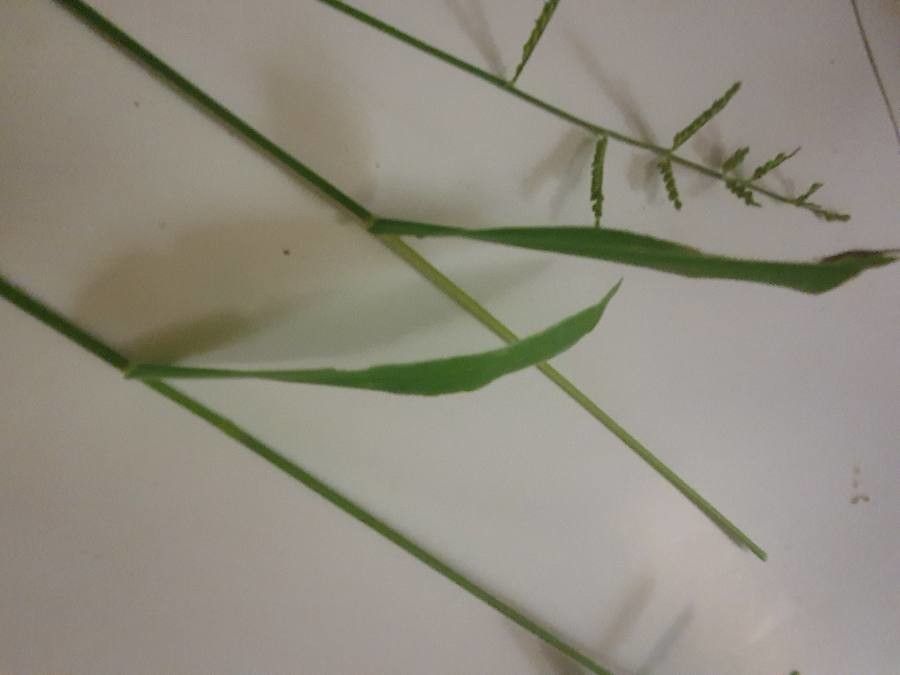
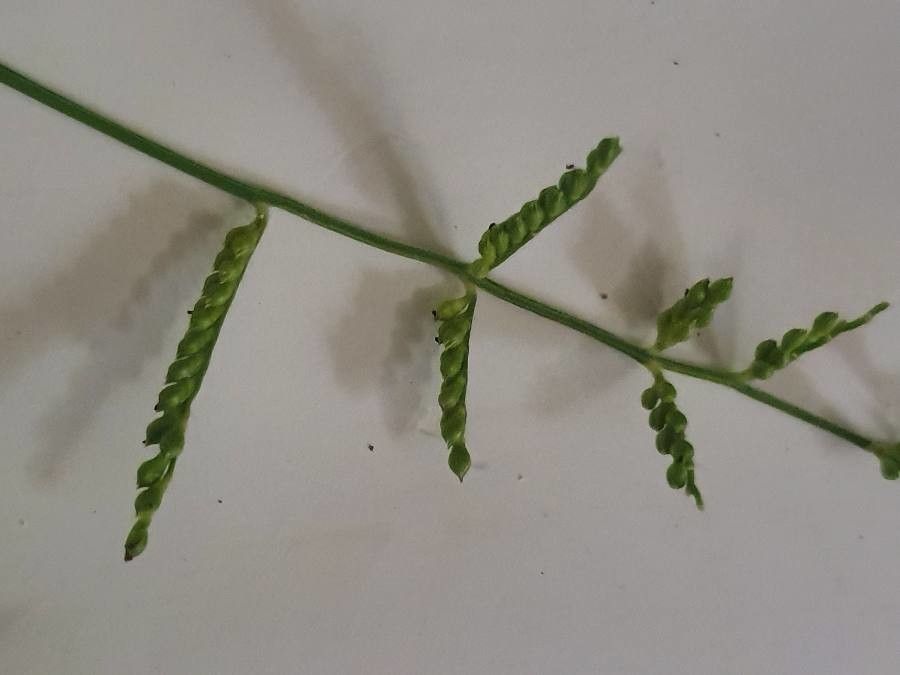
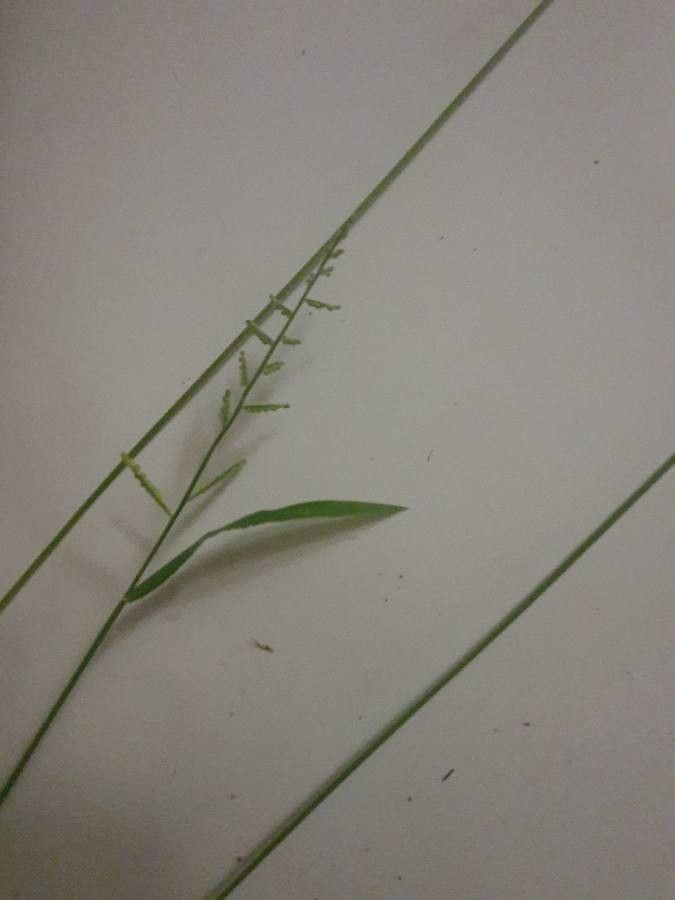
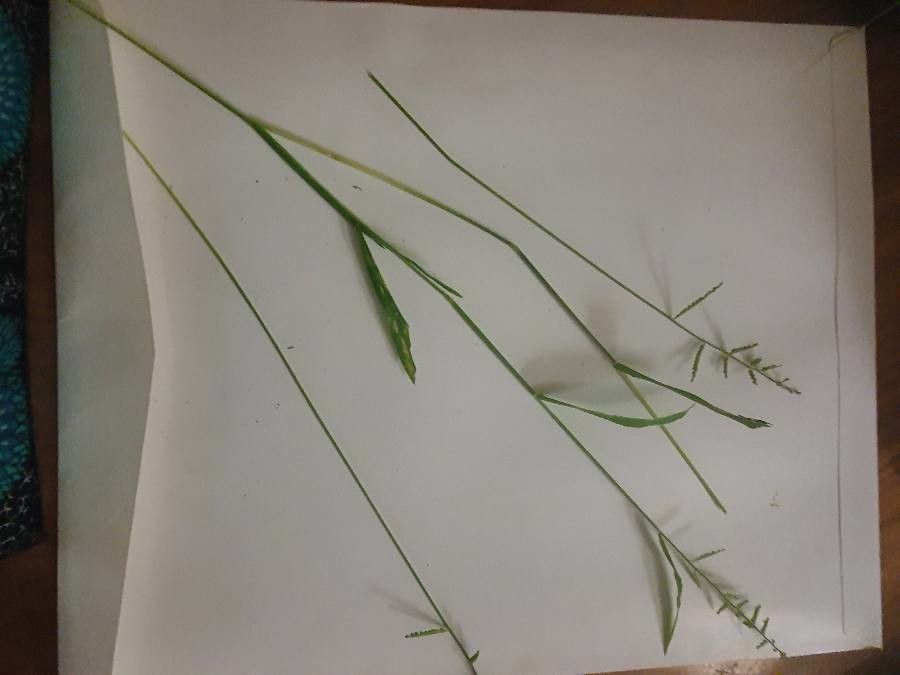
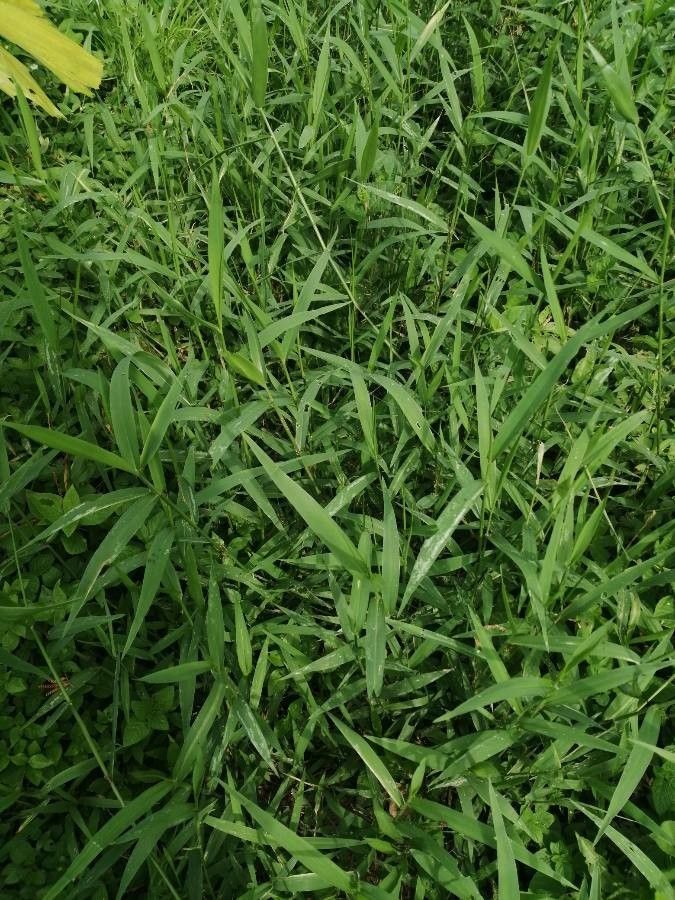
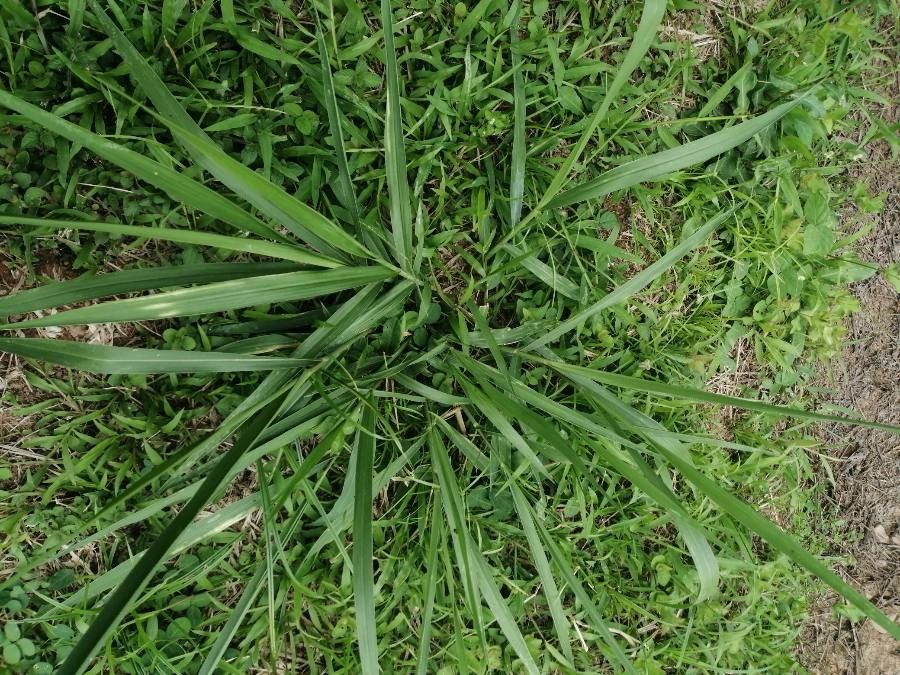
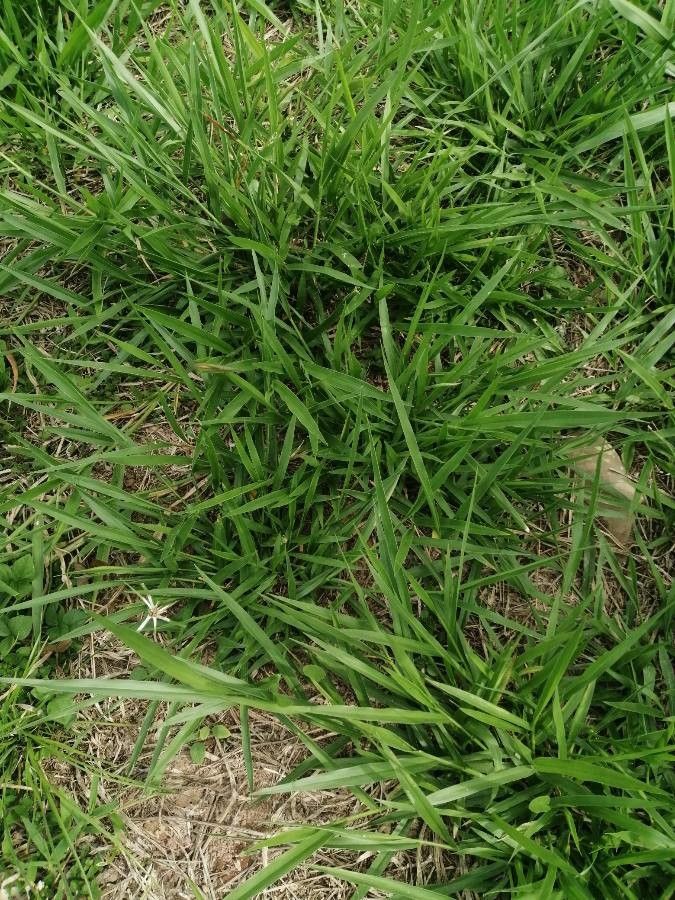
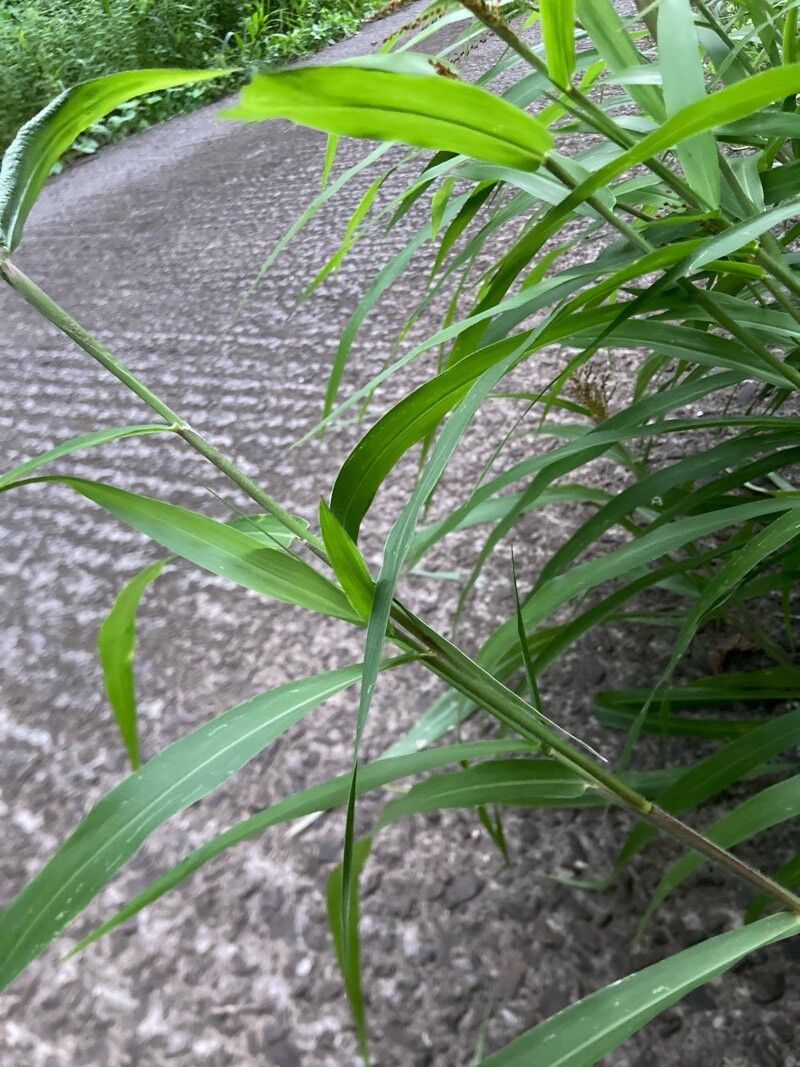
Sweet signal grass is resistant to disease and is generally unlikely to be affected by illnesses. In terms of care, this plant is fairly low maintenance. When grown outdoors it needs only light watering, and larger specimens typically do not require pruning. Smaller plants, however, should be cut back after they finish blooming. Sweet signal grass is suitable for anyone who has an outdoor area such as a garden or a deck, and it does not require extensive plant-care experience.
How to keep Brachiaria Eruciformis.
Light
Sweet signal grass comes from bright, open habitats and does best in full sun. It can endure partial sun but favors direct sunlight for optimal growth. This plant, which may be annual or biennial, is noted for its sun-loving character.
Temperature
Sweet signal grass comes from tropical areas, where the climate is usually warm and humid. Because of that, it is well adapted to high heat and humidity. It does not like sudden temperature shifts and prefers a steady temperature, so avoiding indoor temperature fluctuations is important. It generally cannot tolerate cold and needs warmer conditions to grow. If temperatures fall too low, the plant may stop growing or even die.
Pruning
To care for sweet signal grass, begin by selectively pruning any dead or damaged stems from early to late spring. This stimulates growth and helps shape the grass. Additionally, thinning out dense areas improves air circulation, which is important for plant health. Regular pruning also helps prevent disease. Always use sharp, sanitized tools to ensure precise cuts, and aim to maintain an even height for the best appearance and overall health.
Botanical profile.
- Plant Type
- Grass
- Life Cycle
- Annual, Perennial
- Genus
- Brachiaria
- Family
- Poaceae
- Hardiness Zone
- 8-11
- Mature Height
- 30 cm to 40 cm
- Mature Spread
- 20 cm to 40 cm
- Leaf Color
- Green
- Leaf Type
- Semi-evergreen
- Flower Color
- White, Green
- Flower Size
- 5.08 cm to 11.43 cm
- Bloom Time
- Summer, Early fall, Mid fall
- Planting Time
- Spring
- Harvest Time
- Mid summer, Late summer, Fall
Other names.