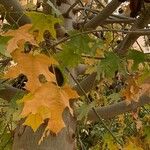
Brachychiton australis
Broadleaf bottletree · Large-leaf bottletree
Description
Source: leafsnapBrachychiton australis, commonly known as the broad-leaved bottle tree, is a small tree of the genus Brachychiton found in eastern Australia. It was originally classified in the family Sterculiaceae, which is now within Malvaceae.
Care Guide
💧 Water
A newly planted bottle tree requires consistent watering, ideally once a week for the first two months, especially in dry climates. Once the tree is mature, it typically doesn't need watering. However, providing water once a month can boost its growth in areas with low rainfall.
☀️ Light Full sun
Bottletree comes from open habitats, such as sunny meadows and forest edges, where light is plentiful. It does best in full sun but can also tolerate partial sun, adapting well to different light conditions.
🌡️ Temperature 20–37.8°C
Bottletree is fairly adaptable to temperature, able to endure higher heat and wide temperature swings. In hot conditions, care should be taken with watering and providing sufficient shade to prevent sunburn. On the other hand, Bottletree has limited tolerance for low temperatures. Although it can handle some cold, very cold conditions can cause frost damage.
💨 Humidity
🪴 Soil 6-8
🌱 Fertilizer
Fertilize your Bottletree in early spring to encourage healthy growth. Regular feeding improves overall health, producing vigorous growth, greater tolerance to harsh conditions, and enhanced resistance to pests and diseases. Keep a consistent fertilization schedule for your Bottletree to ensure vibrant, deeply colored foliage and a lush appearance.
🪴 Pot & Repot Every 12 months
✂️ Pruning
The Bottletree is known for its distinct bottle-shaped trunk and thrives with regular pruning, preferably in early spring. Start by removing any dead or diseased branches, then proceed to shape the tree as needed. Avoid making large cuts to minimize stress on the plant. Proper pruning not only improves the tree’s health and air circulation but also enhances its overall appearance.
🌿 Propagating
🐛 Diseases & pets
☠️ Toxicity
Characteristics
- Plant Type
- Tree
- Life Cycle
- Perennial
- Genus
- Brachychiton
- Family
- Malvaceae
- Hardiness Zone
- 9-11
- Mature Height
- 10.06 m to 20.12 m
- Mature Spread
- 4.88 m to 10.06 m
- Leaf Color
- Dark Green, Forest Green
- Leaf Type
- Evergreen
- Flower Color
- Pink, White
- Flower Size
- 1.02 cm to 2.03 cm
- Bloom Time
- Late fall, Early winter, Mid winter
- Planting Time
- Autumn
- Harvest Time
- Late winter, Early spring, Mid spring