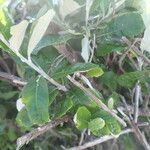
Brachylaena discolor
Coastal silver oak · Coast silver oak
Description
Source: leafsnapBrachylaena discolor is a species of flowering plant in the aster family, Asteraceae. It is native to Africa, where it occurs in Mozambique, South Africa, and Eswatini. Its common names include coast silver oak and coastal silver oak.
Care Guide
💧 Water
The Coast Silver Oak is well-suited for arid conditions, as it has a high tolerance for drought. It typically needs watering only every 2-3 weeks. This tree prefers well-draining soil, similar to its native habitat, which makes it ideal for outdoor growth. Its size and low water requirements further contribute to its suitability for such environments.
☀️ Light Full sun
Originating in bright, sun-drenched habitats, Coast silver oak is a tropical woody plant that prefers full sun yet can tolerate partial sun. It commonly grows in open, well-lit locations with minimal shade.
What are the sunlight requirements for Coast silver oak?
Coast silver oak requires full sun, which means it needs above 6 hours of sunlight daily, but it can also tolerate partial sun, about 3-6 hours of sunlight. Watching how sunlight moves through your garden helps in choosing spots that offer a perfect balance of light and shade, ensuring the plants' happiness. This tropical woody plant thrives in bright, sun-drenched environments and often grows in open, well-lit areas with minimal shade.
How can artificial lighting benefit indoor Coast silver oak plants?
For indoor Coast silver oak plants, adequate lighting is crucial, especially when natural sunlight is insufficient, like in winter or less sunny spaces. Artificial lights, such as LEDs, are vital as they can be customized to provide specific wavelengths needed for optimal plant growth. Full sun plants require 30-50W/sq ft, partial sun plants need 20-30W/sq ft, and full shade plants need 10-20W/sq ft of artificial light. The light source should be placed 12-36 inches above the plant to mimic natural sunlight and plants generally need 8-12 hours of light per day.
What are the symptoms of light deficiency in Coast silver oak?
Symptoms of light deficiency in Coast silver oak include smaller new leaves, leggy or sparse growth, faster leaf drop, slower or halted growth, lighter-colored new leaves, chlorosis, sunscald, leaf curling, wilting, and leaf scorching. These symptoms are noticeable indicators that the plant is not receiving sufficient light, affecting its growth and overall health.
What solutions can help Coast silver oak thrive in insufficient light conditions?
To help Coast silver oak thrive in insufficient light conditions, gradually move the plants to sunnier locations each week to receive at least 6 hours of direct sunlight daily. For indoor plants, consider using artificial light, keeping a lamp on for at least 8 hours daily or invest in professional plant grow lights. Outdoors, avoid sudden light intensity changes to prevent sunburn. Minimize obstructions by pruning trees or branches that block sunlight and consider transplanting smaller plants to sunnier locations during their dormant period for better sunlight exposure and growth.
🌡️ Temperature 20–37.8°C
Coast silver oak tends to thrive in average daily temperatures ranging from 68 to 100.4 °F (20 to 38 ℃). This temperature band corresponds with its native habitat, indicating a temperate environment. Seasonal adjustments may be necessary to maintain optimal temperature conditions.
What are the ideal temperature conditions for Coast Silver Oak?
Coast silver oak thrives within a temperature range of 68 to 100.4 °F (20 to 38 °C), mirroring the temperate conditions of its native habitat. It is a heat-loving plant that can be adversely affected by cold. During autumn, it's advised to move the plant indoors, preferably near a bright window while avoiding close proximity to heaters, to ensure optimal growth. To prevent harm, it's crucial to maintain temperatures above 20°C during the winter and steer clear of environments where the temperature nears 0°C.
How to care for Coast Silver Oak during low temperatures?
Coast silver oak is not tolerant to low temperatures and should ideally be kept in environments above 20°C, especially during winter, ensuring it never drops below 0°C. Exposure to temperatures below -5°C may cause the leaves to lighten in color, eventually turning brown or black after frost damage, followed by wilting and drooping. If frost damage occurs, trim the damaged parts and move the plant to a warmer, indoor setting near a south-facing window for sufficient sunlight. It's also important to avoid placing the plant near heaters or air conditioning vents to prevent air dryness.
What should I do if Coast Silver Oak is exposed to high temperatures?
During summer, it's crucial to keep Coast silver oak under 38°C to avoid heat stress, as temperatures above 43°C can lighten leaf color and increase susceptibility to sunburn. To mitigate this, trim the sunburned and dried-up parts of the plant. Relocate the plant to an area with afternoon shade to protect it from intense sun. Ensuring the soil remains moist by watering in the morning and evening will also help alleviate heat stress.
💨 Humidity
🪴 Soil 6-7
🌱 Fertilizer
The best time to fertilize a Coast silver oak is in early spring when it comes out of dormancy. This encourages overall growth and flower development. Fertilization improves the foliage, stems, and branches, and promotes flowers that are larger, more vibrant, and longer-lasting. It helps transport nutrients from the roots to the flowers and enhances the plant's health and resistance to disease.
🪴 Pot & Repot
✂️ Pruning
The Coast Silver Oak is a hardy shrub or small tree known for its silvery-grey foliage. To promote healthy growth and maintain its shape, it's best to prune it during the dormant period from early to late winter. Be sure to remove any dead branches and improve air circulation. Remember to use clean, sharp tools for precise cuts, as this will help minimize the risk of infection.
🌿 Propagating
🐛 Diseases & pets
☠️ Toxicity
Characteristics
- Plant Type
- Tree, Shrub
- Life Cycle
- Perennial
- Genus
- Brachylaena
- Family
- Asteraceae
- Hardiness Zone
- 9-11
- Mature Height
- 10.06 m to 28.96 m
- Mature Spread
- 3.05 m to 6.1 m
- Leaf Color
- Dark Green, Silver
- Leaf Type
- Evergreen
- Flower Color
- White, Yellow, Cream
- Flower Size
- 0.10 cm to 0.20 cm
- Bloom Time
- Late summer, Early fall, Mid fall
- Planting Time
- Spring, Summer, Autumn
- Harvest Time
- Mid fall, Late fall, Early winter
- Native Area
- Mozambique, South Africa, Eswatini, Botswana, Zimbabwe