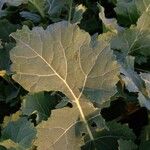
Brassica napus
کلزا · شلغم · Rutabaga · Rape · Rapeseed
Description
Source: leafsnapRapeseed (Brassica napus subsp. napus), also known as rape, or oilseed rape, is a bright-yellow flowering member of the family Brassicaceae (mustard or cabbage family), cultivated mainly for its oil-rich seed, which naturally contains appreciable amounts of erucic acid. The term canola denotes a group of rapeseed cultivars which were bred to have very low levels of erucic acid and are especially prized for use as human and animal food. Rapeseed is the third-largest source of vegetable oil and the second-largest source of protein meal in the world.
💡 Rutabaga was first mentioned as early as 1620 by the botanist Gaspard Bauhin in Sweden. From Sweden, it spread to Germany and subsequently reached England by 1750. By the 1780s, it had made its way to Scotland. In the early 1800s, rutabaga was introduced to North America. It became a widely used food source during World War I and World War II. Often, it was prepared as a simple stew using only water and rutabaga.
🌳 Best known for its use in cooking, rapeseed also has a less expected role as a potential biofuel because of its high oil content, which could help bolster energy supplies. It is nutritious as well, providing proteins for animal feed. Additionally, it serves as a honey plant, supplying bees with abundant nectar. Its range of uses is often overlooked.
🎭 Gain
Care Guide
💧 Water Twice per week
Native to Europe, rutabaga thrives in moist soil with consistent watering, needing irrigation about twice a week. While it can withstand short periods of drought, it greatly benefits from mulching. Mulching helps retain moisture and allows for less frequent watering. This plant is commonly cultivated outdoors for its edible root.
How should I water my Rutabaga plants?
The Rutabaga not only has specific preferences for the amount of water it receives, but it also cares about how you water it. If you don't use the proper watering technique, you can harm your tomatoes. The best way to water Rutabaga is to slowly and gently apply the water directly to the soil. Avoid pouring all the water into the soil at once and avoid overhead watering. While you should water slowly, make sure to water deeply to ensure the entire soil your Rutabaga grows in is properly moist.
What should I do if I give my Rutabaga too much or too little water?
If you have overwatered your Rutabaga and are worried about the risk of disease, take immediate action. The best option for an overwatered Rutabaga is to remove it from its current location. Let the roots dry out a little before planting it in a new spot with well-drained soil. If you grow in pots, consider using a pot with better drainage. On the other hand, if you have underwatered your plant, simply increase the frequency of watering.
How many times per week should I water my Rutabaga?
Rutabaga needs a lot of water as it grows. To keep up with its water needs, it's important to water it consistently from spring to summer. In the beginning of the growing season, water your Rutabaga once or twice a week. As the season progresses, increase the frequency of watering. In the summer, you may need to water it two or more times a day, depending on the weather. Once the Rutabaga has completed its major growth phases, you can reduce watering to about once a week until the end of the growing season.
How much water does my Rutabaga plant require?
Rutabaga plants are widely loved and cultivated by both professional and amateur gardeners. Consequently, we have gained a thorough understanding of how to effectively care for these plants, including their specific watering needs. On average, a Rutabaga plant requires about 1 - 1.5 inches of water per week, which should be evenly distributed during your weekly watering sessions. As the temperature rises, you may need to increase the amount of water provided, though in most cases, two inches per week is a good starting point.
How can I know if I am giving enough water to my Rutabaga?
Both underwatering and overwatering can pose problems for your Rutabaga, with similar symptoms manifesting in both cases. For instance, foliage discoloration and wilting can result from either overwatering or underwatering. When your Rutabaga is underwatered, its leaves will initially curl and droop, with a decrease in overall leaf vigor. This lack of water can also lead to stunted growth and poor development, as the plant requires ample water for flowering. On the other hand, overwatering increases the risk of disease, such as rot, and may cause unpleasant odors emanating from the soil. The symptoms of underwatering appear sooner compared to overwatering, yet you can also identify overwatering by observing soil conditions, such as excess standing water or waterlogged soil.
☀️ Light Full sun
Rapeseed grows best with continuous sunlight throughout the day for optimal growth and health. It can tolerate some sunlight filtered through overhead foliage. Given the abundant sunlight in its native habitat, insufficient or excessive light can impair its growth or weaken its immunity.
What are the sunlight requirements for rutabaga?
Rutabaga thrives best when it receives constant exposure to sunlight throughout the day, which is crucial for its optimum growth and health. It can endure full sun, which is above 6 hours of sunlight daily, and partial sun, approximately 3-6 hours of sunlight. Inadequate or excessive sunlight might impair its growth or lead to weakened immunity. This is important to consider given rutabaga's native habitat is abundant with sunlight. Additionally, when natural sunlight is insufficient, especially in winter or less sunny spaces, indoor plants can benefit from artificial lighting. Artificial lights, such as LEDs, can provide the required wavelengths of light, with full sun plants needing 30-50W/sq ft, partial sun plants 20-30W/sq ft, and full shade plants 10-20W/sq ft. The proper placement (12-36 inches above the plant) and duration (8-12 hours per day) of these lights mimic natural sunlight, promoting healthier growth.
What are the symptoms of inadequate sunlight exposure in rutabaga?
When rutabaga is grown indoors or under inadequate light, several symptoms may indicate a lack of sufficient light. These include small leaves, a leggy or sparse growth pattern, faster leaf drop, slowed or ceased new growth, lighter-colored new leaves, and symptoms of overexposure like chlorosis, sunscald, leaf curling, wilting, and leaf scorching. Chlorosis is identified by a loss of leaf green color, turning yellow instead, which affects the plant’s ability to photosynthesize due to excessive sunlight. Sunscald shows as pale, bleached, or necrotic areas on the plant, while leaf curling is a defense mechanism against extreme sunlight. Wilting represents a loss of turgor pressure, and leaf scorching is characterized by brown, dry, and crispy leaf edges. These symptoms reveal both the stress of too little and too much sunlight.
How can you alleviate symptoms of improper sunlight exposure for rutabaga?
To ensure rutabaga's healthy growth, gradually acclimate plants to more sunlight, aiming for at least 6 hours of direct sunlight daily. For indoor plants, this may involve moving them closer to a south-facing window or utilizing artificial lighting solutions like desk lamps or professional grow lights for a minimum of 8 hours a day. Outdoor plants should be moved to sunnier locations progressively each week to avoid shock. If the plant's location doesn't receive sufficient light, consider reducing obstructions like tree branches or relocating smaller plants during their dormant period to spots with better sunlight and drainage. It's important to note that while parts of the plant suffering from insufficient light may not recover, new growth should be healthier following these adjustments.
🌡️ Temperature 0–37.8°C
Rapeseed originates from regions with temperatures between 68 and 100 °F (20 to 38 ℃). It thrives in warm climates, with summer as its best season for growth. Keep its surroundings within this temperature range to promote healthy development.
What is the ideal temperature range for growing Rutabaga?
Rutabaga thrives in warm climates, with its optimal growth temperature range being between 68°F (20°C) and 100°F (38°C). This range represents its preference for relatively warm temperatures. During the summer, which is its optimal growth season, these conditions are especially important to adhere to. In winter, it’s beneficial to maintain temperatures above 20°C to support plant growth, ensuring the minimum temperature stays above the freezing point to prevent damage.
How should you protect Rutabaga from cold weather?
To protect Rutabaga from cold weather, especially when temperatures approach -5°C (25°F), it is advisable to bring the plant indoors or utilize protection methods. Setting up a temporary greenhouse or wrapping the plant with plastic film or fabric can offer sufficient protection against the freezing temperatures. Ensuring that the environment remains above the freezing point is crucial to prevent freezing damage to the plant.
What are the symptoms of low temperature damage on Rutabaga and their solutions?
Rutabaga has a moderate tolerance to low temperatures but thrives best when the temperature is maintained between 20°C and 38°C. Exposure to temperatures below 0°C can lead to darkening of the leaves, while temperatures falling below -40°C can induce water-soaked necrosis, wilting, and drooping, with leaves gradually turning brown. To counteract frost damage, it is recommended to trim away the frost-damaged parts and immediately move the plant to a warm environment or set up a makeshift greenhouse. Ensuring the plant receives ample sunlight, perhaps near a south-facing window, and considering supplemental lighting if natural light is insufficient, are also effective strategies.
How does high temperature affect Rutabaga and what are the remedies?
During summer, it's crucial to keep Rutabaga’s temperature below 38°C. Exceeding 43°C slows the plant's growth, causes leaves to lighten in color, and increases susceptibility to sunburn. To mitigate damage from high temperatures, trim away sunburned and dried parts, and relocate the plant to a shaded area, especially away from the intense afternoon sun. Additionally, watering the plant in the morning and evening can help keep the soil moist, providing some relief from high temperatures.
💨 Humidity
🪴 Soil 6-7
🌱 Fertilizer
Rapeseed species respond well to one or two applications of organic natural fertilizers that supply potassium and phosphorus. Apply the fertilizer before planting, work it into the soil, and water thoroughly. Usually a single application is adequate, but a further application can be made once seedlings are established. Avoid excessive fertilizer use to prevent harming the plants.
Why do I have to put plant food on my Rutabaga?
Rutabaga is a fast-growing plant that needs a lot of energy to produce the root vegetables we love. Like other plants, Rutabaga species require sunlight, oxygen, water, and nutrients to grow and produce roots. Garden soil usually contains the necessary nutrients due to the decomposition of organic matter, but there are instances where the soil may not have enough nutrients to support healthy Rutabaga growth. In such cases, fertilizer can give Rutabaga the boost it needs.
When should I fertilize my Rutabaga for the best results?
To prepare your soil for planting, apply natural fertilizer. You can apply it at any time, but make sure you have enough time to mix the fertilizer into the soil and water it thoroughly before planting seeds or seedlings. Usually, one application of fertilizer is sufficient to support healthy Rutabaga growth throughout the season. However, if you want to further increase their yield, you can apply an extra dose once the seedlings have established themselves. Just be cautious not to use excessive fertilizer as it may harm the plants.
When is the bad time to put fertilizer on my Rutabaga plant?
To ensure effective fertilization, remember to avoid applying fertilizer when the soil is dry. After fertilizing, make sure to water your plants thoroughly as this helps deliver the nutrients properly. If you prioritize the growth of foliage over the root crops, then high-nitrogen fertilizers might be suitable for you. However, take care not to let fertilizer come into contact with the base of the plant, leaves, or stems as it can potentially damage them.
What kind of plant food does my Rutabaga need?
Most people grow Rutabaga primarily for its roots, although the foliage is also edible in some cases. To ensure a strong root system, it is recommended to use a fertilizer that has higher levels of phosphate and potassium, compared to nitrogen. Natural options such as bone meal and kelp are excellent choices, but chemical fertilizers can also be used. However, it is important to avoid fertilizers with high nitrogen content, as it is not as crucial for Rutabaga growth. To determine the appropriate fertilizer for your Rutabaga, it is advisable to test the soil in the specific area of your garden where you plan to grow them. Soil testing will provide information about the necessary nutrients, as well as other important factors like density and pH level. Considering all these factors collectively and treating the soil accordingly will greatly contribute to the success of your Rutabaga plants.
How do I help my Rutabaga grow better?
To fertilize Rutabaga effectively, start by mixing an organic fertilizer like bone meal or kelp into the soil before planting. If you need to fertilize again later in the season, use compost or well-rotted manure as mulch around, but not directly touching, the base of your Rutabaga. This mulch will gradually break down, allowing nutrients to reach the roots. If you prefer liquid fertilizers, dilute them according to the instructions for your crop and spray them carefully on the ground around the Rutabaga, avoiding contact with the plant. Alternatively, you can sprinkle granular fertilizers around the base of the plant or between rows, or work them into the top layer of soil to prevent them from being washed or blown away.
🪴 Pot & Repot
When repotting Rapeseed, choose a pot that is 1–2 inches (2.5–5.1 cm) larger in diameter and has good drainage. Use a well-draining potting mix and consider adding perlite for extra drainage. Repot in spring or early summer, water thoroughly afterward, and keep it in a shady spot at first.
✂️ Pruning
Rutabaga is a root vegetable known for its large, edible tuber. To promote better air circulation and prevent disease, prune dead leaves from early to late spring. Using sanitized tools to make clean cuts not only encourages root development but also boosts the yield. Thus, proper pruning is essential for maintaining a healthy garden.
🌿 Propagating
🐛 Diseases & pets
☠️ Toxicity
Brassica napus has no toxic effects reported.
Characteristics
- Plant Type
- Herb
- Life Cycle
- Annual, Biennial
- Genus
- Brassica
- Family
- Brassicaceae
- Hardiness Zone
- 2-11
- Mature Height
- 91 cm
- Mature Spread
- 30 cm to 61 cm
- Leaf Color
- Green, Blue
- Leaf Type
- Deciduous
- Flower Color
- Yellow
- Flower Size
- 1.78 cm
- Bloom Time
- Late spring, Early summer
- Planting Time
- Spring, Summer
- Harvest Time
- Mid summer