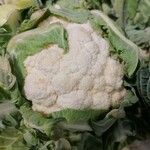
Brassica oleracea
کلم · قرنابيط · کەلەرم · کلم وحشی · كرورب
Description
Source: leafsnapBrassica oleracea is a plant species that includes many common cultivars, such as cabbage, broccoli, cauliflower, kale, Brussels sprouts, collard greens, Savoy cabbage, kohlrabi, and gai lan. In its uncultivated form, it is called wild cabbage and is native to coastal southern and western Europe. A hardy plant in its uncultivated form, its high tolerance for salt and lime, and its intolerance of competition from other plants, typically restrict its natural occurrence to limestone sea cliffs, like the chalk cliffs on both sides of the English Channel, and the windswept coast on the western side of the Isle of Wight. Genetic analysis of nine wild populations on the French Atlantic coast indicated their common feral origin, deriving from domesticated plants escaped from fields and gardens.Wild B. oleracea is a tall biennial plant that forms a stout rosette of large leaves in the first year. The leaves are fleshier and thicker than other Brassica species—an adaptation that helps it store water and nutrients in its difficult growing environment. In its second year, it uses the stored nutrients to produce a flower spike 1 to 2 metres (3–7 ft) tall with numerous yellow flowers.
💡 Cabbage's thick leaves enable it to retain moisture and nutrients, which is an important adaptation for its challenging growing conditions. This plant is native to the chalky soils and sea cliffs of coastal and southern Europe.
🌳 Cabbage has a notable ability to accumulate heavy metals, making it a natural indicator for monitoring soil pollution. This trait is particularly used in phytoremediation studies that aim to cleanse contaminated soils.
🎭 affluence
Care Guide
💧 Water
Cabbage grows best in cool, moist climates and needs consistent watering without becoming waterlogged. Water it weekly to keep it healthy, and use rainwater if possible, as it helps maintain a pH-balanced environment by avoiding the chlorine present in tap water.
When should I water my cabbage?
Proper and timely watering is crucial for the health and growth of cabbage. The soil's condition is a primary indicator; it should be moist but not damp. By inserting your finger about an inch into the soil, you can check for dryness, indicating a need for watering. Also, the leaves' texture and color can signal a lack of water, with brittle or curling leaves and a deepening green or yellowing being signs of water deficiency. A drooped appearance might also suggest the need for water, though be cautious as it can also indicate over-watering if the soil is moist. Regularly observing the soil and leaf condition helps provide water at the right moment, avoiding early or late watering that can cause diseases or hinder nutrient absorption.
How should I water my cabbage?
Cabbage requires specific watering techniques to ensure optimal hydration and health. The bottom-watering method is favored, involving a tray with water for the plant pot to sit in, allowing moisture absorption by the roots. This technique helps prevent fungal diseases by minimizing surface saturation. If using a watering can, choose one with a narrow spout for precise watering at the base of the plant, preventing foliage wetness. This method helps in maintaining the right moisture level around the plant.
How much water does cabbage really need?
Cabbage plants, with their shallow roots, need consistent soil moisture, especially during hot and dry periods. The watering amount varies depending on factors like pot size and plant size, but generally, a medium-sized cabbage in a standard pot requires about 1 to 1.5 inches of water per week. Signs of proper hydration include lush, green, and turgid leaves, with the soil being evenly moist but not waterlogged. Over-watering or under-watering can lead to issues such as root rot or wilting. To maintain optimal hydration, water at the plant's base and adjust watering based on soil moisture levels and weather conditions.
What kind of water is best for cabbage?
Cabbage prefers rainwater or filtered water, as it can be sensitive to the chemicals in tap water. If using tap water, letting it sit out for several hours can help dissipate chlorine or fluoride, which could otherwise harm the plant by causing leaf browning or stunted growth. A balanced mineral content in water is ideal, avoiding extremes. Letting tap water sit to dechlorinate or using rainwater occasionally can also help prevent salt build-up in the potting mix. Room-temperature water is generally well-received by cabbage.
How do cabbage's watering needs change with the seasons?
Cabbage's watering needs vary throughout the year. In spring, as cabbage grows vigorously, it requires consistent soil moisture, yet without waterlogging. Summer's higher temperatures and sunlight increase evaporation, potentially necessitating more frequent watering. During autumn, the plant's growth slows, reducing its water needs, though you should still keep the soil moist. In winter, water cabbage sparingly, ensuring the soil does not become dry. Seasonal weather, like rains in autumn or winter, must also be taken into account to adjust watering accordingly.
☀️ Light Full sun
Cabbage develops best with abundant sunlight, similar to conditions where the sun is present for most of the day. Rooms that receive strong sunlight through windows or open outdoor areas are well suited for its growth. It can also tolerate moderate light. Excessive shade can hinder its development, while too much sun may cause wilting.
What are the sunlight requirements for cabbage?
Cabbage requires full sun exposure, which means it needs above 6 hours of sunlight daily, to thrive optimally. It can also tolerate partial sun, meaning about 3-6 hours of sunlight per day. It's important to watch how sunlight moves through your garden to select spots that provide the right balance of light and shade, ensuring your cabbage plants stay happy and healthy.
What are the essentials for growing cabbage successfully?
The growth of cabbage prospers most in conditions of abundant solar exposure, similar to when the sun's coverage is maximized throughout the day. Rooms with ample sunlight inflow or open areas are ideal. While cabbage can withstand moderate sunlight, excessive shading can stunt its growth, and too much direct sun may cause wilting. In situations where natural light is insufficient, especially during winter or in less sunny spaces, artificial lighting can be a vital solution to provide the necessary light for optimal growth. LED lights are recommended as they can be customized to provide specific wavelengths needed by plants. Full sun plants need 30-50W per square foot of artificial light, partial sun plants require 20-30W per square foot, and full shade plants need 10-20W per square foot.
What symptoms indicate that cabbage isn't receiving enough light?
Symptoms of light deficiency in cabbage include lighter-colored new leaves, indicating a lack of chlorophyll and essential nutrients; leggy or sparse growth, where spaces between leaves or stems become elongated, leading to a weak appearance; slower or no new growth, as the plant enters survival mode with insufficient light; and chlorosis, where leaves lose their green color and turn yellow due to a breakdown of chlorophyll from excessive sunlight, negatively affecting photosynthesis.
What symptoms indicate that cabbage is receiving too much light?
Symptoms of excessive light exposure in cabbage include sunscald, where leaves or stems show pale, bleached, or necrotic areas; leaf curling, as a defense mechanism to reduce the surface area exposed to sunlight; wilting, due to increased water loss through transpiration; and leaf scorching, characterized by brown, dry, and crispy leaf edges or patches, all of which can reduce the plant's overall health.
What are the solutions for light-related issues in growing cabbage?
To address light-related issues in cabbage growth, gradually increase sun exposure for outdoor plants by moving them to a sunnier location each week until they receive at least 6 hours of direct sunlight daily. For indoor plants that can't be moved easily or are large, consider using artificial light, keeping a lamp on for at least 8 hours daily or investing in professional plant grow lights. Additionally, to minimize obstructions to sunlight, prune branches and leaves of trees that block sunlight or consider transplanting smaller plants to a location with better sunlight and drainage. Note that parts of the plant affected by insufficient sunlight may not recover, but new growth after increasing light exposure will be healthy.
🌡️ Temperature 10–37.8°C
Cabbage originates from regions where temperatures favor 68 to 100.4 °F (20 to 38 ℃). For optimal growth, keep it within that temperature range. Seasonal adjustments, such as providing extra shade or moving the plant, may be necessary because of extreme weather.
What is the optimum temperature range for growing cabbage?
Cabbage thrives in areas with temperatures ranging from 68 to 100.4 °F (20 to 38 °C). For the plant to grow optimally, it's important to maintain this temperature range. There might be a need for seasonal adjustments, such as providing extra shade or relocating the plant to cope with extreme weather conditions. Keeping the temperature above 20°C during winter is crucial, and steps should be taken to protect the plant when outdoor temperatures drop to -5°C (25°F) by either bringing the cabbage indoors or using protective measures like a temporary greenhouse or wrapping with plastic film or fabric.
What are the symptoms of cabbage being affected by low temperatures and how can they be addressed?
Cabbage has a moderate tolerance to low temperatures but thrives best between 20°C and 38°C. It should remain above 0°C during winter to avoid damage. Exposure to temperatures below -25°C may cause the leaves to darken and display signs like water-soaked necrosis, wilting, and gradual browning. The solution involves trimming away frost-damaged parts and either moving the plant indoors to a warmer environment or establishing a makeshift greenhouse for cold protection. If moved indoors, the plant should be placed near a south-facing window for sufficient sunlight, and if needed, supplemental lighting can be used.
How does cabbage react to high temperatures and how can this be mitigated?
Cabbage should ideally be kept under 38°C during the summer months. Temperatures above 43°C can slow the plant's growth, lighten the leaf color, and increase susceptibility to sunburn. To combat these effects, trim away sunburned and dried-up parts and move the plant to a shaded area, especially away from the afternoon sun. Watering the plant in the morning and evening can also help keep the soil moist and further protect the plant from high temperatures.
💨 Humidity
🪴 Soil 6-7
🌱 Fertilizer
To maximize the yield and flavor of Cabbage, provide sufficient nitrogen throughout the growth period, from before planting through harvest. Plants that are well-watered and fertilized produce plentiful, healthy leaves and have reduced bitterness. Before planting, amend the soil with organic matter such as compost or manure, preferably 2 to 8 weeks beforehand.
Why should I put fertilizer on my Cabbage?
Cabbage, a plant grown for its edible leaves, has unique nutrient requirements compared to other plants. Nitrogen, phosphorus, and potassium are vital nutrients for all plants, but for cabbage, nitrogen is especially important for the growth of its foliage. Since it can be challenging for cabbage to obtain enough nitrogen from the soil alone, many gardeners choose to provide additional nitrogen through heavy feeding. This helps ensure a bountiful cabbage harvest.
When should I put fertilizer on my Cabbage?
To ensure the best growth for your Cabbage, there are a few key times to apply fertilizer. The first is when you're preparing the ground for planting, ideally 2 to 8 weeks before actually planting. During this time, make sure to amend the soil by adding nutrient-rich organic material like compost or manure. When it's time to plant, amend the soil once again using the same method. Once your seedlings have emerged and grown to about 2 inches tall, you can apply another round of fertilizer. Going forward, you can continue to regularly feed your Cabbage with either rich organic matter or a commercial fertilizer until it's time to harvest. A good schedule to follow is fertilizing every two to three weeks. In addition to regular fertilizing, it's also beneficial to add a layer of compost or manure around the plant. This will provide a steady supply of nutrients.
When is the best time to not fertilize my Cabbage?
When using nitrogen-rich fertilizers for vegetable plants, consider their specific needs. While these fertilizers promote healthy foliage, they may hinder fruit production for other vegetables. It's important to avoid fertilizers touching or splashing onto the leaves of Cabbage, as this can harm the plant. Instead, apply the fertilizer a few inches away from the base. Additionally, if the Cabbage plant is already experiencing issues like disease, pests, or drought, it's best to address those problems before fertilizing. While fertilizer can benefit healthy plants, it can actually cause harm if applied to those in poor condition.
What kind of fertilizer should I use for my Cabbage?
The best type of fertilizer for Cabbage varies depending on factors such as the specific plant type, environmental conditions, and soil composition. However, it is generally recommended to use high-nitrogen fertilizers for Cabbage due to its nitrogen requirements. To improve the soil at the beginning of the growing season, using manure or compost is a good choice. Throughout the rest of the season, either dry or liquid fertilizers can be used for feeding. During the seedling stage, it is advised to feed lightly and gradually increase the amount as the plant matures. Organic fertilizers are often preferred for their superior taste, but chemical fertilizers can also be used. Some popular organic options with high nitrogen content include fish emulsion, soil meal, compost tea, alfalfa meal, blood meal, and chicken manure. When using chemical fertilizers, it is important to check the NPK number, which represents the proportions of nitrogen, phosphorus, and potassium in the mixture. Opt for a high-nitrogen option with the highest first number, such as a 13-2-5 or a nitrogen-only option like a 16-0-0.
How can I make my Cabbage grow better?
Here are some tips on fertilizing your Cabbage, depending on the type of fertilizer you have: 1. For amending soil, dig at least 6 inches (preferably deeper) into the soil. Mix your amendment with the soil at a 2:1 ratio of soil to amendment material, incorporating them together well. 2. For granular or powder fertilizers, spread them around the base of the plant according to the recommended amount from the retailer. It's a good idea to mix the fertilizer into the top layer of soil to prevent it from washing or blowing away. Keep the fertilizer about 2 to 3 inches away from the plant to avoid fertilizer burn. After adding dry fertilizer, water thoroughly right away. 3. If you have water-soluble chemical fertilizers, dissolve them in water. Then, use the diluted fertilizer mix to water your plants. Note that this method is only suitable if you water your Cabbage from a container, not through irrigation or other methods.
🪴 Pot & Repot 2-3 years
When repotting Cabbage, select a pot 1–2 inches (2.5–5.1 cm) larger with adequate drainage. Use a well-draining potting mix. Repot in spring or fall, making sure the root ball sits slightly below the rim of the flower pot. Water thoroughly after repotting and place it in a warm spot with indirect sunlight.
✂️ Pruning
Pruning cabbage properly from early to late spring is crucial for promoting healthy growth. Start by removing any damaged leaves to enhance airflow, reduce pests, and support the plant’s growth cycle. This will improve nutrient distribution and encourage the development of strong, healthy foliage.
🌿 Propagating
🐛 Diseases & pets
☠️ Toxicity
Cabbage is non-toxic for people and pets. In fact, you may even eat these vegetables raw, though it’s best to cook them beforehand to prevent digestive issues.
Characteristics
- Plant Type
- Herb
- Life Cycle
- Perennial, Biennial, Annual
- Genus
- Brassica
- Family
- Brassicaceae
- Hardiness Zone
- 6-11
- Mature Height
- 0.61 m to 1.52 m
- Mature Spread
- 30 cm to 61 cm
- Leaf Color
- Green, Blue, Red
- Leaf Type
- Deciduous, Semi-evergreen
- Flower Color
- Yellow, White
- Flower Size
- 2.54 cm
- Bloom Time
- Spring
- Planting Time
- Spring, Summer, Autumn, Winter
- Harvest Time
- Early summer, Mid summer
- Native Area
- Germany, Spain, France, United Kingdom, China