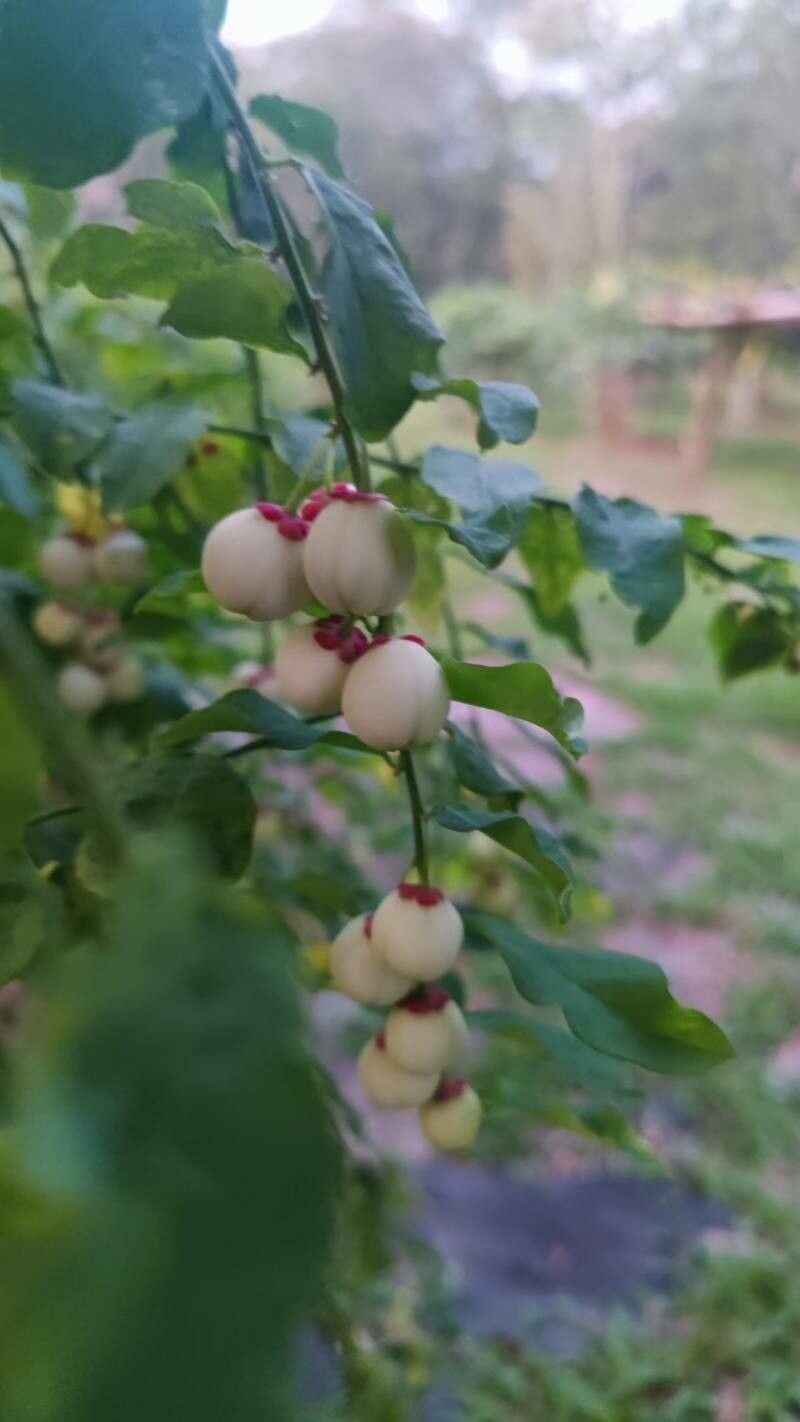
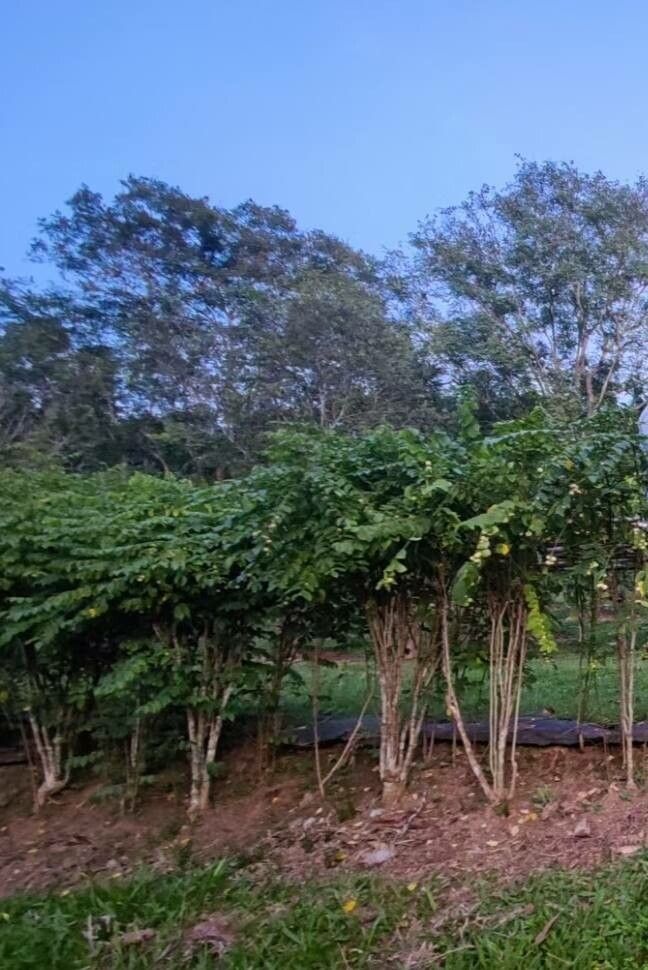
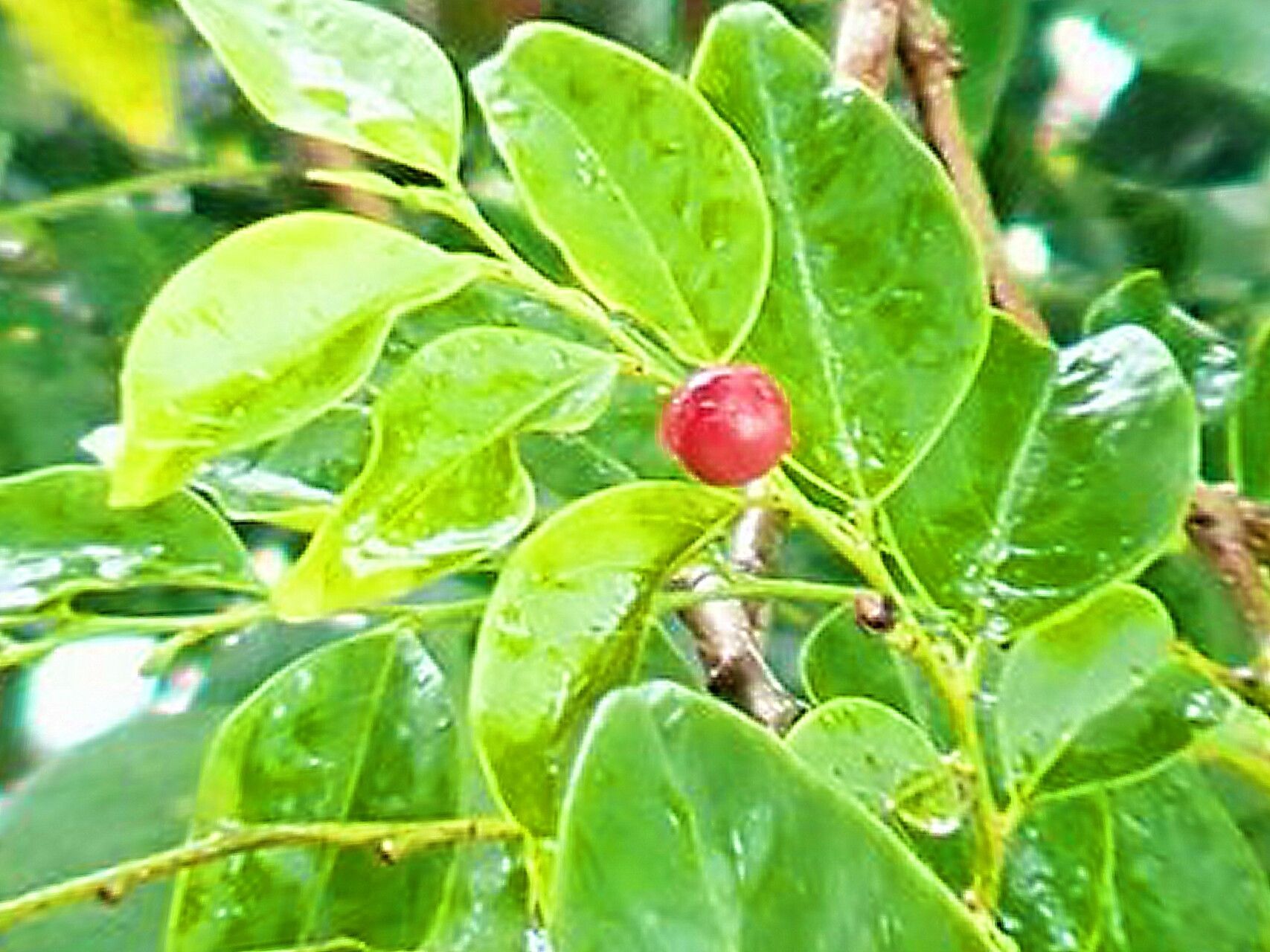
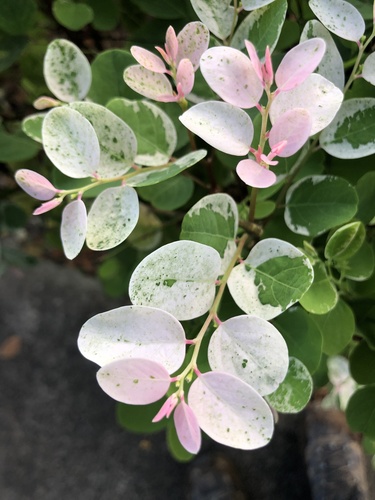
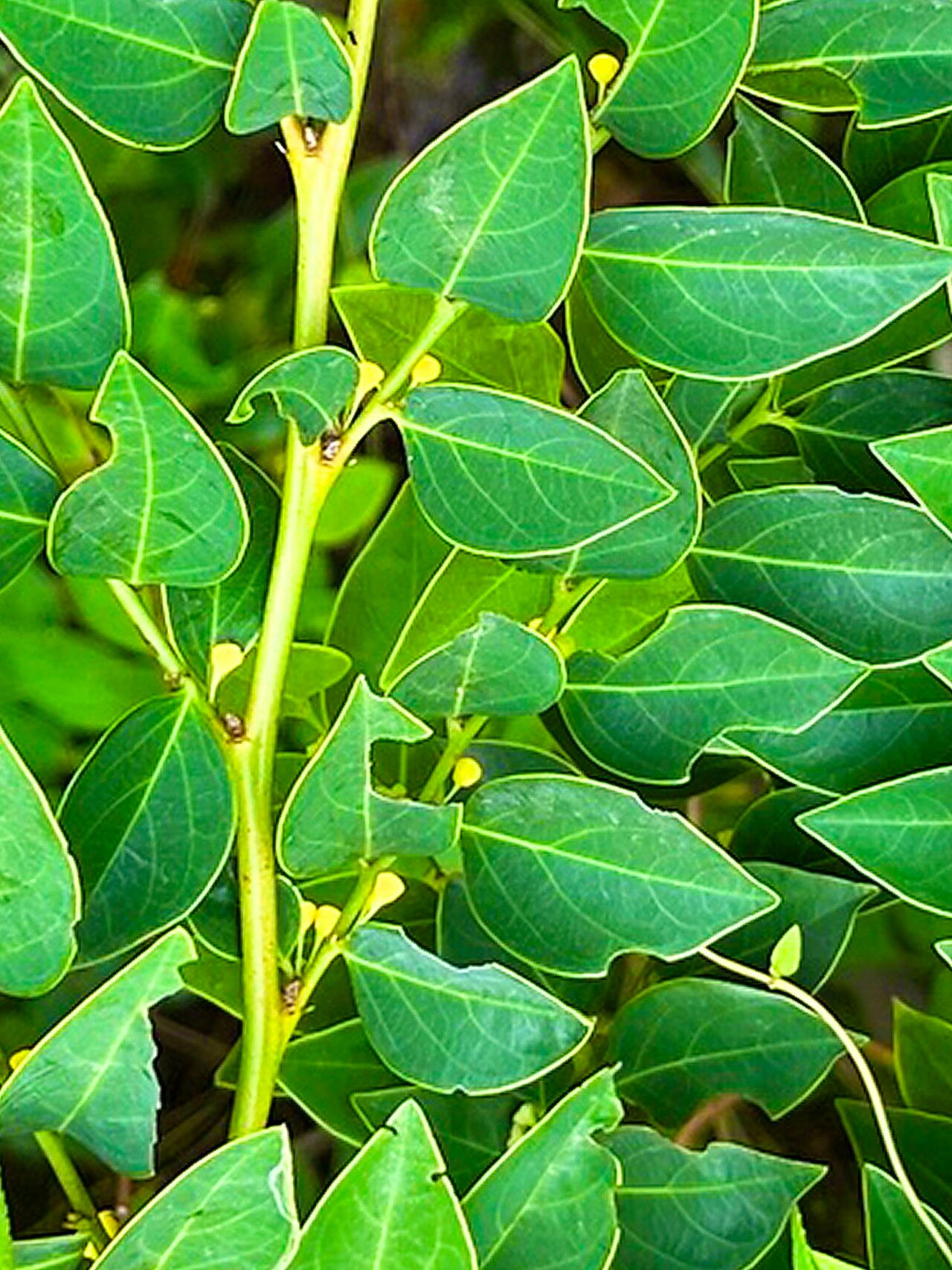
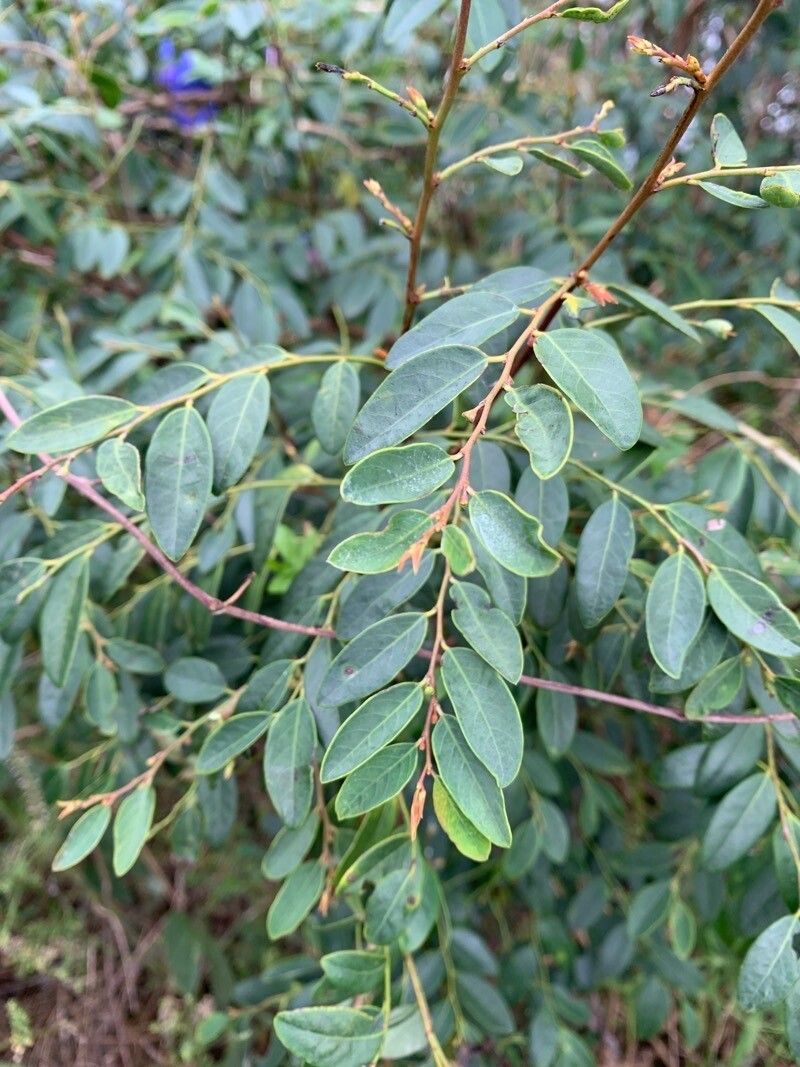
Phyllanthus androgynus, also known as katuk, star gooseberry, or sweet leaf, is a species of plant in the family Phyllanthaceae, native to tropical and subtropical Asia and grown in some areas as a leaf vegetable.
Star gooseberry has moderate disease resistance and can be vulnerable to illnesses like leaf spot. Its vulnerability to insect pests differs by variety, though most varieties tend to be less resistant to pests. Regarding care, Star gooseberry requires regular watering and fertilizing, along with frequent removal of yellow leaves. Controlling pests and diseases as they arise and harvesting promptly are important. Star gooseberry is appropriate for people who can commit some time and effort to routine care.
How to keep Breynia Androgyna.
Light
Star gooseberry thrives with plenty of sunlight, reflecting the sunny conditions of its native habitat. However, too much sun can harm the plant, while too little can cause stunted growth and duller leaf color.
Water
The star gooseberry plant thrives in moderately moist conditions and is also drought-tolerant. When watering, aim to do so every 1 to 2 weeks, letting the soil dry out slightly between waterings. If you are growing star gooseberry outdoors, be cautious of overwatering it during its dormancy period, as this can lead to root rot. It is important to monitor soil moisture closely during this time.
Temperature
The star gooseberry is native to climates where temperatures typically range from 68 to 95°F (20 to 35℃). It favors warm conditions, so potted plants kept indoors may need seasonal temperature adjustments for optimal growth.
Fertilizer
To feed Star gooseberry, apply natural or commercial fertilizer high in nitrogen for leaf growth, phosphorus for roots and blossoms, and potassium for photosynthesis and maximum fruit production. Plant in spring, enrich the soil with compost or manure, and fertilize seedlings when they reach a height of 2-4 inches. A shortage of macronutrients causes slow growth, wilting, and problems with fruit quality.
Pruning
The star gooseberry plant features small, lush leaves and has a compact growth habit. To encourage new growth and maintain its shape, it is best to prune the plant in early spring. During pruning, focus on removing dead branches and thinning out crowded areas. This will improve air circulation, promote dense foliage, and contribute to the plant's overall health by managing its size and form effectively.
Botanical profile.
- Plant Type
- Shrub
- Life Cycle
- Perennial
- Genus
- Breynia
- Family
- Phyllanthaceae
- Hardiness Zone
- 9
- Mature Height
- 0.91 m to 1.83 m
- Mature Spread
- 3.05 m
- Leaf Color
- Green
- Leaf Type
- Evergreen
- Flower Color
- Red, Yellow, Brown
- Flower Size
- 2.54 cm
- Bloom Time
- All year round
- Planting Time
- Spring, Autumn
- Harvest Time
- All year round
- Native Area
- Sri Lanka, India, Malaysia, Indonesia, Cambodia, Vietnam, Myanmar, Philippines, Singapore, Bangladesh, Laos, Brunei, Thailand
Other names.
Reader questions.
How should I water my Star gooseberry plant?
Your Star gooseberry is not picky when it comes to watering. Almost any common watering tool, such as a can, hose, or cup, will work well. Regardless of the tool, it is important to water directly onto the soil. Make sure to evenly moisten all areas of the soil to provide water to the entire root system. It is advisable to use filtered water as tap water may contain harmful particles. Additionally, using water that is at or slightly above room temperature is beneficial as extremely hot or cold water can be a shock to the Star gooseberry. However, the plant generally responds well to any type of water.
Why should I add fertilizer to my Star gooseberry plant?
Naturally, all plants need nutrients to grow properly. However, if we are growing Star gooseberry for its fruit, it is important to supplement the soil to ensure a bountiful harvest. The main macronutrients, such as phosphorus, play different roles in supporting plant growth. Phosphorus, specifically, promotes the formation of flowers and fruit. A plant cannot produce flowers and fruit without a strong root system and healthy leaves for photosynthesis. Thus, the nutrients that support these parts of the plant are also essential. Insufficient macronutrients can lead to decreased vitality, slower growth, and potential wilting. Since flowering and fruiting require significant energy, any deficiency in these vital components will be reflected in the quality of the resulting fruits.
What are the sunlight requirements for Star gooseberry?
Star gooseberry requires full sun, which is above 6 hours of sunlight daily, to thrive. However, it can also tolerate partial sun, about 3-6 hours of sunlight. It's crucial to watch how sunlight moves through your garden to choose spots that provide the perfect balance of light and shade, ensuring the happiness of your plants.
What is the ideal temperature range for growing Star Gooseberry?
The Star gooseberry thrives in temperatures ranging from 68 to 95°F (20 to 35°C), which are its ideal growing conditions. The plant is indigenous to warm climates and requires temperatures above 20°C (68°F) during the winter for optimal growth. To prevent damage from freezing, it is crucial to keep the plant's environment above the freezing point. In regions where outdoor temperatures may fall to -5°C (25°F) or lower during winter, it is advisable to bring the Star gooseberry indoors or protect it with a temporary greenhouse or coverings like plastic film or fabric.
What should I do if I give my Star gooseberry too much or too little water?
Outdoor plants, especially newly planted ones or seedlings, are prone to lack of watering. Remember to water them enough for a few months when they are small or newly planted. Once the roots are established, Star gooseberry plants can usually rely on rain. Overwatering is more likely to occur when Star gooseberry plants are planted in pots. If you accidentally overwater your Star gooseberry, take immediate action to minimize the damage. Stop watering the plant right away and inspect the roots by removing it from the pot. If there is no root rot, you can return the plant to its container. If you find signs of root rot, trim the affected roots and apply a fungicide to prevent further damage. Repot the Star gooseberry in well-draining soil. If your Star gooseberry is underwatered, simply water it more frequently. Underwatering is an easy fix as the leaves will droop and dry out, but will quickly recover with sufficient watering. Make sure to adjust your watering frequency as soon as you notice underwatering.
When should I put fertilizer on my Star gooseberry?
Star gooseberry is a summer crop that should be planted in the spring for summer fruit production. To ensure optimal growth, it is important to check the specific variety's planting time. For high-quality produce, star gooseberry requires rich and fertile soil. Before planting, mix a 2-inch layer of compost or well-rotted manure into the soil to provide nutrients and improve drainage. Transplants can be fertilized immediately after planting, while seedlings should be fertilized once they reach a height of 2 to 4 inches. Established plants should be fed every 3 to 4 weeks throughout the growing season until the first frost or when the plant stops producing. Make sure to check the specific fertilizer type and variety of star gooseberry to customize your fertilization schedule accordingly. If unsure, it is better to fertilize less.
What essentials should be considered for growing Star gooseberry?
Star gooseberry prospers with ample exposure to sunlight, reflecting its native environment known for abundant sun. Excessive sunlight may harm the plant, while insufficient sunlight can lead to stunted growth and diminished vibrancy in leaf coloration. Indoor plants may require artificial lighting to ensure optimal growth, especially in less sunny locations or during winter. LED lights are recommended for their ability to offer specific wavelengths needed by plants, with full sun plants requiring 30-50W/sq ft, partial sun plants needing 20-30W/sq ft, and full shade plants using 10-20W/sq ft of artificial light.
How does low temperature affect Star Gooseberry, and what should be done?
Star gooseberry exhibits moderate tolerance to low temperatures but thrives best between 20°C and 35°C (68°F to 95°F). If the temperature drops below 0°C (32°F), the leaves may darken, and exposure to temperatures below -5°C (23°F) can cause water-soaked necrosis, wilting, drooping, and eventually turn the leaves brown. To address this, trim away frost-damaged parts and either move the plant indoors to a warm environment or set up a makeshift greenhouse. For indoor settings, placing the plant near a south-facing window ensures sufficient sunlight, and supplemental lighting can be used if natural light is inadequate.
How often do I need to water my Star gooseberry?
When it comes to plants growing outdoors, most of them can rely on rainfall for their watering needs. However, if you live in an area with limited rainfall, it's important to make sure your plants receive enough water. During the spring and fall seasons, watering every 2 weeks should be sufficient. In the summer, when plants need more hydration, watering more frequently is necessary. In the winter, plants grow at a slower rate and require less water, so it's best to water them sparingly or not at all. If you have a young or newly planted Star gooseberry, it's crucial to water it more often to help it establish and grow into a drought-tolerant plant. For potted plants, there are two main approaches to determining the watering frequency for your Star gooseberry. The first method is to follow a predetermined watering schedule, which could be once a week or once every other week. However, this may not always be suitable for your specific plant's environment. The second approach is to judge the moisture level of the soil. Ideally, you should wait until the top two to four inches of soil, about ⅓ to ½ the depth of the pots, have completely dried out before watering again. It's important to note that during the summer, when the plant's water needs are highest, solely relying on a predetermined schedule may not be enough.
When is it not a good idea to put fertilizer on my Star gooseberry plant?
To ensure the proper growth of Star gooseberry, it is important to avoid using fertilizers that contain excessive amounts of nitrogen. Excessive nitrogen can result in an abundance of leaves but few blooms or fruits. Instead, opt for fertilizers with a lower nitrogen content compared to other nutrients. Additionally, it is advisable not to fertilize Star gooseberry during high temperatures or dry conditions. This is because the fertilizer may simply wash away without being absorbed by the soil. Moreover, plants have a reduced capacity to absorb nutrients in hot weather, causing the fertilizer to linger in the soil and inhibit water uptake by the plants. This can be particularly risky during droughts or heatwaves, putting the plants at risk.
What are the important symptoms of light deficiency in Star gooseberry?
When Star gooseberry is grown indoors or in limited light conditions, it may show symptoms of light deficiency, including smaller new leaves, leggy or sparse growth, premature leaf drop, halted or no new growth, and lighter-colored new leaves. These symptoms are subtle and can be easy to miss. Additionally, excessive sunlight can cause chlorosis, sunscald, leaf curling, wilting, and leaf scorching, which negatively impact the plant's health.
How does high temperature affect Star Gooseberry, and what actions should be taken?
During the summer, it's important to ensure that the temperature where the Star gooseberry is located does not exceed 35°C (95°F). Temperatures above 38°C (100°F) can slow down its growth, cause the leaves to lighten in color, and increase susceptibility to sunburn. To mitigate high-temperature damage, trim away the sunburned and dried parts, move the plant to a shade, particularly to avoid the afternoon sun, and water it in the morning and evening to maintain soil moisture.