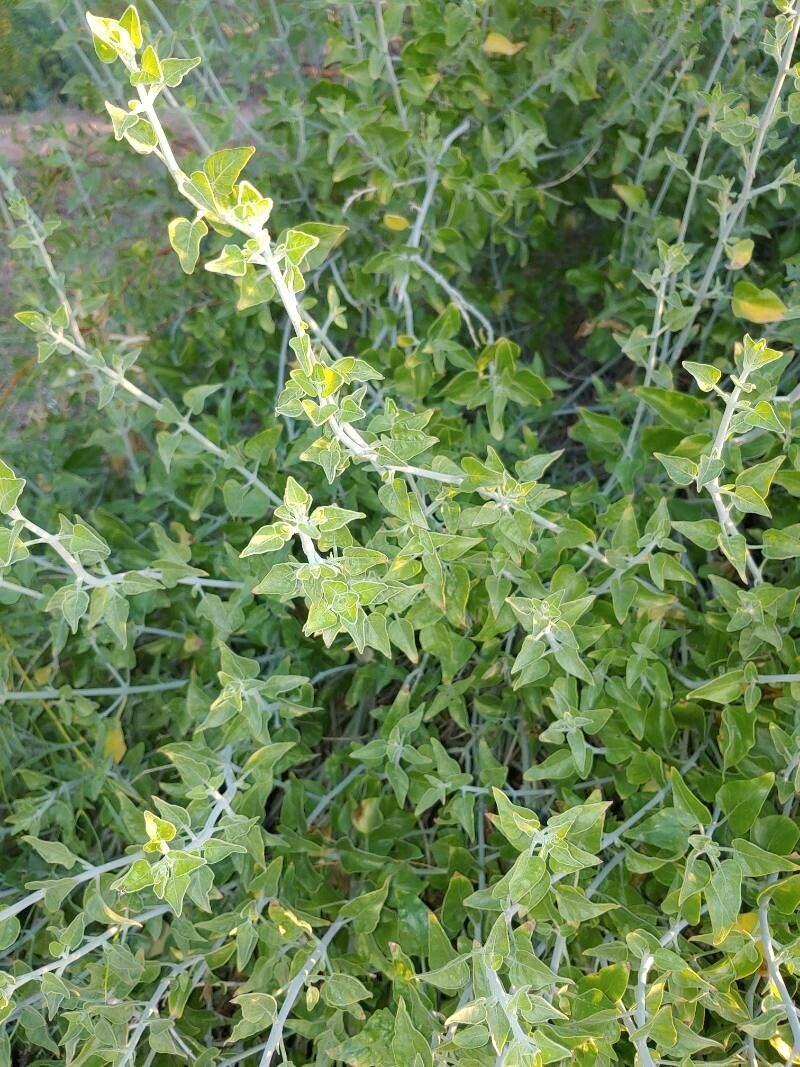
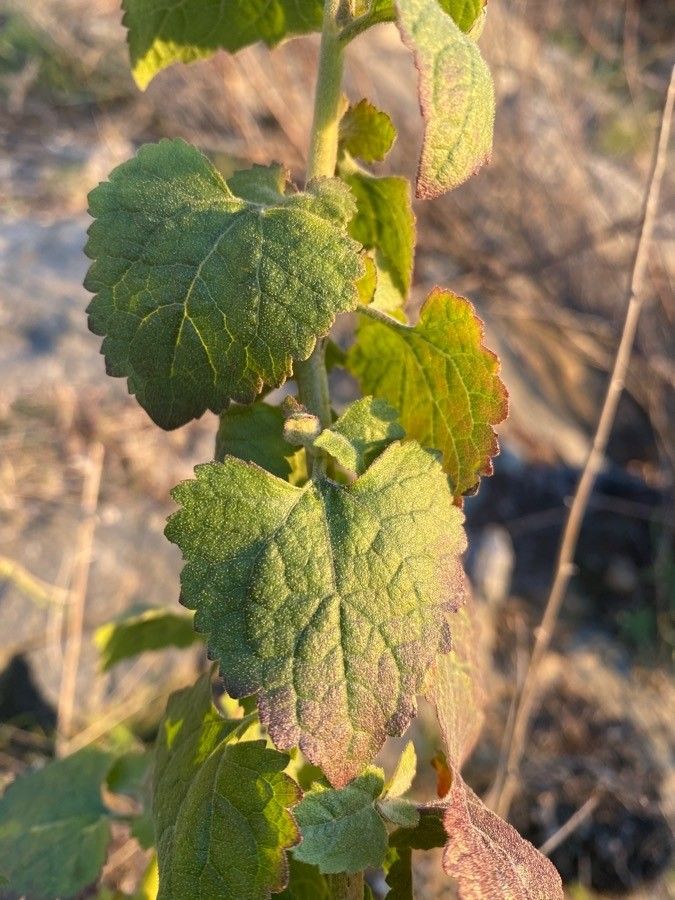
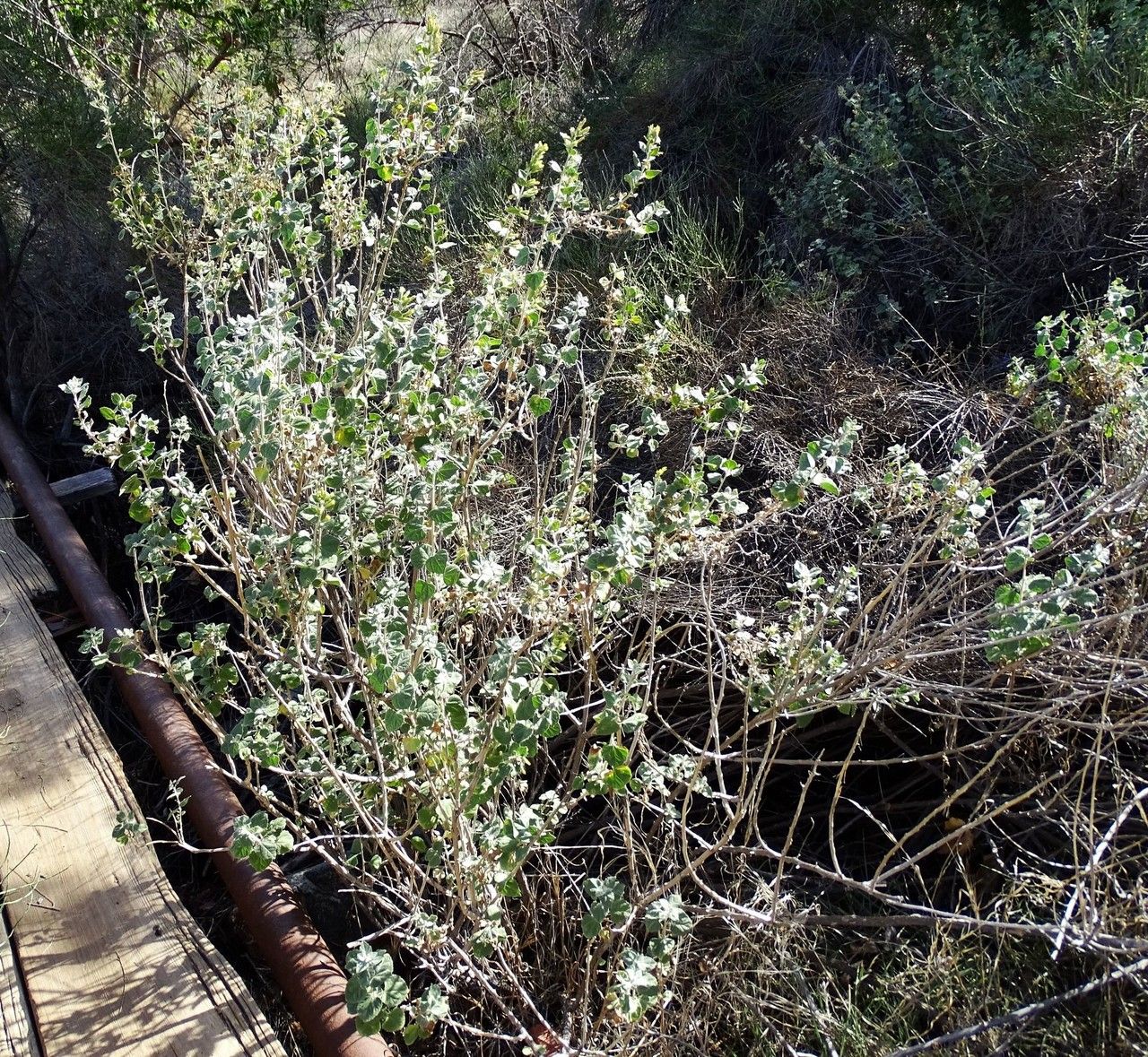
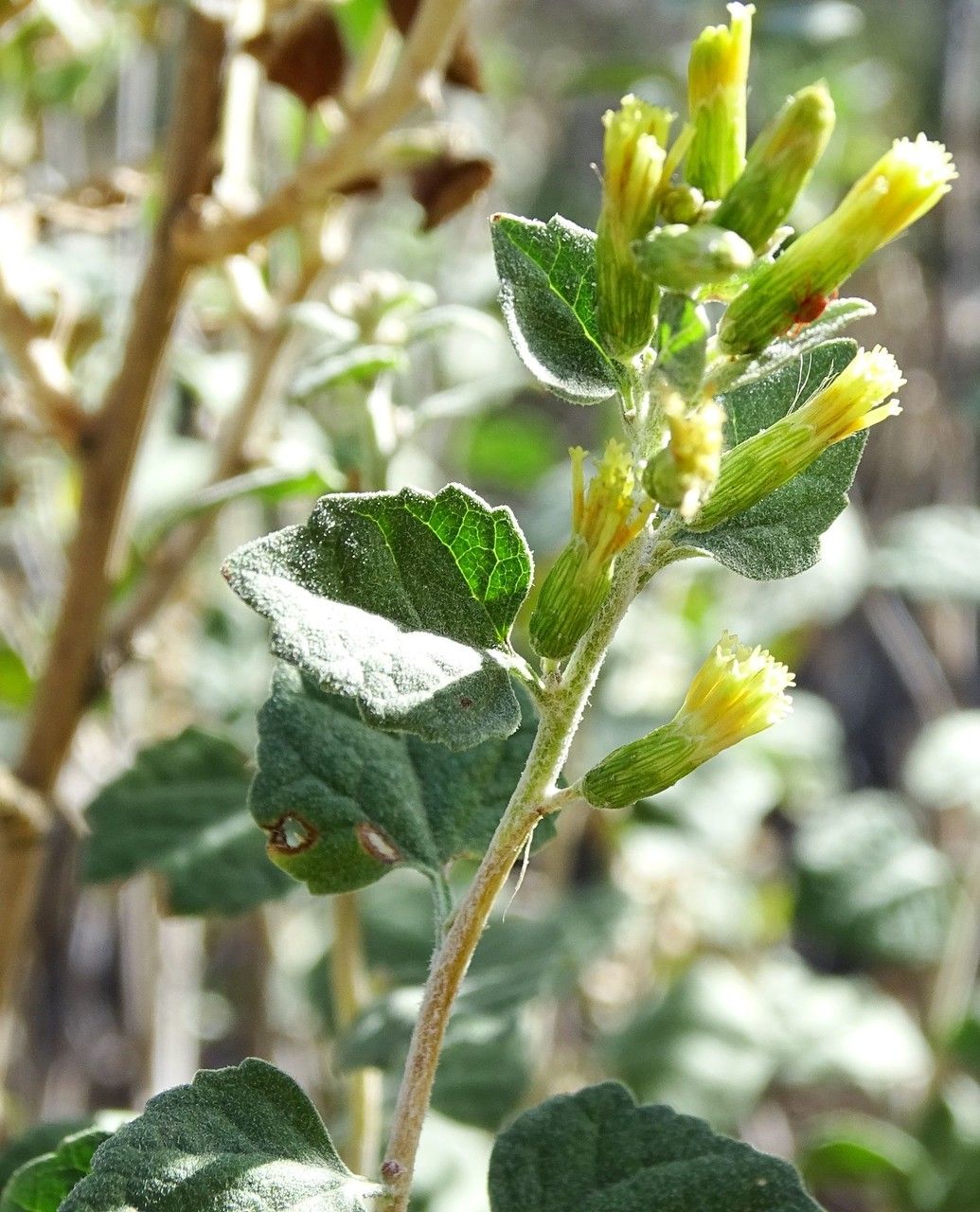
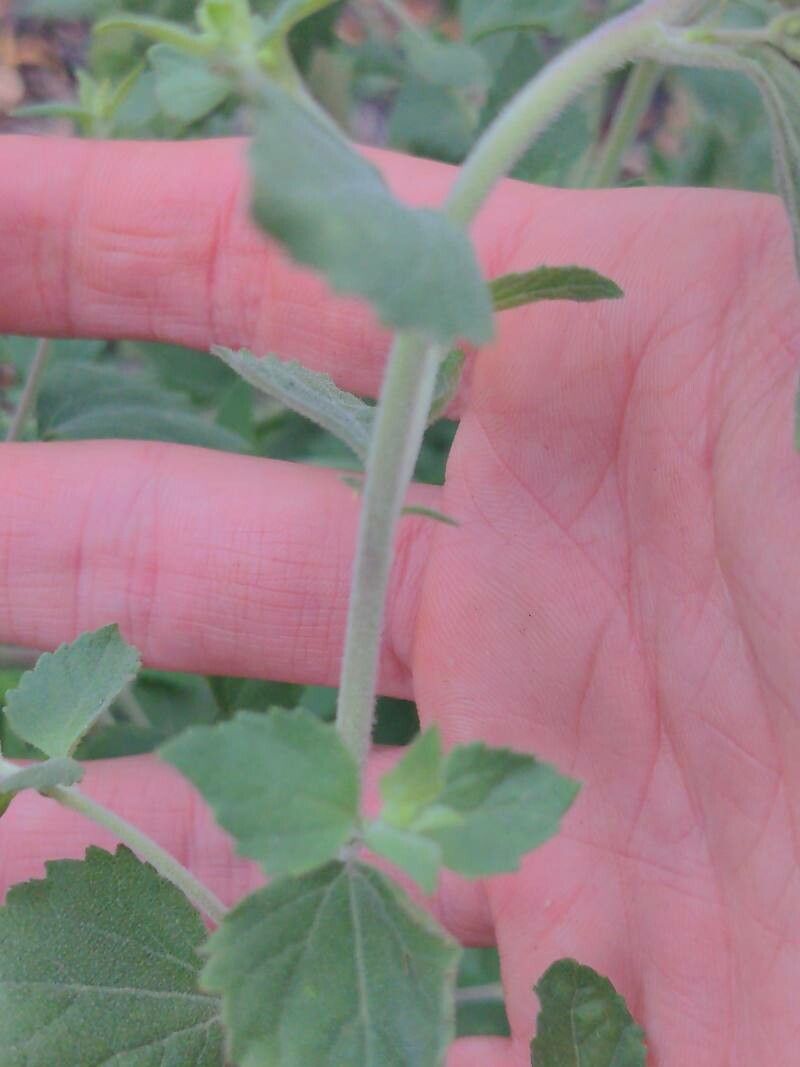
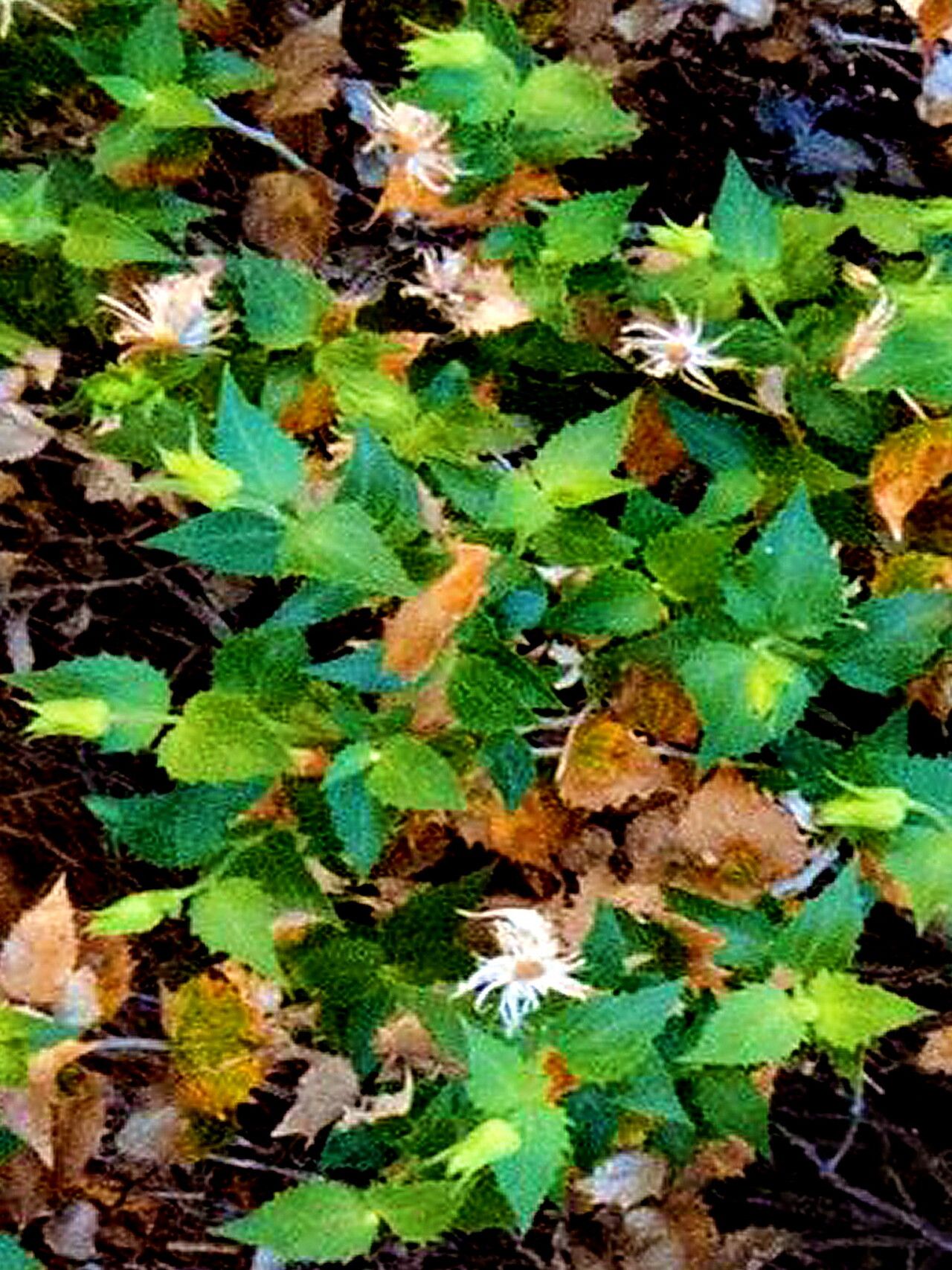
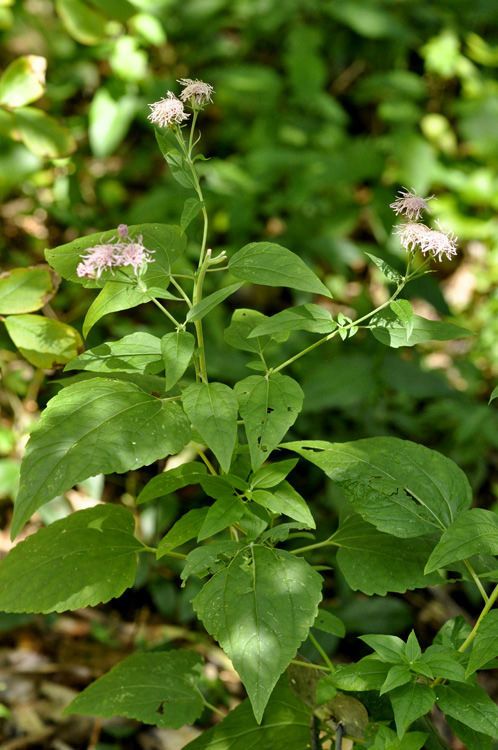
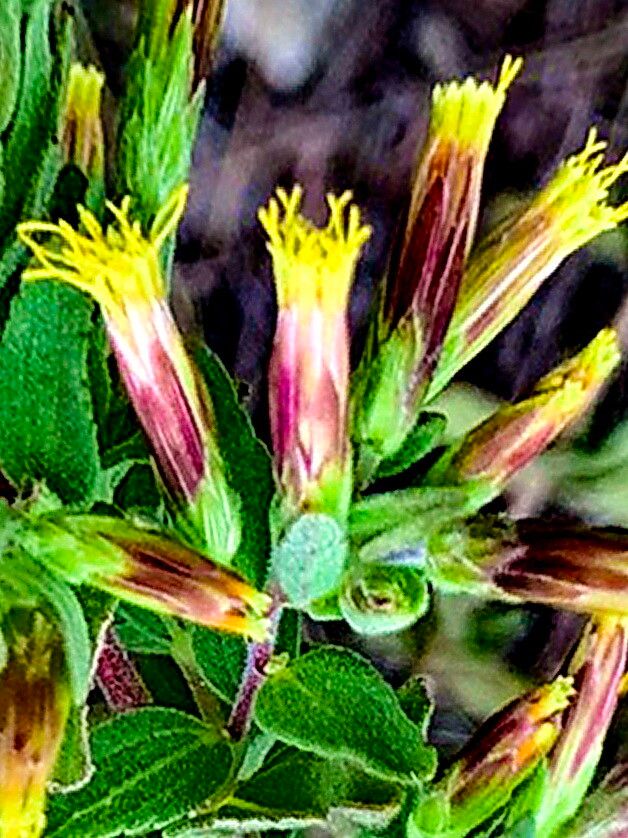
Brickellia californica, known by the common name California brickellbush, is a species of flowering plant in the family Asteraceae.
California Brickellbush shows strong resistance to disease and is usually not susceptible to illnesses. In terms of maintenance, this plant is fairly low-maintenance. Planted outdoors, it needs only minimal watering, and larger plants typically do not need pruning; smaller plants should be pruned after they finish blooming. California Brickellbusht is appropriate for anyone with an outdoor area, such as a garden or a deck, and does not demand much caretaking experience.
How to keep Brickellia Californica.
Light
The california Brickellbush favors a substantial amount of light for optimal growth and strength. In its native environment it does best where light is plentiful for much of the day, though it can tolerate places with somewhat less light. Excessive shade can limit the plant's vigor and growth.
Water
California Brickellbush thrives in arid conditions, requiring minimal water and needing irrigation just once every three weeks. This drought-tolerant species prefers well-draining soil to prevent waterlogging, which makes it ideal for outdoor growth in natural climates.
Temperature
California Brickellbush is native to moderate climates where temperatures commonly range from 41 to 95 °F (5 to 35 °C). It favors cool to mildly warm conditions and therefore requires special care during temperature extremes. Move it to shadier spots in summer, and cover it or bring it indoors during freezing winters.
Fertilizer
Timing of fertilization is important for California Brickellbush. Apply fertilizer in early spring and continue on a monthly basis until early summer. Fertilizer promotes attractive blooms and supplies energy during both dormant and active growth periods.
Pruning
Pruning California Brickellbush in early spring is beneficial for improving its shape, vigor, and airflow. By trimming new growth and removing weak stems, you can prevent disease and encourage healthy development. This timing helps promote denser foliage and improved flowering. For detailed techniques, consult horticultural guides specific to the needs of California Brickellbush.
Botanical profile.
- Plant Type
- Shrub
- Life Cycle
- Perennial
- Genus
- Brickellia
- Family
- Asteraceae
- Hardiness Zone
- 5-10
- Mature Height
- 0.05 m to 2.13 m
- Mature Spread
- 0.3 m to 1.52 m
- Leaf Color
- Green, Dark Green
- Leaf Type
- Deciduous
- Flower Color
- White
- Flower Size
- 1.27 cm
- Bloom Time
- Late summer, Early fall, Mid fall
- Planting Time
- Spring, Summer, Autumn
- Harvest Time
- Mid fall, Late fall, Early winter
- Native Area
- Mexico
Other names.
Reader questions.
What's the best way to water my California Brickellbush plant?
To ensure excellent root development, place a garden hose at the base of the plants. Avoid spraying the leaves directly and note that outdoor plants in direct sunlight may require more watering for their leaves. To moisten the roots, use bubblers or soaker hoses for each plant. When adding or removing plants, use soaker hoses that can cover the whole garden or bed to encourage deep root growth. After watering, drain excess water and allow the soil to dry before watering again. To prevent diseases, water at ground level and on sunny days, consider spraying the entire bush. Keep in mind that whether the plants are potted or in the ground, California Brickellbush prefers deep watering rather than light sprinkling.
What are the sunlight requirements for the California Brickellbush?
The California Brickellbush thrives in environments with abundant light exposure. It requires full sun, defined as over 6 hours of sunlight daily, for optimal growth and robustness. However, it can also tolerate partial sun, which means about 3-6 hours of sunlight daily. Too much shade may impede the plant's vigor and growth. It is crucial to watch how sunlight moves through your garden and choose locations that provide a balance of light and shade to ensure the happiness and health of your plants.
What is the optimal climate for California Brickellbush?
California Brickellbush, botanically known as Brickellia californica, thrives in moderate climates where temperatures typically range between 41 to 95 °F (5 to 35 °C). It prefers cooler to mildly hot temperatures. Special care is necessary during extreme weather conditions. In summer, it's advisable to move the Bush to shadier areas to protect it from the heat, and in freezing winters, covering the plant or bringing it indoors can help prevent damage. Despite its strong cold resistance, if temperatures are forecasted to drop below -25°C, it's important to take measures to protect the plant from cold by wrapping its trunk and branches with non-woven fabric or cloth. Additionally, watering the plant abundantly before the first freeze of autumn to keep the soil moist can help prevent drought and water scarcity during winter and early spring.
What should I do if I give California Brickellbush too much water or not enough water?
If you notice that your California Brickellbush is overwatered, you may see yellowing, wilting, and dropping leaves. The plant may appear dull and unhealthy with mushy stems. In this case, it's a good idea to adjust your watering schedule. However, wilting can also be a sign of underwatering. In this case, the leaves may become crispy and dry. To determine if the soil is dry, check it and if necessary, give the plant a thorough watering. While enough water will help the plant recover, it may still have yellow leaves and appear dry due to root damage. Once it returns to normal, the yellowing will stop. When caring for the California Brickellbush indoors, be mindful of overwatering and check for black spots. If present, allow the soil to dry by withholding water for a few days. Overwatering can lead to root rot, indicated by discolored and slimy roots. If root rot is present, consider transferring the plant to a different pot and take steps to prevent it in the future. When planting the California Brickellbush outdoors, make sure to check the soil moisture underneath the surface. If it feels too dry, it may indicate underwatering, so watering adequately is important for the plant's recovery.
What artificial lighting is needed for indoor California Brickellbush plants?
For indoor California Brickellbush plants, artificial lighting can compensate for a lack of natural sunlight, especially in winter or less sunny spaces. LED lights are recommended because they can be tailored to provide specific wavelengths of light necessary for plant growth. Full sun plants need 30-50W/sq ft, partial sun plants require 20-30W/sq ft, and full shade plants should have 10-20W/sq ft of artificial light. The light source should be placed 12-36 inches above the plant to mimic natural sunlight. Most plants benefit from 8-12 hours of light per day.
How does low temperature affect California Brickellbush and what should be done?
California Brickellbush is cold-tolerant and functions best when temperatures remain above 5°C. However, during winter, it's crucial to ensure the temperature does not fall below -20°C. Exposure to temperatures below -25°C may not show immediate effects during winter, but can result in branches becoming brittle, dry, and devoid of new shoots by spring. In response to these symptoms, dead branches that have not produced new leaves should be pruned away in spring to encourage healthy growth.
How often do I need to water my California Brickellbush?
The California Brickellbush prefers deep and infrequent watering. If you have them planted in pots, it's important to soak them in a gallon of water each time as the water storage in pots is limited and the soil dries out faster. In colder regions, watering is needed every 3 to 5 days. It's best to water in the morning when the soil is dry, whether the plant is indoors or outdoors. To determine if watering is necessary, check the soil inside - if the top 2-3 inches are dry, it's time to give the plant a good watering. During hot days, the soil in pots can dry out quickly, so it's important to check the moisture daily. If you have a garden, irrigation of the soil is also necessary. In hot climates, watering once a week is recommended. Only water when you notice that about 2 to 3 inches of soil is too dry, whether the plants are indoors or outdoors. Take into consideration the amount of rainfall, as watering may be unnecessary if there has been a lot of rain to prevent root rot. The California Brickellbush tends to grow in spring and fall, so if they are planted outdoors, adding mulch 3 to 4 inches deep can help conserve water. Sandy soil drains faster, so plants in sandy soil will need more frequent watering. On the other hand, clay soil retains water longer, so watering can be done less frequently, allowing the plant to dry out for 2-3 days to prevent root rot. To keep track of watering, you can mark the date on a calendar, and if you notice drooping leaves, it could indicate that watering is needed and you might be a day late.
What are the symptoms of light deficiency or overexposure in California Brickellbush?
Symptoms of light deficiency in the California Brickellbush include small or pale new leaves, leggy or sparse growth, faster leaf drop, slower new growth, and irregular color patterns indicating a lack of chlorophyll. On the other hand, overexposure symptoms include chlorosis, or the loss of leaf color, sunscald which appears as pale or damaged plant tissue, leaf curling as a defense to reduce surface area exposed to sunlight, wilting from excessive water loss, and leaf scorching seen as brown or dry edges on leaves. These indicate issues with the plant's ability to photosynthesize and maintain health.
What impact does high temperature have on California Brickellbush and how can it be mitigated?
During the summer, it's essential for the well-being of the California Brickellbush to keep its environment below 35°C. Exposure to temperatures above 41°C can cause the leaves to lighten in color, with leaf tips becoming dry, withered, and susceptible to sunburn. To mitigate these effects, trim away the sunburned and dried parts of the plant. Relocating the Bush to a shadier spot or using a shade cloth to screen it from the midday and afternoon sun can offer protection. Additionally, watering the plant in the morning and evening will help maintain soil moisture and overall plant health.
How much water should I give my California Brickellbush?
The California Brickellbush generally needs about a gallon of water on a regular schedule. For potted plants, water deeply until the water starts to drip from the bottom of the pot, and then wait for the soil to dry before watering again. To determine the amount of water you've given your plant in a week, you can use a water calculator or a moisture meter. During the flowering period, provide plenty of water but allow the moisture to evaporate afterwards to prevent root rot. If the California Brickellbush is planted outdoors and receives adequate rainfall, it may not need additional watering. However, when the plant is young or newly planted, it should receive 1-2 inches of rain per week. As the California Brickellbush grows, it can rely solely on rainfall. Only in very hot weather or when there has been no rainfall for 2-3 weeks should you consider giving the plant a full watering during the cooler part of the day to prevent heat damage. Additional watering will be necessary during extended dry periods.
How can I address sunlight-related issues for my California Brickellbush?
To address sunlight-related issues, gradually move your California Brickellbush to sunnier locations to ensure it receives at least 6 hours of direct sunlight daily. For indoor plants, consider using artificial lighting if they cannot be easily moved, keeping a lamp on for at least 8 hours daily or investing in grow lights. Outdoor plants should be moved gradually to prevent sunburn. If sunlight is obstructed, for instance by trees, pruning may help. For smaller plants, transplanting during their dormant period to a location with ample sunlight and good drainage can be beneficial. Note that parts of the plant damaged by insufficient light may not recover, but new growth will be healthy with improved light exposure.
Do I need to water my California Brickellbush more or less based on the time of year or weather?
The California Brickellbush is best grown outdoors where it can receive rainwater. If the weather is consistently dry, you will need to water it. During the spring and fall, keep the soil moist but not soggy for optimal growth. Alternating between dry and moist soil conditions is ideal. In the summer, hot weather can cause water to evaporate quickly, so you may need to water more frequently if there is a lack of rainfall. However, in winter, the plant requires less water as it goes dormant and loses its leaves. To help the water evaporate more quickly, use a well-draining but moisture-retentive soil mixture like terracotta. Once your California Brickellbush begins leafing out in spring, you can skip watering as it can rely on fall and winter rains during its dormant period. During warmer temperatures, you can encourage growth and blooming by cultivating the plant. Good drainage is essential at all times, especially in winter, as the plant dislikes excessive water or drought when flowering. If the plant is in a pot, ensure it is well-watered, particularly during summer, while also providing adequate drainage to prevent cold and wet roots. It's best to water deeply and avoid shallow sprinkles that only reach the leaves and encourage fungal growth. Even during dormancy in the fall and winter, don't let the plant dry out completely. Avoid leaving the plant sitting in water for too long as it can lead to problems, especially during winter. Applying mulch is recommended to reduce stress, conserve water, and promote healthy blooms.