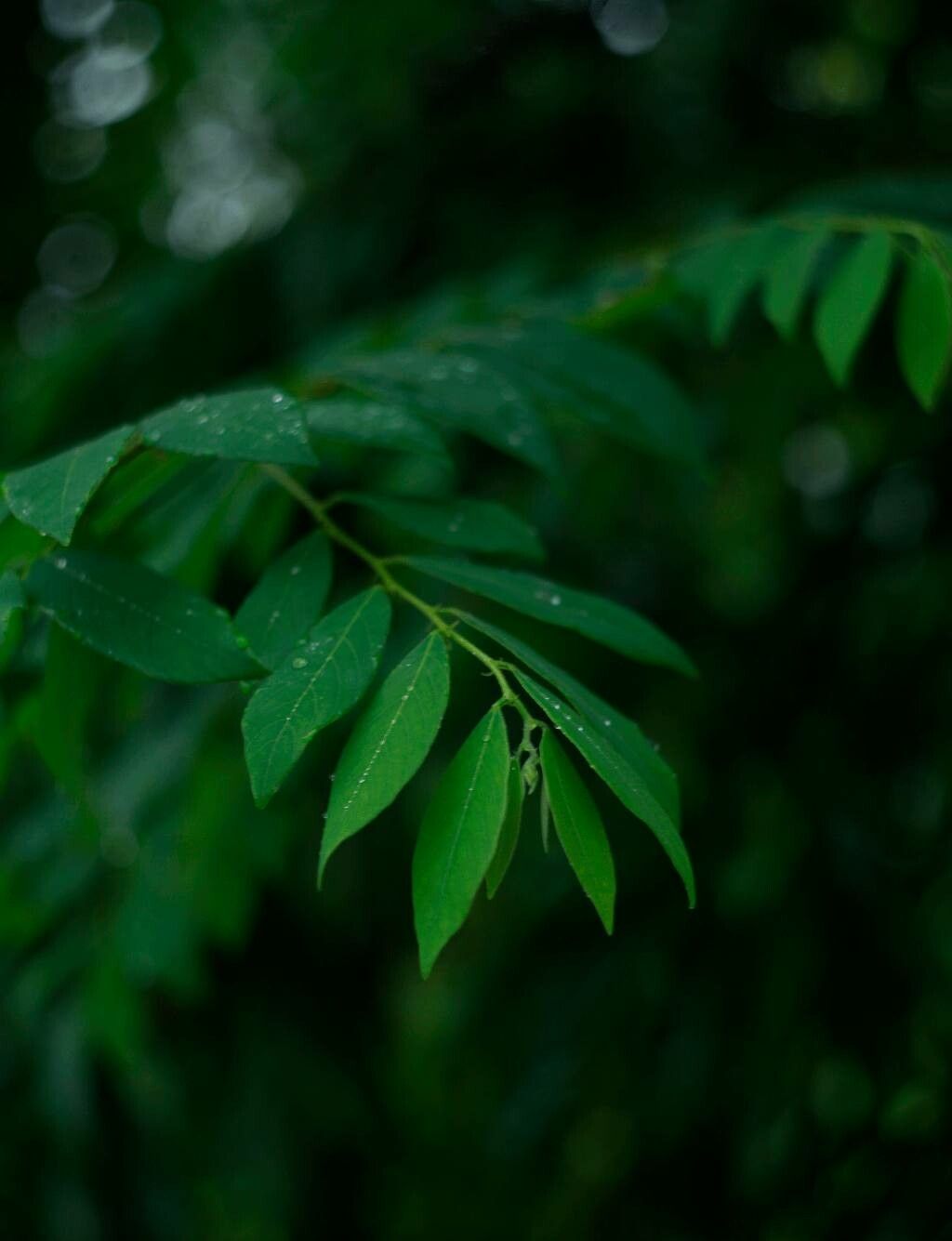
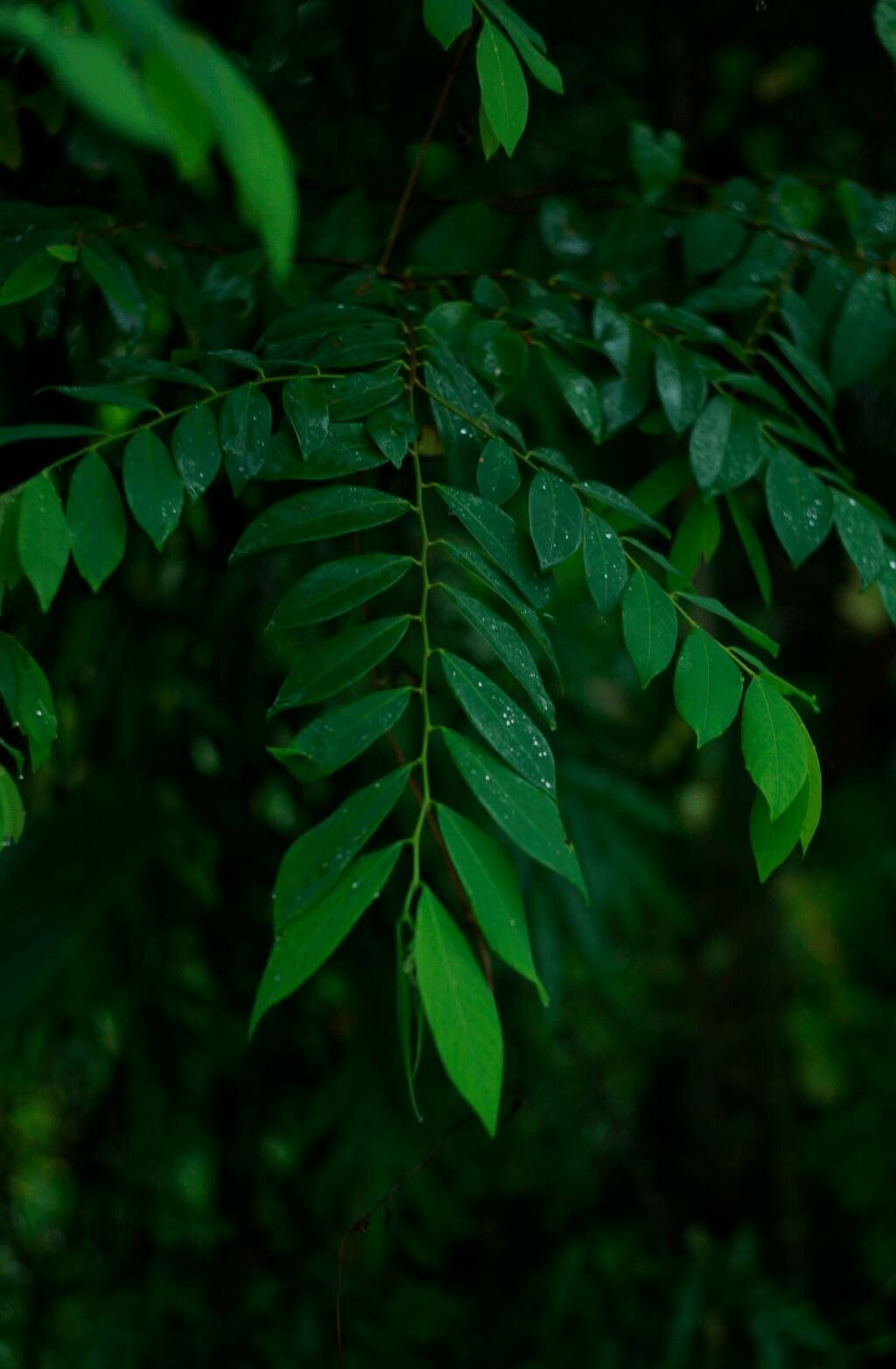
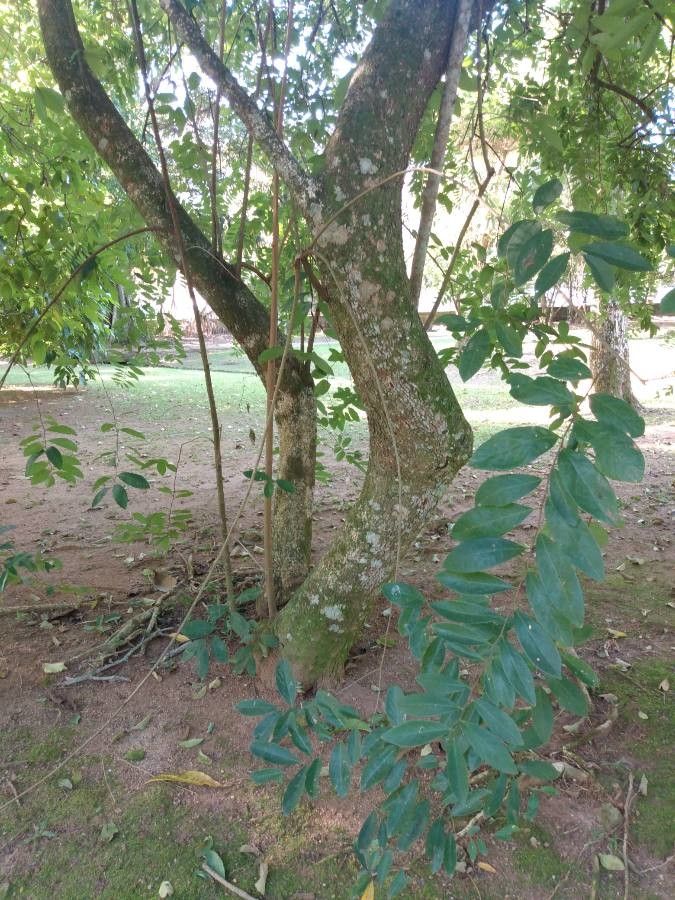
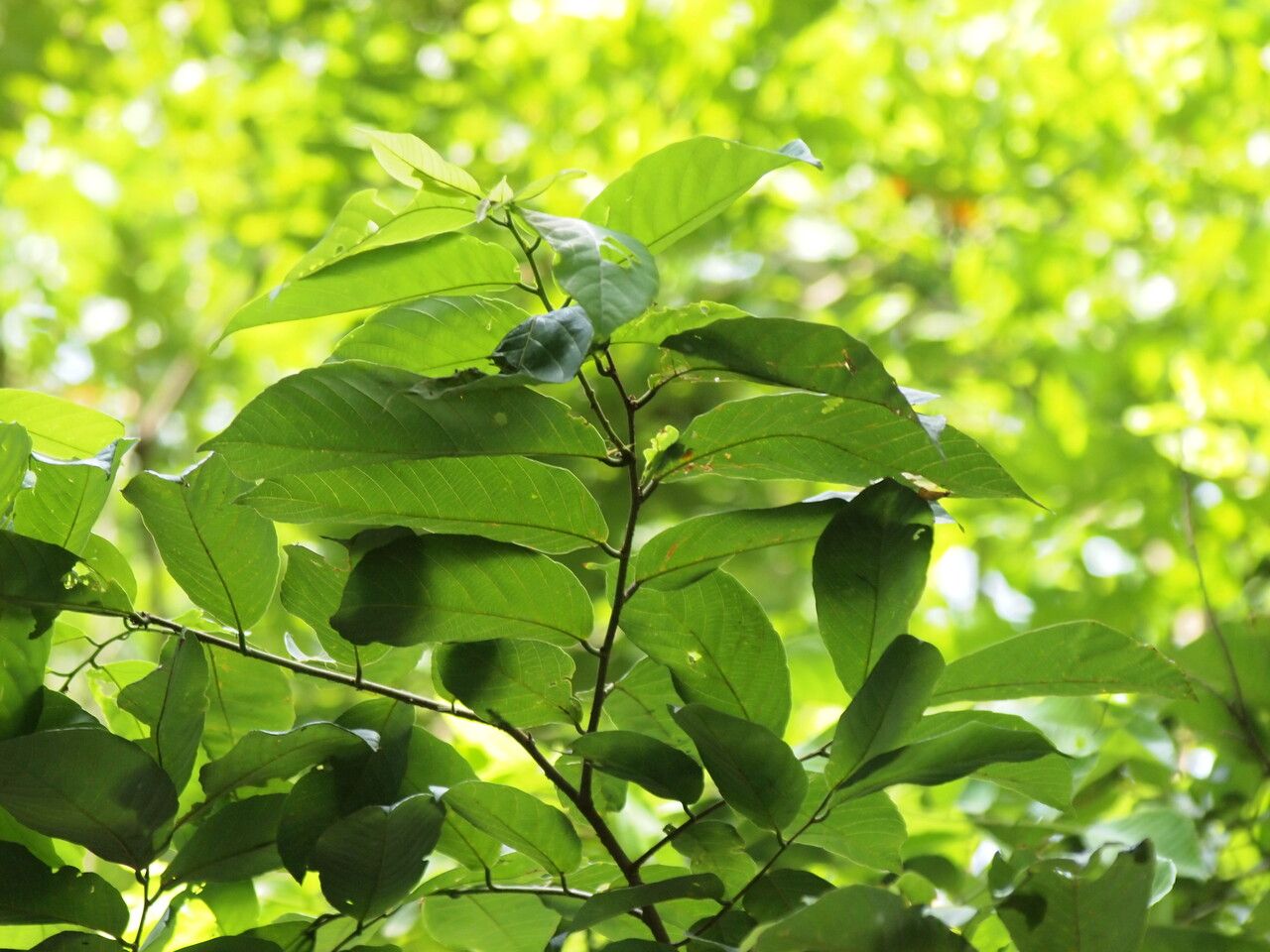
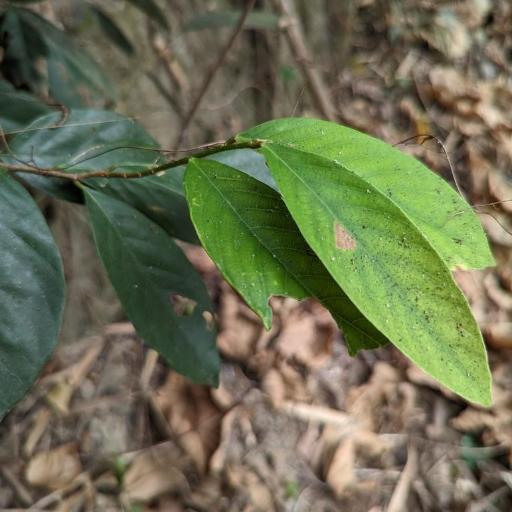
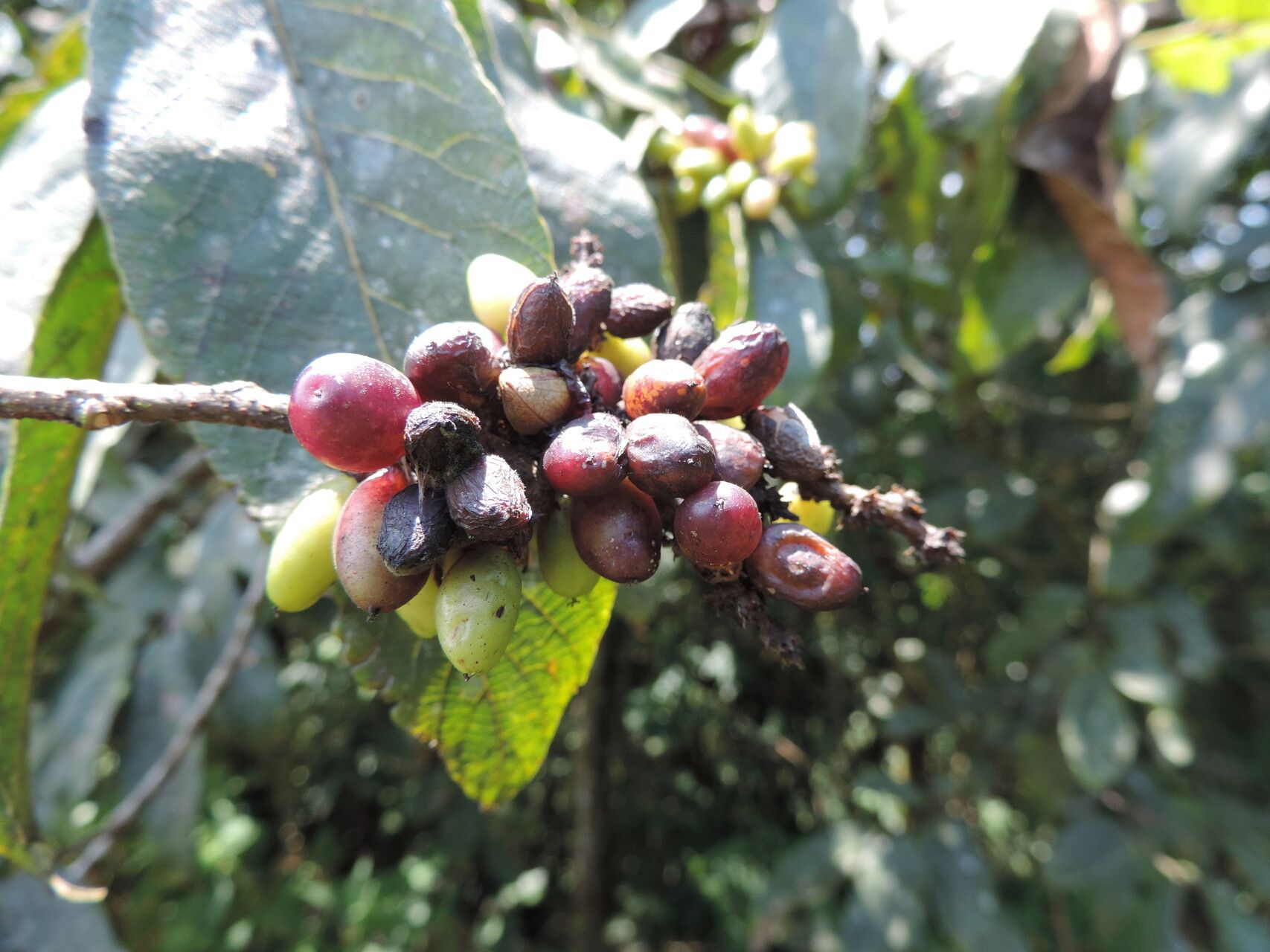
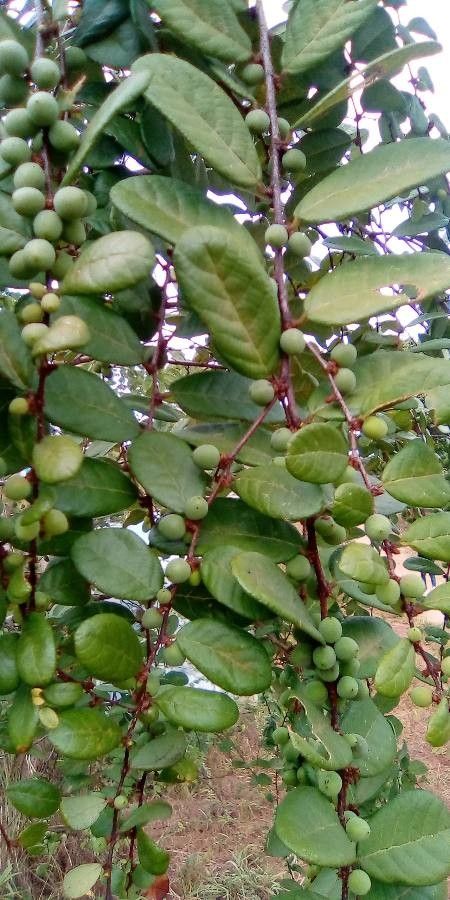
Pop-gun seed displays strong disease resistance and is generally not susceptible to illnesses. As for care, this plant is fairly low-maintenance. When grown outdoors it needs only light watering, and larger plants typically do not require pruning. Smaller plants, however, should be pruned once they have finished blooming. Pop-gun seedt is appropriate for anyone with an outdoor area, such as a garden or a deck, and does not demand much care experience.
How to keep Bridelia Tomentosa.
Light
Native to bright, sun-drenched environments, Pop-gun seed is a tropical woody plant that prefers full sun but can also tolerate partial sunlight. It commonly grows in open, well-lit areas with little shade.
Water
The pop-gun seed, native to arid regions, thrives with minimal moisture and shows excellent drought tolerance. It only needs watering once every 2 to 3 weeks. Ideal for xeriscaping, the pop-gun seed is perfect for water-conscious gardeners in various climate zones.
Temperature
Pop-gun seed is indigenous to temperate regions. It grows best in temperatures between 68 and 95 °F (20 to 35 °C). Seasonal adjustments in temperature may be required to recreate this favorable environment.
Fertilizer
Fertilization is essential for caring for Pop-gun seed. Regular feeding during the growing season preserves the energy for its showy leaves and supports overall growth. If fertilization is neglected, leaves can become unhealthy, the plant's ornamental value may decline, and growth can be stunted or weak and prone to breakage.
Pruning
Pop-gun seed benefits greatly from winter pruning, which involves removing dead or crossing branches to improve airflow and encourage growth. Regular thinning helps maintain the plant’s aesthetic appeal and prevent diseases. When pruning, be sure to use clean, sharp tools. Additionally, consult local horticultural guides for information on how to best care for pop-gun seed in its specific environment.
Botanical profile.
- Plant Type
- Tree, Shrub
- Life Cycle
- Perennial
- Genus
- Bridelia
- Family
- Phyllanthaceae
- Hardiness Zone
- 10
- Mature Height
- 2.13 m to 11.89 m
- Mature Spread
- 2.13 m to 3.96 m
- Leaf Color
- Dark Green, Olive Drab
- Leaf Type
- Evergreen
- Flower Color
- Yellow, Green, Purple
- Flower Size
- 0.20 cm to 0.25 cm
- Bloom Time
- Summer
- Planting Time
- Spring, Summer
- Harvest Time
- Late summer, Fall
- Native Area
- Nepal, India, Malaysia, Indonesia, Cambodia, Vietnam, Myanmar, Philippines, Singapore, Bangladesh, Laos, Thailand, China
Other names.
Reader questions.
What are the sunlight requirements for Pop-gun seed plants?
Pop-gun seed plants, botanically known as Bridelia tomentosa, thrive in environments that receive full sun but can also tolerate partial sun. Full sun means the plants should receive above 6 hours of sunlight daily, while partial sun is about 3-6 hours of sunlight. It's essential to watch how sunlight moves through your garden to choose spots that provide the right balance of light and shade, ensuring the plants' health and happiness.
What is the ideal climate for Pop-gun seed growth?
Pop-gun seed, or Bridelia tomentosa, is native to temperate regions and thrives best in temperatures ranging from 68 to 95°F (20 to 35°C). To foster a favorable growth environment, seasonal temperature adjustments might be necessary. Being a heat-loving plant, Pop-gun seed is sensitive to cold temperatures. During the autumn, it is advisable to transfer Pop-gun seeds grown outdoors indoors, placing them near a bright window yet at a safe distance from heaters. It is beneficial for the plant's growth to maintain temperatures above 20°C during winter, while any temperatures near 5°C could be harmful.
How can artificial lighting be utilized for Pop-gun seed plants?
When natural sunlight is insufficient, especially during winter or in less sunny spaces, artificial lighting can be a crucial solution for growing Pop-gun seed plants indoors. It's recommended to use LED lights as they can be customized to provide specific wavelengths needed by the plants. Full sun plants require 30-50W/sq ft of artificial light, partial sun plants need 20-30W/sq ft, and full shade plants require 10-20W/sq ft. The light source should be placed 12-36 inches above the plant, mimicking natural sunlight as closely as possible. Plants generally need 8-12 hours of artificial light per day.
How do you care for Pop-gun seeds in low temperatures?
Pop-gun seed prefers warm environments and does not tolerate low temperatures well. The optimal condition is when the temperature remains above 20°C. In the winter, ensuring the temperature stays above 5°C is crucial, as temperatures below 1°C may lead to discoloration of the leaves. Following frost damage, leaves might turn brown or black, and wilting or drooping could occur. The remedy includes trimming the frost-impacted sections and relocating the plant to a warmer indoors spot, preferably near a south-facing window for enough sunlight. It's also important to avoid placing the plant close to heaters or air conditioning vents to prevent air from becoming excessively dry.
What are common symptoms of light deficiency in Pop-gun seed plants?
Common symptoms of light deficiency in Pop-gun seed plants include small or immature leaves, leggy or sparse growth, faster leaf drop, slower or halted new growth, lighter-colored new leaves, chlorosis (leaves losing green color), sunscald (damaged leaves or stems from intense sunlight), leaf curling (as a defense mechanism against extreme sunlight), wilting (loss of turgor pressure), and leaf scorching (brown, dry, crispy edges on leaves due to too much sun). These symptoms indicate that the plant is not receiving adequate sunlight.
What should you do if a Pop-gun seed experiences high temperatures?
During the summer, it's important to ensure that the temperature around the Pop-gun seed does not exceed 35°C. Exposure to temperatures above 41°C can cause the leaves to lighten in color and increase the risk of sunburn. In such cases, trim the sunburned and dry parts of the plant and move it to a shaded area, particularly away from the intense midday and afternoon sun. Keeping the soil moist by watering the plant in the morning and evening is also beneficial to prevent further stress from high temperatures.
What solutions can address sunlight deficiency for Pop-gun seed plants?
To address sunlight deficiency in Pop-gun seed plants, gradually move the plants to sunnier locations until they receive at least 6 hours of direct sunlight daily. When using a south-facing window, keep curtains open during the day for maximum exposure. If moving the plant isn't feasible, consider using artificial light such as desk lamps or professional grow lights for at least 8 hours daily. For outdoor plants, avoid sudden changes in light intensity to prevent sunburn. Pruning obstructive trees and transplanting smaller plants during their dormant period can also help in maximizing sunlight exposure. It's important to note that parts of the plant affected by insufficient sunlight may not recover, but new growth should be healthy with improved light conditions.