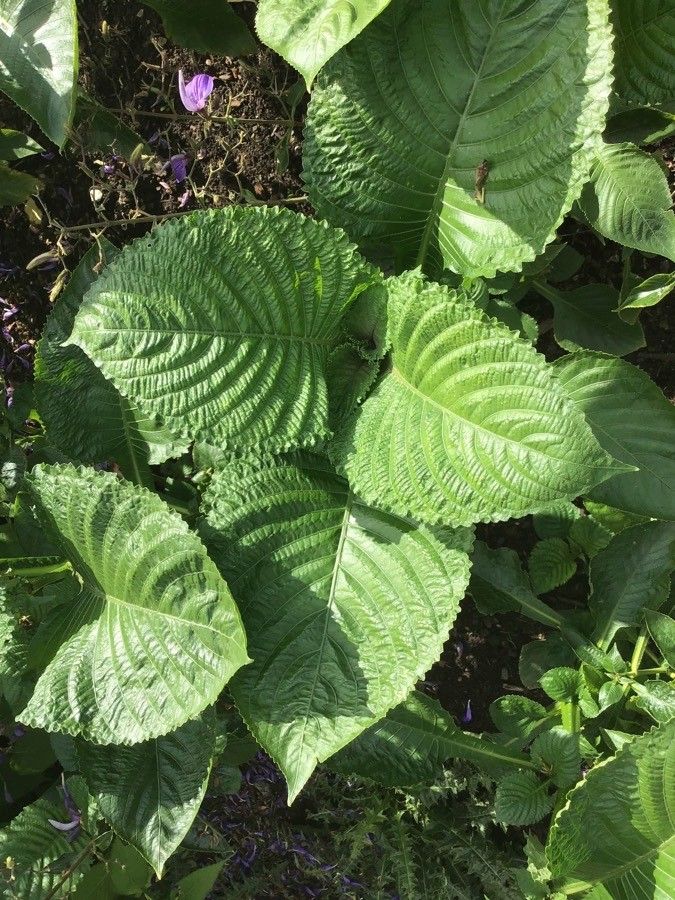
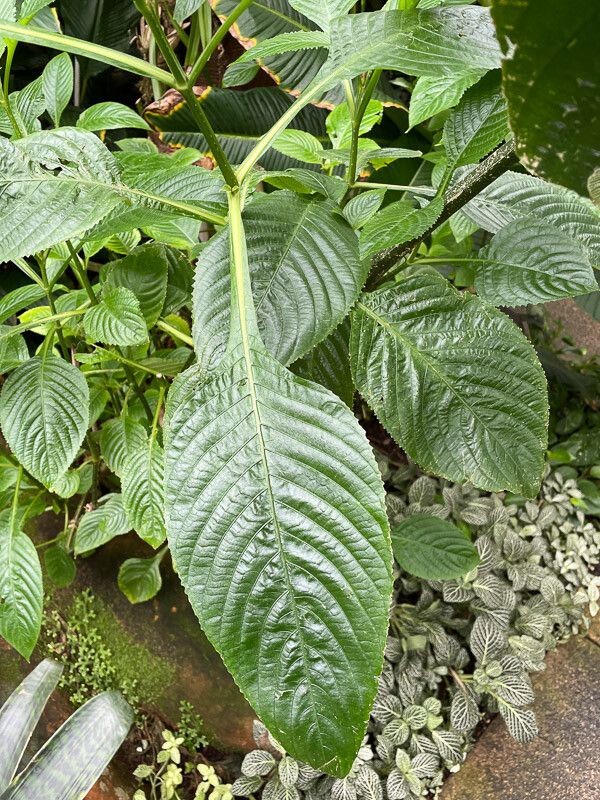
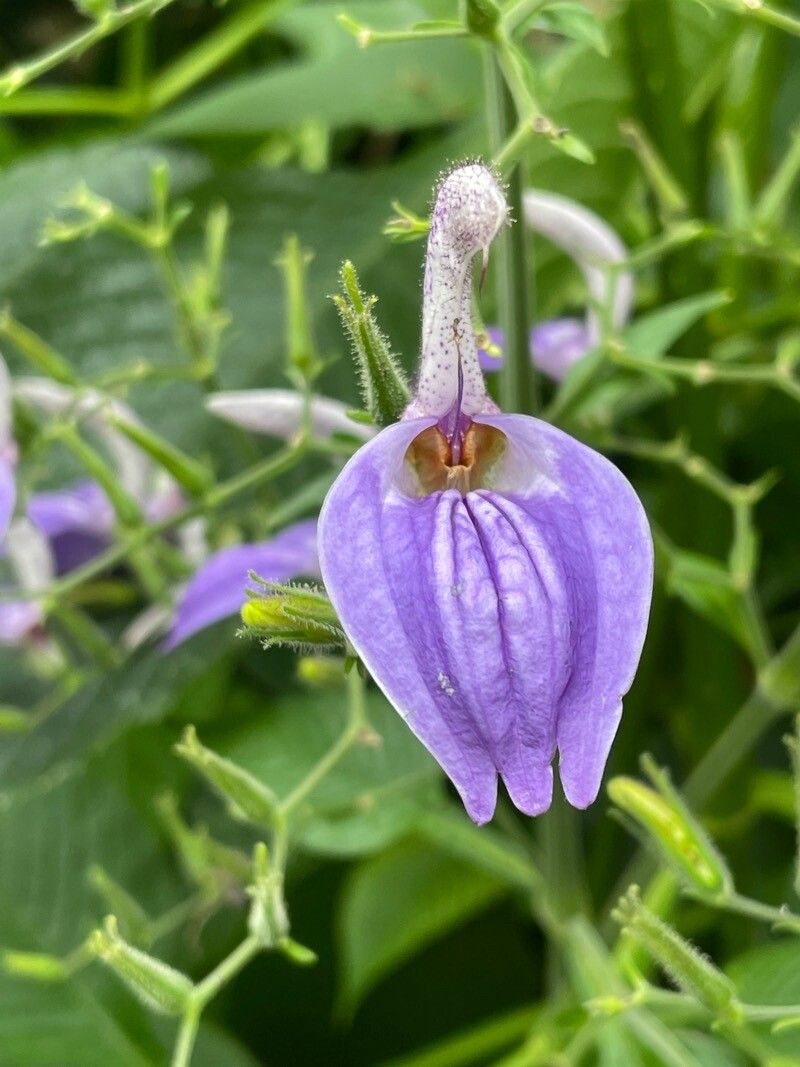
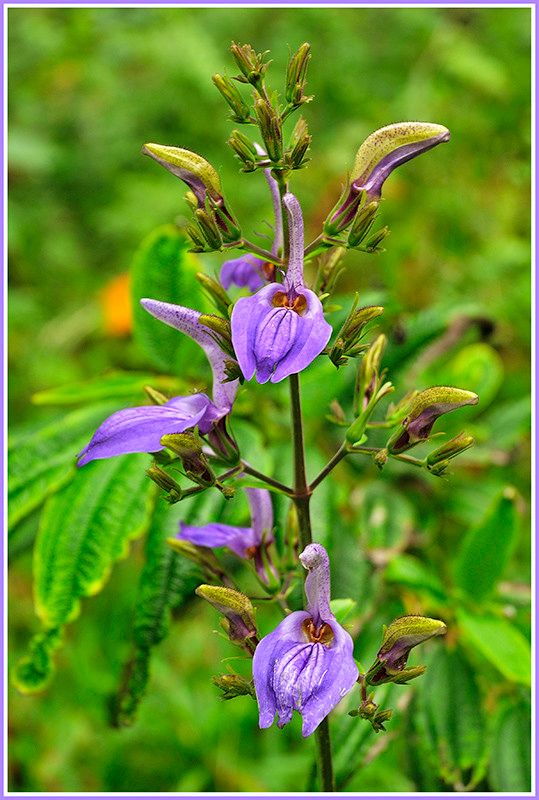
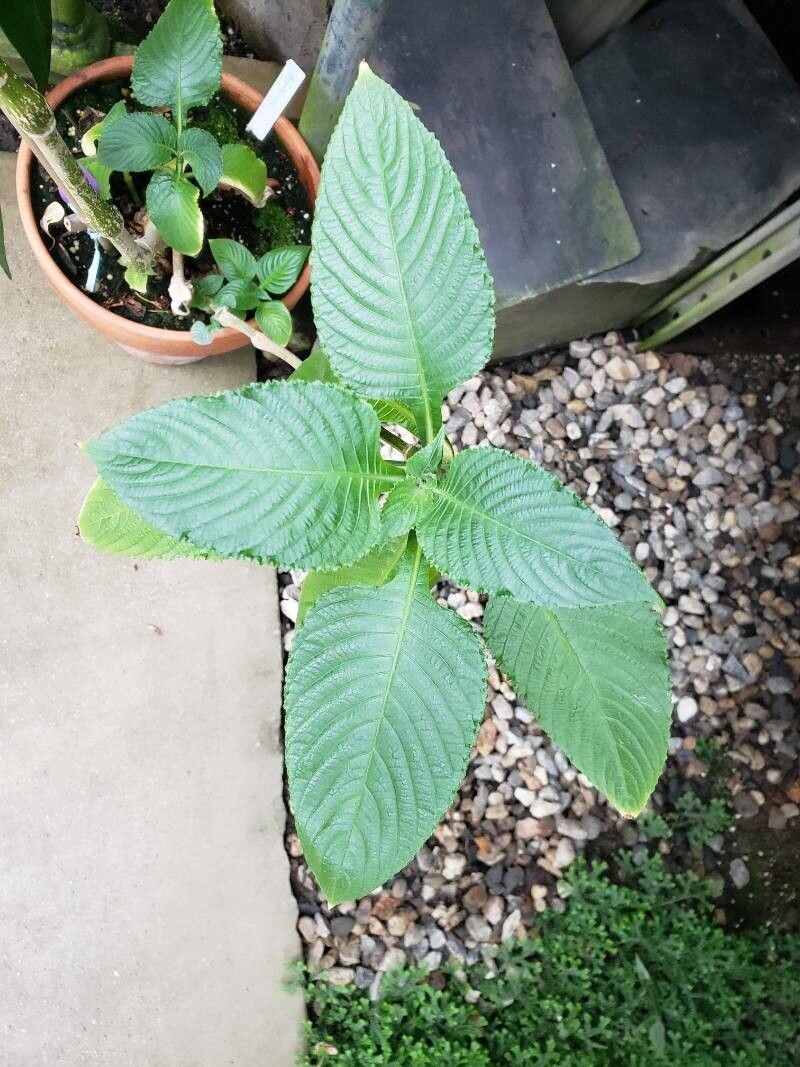
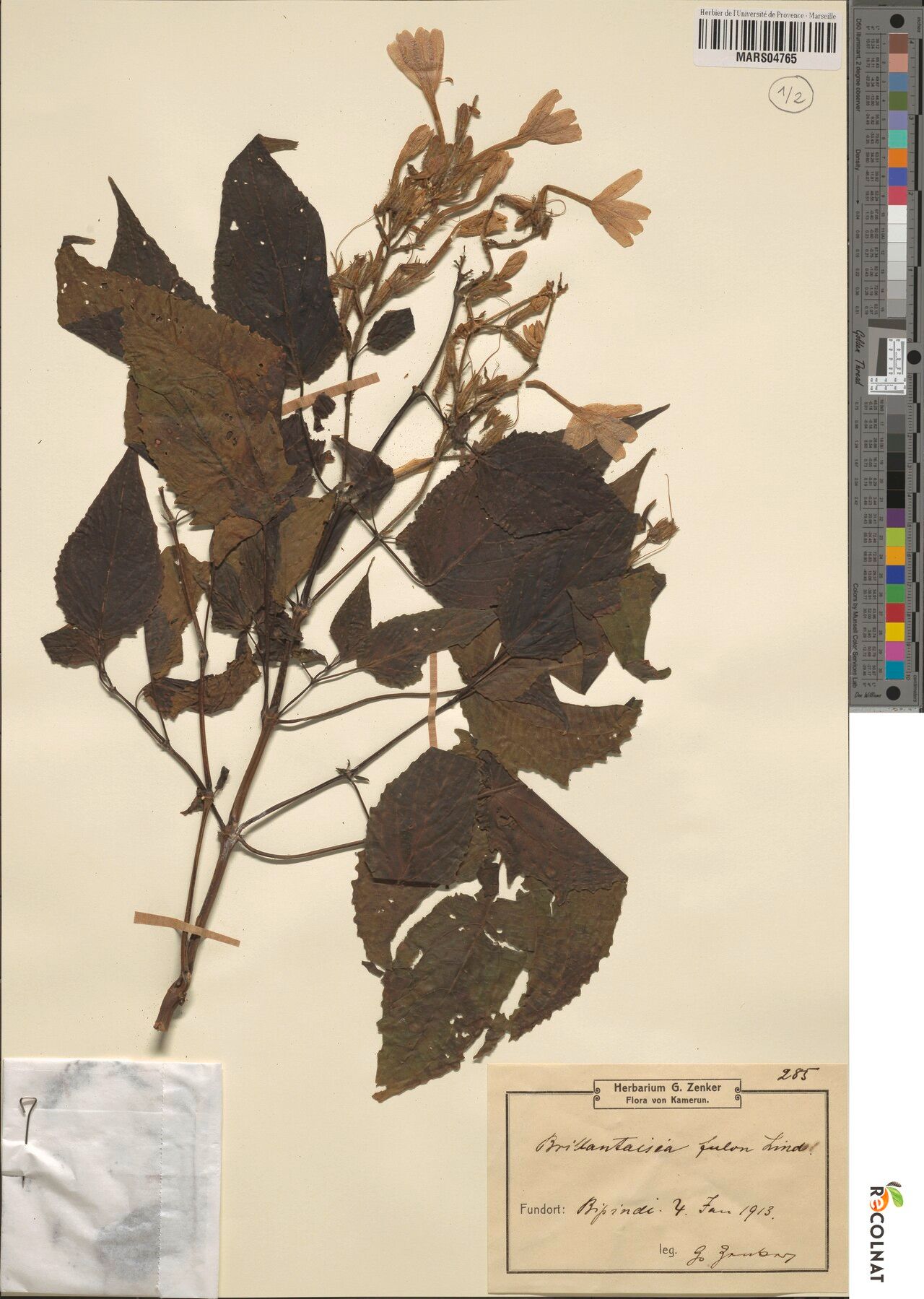
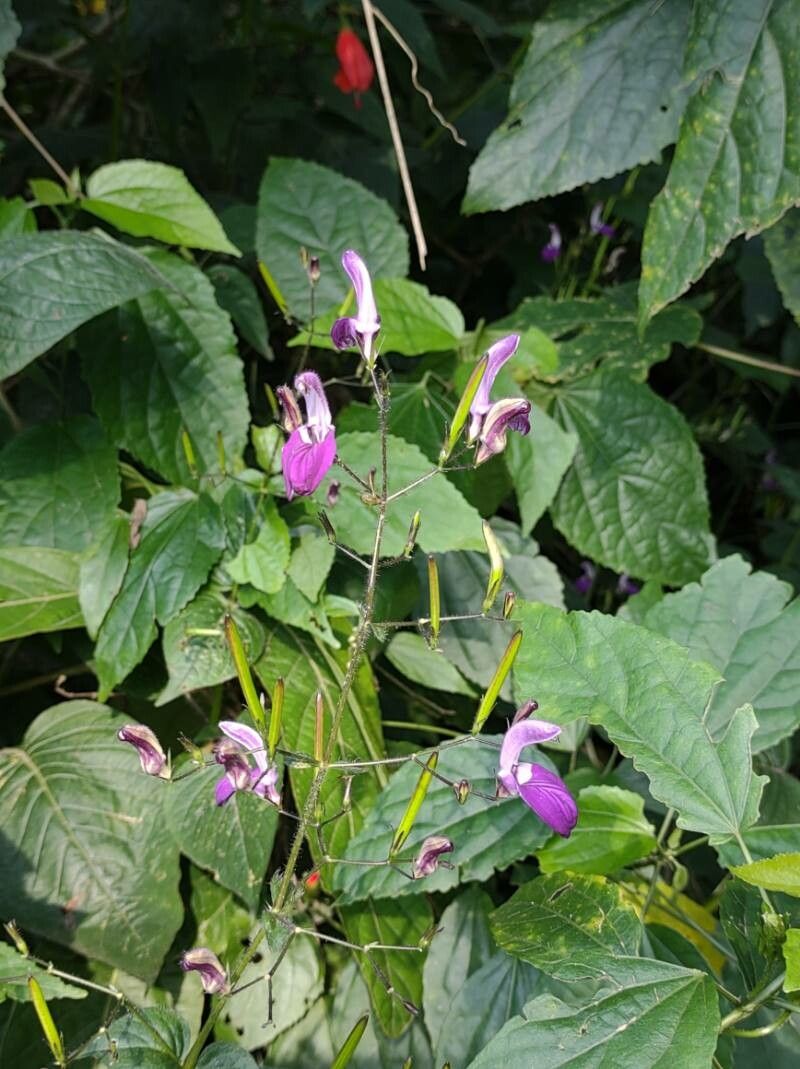
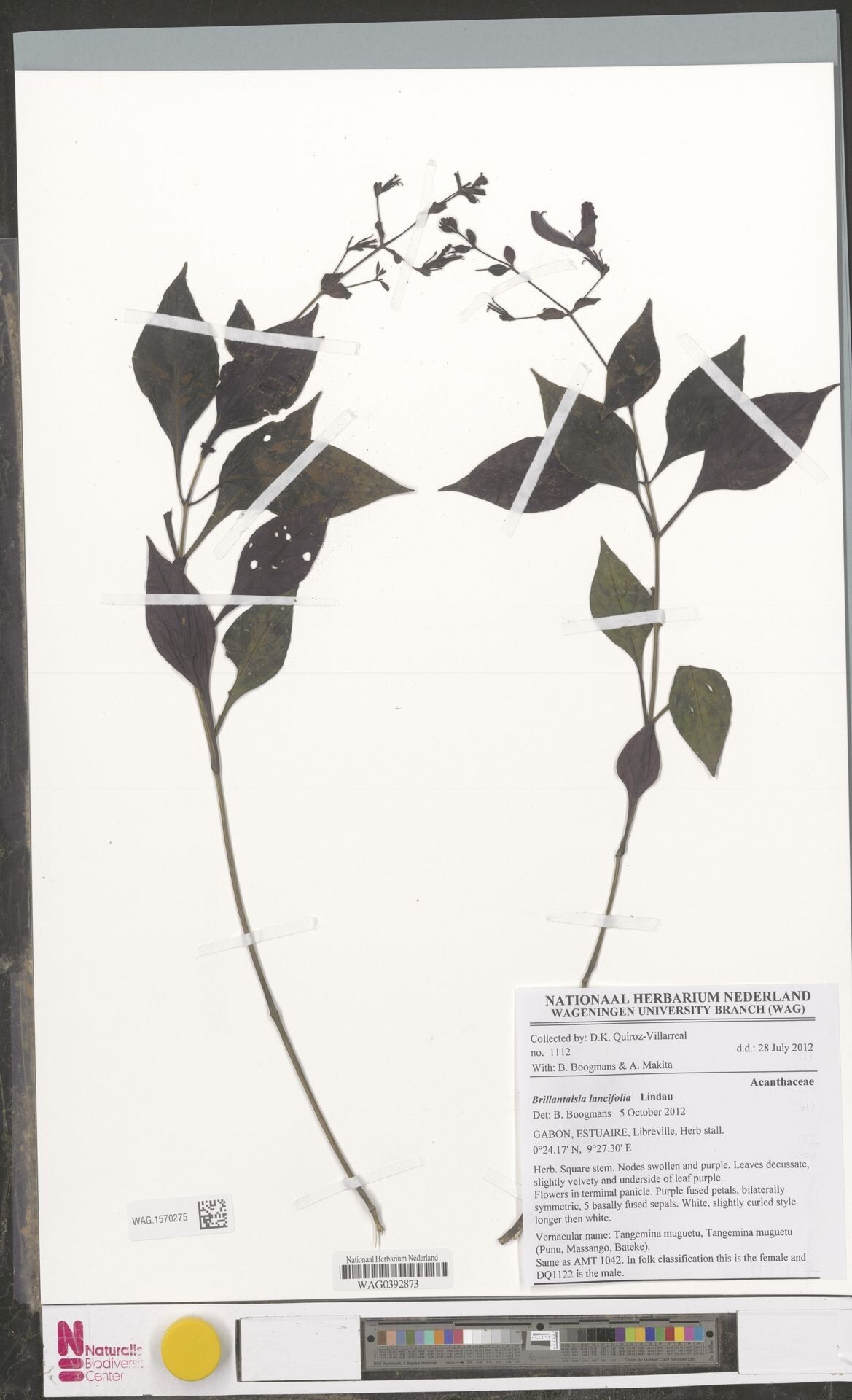
Giant blue african salvia generally shows good resistance to disease and is not particularly prone to illnesses. Still, it can be affected by pests and diseases present in its environment. These infections are typically mild. For care, this plant is moderately demanding. It should be pruned regularly to preserve an attractive appearance and encourage healthy growth. Applying fertilizer can also support better flowering. Giant blue african salvia is well suited for anyone with outdoor areas like a garden or patio and does not need extensive plant-care experience. It may demand more attention if grown indoors.
How to keep Brillantaisia Owariensis.
Light
Giant blue african salvia generally grows best in places that get a moderate amount of light. Too much light can damage the plant, while too little will restrict its growth. It is native to areas where light is tempered, possibly by tree canopies. Across its developmental stages, a consistent medium level of light is adequate.
Water
Giant blue African salvia thrives in humid environments, needing a constant supply of moisture and high humidity for optimal growth. Watering once a week is sufficient, as long as you avoid soaking the soil too much. Commonly cultivated outdoors, this plant benefits from natural rainfall, which aids in its flowering cycle.
Temperature
Giant blue african salvia grows best in temperatures of 68 to 100°F (20 to 38°C), reflecting the conditions of its native habitat. As the seasons change, it effectively adapts within this temperature range and benefits from a sheltered site during the colder months.
Fertilizer
Proper fertilization is essential for the health and appearance of Giant blue african salvia. Apply fertilizer to Giant blue african salvia during summer and repeat the treatment monthly throughout the season. Nutrients fuel growth and support the plant's parts. Fertilization improves Giant blue african salvia's flower display, helping it produce its best blooms.
Pruning
The giant blue African salvia is known for its vibrant blue flowers and requires regular pruning from late winter to early spring. To encourage bushier growth, cut the stems back by one-third. Additionally, remove any dead branches to maintain the plant's health. Regular pruning not only promotes more blooms but also keeps the plant at a manageable size. Always use clean, sharp tools to prevent the spread of diseases.
Botanical profile.
- Plant Type
- Herb, Shrub
- Life Cycle
- Perennial
- Genus
- Brillantaisia
- Family
- Acanthaceae
- Hardiness Zone
- 9-11
- Mature Height
- 1.83 m to 3.96 m
- Mature Spread
- 61 cm to 91 cm
- Leaf Color
- Forest Green, Dark Green
- Leaf Type
- Evergreen
- Flower Color
- Blue, Purple
- Flower Size
- 5.08 cm
- Bloom Time
- Late spring, Summer, Early fall, Mid fall
- Planting Time
- Spring
- Harvest Time
- Mid summer, Late summer, Fall, Early winter
- Native Area
- Angola, Sudan, Rwanda, Nigeria, Congo, Guinea, Gabon, Kenya, Uganda, Tanzania, Benin, Sierra Leone, Cameroon, Liberia, Burundi, Togo, Ghana, Côte d'Ivoire, Ethiopia, Congo (DRC), Central African Republic
Other names.
Reader questions.
How should I water my Giant blue african salvia plant?
To keep the Giant blue African salvia healthy, it is important to water it properly. Instead of using tap water, which may have harmful particles, it is recommended to use filtered water. Additionally, the water should be at room temperature or slightly warmer since the plant is used to warm environments and cold water can be shocking. Avoid overhead watering as it can cause foliage issues. Instead, pour the filtered room temperature water directly onto the soil until it is fully soaked. This helps the roots to spread through the soil and collect the necessary nutrients.
Why should I put fertilizer on my Giant blue African salvia?
Fertilizer and soil nutrients are like fuel for your Giant blue African salvia. They help the plant grow and stay healthy. Plants use nutrients from the soil to make new plant material and keep existing parts in good condition. For the Giant blue African salvia, fertilization is especially important for beautiful flowers. Since the flowers are what make this plant attractive, gardeners usually want to give them the best chance to look their best. Fertilization is one of the most effective ways to help your Giant blue African salvia produce stunning blooms.
What are the sunlight requirements for Giant Blue African Salvia?
Giant Blue African Salvia requires partial sun, about 3-6 hours of sunlight per day. It's important to monitor the movement of sunlight through your garden to select spots that offer a balance of light and shade, ensuring the plant's well-being. This plant thrives under moderate light conditions, similar to its native habitat which is often dappled with shade from tree canopies.
What is the ideal temperature range for growing Giant Blue African Salvia?
Giant Blue African Salvia thrives best within a temperature range of 68 to 100°F (20 to 38°C), which reflects its native environment. It is very adaptable to changes within these temperatures throughout the seasons. However, during the colder months, it benefits from being placed in a sheltered site to protect it from low temperatures. It's a heat-loving plant and can be affected negatively by cold weather. When autumn arrives, it's advisable to move any outdoor-planted Giant Blue African Salvia indoors, placing it near a bright window but away from direct heat sources. Keeping the temperature above 20°C during winter is crucial for its growth, as temperatures nearing 0°C can be harmful to the plant.
What should I do if I give too much or too little water to my Giant blue African salvia?
Giant blue African salvia can be negatively affected by both overwatering and underwatering, but overwatering is a more common issue. When this plant gets too much water, its stems and leaves may wilt and change from green to yellow. Overwatering for a long time can also lead to diseases like root rot, mold, and mildew, which can be fatal to the plant. Underwatering is less common since the plant is relatively drought-tolerant, but it can still happen. When underwatering occurs, the leaves of the plant become brittle and brown. It's important to recognize the signs of overwatering early on to prevent irreparable damage. If you notice these signs, reduce your watering schedule immediately and check the soil quality. If the soil drains poorly, replace it with loose, well-draining potting mix. If you notice signs of underwatering, simply water more frequently until the signs subside.
When should I fertilize my Giant blue african salvia plant?
The Giant blue african salvia goes through two main phases each year. The first phase is the dormant phase, which occurs in winter and involves minimal new growth. The second phase is the active growth phase, which happens in spring and fall and is when fertilization is most important. To properly fertilize your Giant blue african salvia, it is recommended to start in the spring and repeat feeding once a month until most of the summer. As fall approaches, you can gradually reduce the rate of fertilization.
Can artificial lighting be used for Giant Blue African Salvia and how?
Yes, artificial lighting can be vital for Giant Blue African Salvia, especially when natural sunlight is insufficient. For optimal growth, it's advisable to use LED lights as they can provide specific wavelengths needed by plants. The requirements vary by plant type: full sun plants need 30-50W/sq ft, partial sun plants 20-30W/sq ft, and full shade plants 10-20W/sq ft. Position the lights 12-36 inches above the plant to simulate natural sunlight and keep them on for 8-12 hours daily to mimic natural daylight hours. This setup promotes healthier and faster growth.
How should you care for Giant Blue African Salvia in cold temperatures?
Giant Blue African Salvia is not tolerant of low temperatures and thrives best when the temperature is kept above 20°C. During winter, it is essential to maintain temperatures above 0°C to prevent damage. Exposure to temperatures below -5°C may cause the leaves to lighten in color, and following frost damage, the plant's leaves can turn brown or black, exhibiting signs of wilting and drooping. To manage frost damage, trim off the affected parts and move the plant into a warm, indoor environment immediately for cold protection. Positioning the plant near a south-facing window can ensure it receives sufficient sunlight, but it should be kept away from heaters or air conditioning vents to avoid dry air.
How often should I water my Giant blue African salvia plant?
If your Giant blue african salvia is in a pot, the easiest way to determine if it needs water is by sticking your finger into the soil. If the top two to three inches of soil feels dry, then it's time to water. If you have the plant outdoors in the ground, you can use the same method to test the soil. When the top few inches of soil have dried out, it's time to water. In the spring and early fall, you'll generally need to water this plant about once a week. However, during very hot weather, you may need to water it twice or more per week. It's worth noting that mature, well-established Giant blue african salvias can tolerate drought well.
When shouldn't I add fertilizer to my Giant blue african salvia?
If you want to promote the growth of Giant blue African salvia, it's important to be cautious about root burn. During the spring and summer, when the plant is actively growing, it requires additional nutrients. However, in the fall and winter, when the plant goes into dormancy, it is best to refrain from fertilizing.
What are the signs of inadequate lighting for Giant Blue African Salvia?
Signs of inadequate lighting in Giant Blue African Salvia include smaller new leaves, leggy or sparse growth, faster leaf drop, slower or no new growth, and lighter-colored new leaves. These symptoms indicate the plant is not receiving the optimal light levels for its health and growth. Adjusting the plant's light exposure is crucial to preventing these issues.
What steps should be taken if Giant Blue African Salvia is exposed to high temperatures?
During the summer, it's crucial to ensure that the temperature around Giant Blue African Salvia does not exceed 38°C. If temperatures rise above 43°C, the plant's leaves may lighten, indicating an increased risk of sunburn. In such cases, trim away any sunburned or dried parts to prevent further damage. To protect the plant from excessive heat, move it to a shaded location, especially during the midday and afternoon sun. Moreover, watering the plant during the morning and evening can help keep the soil sufficiently moist, which is beneficial for its health under high temperature conditions.