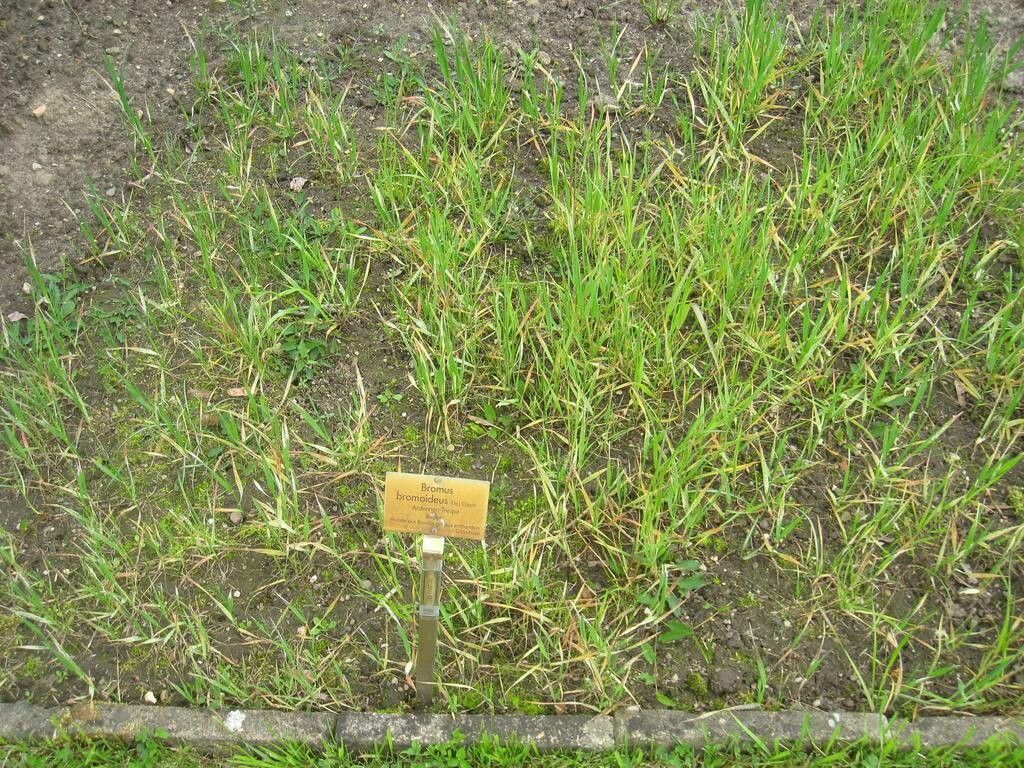
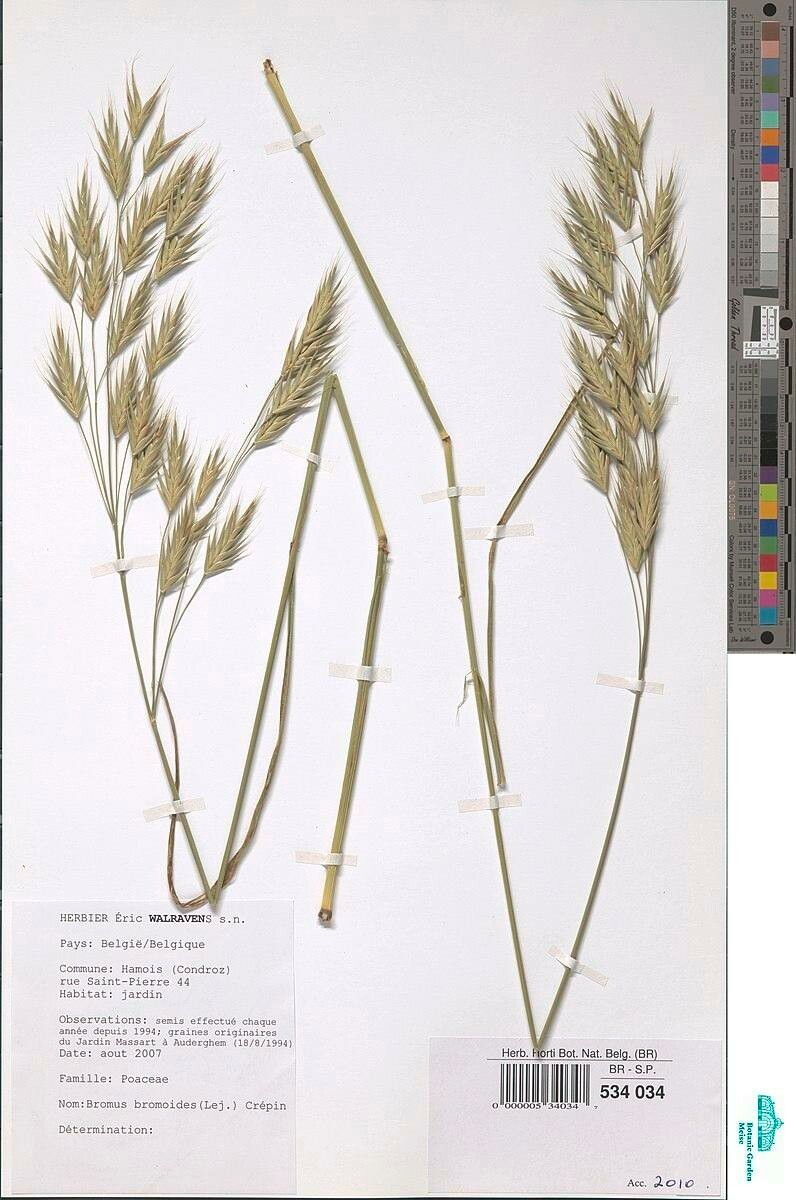
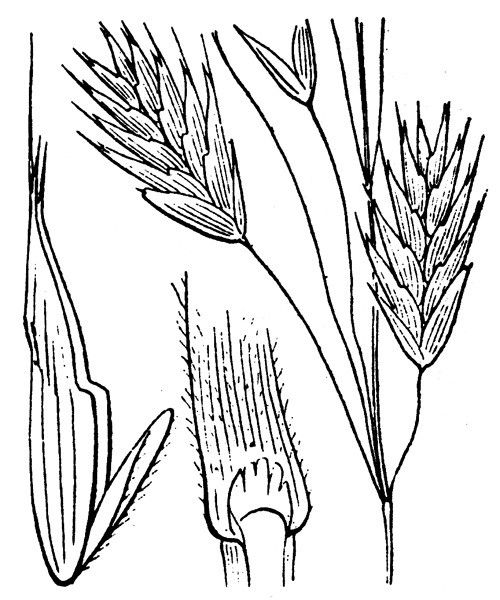
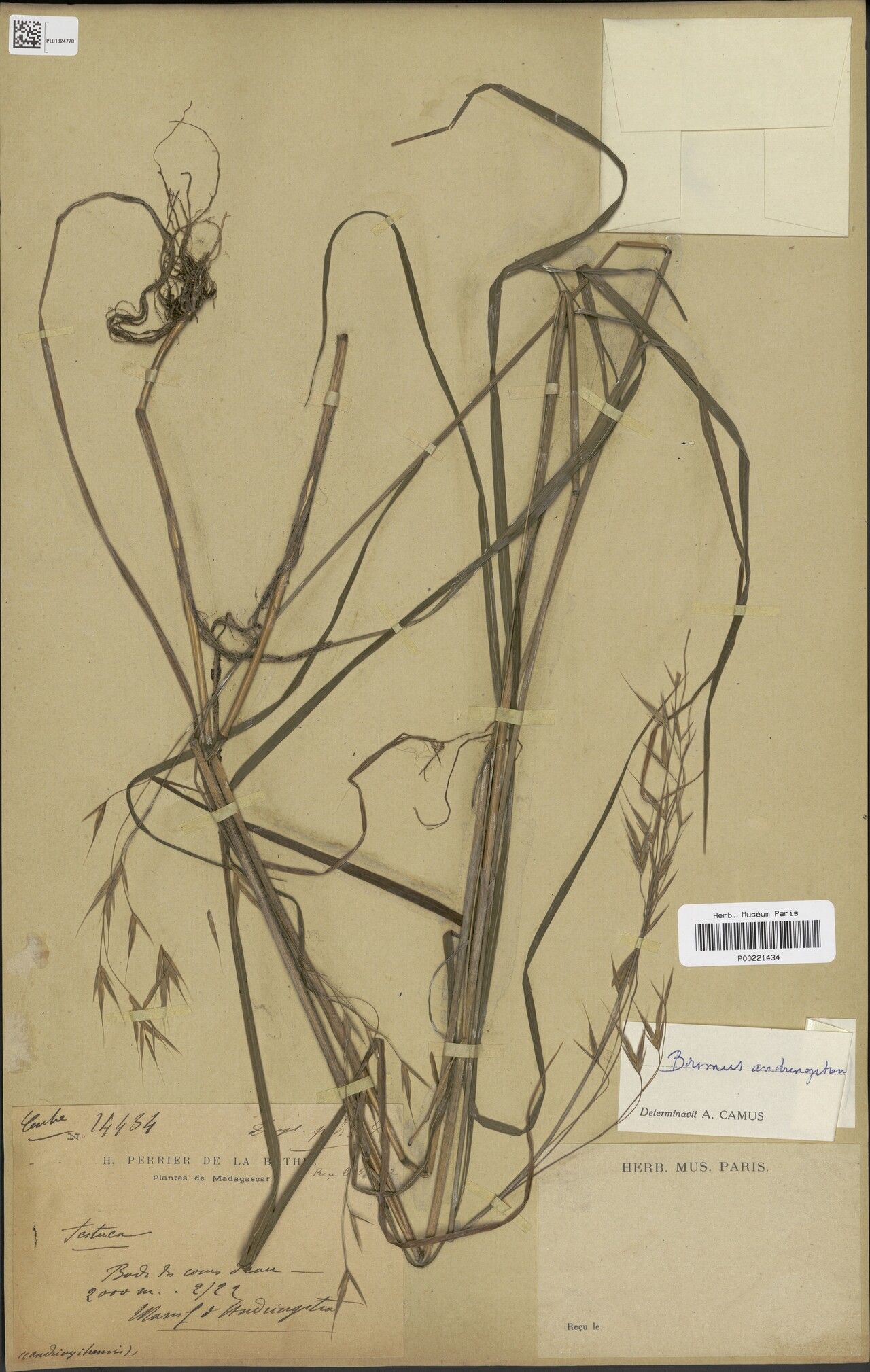
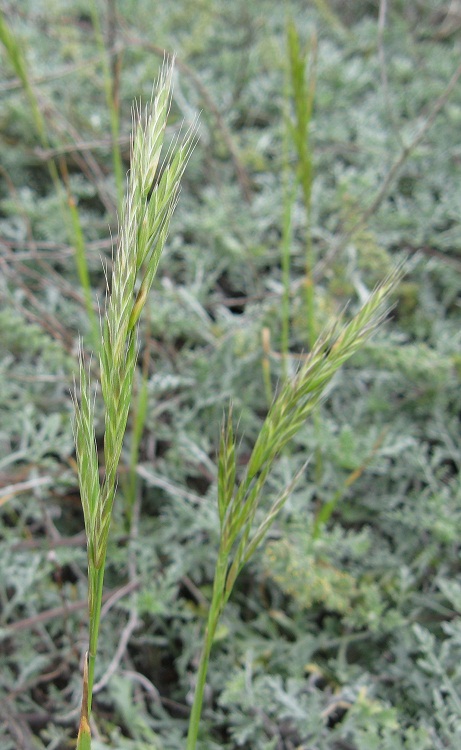
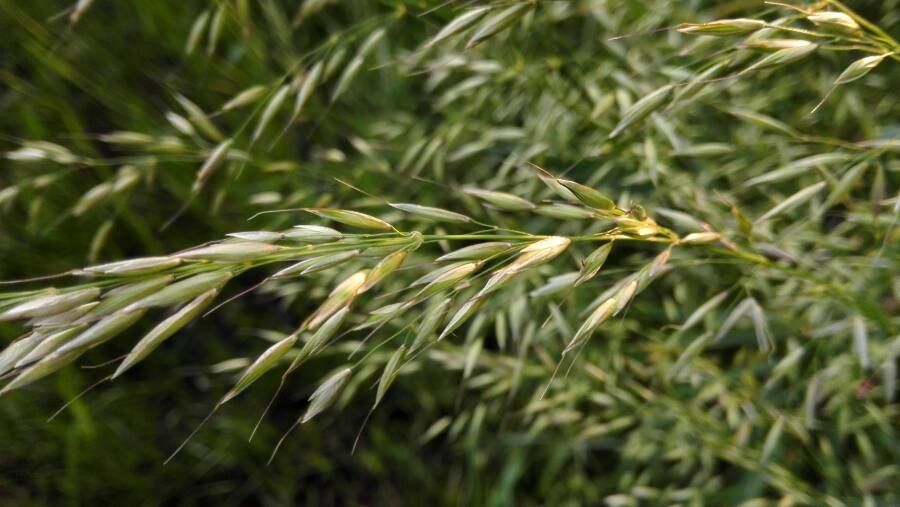
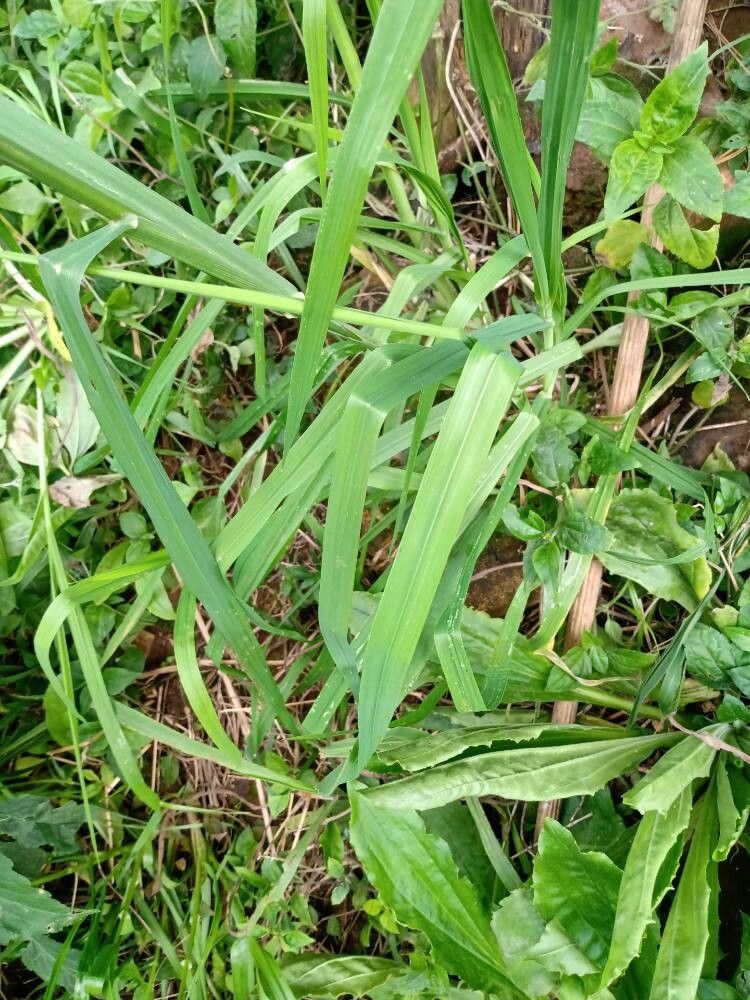
Bromus bromoideus, the brome of the Ardennes, is a species of grass in the genus Bromus. Genetic studies suggest that it rather should be regarded as a variant of Bromus secalinus.It was found in the calcareous meadows of the provinces of Liège and Luxembourg in Belgium, notably around the towns of Rochefort, Beauraing and Comblain-au-Pont, where it was first discovered in 1821. It was thought to be extinct since the 1930s until preserved seeds were rediscovered in collections of the Belgian National Botanic Garden by English botanist David Aplin and as a result of the publicity, seeds in other locations came to light in 2005.In 2009 the National Botanic Garden of Belgium announced that some hundred thousand seeds have been germinated.
Brome of the ardennes possesses strong resistance to disease and is usually not susceptible to illnesses. Regarding care, this plant is fairly low-maintenance. When grown outdoors, it needs only minimal watering, and larger plants typically do not require pruning. Smaller plants, however, should be pruned after they have finished blooming. Brome of the ardennest is appropriate for anyone with an outdoor area, such as a garden or deck, and does not require much prior care experience.
How to keep Bromus Bromoideus.
Temperature
Brome of the ardennes can tolerate a wide range of temperature conditions, yet its distribution may still be restricted by various combinations of moisture and heat. It grows best in warm summer climates with sufficient rainfall or watering. Extended periods of cloudy, rainy weather, as well as prolonged high temperatures, can increase the chance of Brome of the ardennes dying. In winter, adequate protection from cold can enhance the plant's survival.
Botanical profile.
Other names.