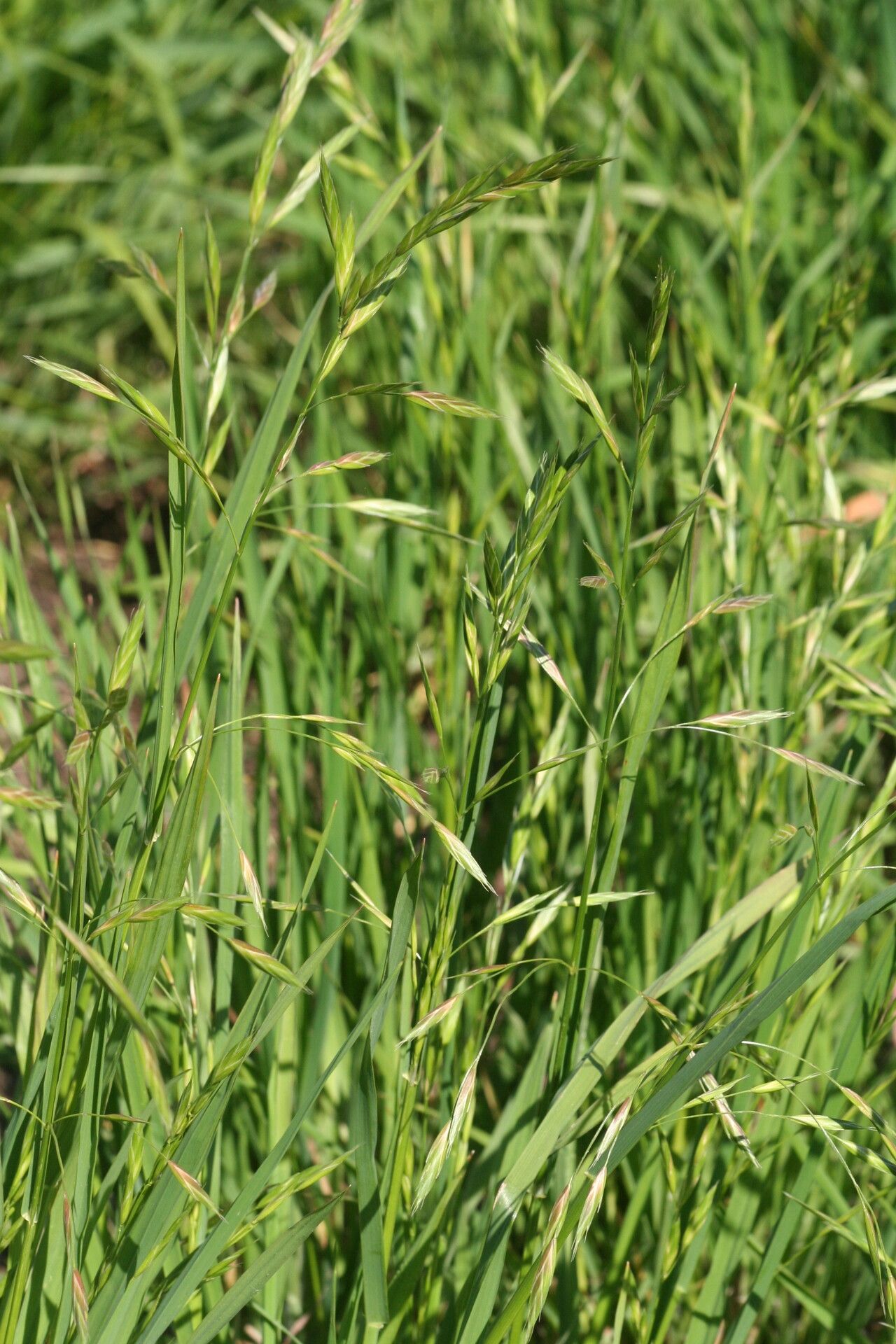
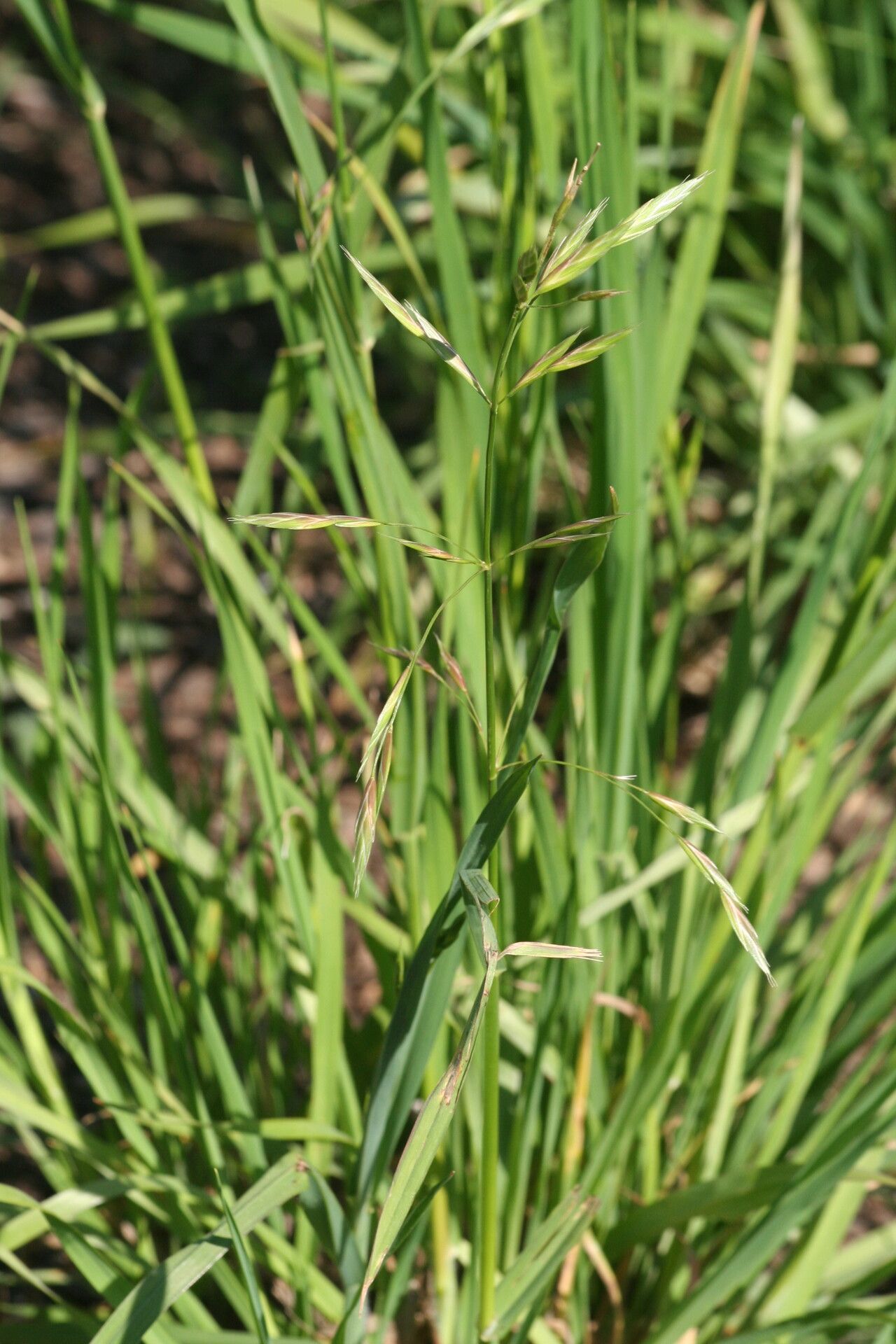
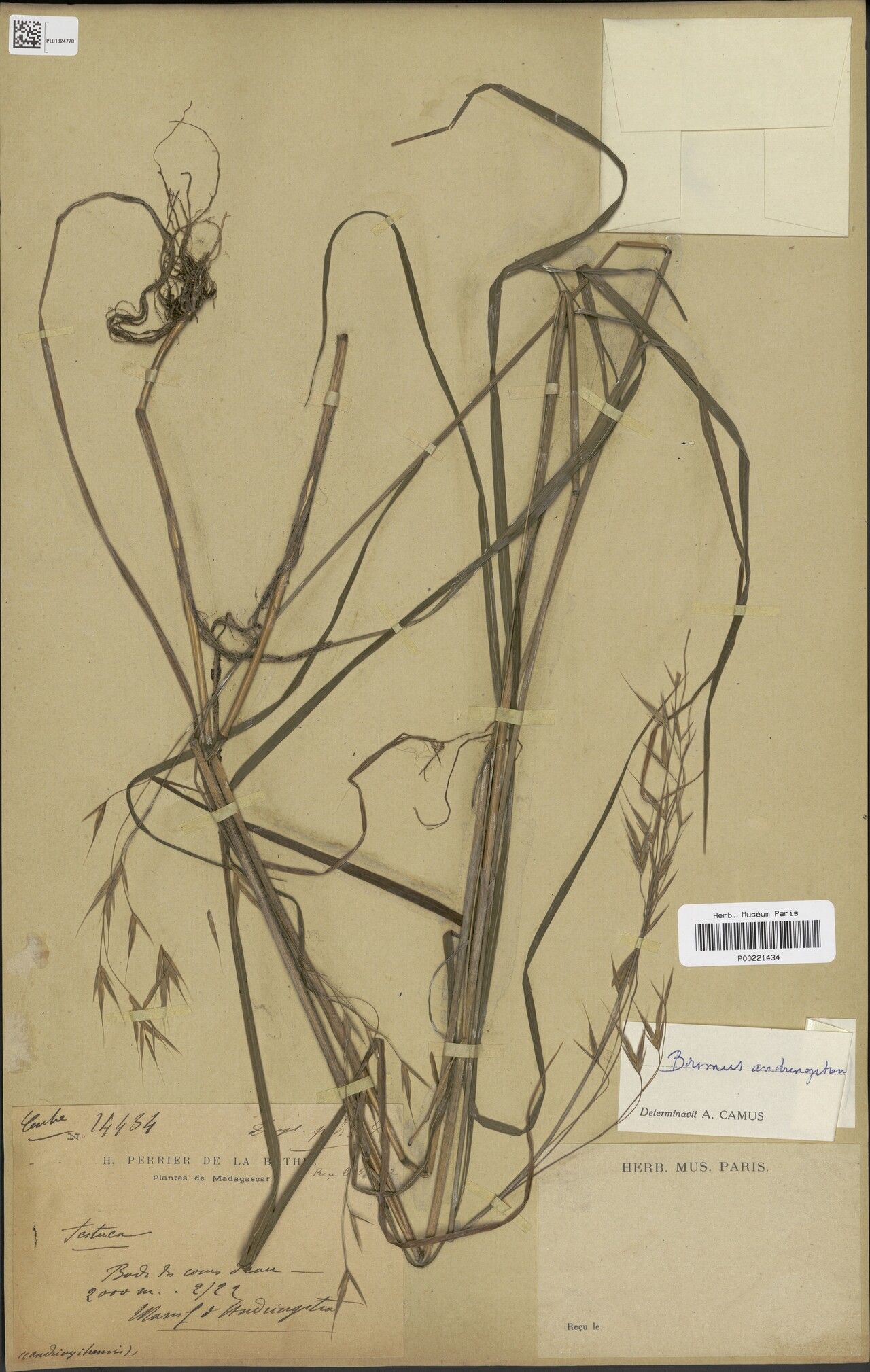
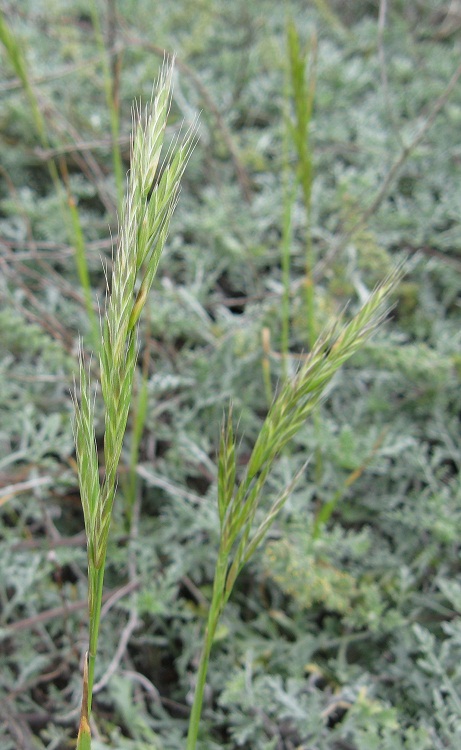
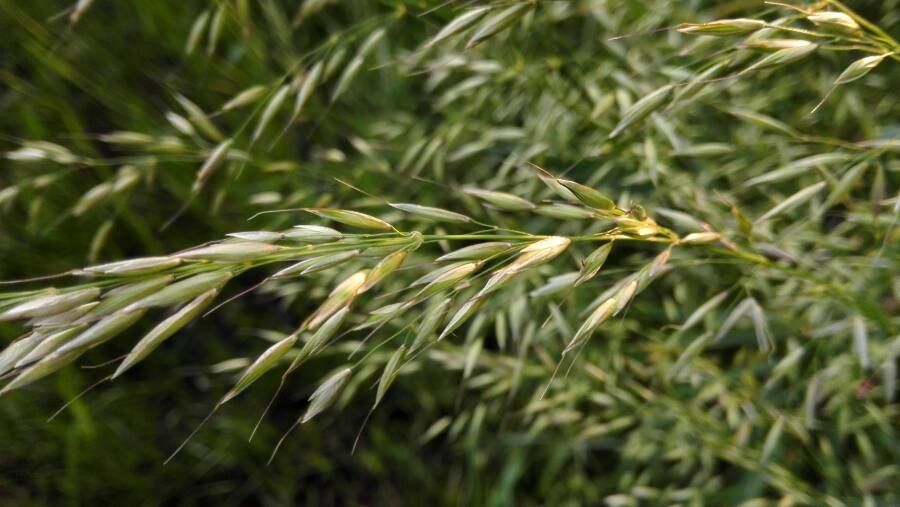
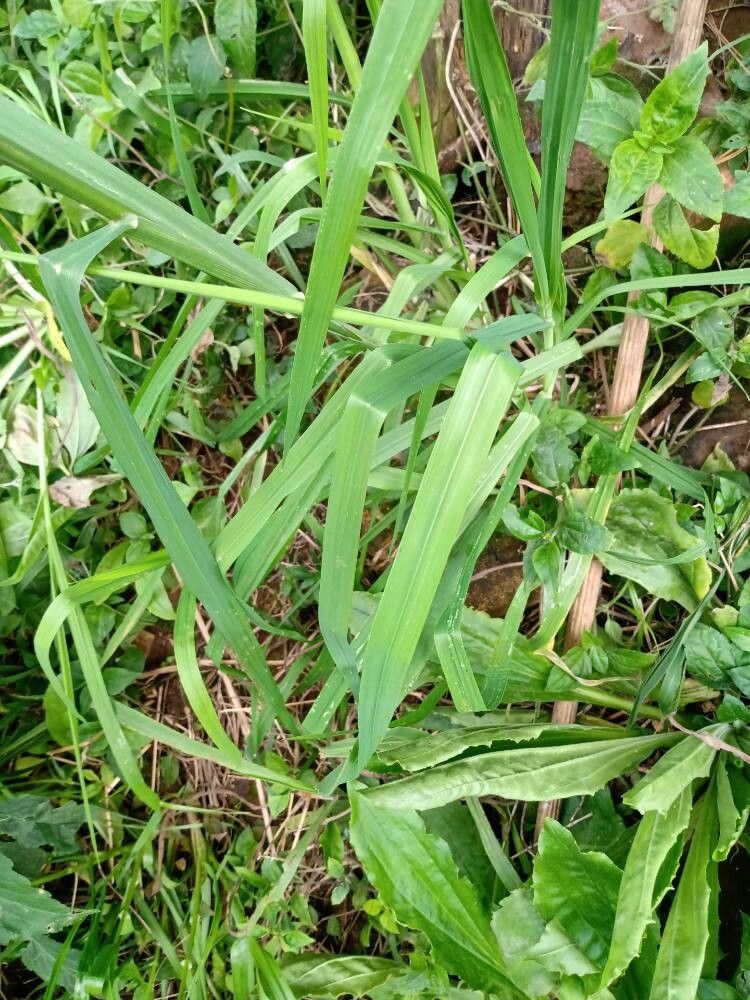
Bromus carinatus is a species of brome grass known by the common names California brome and mountain brome.
California brome exhibits good resistance to disease and is generally not prone to illnesses. Regarding care, this plant is relatively low maintenance. When grown outdoors it needs minimal watering, and larger plants typically do not need pruning. Smaller plants, however, should be pruned after they have bloomed. California bromet is suitable for anyone with outdoor space, such as a garden or deck, and does not require a lot of care experience.
How to keep Bromus Carinatus.
Light
California brome does well with continuous exposure to sunlight, although it can tolerate moderate shade. In both its native range and in planted landscapes, it performs best with abundant sunlight. When subjected to too much shade, the plant's vigor can decline, showing a clear preference for sunny sites.
Water
California brome thrives in temperate regions with regular hydration cycles. It prefers consistent moisture and is moderately drought-tolerant, requiring watering once a week. As a grassland plant, California brome benefits from seasonal rainfall that matches its growth and dormancy periods.
Temperature
California brome originates from regions with temperate climates, where temperatures commonly fall between 68 to 95 °F (20 to 35 ℃). During summer, providing shade may be necessary to reduce excessive heat. In winter, protection from frost might be needed.
Fertilizer
California brome needs extra nutrients to encourage healthy new growth. In spring, applying some compost around the base of the plant can supply the nutrition it requires. Fertilizing helps support vigorous growth and improves the plant’s resistance to diseases and pests.
Pruning
Pruning California brome in early spring helps remove old and damaged stems, encouraging vigorous new growth. This practice improves air circulation and sunlight exposure, promoting overall plant health. It also helps control the plant's size and shape, resulting in a more attractive appearance.
Botanical profile.
- Plant Type
- Grass
- Life Cycle
- Perennial, Annual, Biennial
- Genus
- Bromus
- Family
- Poaceae
- Hardiness Zone
- 4-8
- Mature Height
- 40 cm to 49 cm
- Mature Spread
- 30 cm
- Leaf Color
- Green
- Leaf Type
- Semi-evergreen
- Flower Color
- Yellow, Green, Purple, Brown
- Flower Size
- 1.52 cm to 3.05 cm
- Bloom Time
- Mid spring, Late spring, Early summer
- Planting Time
- Spring
- Harvest Time
- Summer
- Native Area
- Honduras, Mexico, Guatemala, Venezuela, Peru, El Salvador, Costa Rica
Other names.
Reader questions.
What are the sunlight requirements for California brome?
California brome thrives in conditions of unabated exposure to the sun, needing above 6 hours of sunlight for optimal growth, categorizing it as a full sun plant. It can, however, endure partial sun, defined as about 3-6 hours of sunlight. Despite its resilience, its health may decline under excessive shade, as it demonstrates a distinct preference for sunlit settings. When planning your garden, it's crucial to observe the movement of sunlight throughout the day and choose locations that provide the right balance of light and shade, ensuring the happiness and health of your California brome.
What is the native climate for California brome?
California brome, scientifically known as Bromus carinatus, thrives in temperate climates where the temperatures usually range from 68 to 95 °F (20 to 35 °C). To maintain its health and vitality, providing shade during the hotter parts of summer can help mitigate excessive heat, while in winter, though California brome possesses strong cold resistance, preparations to protect it against frost become necessary only if temperatures are expected to fall below -30°C.
How can artificial lighting support the growth of indoor California brome?
For indoor California brome plants or in settings where natural sunlight is insufficient, artificial lighting can be a vital solution to promote healthy growth. LED lights are often recommended as they can be customized to offer specific wavelengths needed by plants. Full sun plants, including California brome, require 30-50W/sq ft of artificial light, while partial sun plants need 20-30W/sq ft. The artificial light source should be placed 12-36 inches above the plant to mimic natural sun conditions, and it's necessary to provide 8-12 hours of light per day to mimic natural daylight hours effectively.
How do I protect California brome in winter?
California brome has significant cold resistance and typically does not require special frost protection measures during the winter. However, in extremely cold conditions where temperatures drop below -30°C, it's important to safeguard the plant from frost. Protection can be ensured by covering the plant with soil or straw. Additionally, watering the plant abundantly before the first freeze of autumn is recommended to keep the soil moist, which helps prevent drought and ensures the plant has access to water during winter and early spring.
What symptoms indicate California brome is receiving inadequate light, and how does excessive sunlight affect it?
Symptoms of inadequate light for California brome include smaller new leaves, leggy or sparse growth, faster leaf drop, slower or no new growth, and lighter-colored new leaves. Excessive sunlight can lead to chlorosis (leaves losing their green color), sunscald (damage from intense sunlight), leaf curling (as a defense mechanism against water loss and damage), wilting (due to increased water loss), and leaf scorching (brown, dry edges on leaves). These conditions reflect the plant's struggle with either too much or too little light, emphasizing the importance of finding a balanced exposure to sunlight.
What are the signs of California brome experiencing low temperatures and the solutions?
California brome is cold-tolerant, ideally growing in temperatures above 20°C, and it should be kept above 0°C during winter. In extreme conditions where the temperature falls below -30°C, there may be no noticeable changes during winter; however, there might be a reduction in sprouting or even lack of sprouting in spring. The solution for parts of the plant that fail to sprout in spring due to low temperatures is to remove these non-sprouting parts.
What solutions can help California brome that's not receiving enough sunlight?
For indoor California brome, gradually moving the plant to a sunnier location or using artificial light can address insufficient sunlight exposure. A south-facing window with curtains open during the day ensures maximum natural sunlight, while a desk or ceiling lamp, or professional plant grow lights should be considered for plants that are large or hard to move, keeping them on for at least 8 hours daily. For outdoor plants, a gradual movement to sunnier spots helps in adaptation without shock. If physical obstructions hinder sunlight, identifying and reducing these obstructions, such as pruning trees, or transplanting the plant to a sunnier location with good drainage, especially during its dormant period, can be effective solutions. It's important to note that affected parts may not recover, but new growth post-adjustment should be healthy.
How does high temperature affect California brome and what can be done?
In summer, it is ideal for California brome to be situated in temperatures below 35°C. Exceeding 38°C can cause the leaves to lighten in color, curl, and become prone to sunburn; in severe cases, the plant might wilt and dry out entirely. To mitigate these effects, trim away sunburned and dried parts of the plant. Relocating the plant to a shaded area or using a shade cloth to reduce exposure to midday and afternoon sun can be beneficial. Ensuring the soil remains moist by watering in the morning and evening is also crucial.