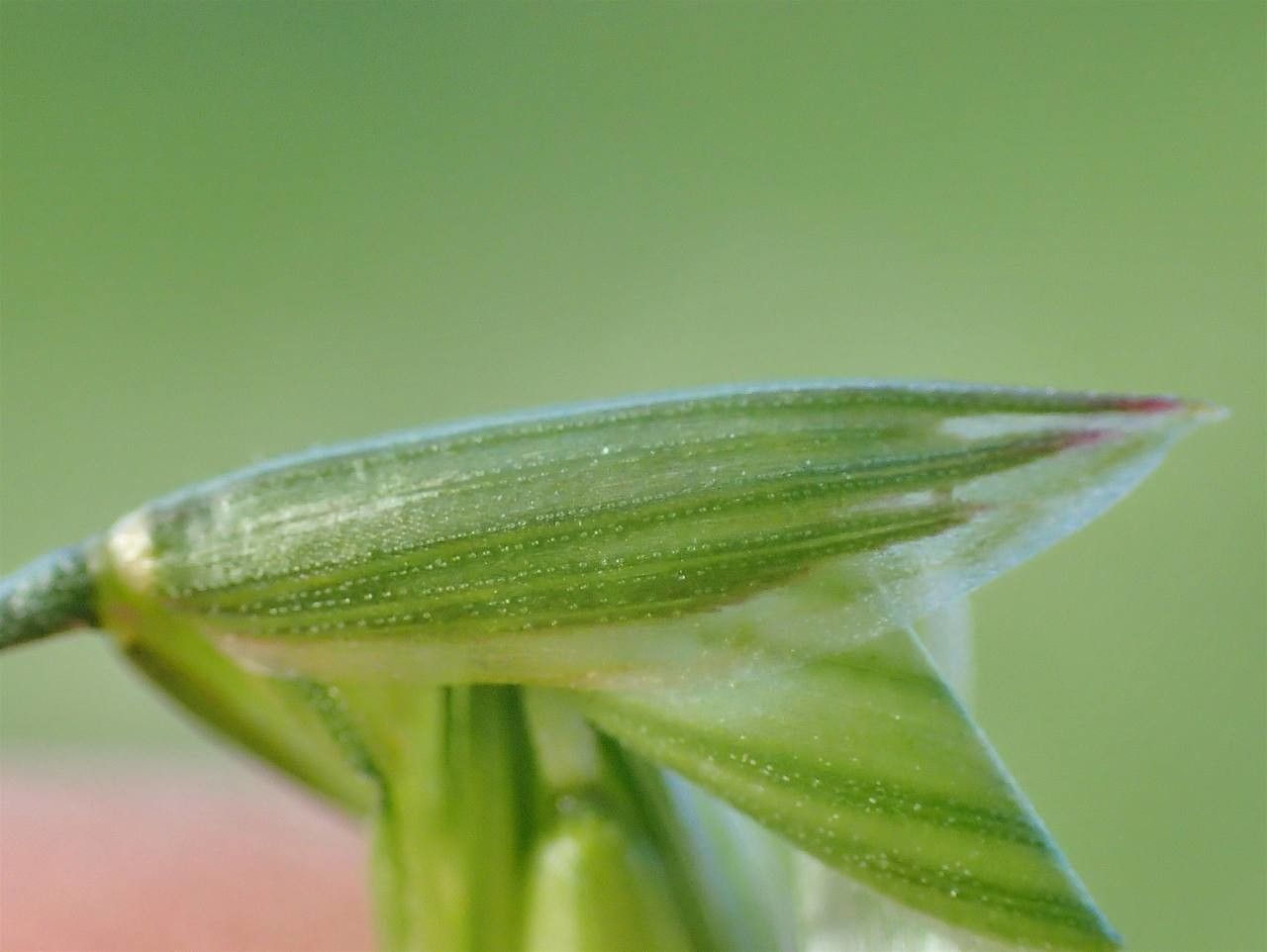
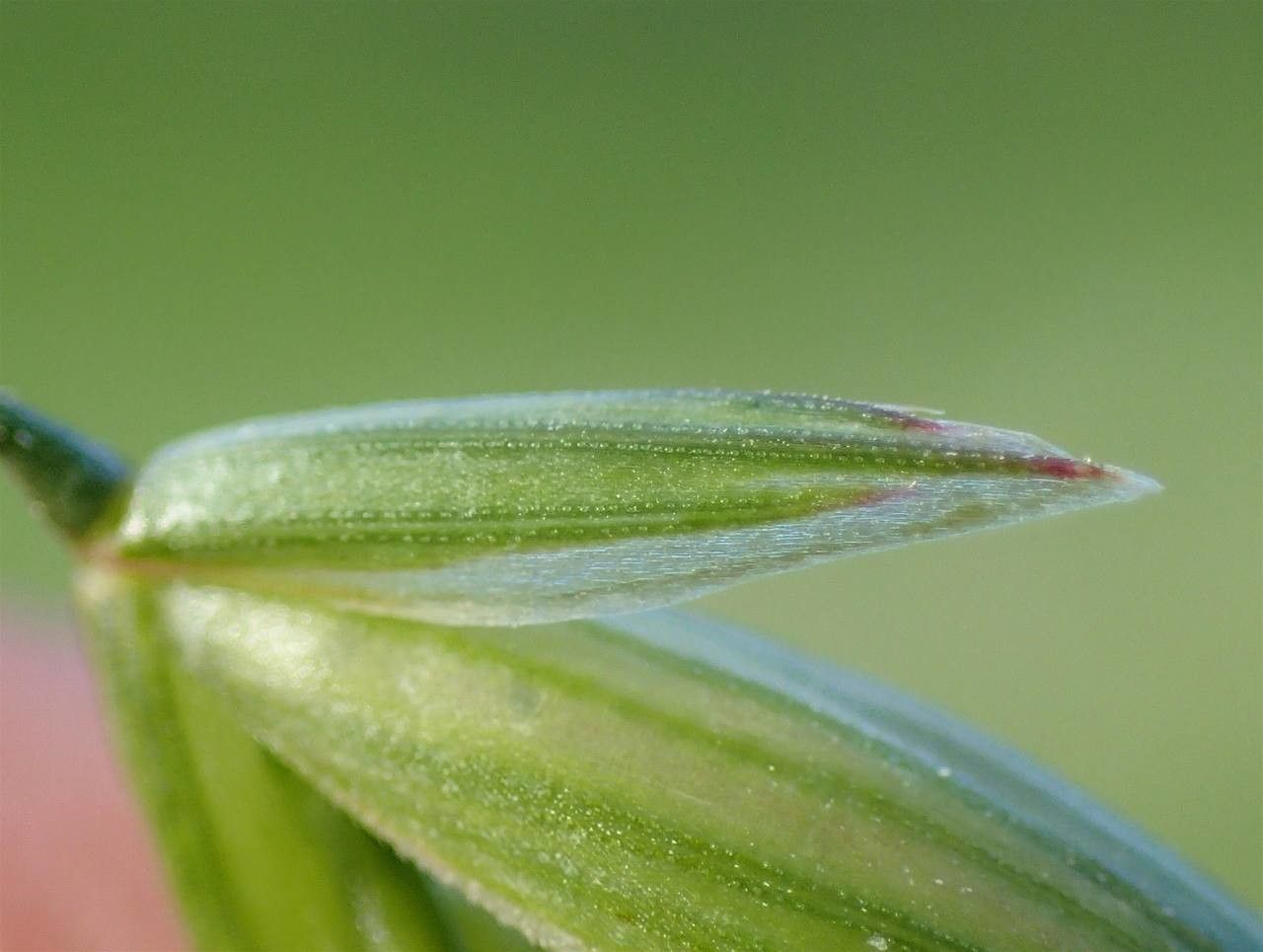
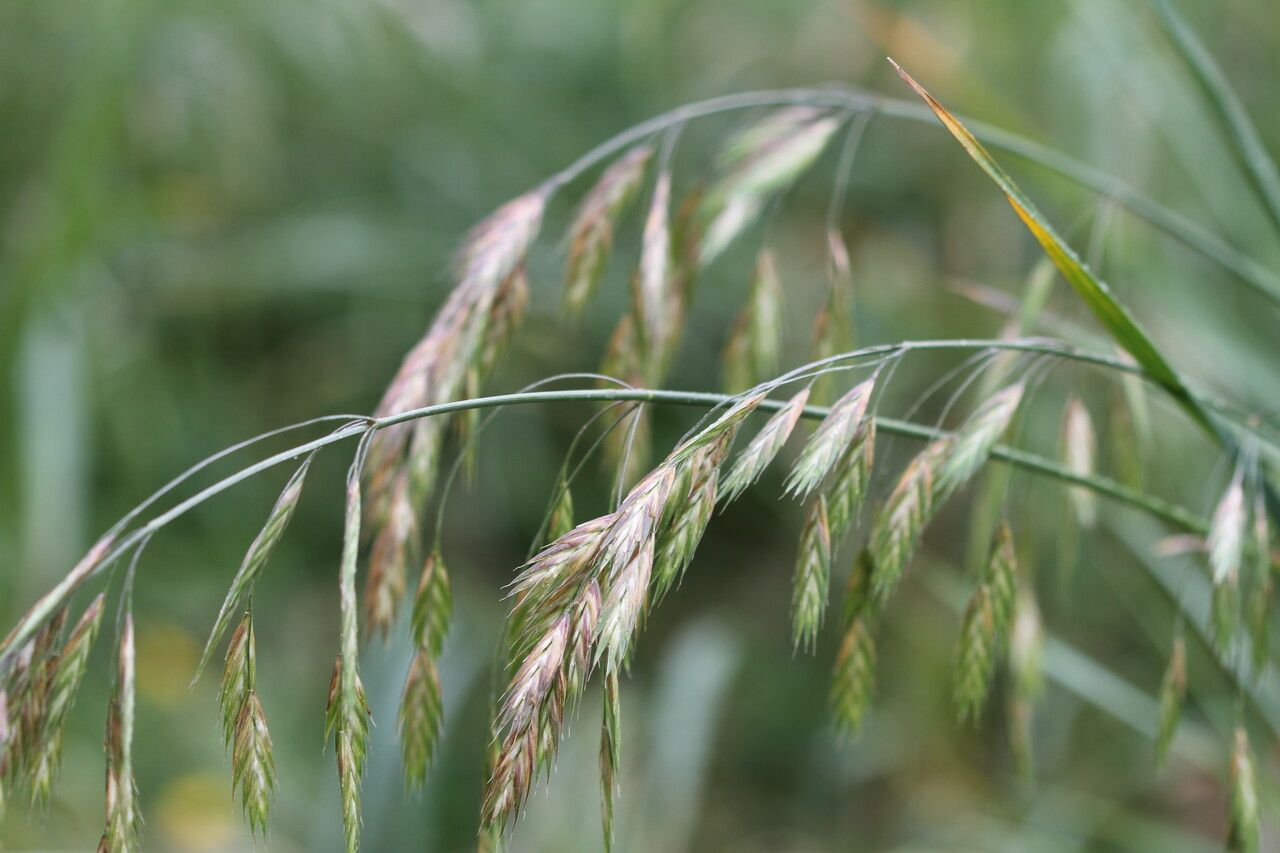
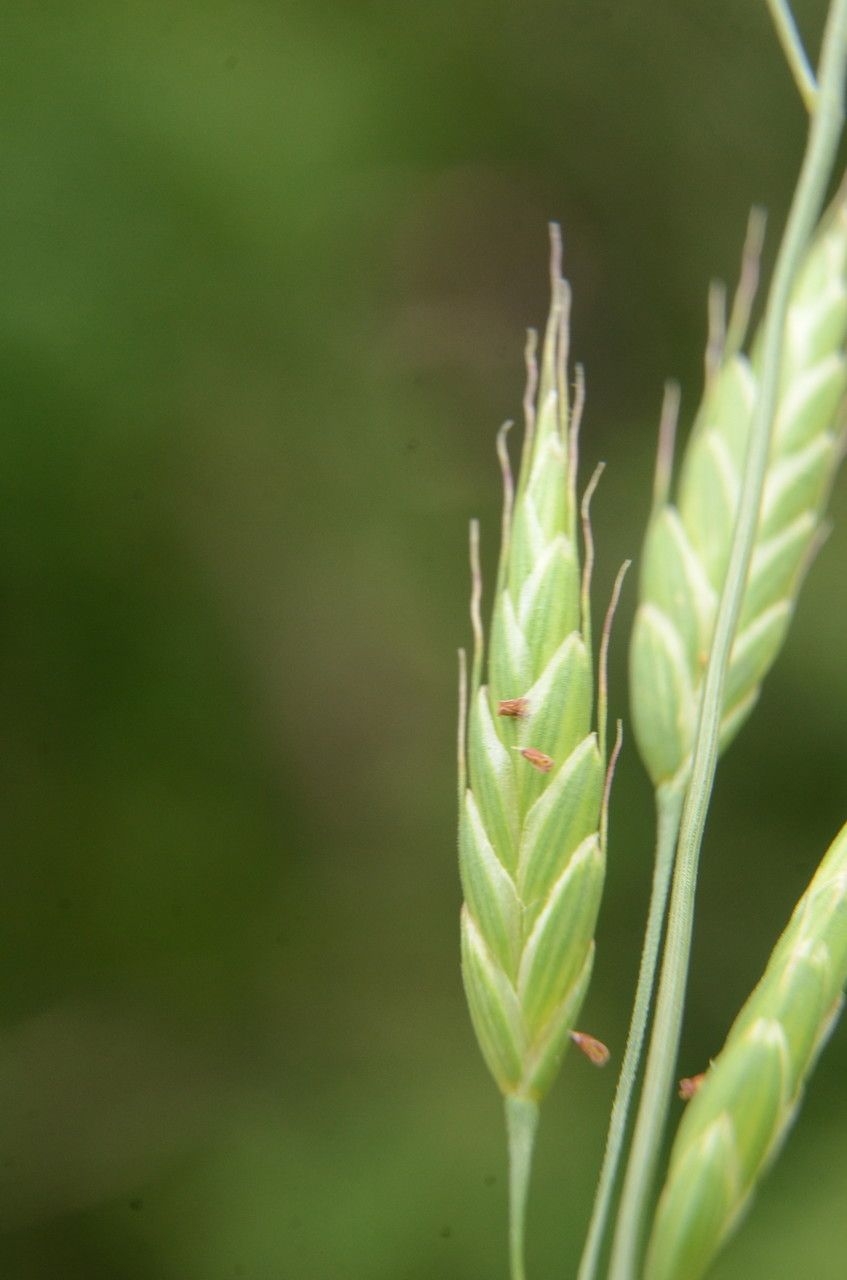
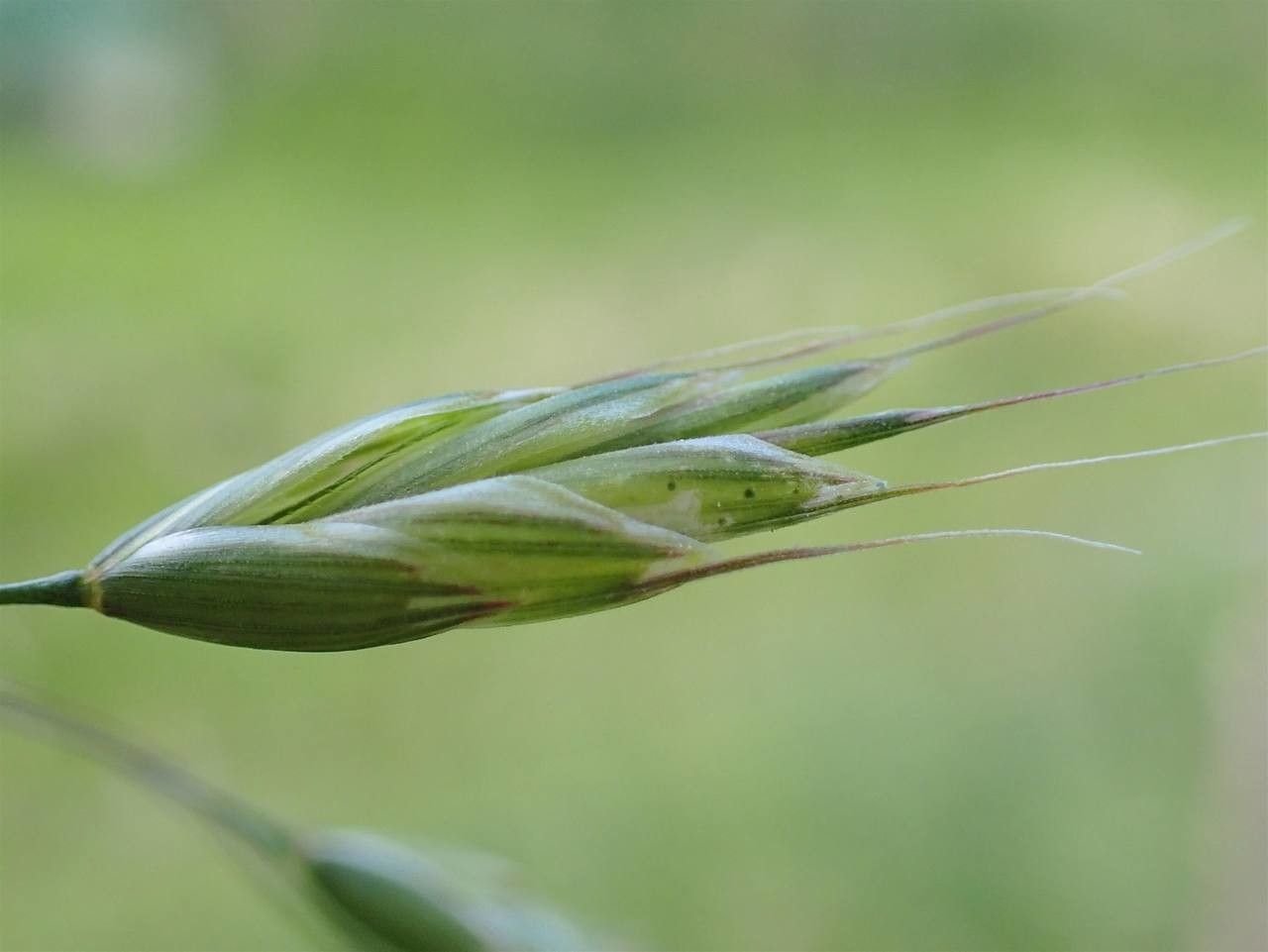
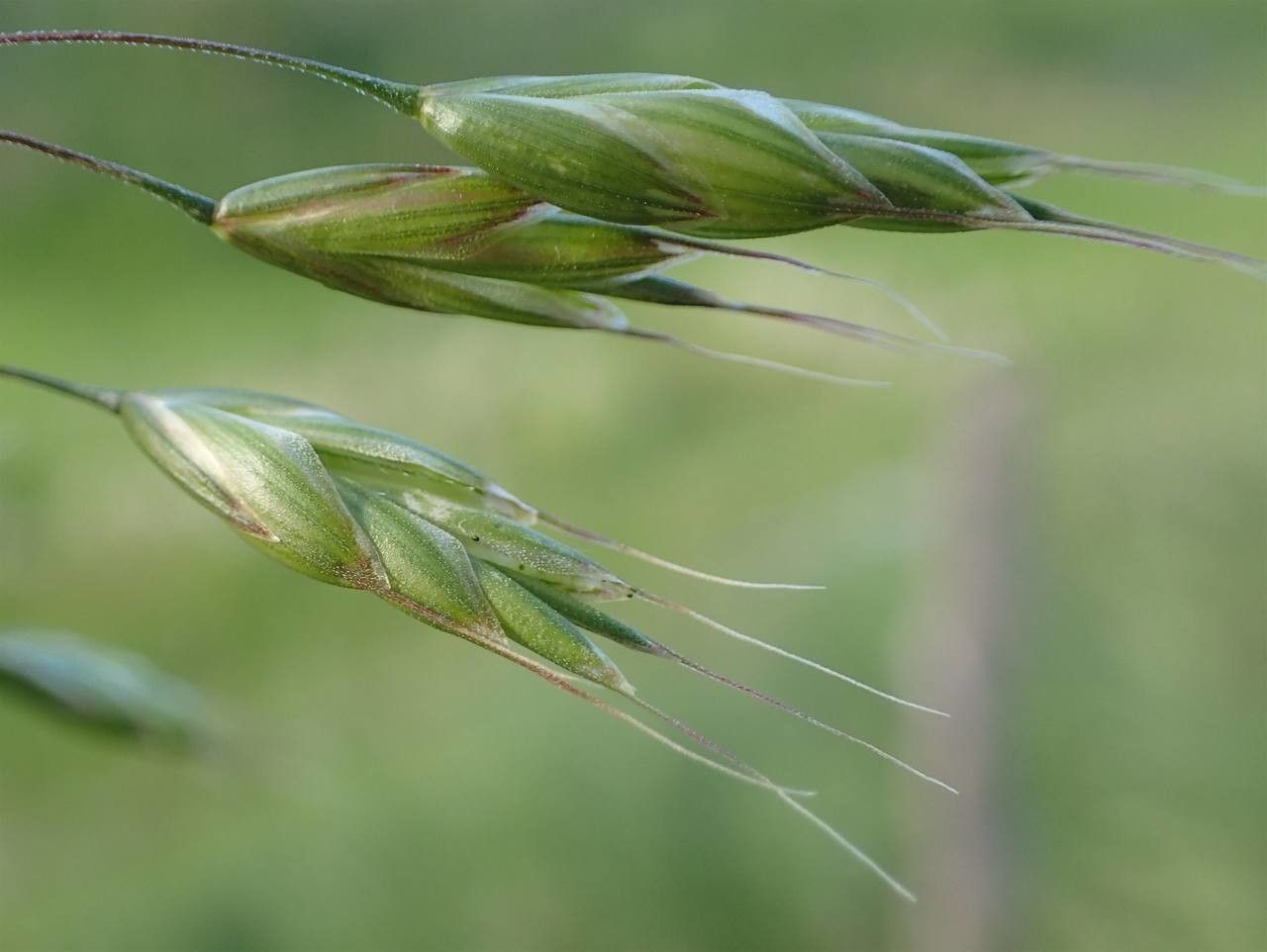
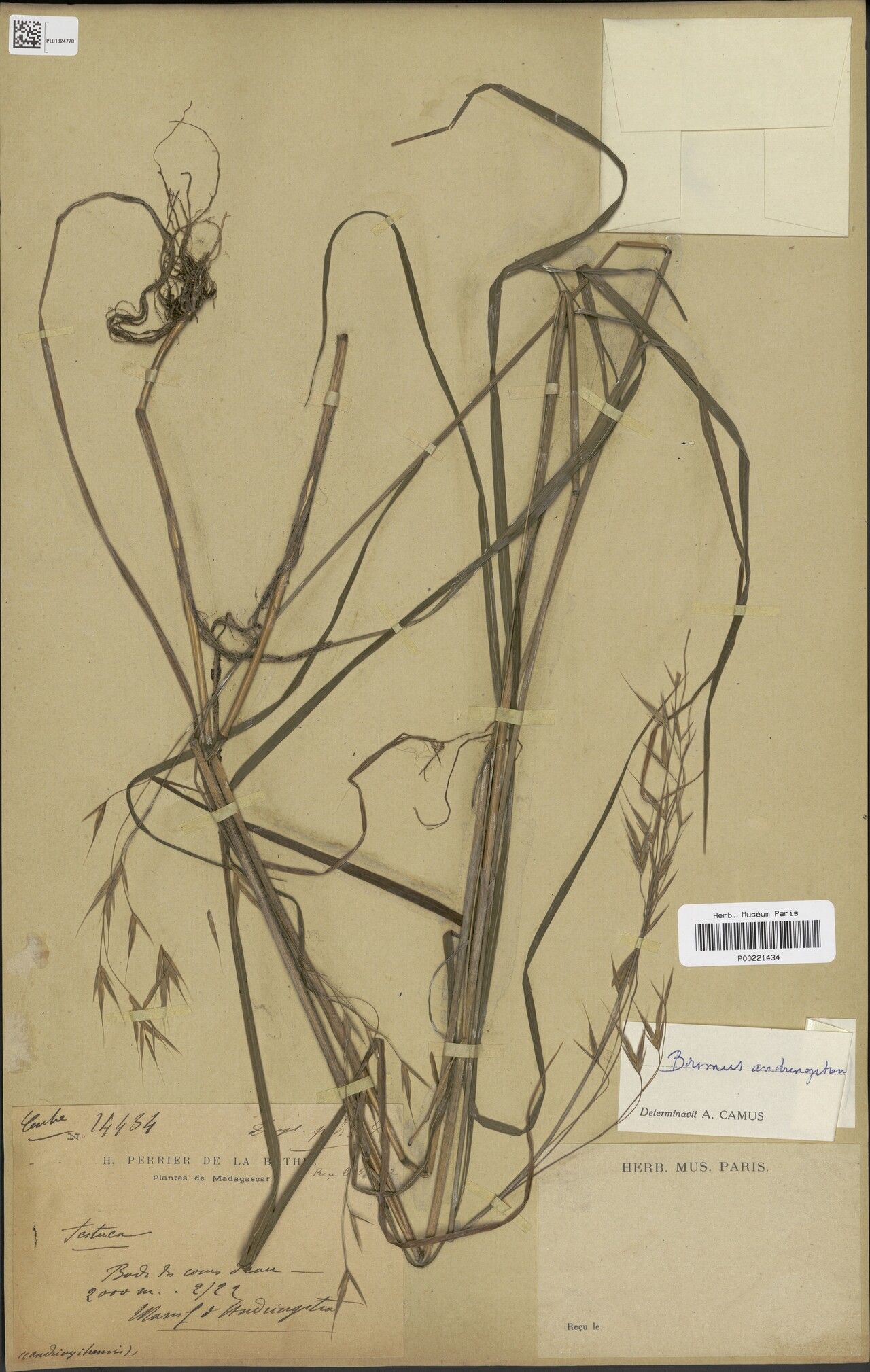
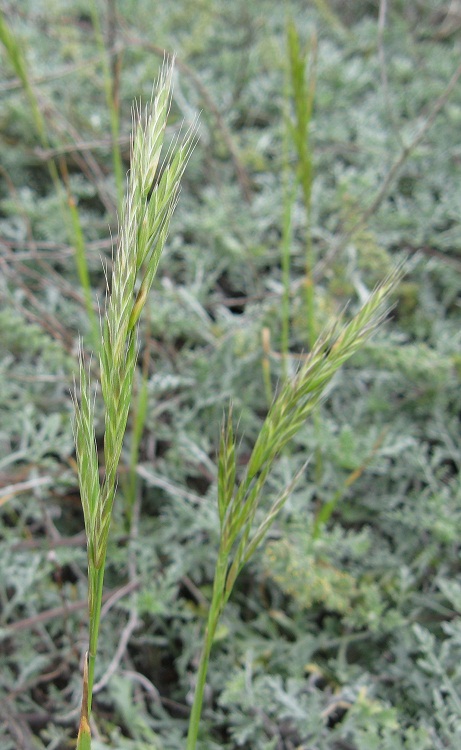
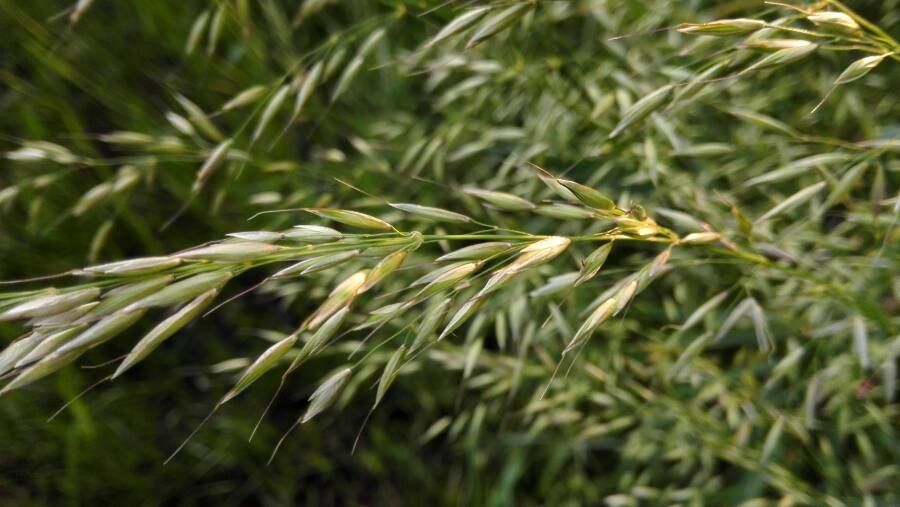
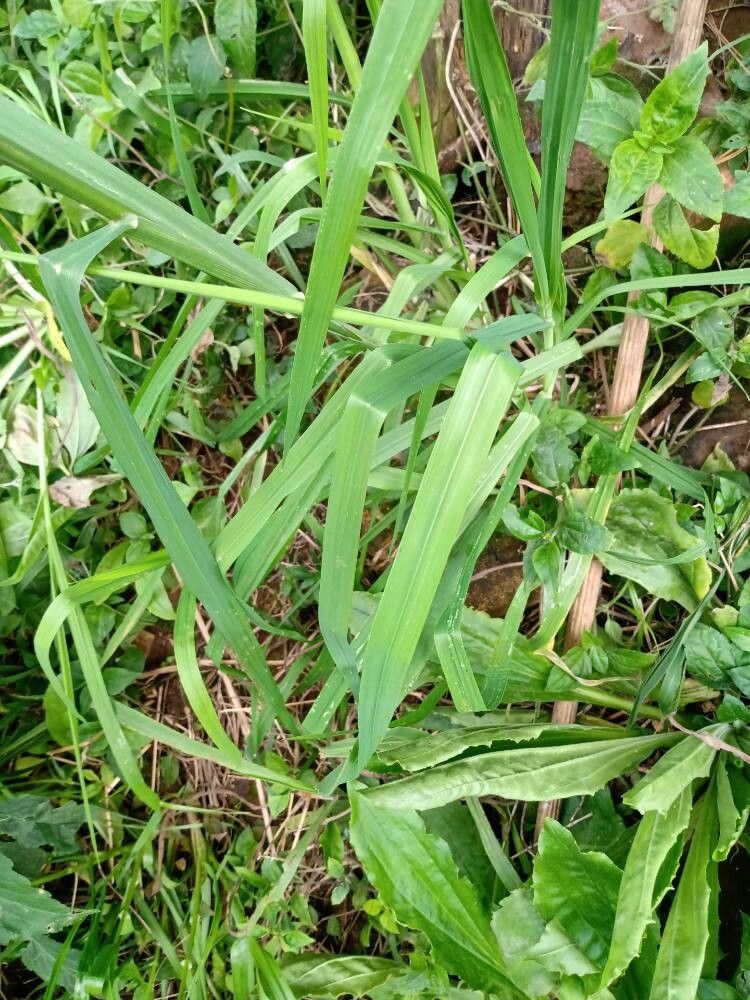
Bromus commutatus, the meadow brome, is an annual or biennial species of plant in the grass family Poaceae. In the United States it is known as hairy chess.
Bald brome is highly disease-resistant and generally not susceptible to illnesses. With regard to care, this plant is fairly low-maintenance. When grown outdoors it needs little watering, and larger plants typically do not require pruning. Smaller plants, however, should be trimmed after they finish blooming. Bald bromet is suitable for anyone who has outdoor space, like a garden or deck, and it does not demand much care experience.
How to keep Bromus Commutatus.
Light
Bald brome comes from bright, open habitats and thrives in full sun. It can tolerate some shade but favors direct sunlight for peak growth. This annual or biennial plant is noted for its sun-loving character.
Water
Bald brome thrives in moderate watering, mirroring its natural grassland habitat. It does best with consistent moisture but shouldn't be overwatered, ideally receiving water weekly. This resilient plant adapts to different soil conditions but flourishes most with good drainage to prevent root rot during heavy rainfall.
Temperature
Bald brome is a plant that grows best in temperatures of 68 to 95 °F (20 to 35 ℃). It favours the relatively warm conditions typically found in its native habitats. During colder seasons, it is recommended to provide this plant with some warmth.
Pruning
To ensure healthy growth and prevent overcrowding, bald brome should be pruned regularly from early to late spring. Use sharp tools to remove dead stems and thin out dense clusters. This improves air circulation, enhances the plant's appearance, and reduces the risk of fungal infections.
Botanical profile.
- Plant Type
- Grass
- Life Cycle
- Annual, Biennial
- Genus
- Bromus
- Family
- Poaceae
- Hardiness Zone
- 5
- Mature Height
- 0.4 m to 1.22 m
- Mature Spread
- 20 cm to 40 cm
- Leaf Color
- Green
- Leaf Type
- Semi-evergreen
- Flower Size
- 1.02 cm to 2.03 cm
- Bloom Time
- Late spring, Early summer
- Planting Time
- Spring, Summer
- Harvest Time
- Mid summer, Late summer
Other names.
Reader questions.
What if I give my Bald brome grass too much or too little water?
Proper watering is essential for the performance of this beautiful ornamental grass. When planted in the ground, watering issues can be resolved. However, in a container, excessive or insufficient water can quickly kill Bald brome. When Bald brome does not receive the correct amount of water, it may cease to grow. Overwatering can cause yellow leaves with brown tips, while underwatering can result in drooping leaves, weak seed head production, and browning. If you suspect that your Bald brome has been watered improperly, the first step is to determine if it is receiving too much or too little water. If it is receiving too much, stop watering immediately. It may take time for heavy soils to dry out, so be patient. Once new growth is observed, test the soil for moisture and decide if more water is needed. On the other hand, if it is receiving too little water, simply give it a deep drink and see if it improves. Remember that a long, deep watering is better than frequent shallow waterings. This encourages the grasses to develop deep roots, making them more resilient to drought and watering issues.
How much sunlight does Bald brome need every day to grow well?
To ensure optimal growth and survival, it is important to provide the plants with 6 to 8 hours of sunlight each day. They particularly benefit from increased exposure to morning light, especially during the summer. The Bald brome, in particular, thrives in full sun and benefits from as much sunlight as possible. The more light these species receive, the better they can produce food, showcase stunning blooms, and maintain overall health and existence.
What is the optimal temperature range for Bald Brome?
Bald brome (Bromus commutatus) thrives best in temperatures ranging from 68 to 95 °F (20 to 35 °C). This range is typical for its native habitats and is conducive to its growth. During the colder seasons, it's advisable to ensure the plant receives some warmth to maintain its health and vitality.
How frequently should I give water to my Bald brome plant?
The watering needs of Bald brome vary depending on where it is planted. In general, this grass should be watered once a week. However, in hot climates, watering once or twice a week in the summer may be necessary. In moderate climates, watering once every seven days or more may be enough. It's important to note that grass in containers typically needs more frequent watering than grasses planted in the ground. Additionally, the location of the grass also plays a role in its watering needs. Shaded grasses require less frequent watering compared to those planted in the ground. It's best to water Bald brome when the soil is dry. To determine if the soil is dry, you can press your finger a couple of inches into the soil or use a portable scale to weigh a potted grass. If the soil feels light or the grass appears folded along its center and thinner than usual, it indicates a lack of water. Despite its drought tolerance, regular, deep waterings will enhance the color of Bald brome. Although this grass can handle harsh, dry conditions, consistent water is still beneficial. When first planted, Bald brome needs more frequent watering until it establishes deep roots. For potted Bald brome, the soil dries out quickly, especially if the pot is exposed to direct sun for most of the day. Testing the soil every 3 to 4 days and watering when it feels dry is recommended. Bald brome in the ground generally requires less watering, but this depends on the type of soil. Clay soil retains moisture beneath the surface even if it feels dry, while sandy soils that drain quickly may need more frequent watering.
What kind of sunlight does Bald brome require?
The Bald brome thrives in full sunlight, so it's important not to overcrowd them. They need even exposure to the sun to ensure the leaves aren't deprived of sunlight. If you're planting them in pots, position the herbaceous flowers in windows with direct sunlight to give them the needed sunlight throughout the year. Partial or filtered light won't lead to strong stems and healthy flowers, so it's best to always keep the Bald brome exposed to the sun.
Does Bald Brome require frost protection in winter?
Interestingly, bald brome is highly tolerant of cold temperatures and does not usually require additional measures for frost protection during the winter months. However, as a useful tip before the first freeze in autumn, it is recommended to water the plant generously. This practice helps the soil maintain moisture and enter a frozen state preparedly, preventing drought and water scarcity for the plant during the harsher winter and early spring periods.
What do I need to watch out for when I water my Bald brome at different times of the year, in different environments, or during different stages of growth?
To determine if you are watering enough, observe the rate of growth of your grasses. Bald brome, for instance, tends to grow rapidly during the hottest months and can double in size within a year. If the weather is hot but the grass isn't growing vigorously, it may be necessary to adjust your watering schedule. In winter, watering just once a month might suffice, but it's still important to check the soil for moisture. During the warmest months, when grass is in a growth cycle, it will require more water than usual. However, water needs will significantly decrease during winter and cooler months. Remember, it's crucial to allow the soil in which the Bald brome is planted to completely dry out before watering again.
Is sunlight bad for plants? How can you protect Bald brome from getting hurt by the sun and heat?
The Bald brome can be damaged by extreme temperatures when it gets above 90℉(32℃), especially if it's in the sun for a long time. To protect it, it's best to provide some shade in the afternoon. Remember that sunlight is stronger and lasts longer in the summer compared to winter. If the Bald brome is stressed from too much sunlight, make sure to keep it well-watered. The soil should be allowed to dry about 2 inches from the top before watering, and if it's too hot outside, consider moving the plant indoors if it's in a container. It's normal for the plant leaves to wilt during the day and recover at night, but if they continue to droop, it means the plant is losing water quickly and needs to be watered.
What should I do if the temperature falls below -25°C for Bald Brome?
Bald brome showcases extreme cold tolerance, but it's crucial to keep winter temperatures above -25°C. Should temperatures dip below this mark, you might not observe immediate changes during the winter, but come spring, you could see a reduction in or a complete absence of sprouting. The recommended course of action in spring is to remove any parts of the plant that have failed to sprout, to encourage new growth.
Do I need to protect Bald brome from the sun?
The Bald brome thrives in sunny environments and can actually benefit from being exposed to the sun. However, it is important to note that some species of the Bald brome are heliotropic, meaning they specifically seek out the sun. To optimize their growth, it is recommended to plant them in south-facing gardens so they receive ample sunlight from morning to afternoon. While the sun is generally beneficial, it is possible for some Bald brome plants to get sunburned. To prevent this, it may be advisable to provide shade in the afternoon and midday, such as from a tree or wall. It should be noted that trying to grow the Bald brome in shady areas is not feasible as the larger flowers require a lot of energy to grow and produce. For the best results, always ensure the Bald brome is placed in an area with full sun and provide appropriate lighting conditions.
How should I care for Bald Brome when temperatures exceed 35°C?
Bald brome's growth ceases and it becomes prone to rot in high temperatures exceeding 35°C. If faced with such conditions, you should trim away any sunburned or dried-up parts of the plant. Relocating the plant to a shaded area or making use of a shade cloth can protect it from the intense midday and afternoon sun. Additionally, watering the plant in the morning and evening can help keep the soil appropriately moist, aiding in its survival under excessive heat.
What will happen if Bald brome doesn't get enough sunlight?
If the Bald brome doesn't receive enough sunlight or is placed in shady areas, its photosynthetic process slows down. Lack of sunlight leads to long, thin stems as they stretch for more light, preventing the plant from blooming and producing seeds. Inadequate sunlight also causes old leaves to die, new leaves to be lighter in color, and new growth to be smaller. While the Bald brome thrives in the sun, it can wilt when exposed to excessive heat and ultraviolet light during summer. To protect the plant, consider covering it with a green shade net in the summer to prevent scorching of leaves and flowers. When indoors, using a fan can help reduce heat.