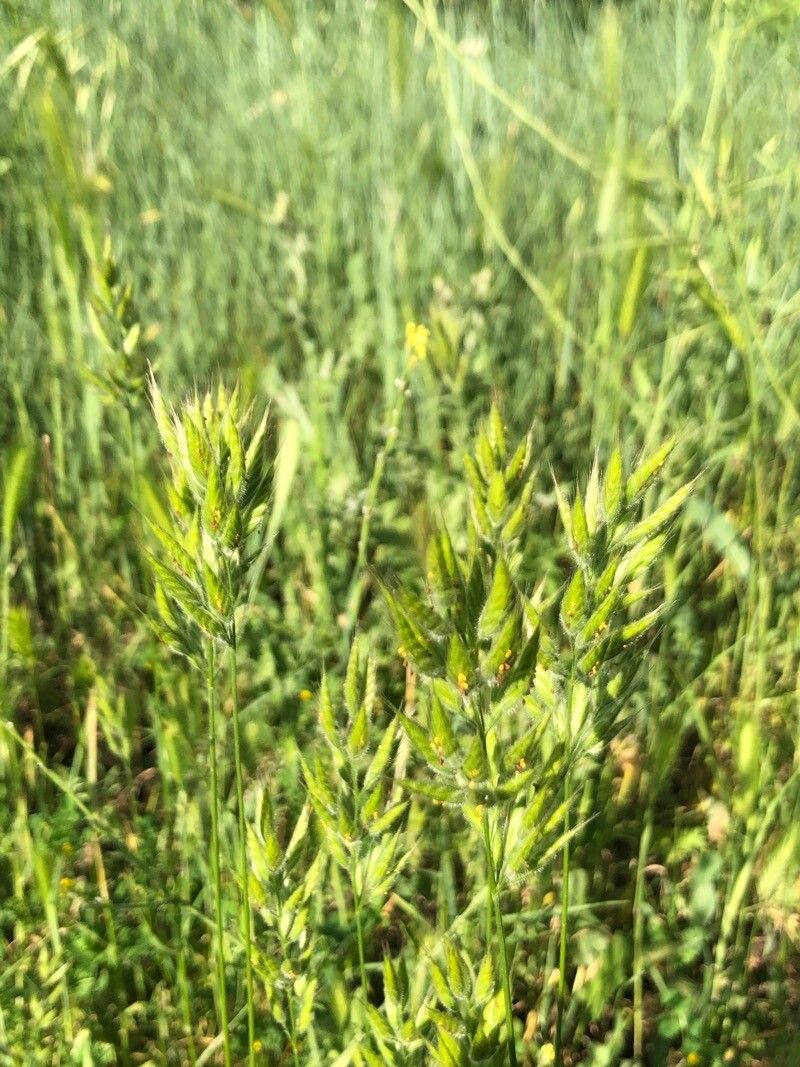
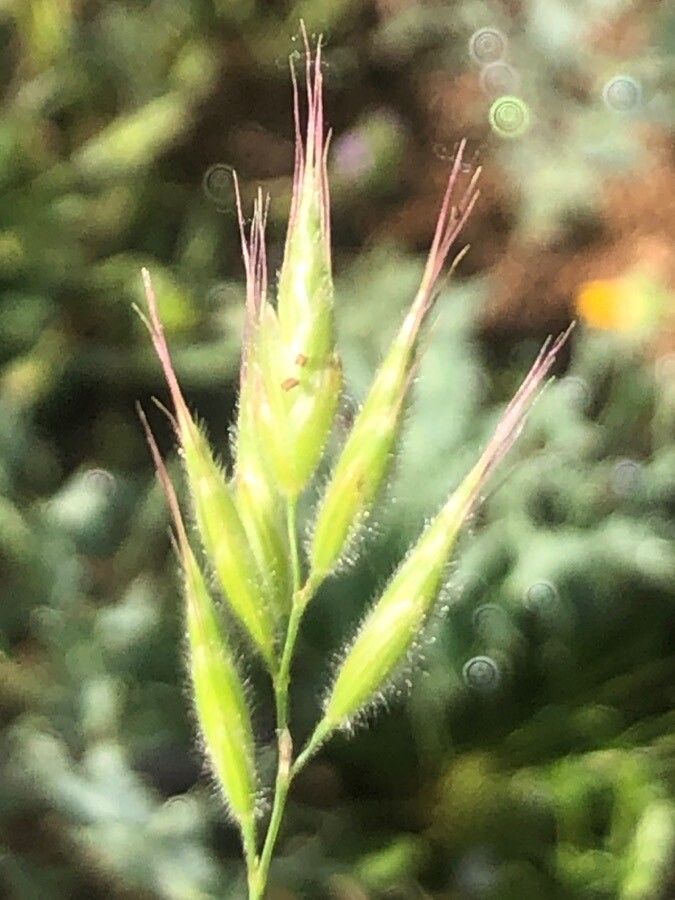
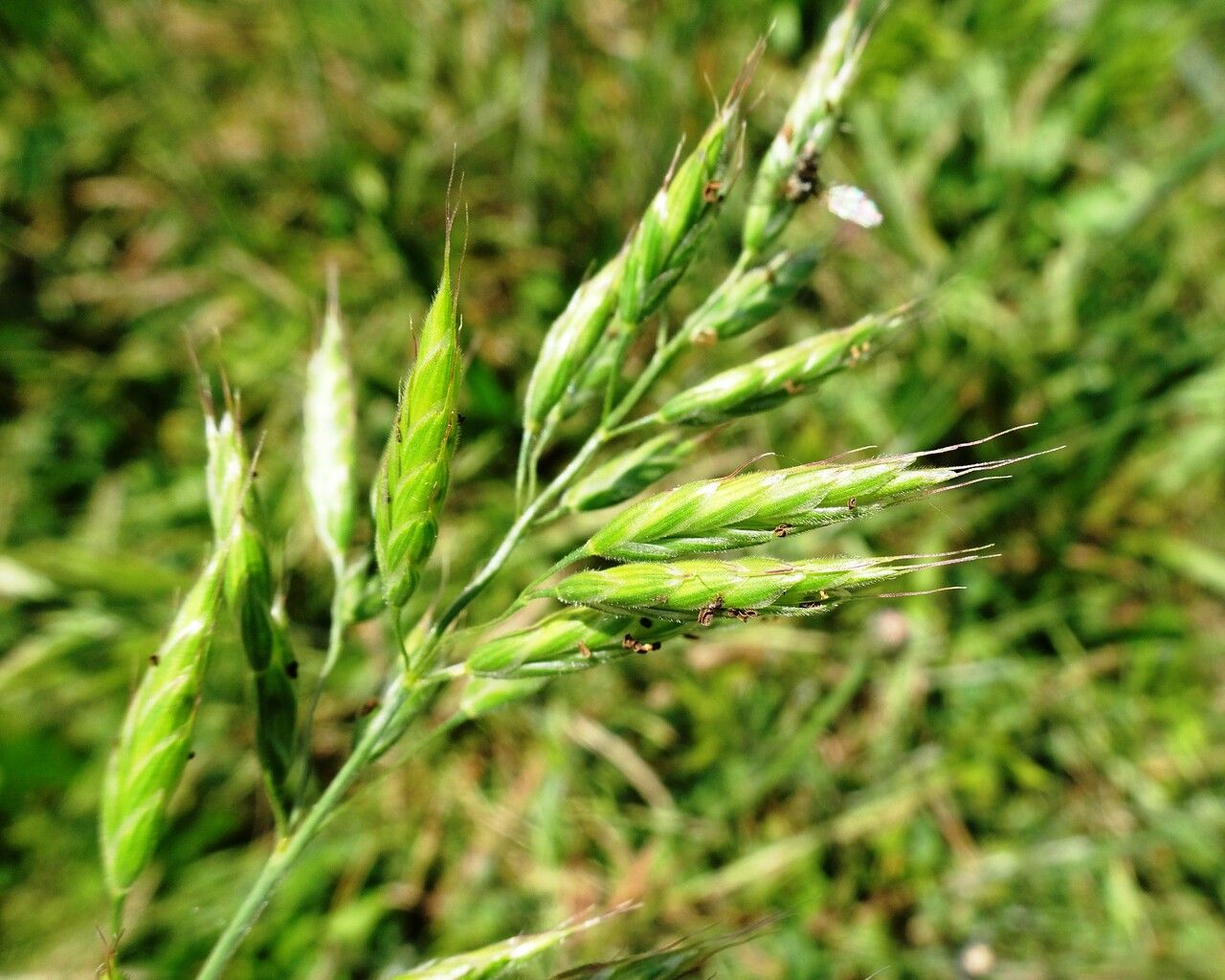
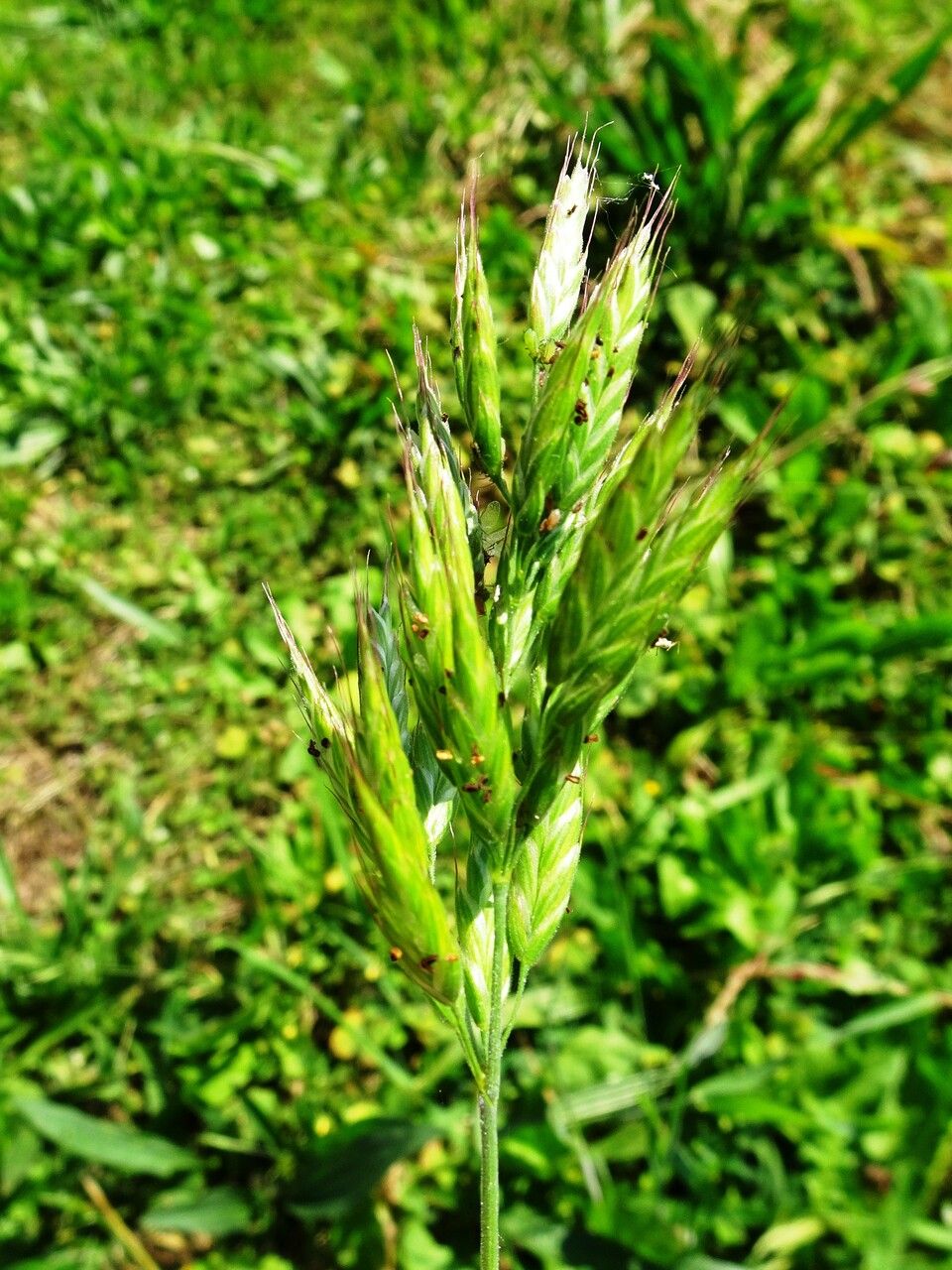
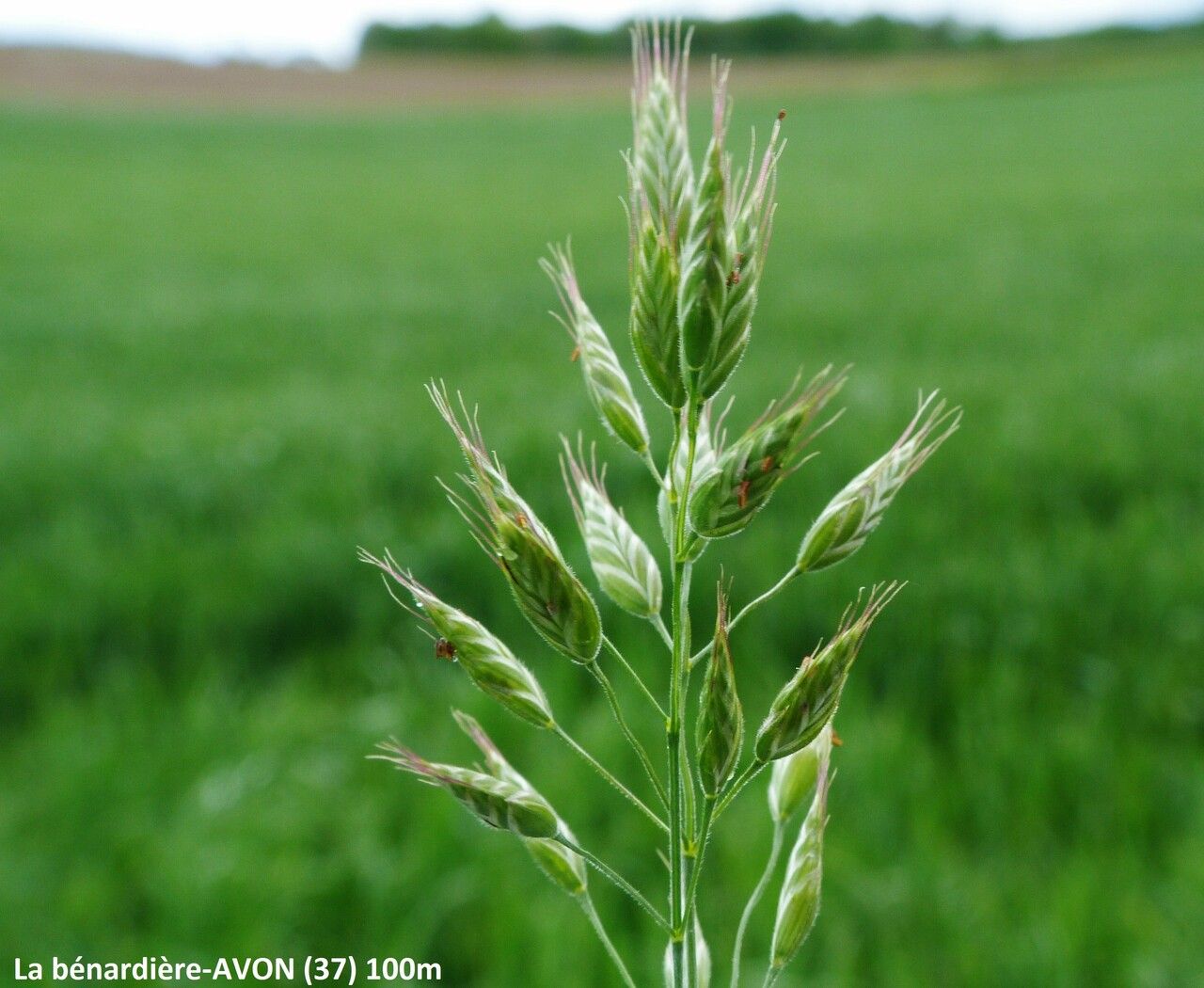
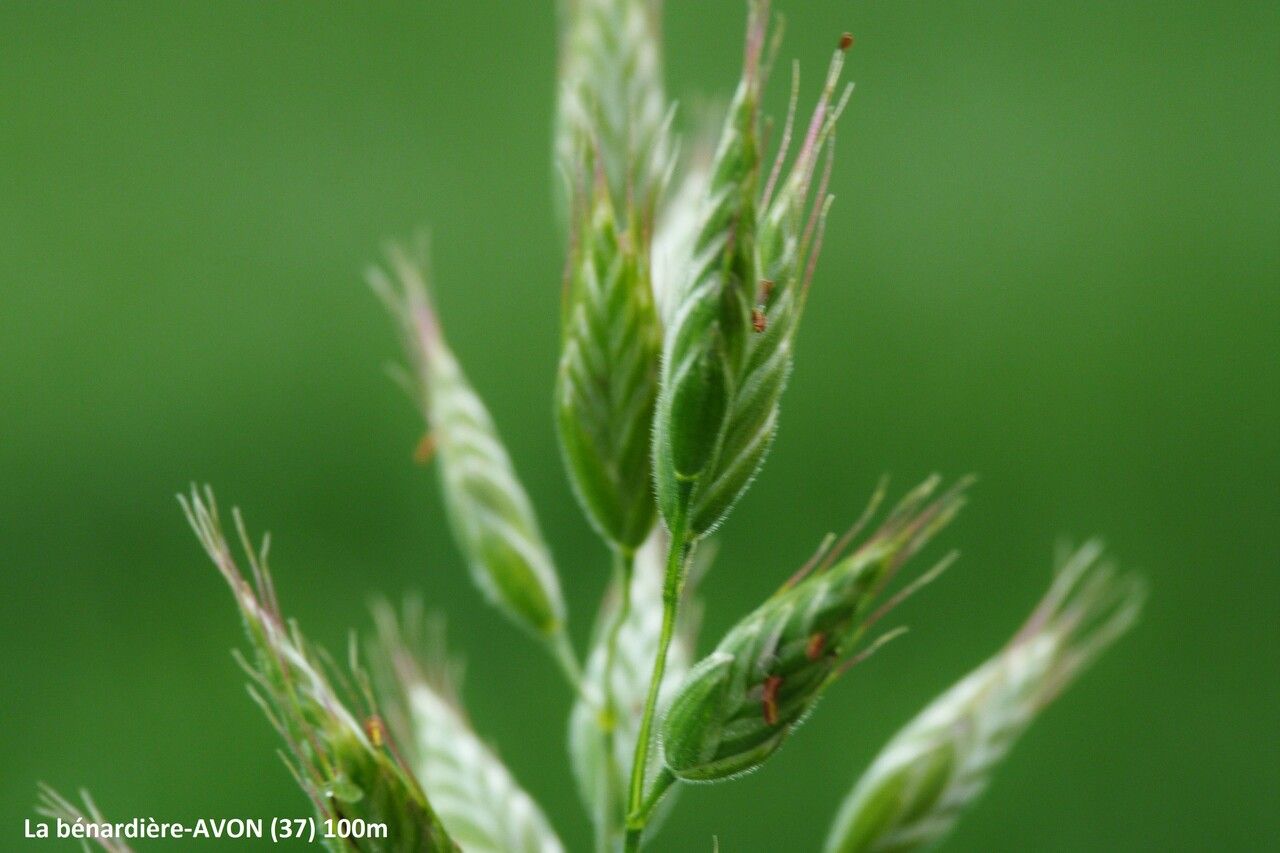
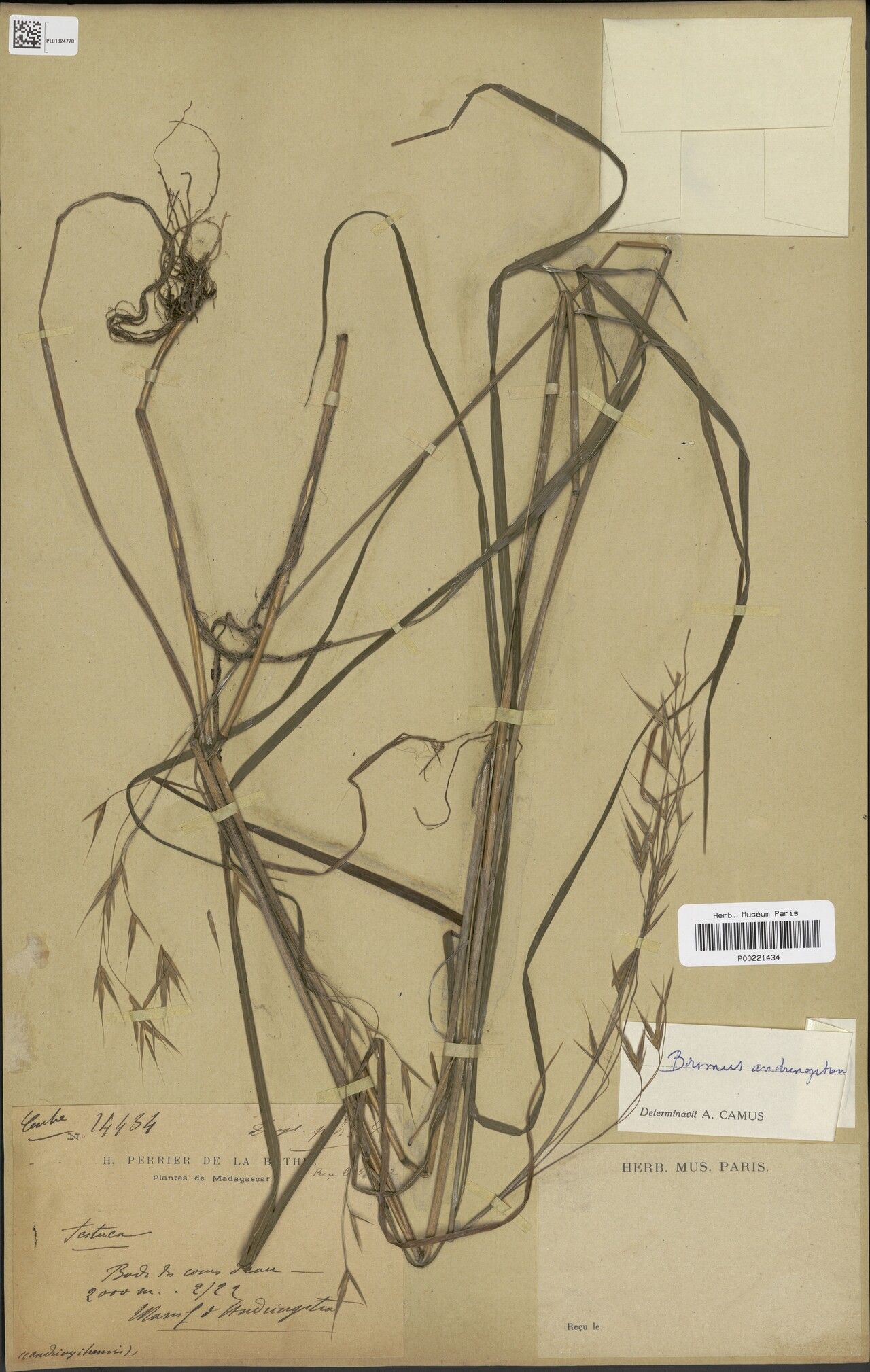
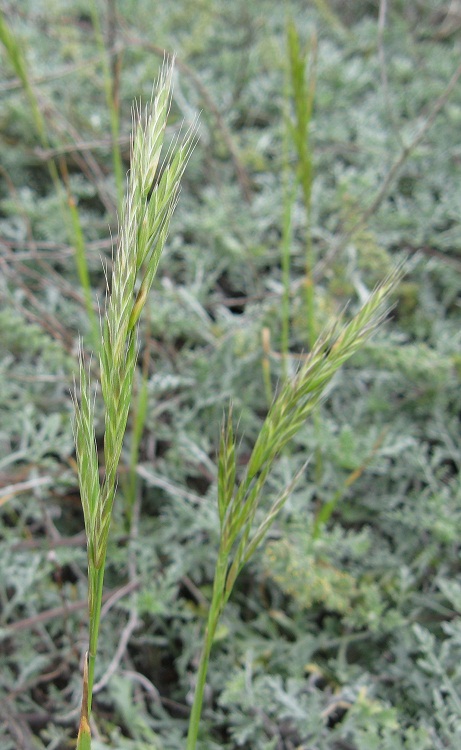
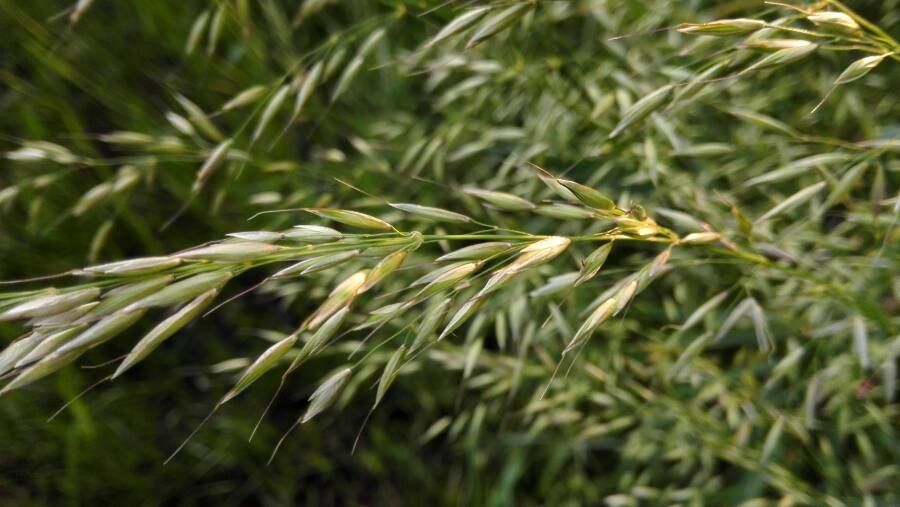
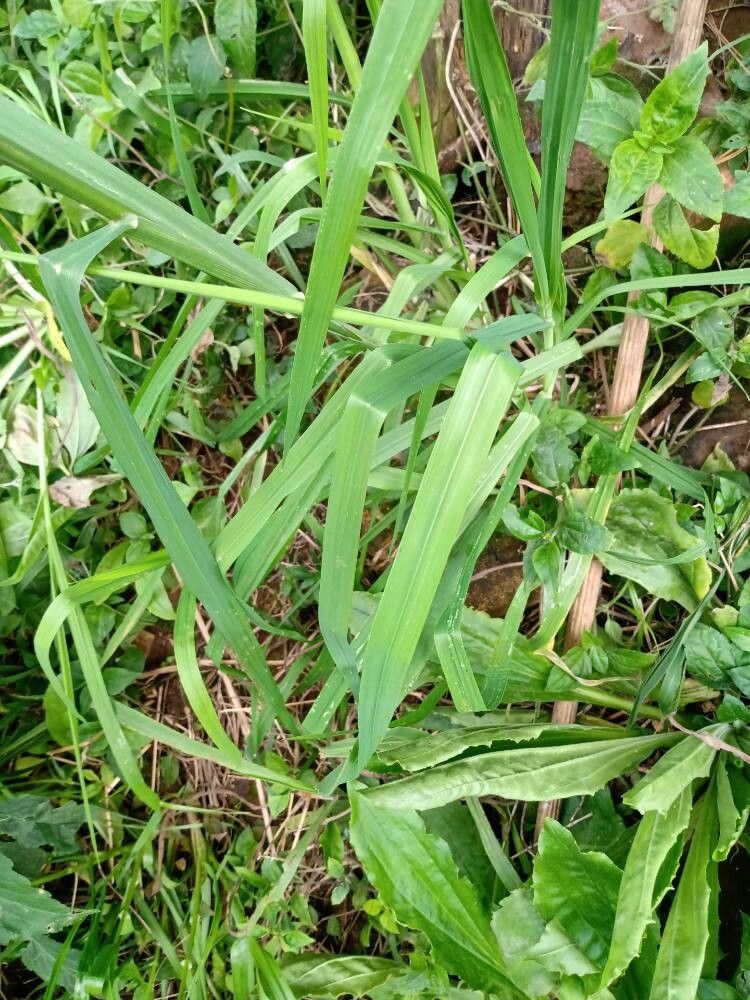
Bromus hordeaceus, the soft brome, is an annual or biennial species of grass in the true grass family (Poaceae). It is also known in North America as bull grass, soft cheat, and soft chess. It is the most common species of Bromus in Britain, where it can be found on roadsides, waste ground, meadows, and cultivated land. It is found throughout Europe and western Asia, and was introduced into North and South America and Australia.
Rye brome is well resistant to disease and is generally not susceptible to illnesses. Regarding care, this plant is fairly low-maintenance. Planted outdoors, it needs minimal watering, and larger plants typically do not require pruning. Smaller plants, however, should be pruned after they have bloomed. Rye bromet is suitable for anyone with outdoor space, such as a garden or deck, and does not require much care experience.
How to keep Bromus Hordeaceus.
Light
Rye brome does best when it gets sunlight for most of the day. Native to open areas, it thrives with unblocked sun exposure. While it can tolerate shadier conditions, too little light can slow its growth and harm its overall health.
Water
Lop grass thrives when it receives consistent watering, but it can also withstand short periods of dryness. To keep it healthy, water it weekly, as it is adapted to the moderate moisture levels typical of temperate regions. While lop grass is commonly found in meadows, it requires less maintenance in gardens where natural rainfall is adequate.
Humidity
This plant prefers dry conditions, so don't mist it. However, watering it less often can also thrive in higher humidity.
Temperature
Rye brome can tolerate a broad range of temperature conditions, but its distribution may still be limited by different combinations of water and heat conditions. It performs best in warm summer climates with adequate rainfall or watering. Extended periods of cloudy and rainy weather, as well as prolonged high temperatures, can raise the likelihood of Rye brome dying. In winter, proper protection against cold can boost the plant's survival rate.
Botanical profile.
- Plant Type
- Grass
- Life Cycle
- Annual
- Genus
- Bromus
- Family
- Poaceae
- Hardiness Zone
- 4-8
- Mature Height
- 40 cm to 91 cm
- Mature Spread
- 20 cm to 40 cm
- Leaf Color
- Green
- Leaf Type
- Semi-evergreen
- Flower Color
- Yellow, Green, Red, Brown
- Flower Size
- 1.02 cm to 2.03 cm
- Bloom Time
- Early summer, Mid summer
- Planting Time
- Spring
- Harvest Time
- Late summer, Early fall
- Native Area
- Bulgaria, Greece, Croatia, Slovenia, North Macedonia, Belarus, Ukraine, China, Lebanon, Serbia, Hungary, Syria, Italy, Kazakhstan, Spain, Bosnia and Herzegovina, France, Romania, Portugal
Other names.
Reader questions.
How should I water my Lop grass?
There are various ways to water Lop grass, including using a garden hose with a spray nozzle or a watering can. Lop grass is not too particular about the type of water it receives, whether it's rainwater, tap water, or filtered water. However, it is generally advised not to water this plant from above as it can harm the leaves and flowers and potentially lead to disease. A drip irrigation system is often recommended for watering Lop grass as it distributes water evenly and directly to the soil. If you have a container-grown Lop grass, you can use a cup, watering can, or tap to water it directly at the soil.
What are the sunlight requirements for Lop grass?
Lop grass requires full sun, defined as over 6 hours of sunlight daily, but it can also thrive under partial sun, which is about 3-6 hours of sunlight each day. It's important to monitor the movement of sunlight through your garden to find the optimal spot that offers a balance of light and shade, ensuring the plants' growth and health. Additionally, properly managing sunlight exposure is crucial for keeping your plants healthy and preventing symptoms associated with both insufficient and excessive light.
What is the ideal temperature range for growing Lop grass?
Lop grass thrives in environments with temperatures ranging from 68 to 100 °F (20 to 38 °C). It is well-suited to adjust to seasonal temperature fluctuations within this range. Since it is extremely heat-loving, Lop grass can be negatively impacted by cold temperatures. In colder months, particularly autumn, it is advisable to move outdoor-grown Lop grass indoors, placing it near a bright window but away from direct heat sources like heaters. To promote optimal growth during winter, maintaining the temperature above 20°C is beneficial, while temperatures nearing 10°C can be harmful to the plant.
What do I need to do if I give my Lop grass too much or too little water?
The solution for underwatering Lop grass is clear: water it more regularly when you notice it is lacking moisture. However, overwatering can be a more serious issue if not caught early. When Lop grass is overwatered, it can develop diseases that lead to its decline and death. To prevent this, choose a proper growing location with ample sunlight to dry the soil and good drainage to prevent water from pooling. If you overwater Lop grass in a pot, you may need to change it to a new pot with better drainage. When repotting the overwatered Lop grass, use loose soils and an efficiently draining pot.
How can artificial lighting support Lop grass growth indoors?
Indoor plants, like Lop grass, need adequate lighting for optimal growth, especially when natural sunlight is insufficient. Artificial lights, such as LEDs, can be customized to provide specific light wavelengths needed by the plants. Full sun plants require 30-50W/sq ft of artificial light, partial sun plants need 20-30W/sq ft, and full shade plants need 10-20W/sq ft. The artificial light source should be placed 12-36 inches above the plant and kept on for 8-12 hours daily to mimic natural sunlight conditions and promote healthier, faster growth.
How does low temperature affect Lop grass and what are the solutions?
Lop grass is sensitive to low temperatures and shows optimal growth when temperatures remain above 20°C. Exposure to temperatures below 5°C can result in the lightening of leaf color, which after frost damage, turns brown or black, accompanied by wilting and drooping symptoms. To combat frost damage, it's recommended to trim off the affected parts and move the plant indoors to a warmer environment. Placing the plant near a south-facing window ensures ample sunlight, but it should not be positioned near heaters or air conditioning vents, as they could lead to excessive dryness.
How many times should I give water to my Lop grass?
Lop grass needs regular watering throughout the growing season. In spring, watering once per week should be sufficient. As the season progresses and temperatures rise, you may need to increase watering to two to three times per week. However, be cautious not to exceed this frequency as it can harm your Lop grass. Regardless of the watering frequency, it's important to keep the soil moist but not overly wet. When it comes to watering Lop grass in a pot, you'll likely need to water more frequently compared to grass planted in the ground. This is because the soil in a pot can heat up and dry out faster. Typically, watering a potted Lop grass a few times per week is recommended, rather than just once per week for an in-ground plant.
What signs indicate Lop grass is not receiving enough sunlight?
When Lop grass doesn't get enough light, several symptoms can appear. These include smaller new leaves, leggy or sparse growth, increased leaf drop, slower or halted growth, and lighter-colored new leaves. Chlorosis, or leaf yellowing, and sunscald, which results in damaged plant tissues, can occur due to poor light conditions. Additionally, leaf curling, wilting, and leaf scorching are signs of stress from inadequate sunlight exposure. Managing these symptoms requires adjusting the plant's light exposure to mimic its natural habitat.
What are the effects of high temperature on Lop grass and how can they be mitigated?
During the summer months, it's important to ensure that temperatures around Lop grass do not exceed 38°C. When temperatures reach above 43°C, the plant's leaves may lighten in color, becoming more prone to sunburn. To alleviate damage caused by excessive heat, affected parts of the plant should be trimmed away, and the plant should be positioned in a location that offers shade during the peak sun of midday and afternoon. Additionally, watering the plant in the morning and evening will help keep the soil moist, further protecting the plant from the stress of high temperatures.
How much water does my Lop grass require?
Determining how much water to give to your Lop grass can be approached in a few different ways. Some gardeners rely on feeling the soil to gauge its moisture level. In this case, the general recommendation is to water until the first six inches of soil feel moist. Alternatively, you can use a specific measurement as a guideline. Typically, Lop grass requires around two gallons of water per week, depending on factors such as temperature and soil drying speed. However, it's important to be cautious with strictly following these guidelines, as overwatering can occur if your plant requires less water. When growing Lop grass in a container, a different method is necessary. In this instance, you should aim to moisten all layers of dry soil. You can check for moisture by sticking your finger into the soil or by watering until you notice a slight trickle of excess water coming out of the drainage holes in the pot.
How can I address sunlight-related issues in Lop grass?
To address insufficient sunlight, gradually increase the plant's exposure to direct sunlight to at least 6 hours daily by moving it to sunnier spots or using a south-facing window. Artificial lighting, like grow lights, can also supplement natural light for indoor plants. For outdoor plants, it's crucial to move them gradually to avoid shock from sudden light intensity changes. If sunlight is obstructed, consider pruning or transplanting to reduce shade. Remember, while affected parts may not recover, new growth will be healthy with proper light adjustments.
How can I know if I am watering my Lop grass enough?
Avoiding overwatering your Lop grass can be somewhat difficult because of their deep roots. While these plants need moist soil weekly, they are also very susceptible to root rot and may turn brown if overwatered. Underwatering is less likely to be a problem as Lop grass can survive without much watering, but if they go too long without water, they will wilt and have dry leaves.