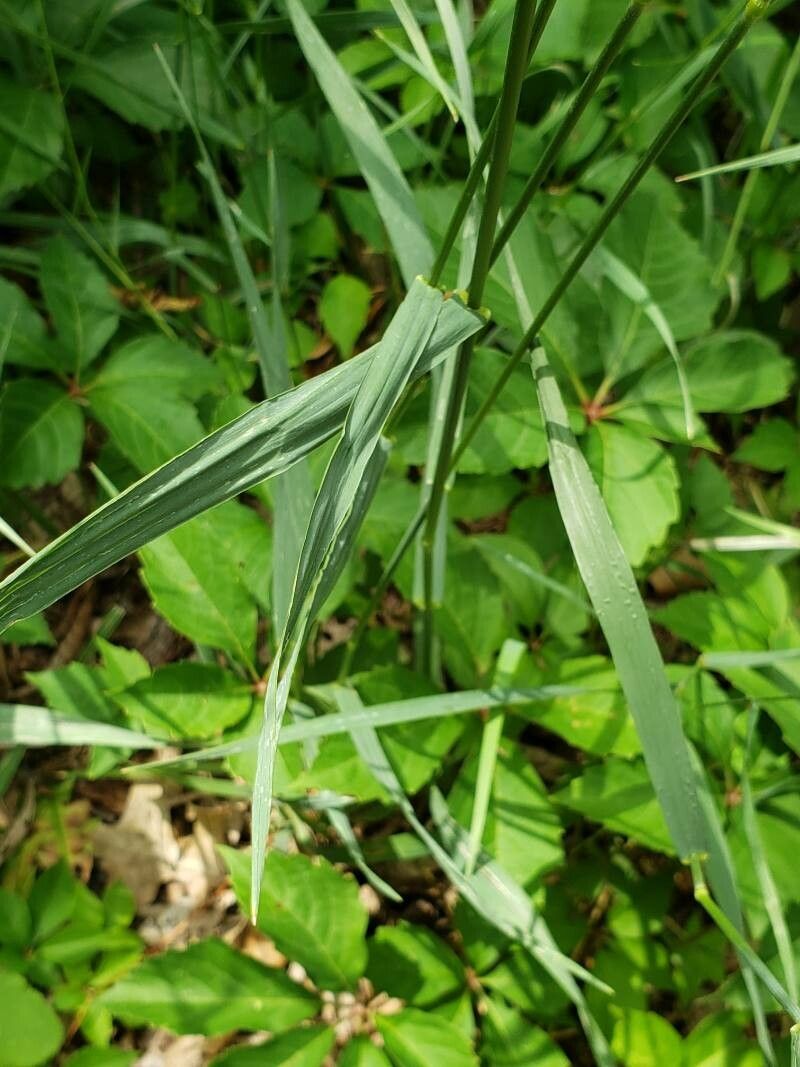
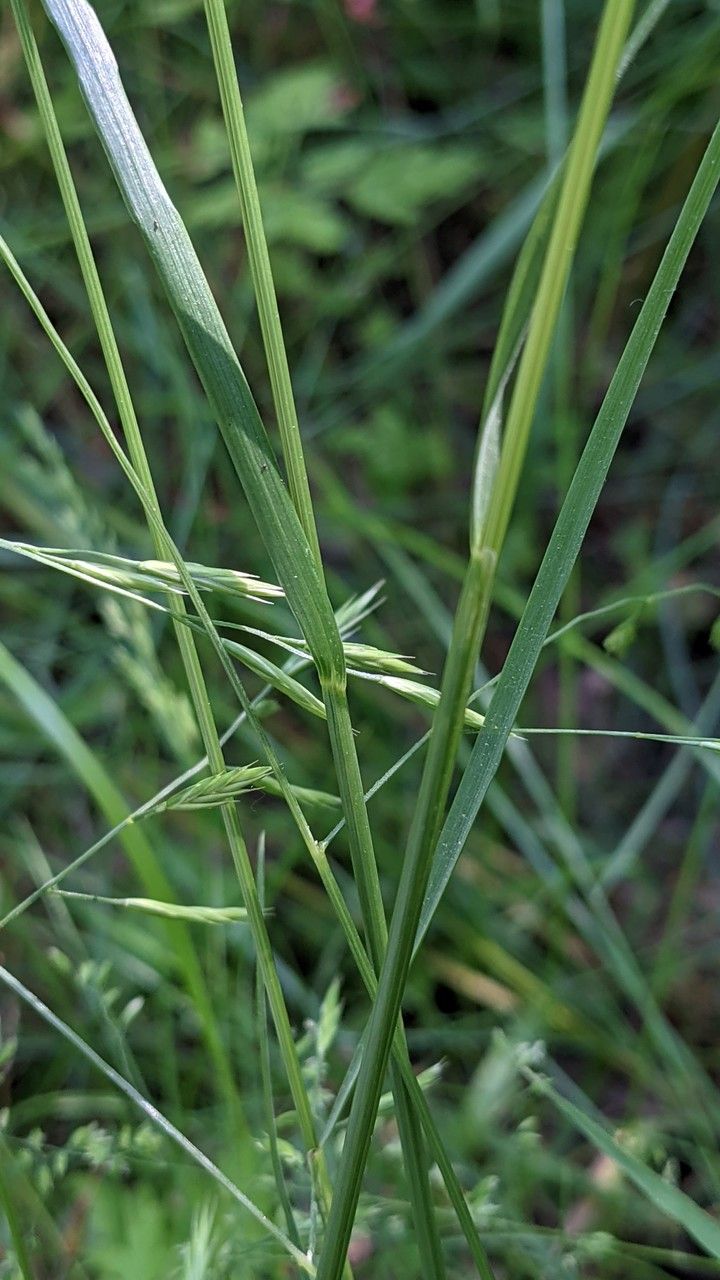
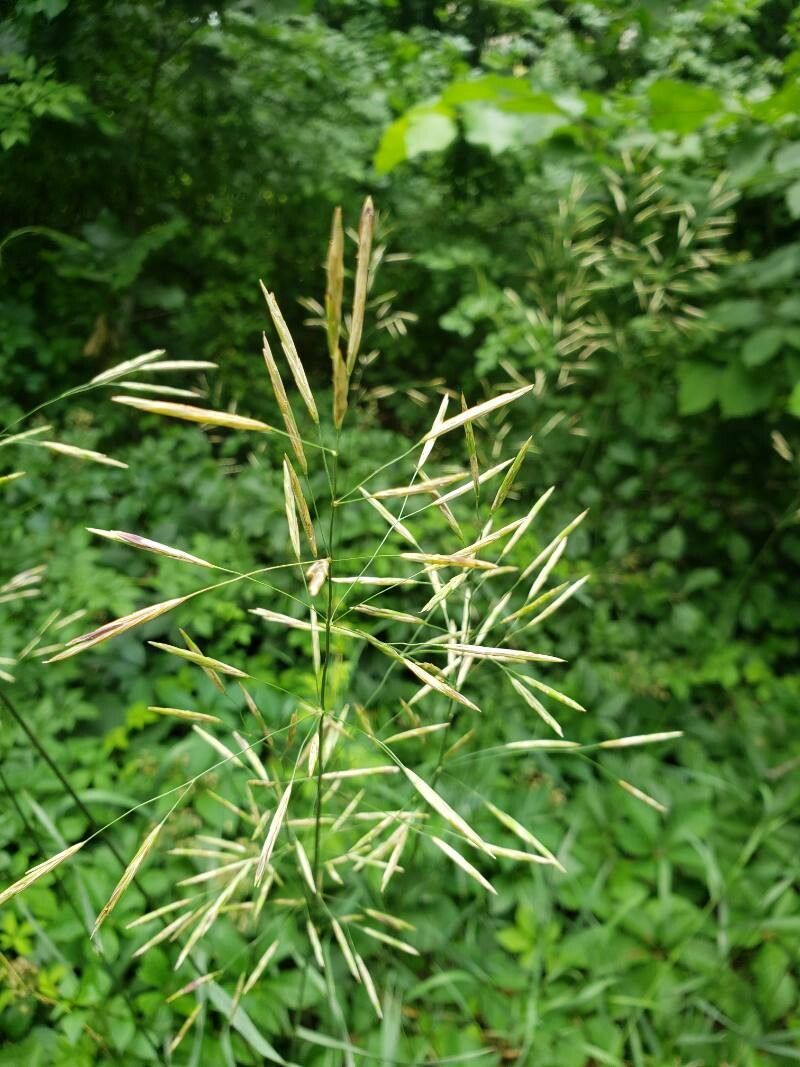
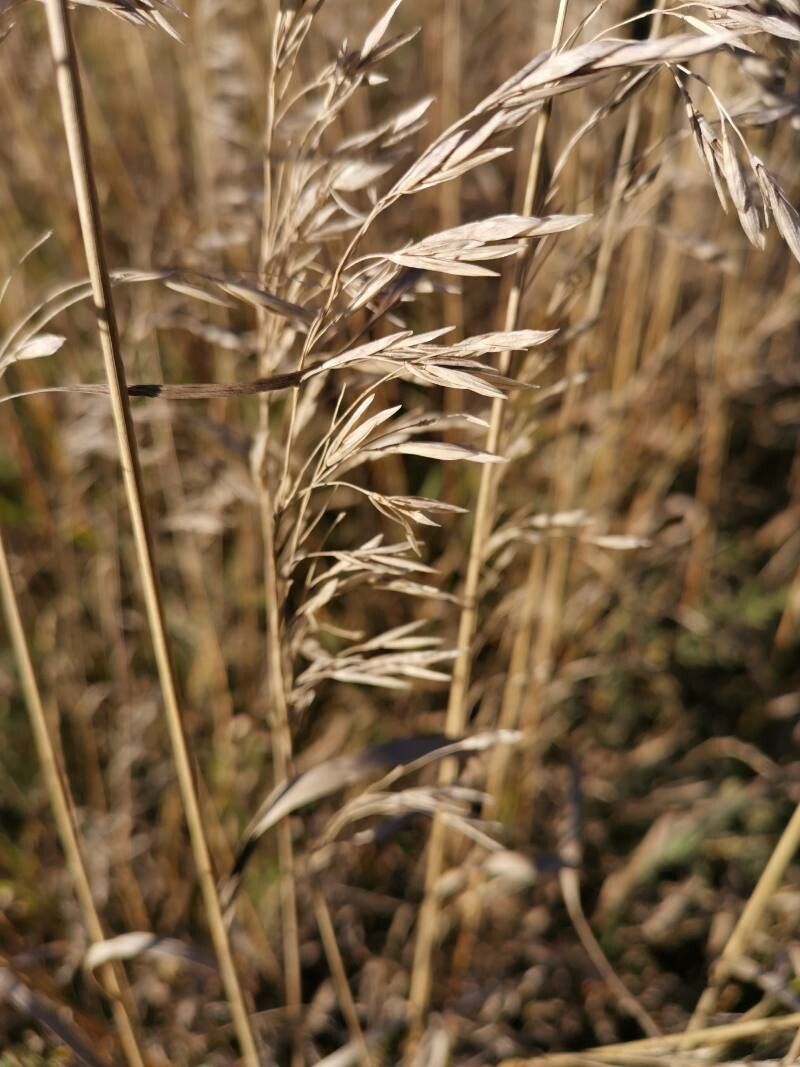
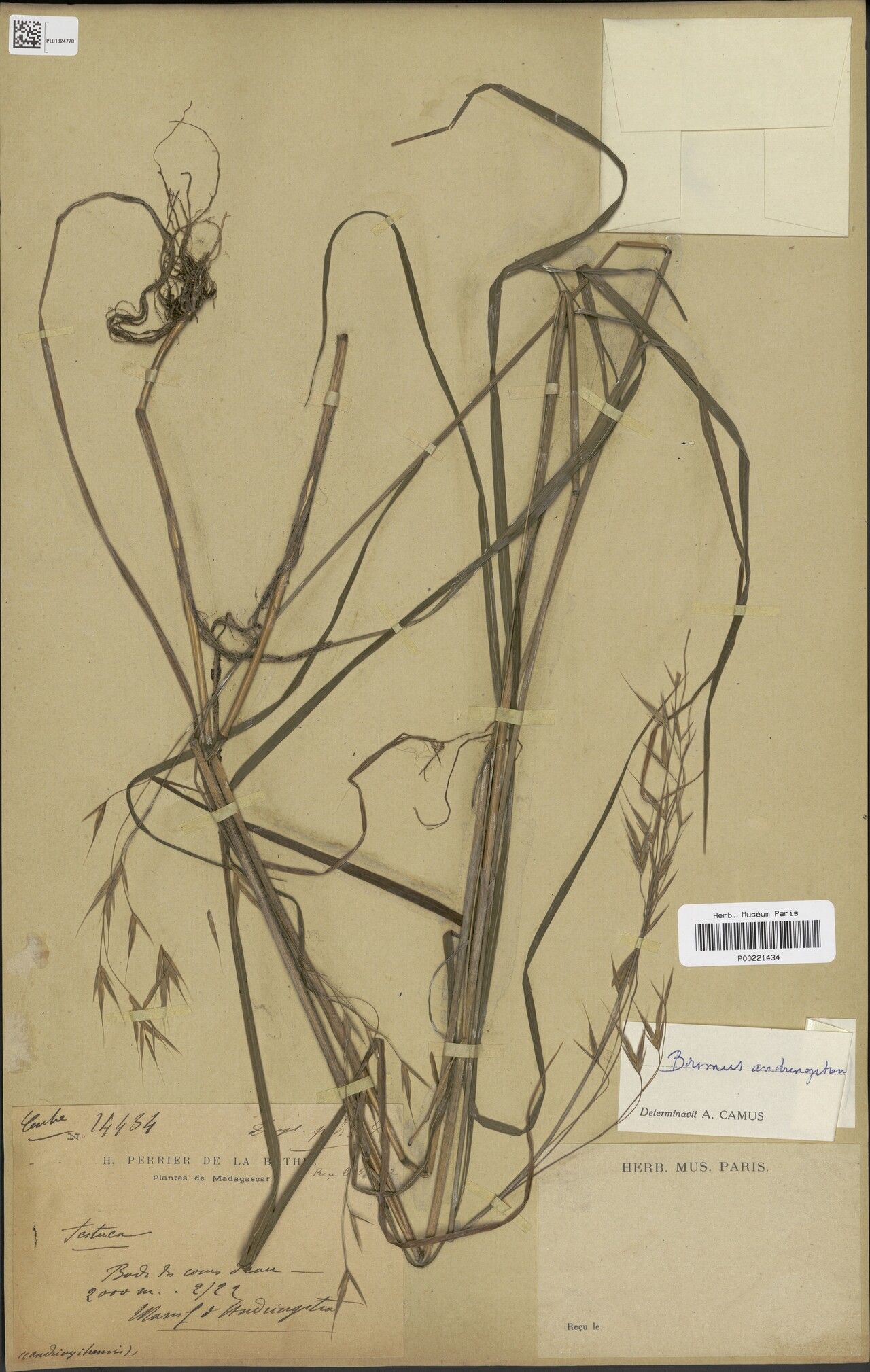
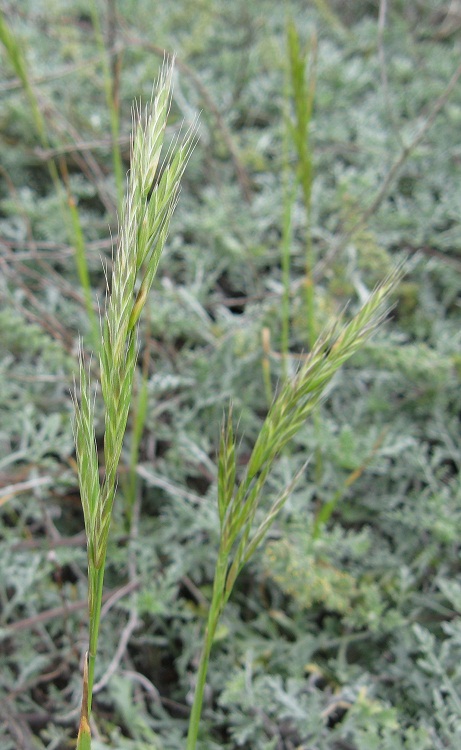
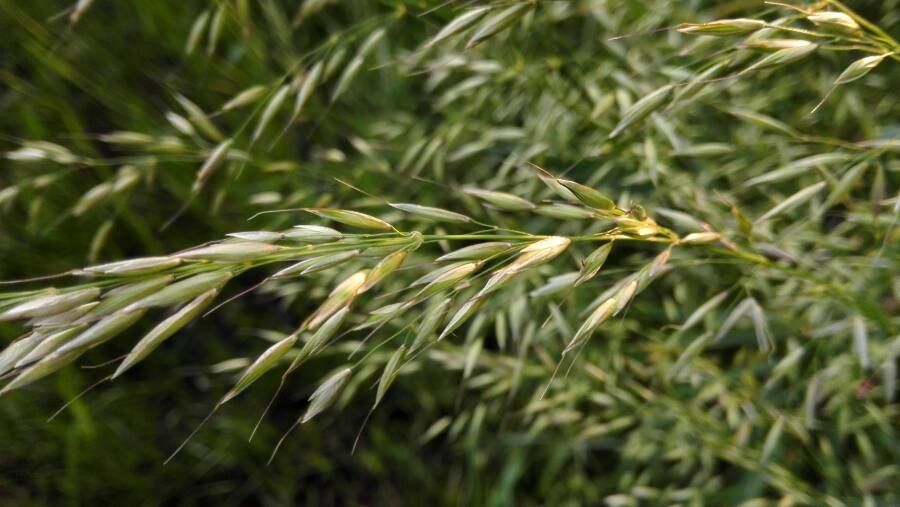
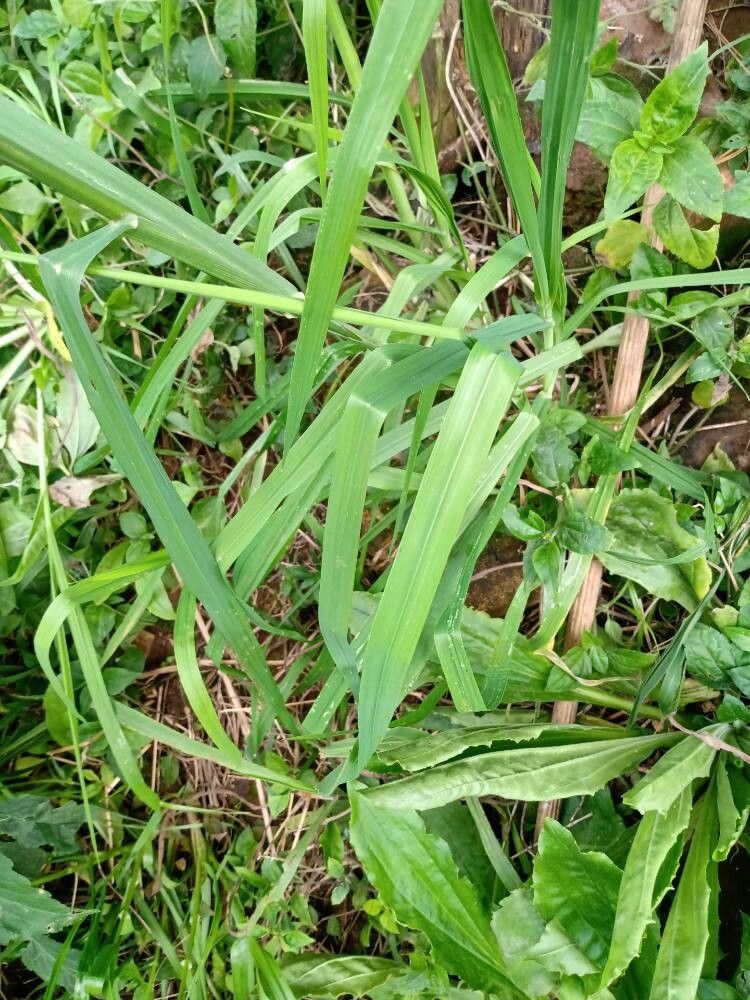
Bromus inermis, commonly known as smooth brome, is a perennial grass species native to Europe and Asia. It has been widely introduced and naturalized in North America as a forage crop and for erosion control. Smooth brome is known for its adaptability to various soil types, including clay soils, and its ability to tolerate drought conditions.
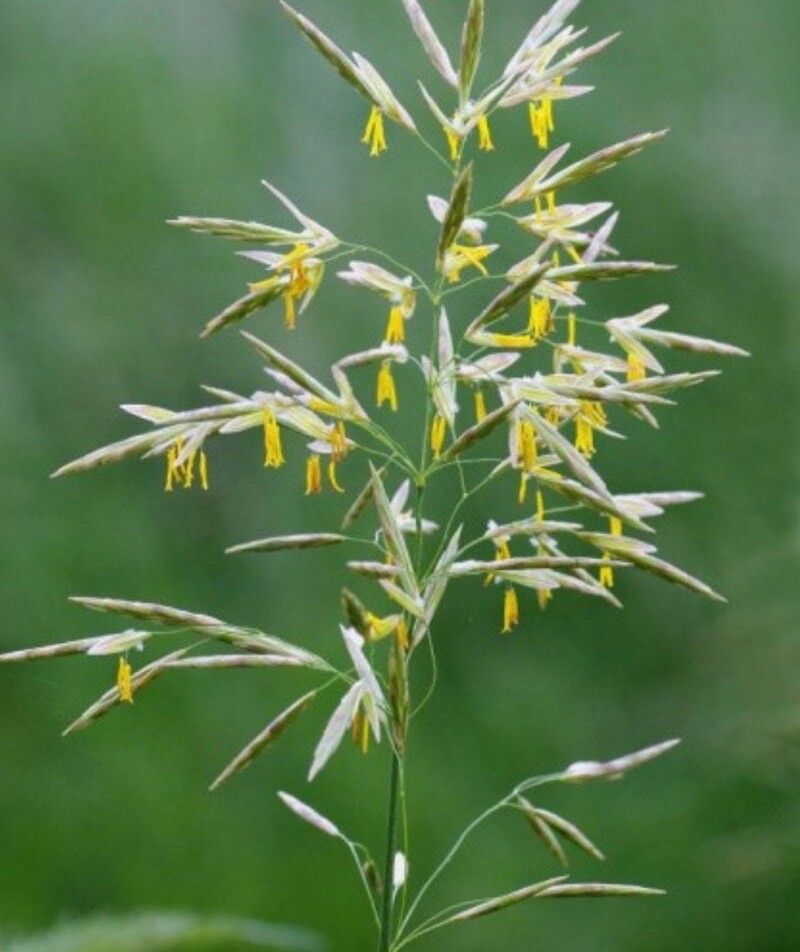
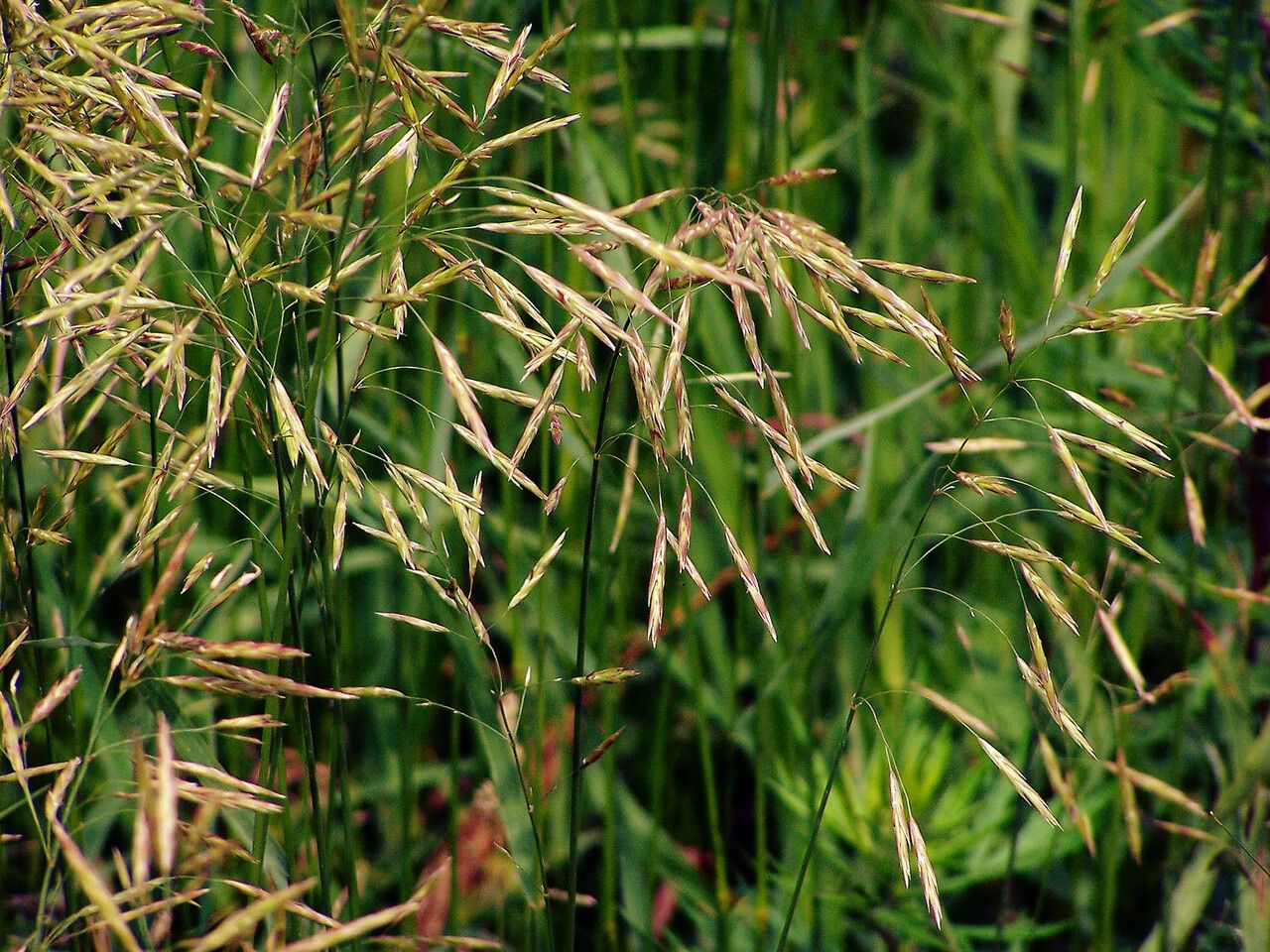
Smooth brome can grow up to 1.5 meters tall with long leaves that are flat or slightly rolled at the base. The plant produces dense panicles of flowers that are green or purplish, blooming from May through July.
This grass is commonly used as a hay crop due to its high yield potential and palatability for livestock. It also serves in soil conservation, thanks to its deep root system, which helps prevent erosion.
While smooth brome can be beneficial when used appropriately, it can also become invasive if not managed properly. Its ability to spread rapidly through rhizomes can lead to it outcompeting native plant species if left unchecked.
Overall, Bromus inermis is an important grass species with both benefits and potential drawbacks, depending on how it is managed within an ecosystem or agricultural system.
Smooth brome has strong disease resistance and is usually not susceptible to diseases. In terms of care, this plant is fairly low-maintenance. Planted outdoors, it needs little watering, and larger specimens normally do not require pruning. Smaller plants, however, should be pruned after they have bloomed. Smooth brome is appropriate for anyone with an outdoor area, such as a garden or deck, and does not demand much plant-care experience.
How to keep Bromus Inermis.
Light
Smooth brome performs best when it receives plenty of sunlight throughout the day, promoting optimal growth. However, it is adaptable and can still grow to some extent with reduced light, since it originates from habitats with varying light conditions. Both too much and too little light can cause weakened health or slower growth.
Water
Smooth brome thrives in temperate regions where the soil maintains consistent moisture without becoming waterlogged. It benefits from weekly watering and adapts well to outdoor conditions, using natural rainfall for growth. As an herbaceous plant, it aligns its growth cycles with the increase in environmental moisture during the growing season.
Temperature
The native temperature requirements for smooth brome are not precise, but it thrives best when temperatures are between 41 and 95 ℉ (5 and 35 ℃). To accommodate seasonal changes, it is recommended to keep conditions within this preferred temperature range.
Fertilizer
Smooth brome needs extra nutrients to encourage healthy new growth. In spring, placing some compost around the plant’s base can effectively supply the nutrition it requires. Fertilizing helps promote vigorous growth and improves the plant’s ability to resist diseases and pests.
Botanical profile.
- Plant Type
- Grass
- Life Cycle
- Perennial
- Genus
- Bromus
- Family
- Poaceae
- Hardiness Zone
- 5-9
- Mature Height
- 46 cm to 91 cm
- Mature Spread
- 46 cm to 76 cm
- Leaf Color
- Green, Blue, Gray
- Leaf Type
- Deciduous
- Flower Color
- Yellow
- Flower Size
- 2.54 cm
- Bloom Time
- Late spring, Early summer, Mid summer
- Planting Time
- Spring
- Harvest Time
- Mid summer
- Native Area
- India, Turkey, Austria, Slovakia, Montenegro, Pakistan, Croatia, Slovenia, Belarus, Uzbekistan, Russia, Estonia, Romania, Latvia, France, Netherlands, Tajikistan, Czech Republic, Bulgaria, Armenia, Poland, Greece, Ukraine, Serbia, China, Lithuania, Afghanistan, Kyrgyzstan, Kazakhstan, Italy, Japan, Mongolia, Azerbaijan, Hungary, Turkmenistan
Other names.
Reader questions.
What should I do if I give my Smooth brome grass too much or too little water?
Proper watering is essential for the performance of this beautiful ornamental grass. When planted in the ground, watering issues can be remedied, but in a container, the wrong amount of water can quickly kill Smooth brome. Insufficient watering may cause it to stop growing, while overwatering can lead to yellow leaves with brown tips. Underwatering can result in drooping leaves, weak seed head production, and browned leaves. If you suspect your Smooth brome has been improperly watered, first determine whether it has received too much or too little water. If overwatered, stop watering immediately and wait for the soil to dry out. Once new growth appears, test the soil moisture and decide whether more water is necessary. If underwatered, simply give the grass a deep drink and observe if it improves. Keep in mind that deep watering is better than frequent shallow waterings, as it promotes deeper root growth, making the grass more resistant to drought and less prone to watering issues.
What are the sunlight requirements for smooth brome?
Smooth brome requires 'Full sun' which means above 6 hours of sunlight daily, or 'Partial sun' about 3-6 hours of sunlight. Observing how sunlight moves through your garden can help in choosing spots that provide the perfect balance of light and shade for smooth brome, ensuring optimal growth. It thrives with ample sunlight exposure throughout the day but is also adaptable to some degree of growth with lesser sunlight, thanks to its origin from environments with varied light exposures.
What are the ideal temperature conditions for growing Smooth Brome?
Smooth Brome thrives best within a temperature range of 41 to 95°F (5 to 35°C), making it adaptable to various seasonal conditions without specific requirements. The plant exhibits strong cold resistance, meaning special frost protection measures are generally not necessary. However, if temperatures are anticipated to fall below -25°C, protective steps should be taken, such as covering the plant with soil or straw. Additionally, watering the plant abundantly before the first freeze in autumn helps ensure the soil remains moist and enters a frozen state, aiding in the prevention of drought and water scarcity during winter and early spring.
How often should I give water to my Smooth brome grass?
The watering needs of Smooth brome grass depend on where it's planted. In general, watering once a week is recommended. In hot climates, watering once or twice a week during summer may be necessary. In moderate climates, watering once every seven days or more might be enough. The watering frequency for grass in containers is usually higher than for grass in the ground. However, the location also matters for Smooth brome, as shaded grasses require less frequent watering compared to in-ground grasses. It's important to water Smooth brome only when the soil is dry. Signs to look for include checking the soil moisture by pressing your finger a couple of inches into the soil. For potted grass, you can also weigh the grass with a portable scale or simply feel the lightness of the pot. Insufficient water may cause the blades of the grass to appear folded and thinner than usual. Despite its drought tolerance, regular and deep waterings will result in a beautiful color. Smooth brome is naturally found in open scrubland where extreme heat, bright sun, and intermittent rain occur. Although it is drought resistant, it still requires care and attention, including consistent water. When first planted, Smooth brome needs more frequent watering until its roots are well-established. Potted Smooth brome dries out quickly, especially in direct sunlight, so the soil should be checked every 3 to 4 days and watered when dry. In-ground Smooth brome generally requires less watering, but this depends on the type of soil. Clay soil can hold moisture below the surface even when it feels dry on top, while sandy soil that drains quickly will need more frequent watering.
How do artificial lights support the growth of indoor plants?
Indoor plants, including smooth brome, require adequate lighting for optimal growth. When natural sunlight is insufficient, particularly during winter or in less sunny spaces, artificial lights provide a vital solution. The right type of artificial light, such as LED lights, can be customized to supply the specific wavelengths your plants need. Full sun plants need 30-50W/sq ft, partial sun plants 20-30W/sq ft, and full shade plants 10-20W/sq ft of artificial light. The light source should be placed 12-36 inches above the plant to mimic natural sunlight, with most plants requiring 8-12 hours of light per day.
How does Smooth Brome handle low temperatures, and what are the solutions if it's too cold?
Smooth Brome is notably cold-tolerant, preferring temperatures to stay above 5°C and can generally withstand winters above -20°C. In situations where temperatures dip below -25°C, the plant may not show immediate damage but could experience reduced sprouting or fail to sprout at all come springtime. The recommended solution for handling these effects of low temperatures is to remove any parts of the plant that have not sprouted in the spring.
What do I need to watch out for when watering my Smooth brome grass at different times of the year, in different weather conditions, or during different stages of growth?
To determine if you are watering enough, pay attention to the rate of growth of your grass. Smooth brome typically doubles in size during the hottest months. If the weather is hot but the grass is not growing well, you may need to adjust your watering schedule. In winter, you can probably water only once a month, but check the soil for moisture. During the warmest months, the grass requires more water than usual, while in winter and cooler months, the water requirement is significantly lower. Remember that the soil for Smooth brome should always be completely dry before watering.
What are the signs of inadequate lighting for smooth brome?
When smooth brome is grown in rooms with inadequate lighting, it may not immediately show signs of light deficiency. However, potential symptoms include small leaves, leggy or sparse growth, faster leaf drop, slower or no new growth, lighter-colored new leaves, indicating a lack of chlorophyll and essential nutrients. Additionally, it might experience chlorosis (leaves turning yellow due to the breakdown of chlorophyll), sunscald, leaf curling as a defense mechanism against extreme sunlight, wilting from excessive water loss, and leaf scorching.
What should be done if Smooth Brome is exposed to high temperatures?
During the summer months, it's important to ensure that temperatures around Smooth Brome do not exceed 35°C. Exposure to temperatures above 38°C can lead to the plant's leaves becoming lighter, curling, and potentially suffering from sunburn. In severe cases, the entire plant might wilt or become dry. To combat this, sunburned or dried parts should be trimmed away. The plant should be moved to a shady location or covered with a shade cloth to protect it from the midday and afternoon sun. Maintaining soil moisture by watering the plant in the morning and evening is also crucial.
How can I ensure my smooth brome receives enough sunlight?
To ensure smooth brome receives enough sunlight, gradually move plants to a sunnier location each week, aiming for at least 6 hours of direct sunlight daily. For indoor plants, use a south-facing window and keep curtains open during the day, or use artificial light if the plant is large or not easily movable. For outdoor plants, avoid sudden and drastic changes in light intensity to prevent sunburn. Minimize obstructions by pruning obstructive branches or leaves and consider transplanting smaller plants to sunnier locations during their dormant periods for better sunlight exposure and drainage.