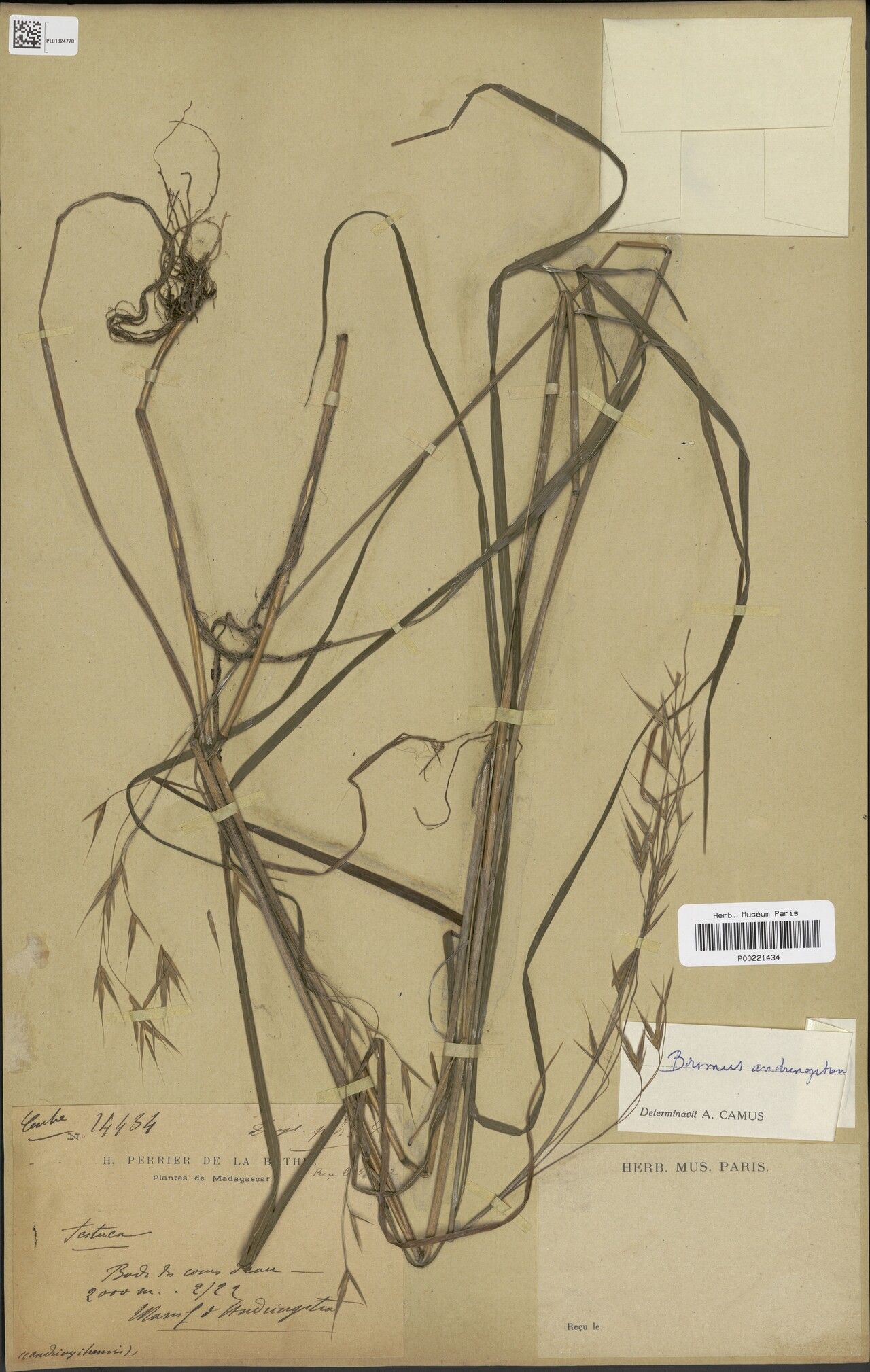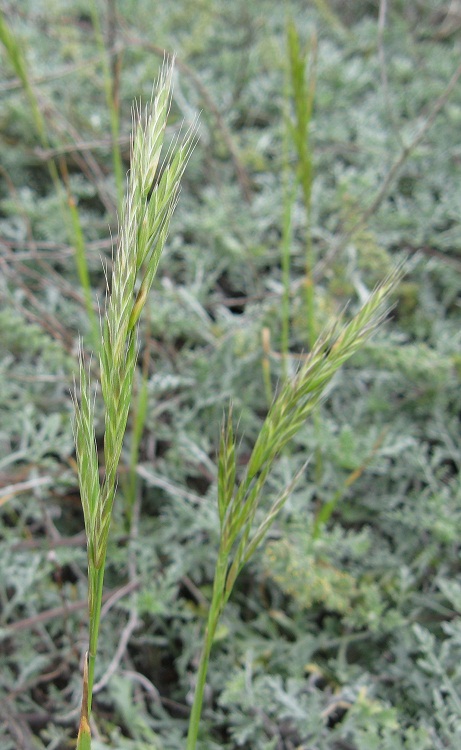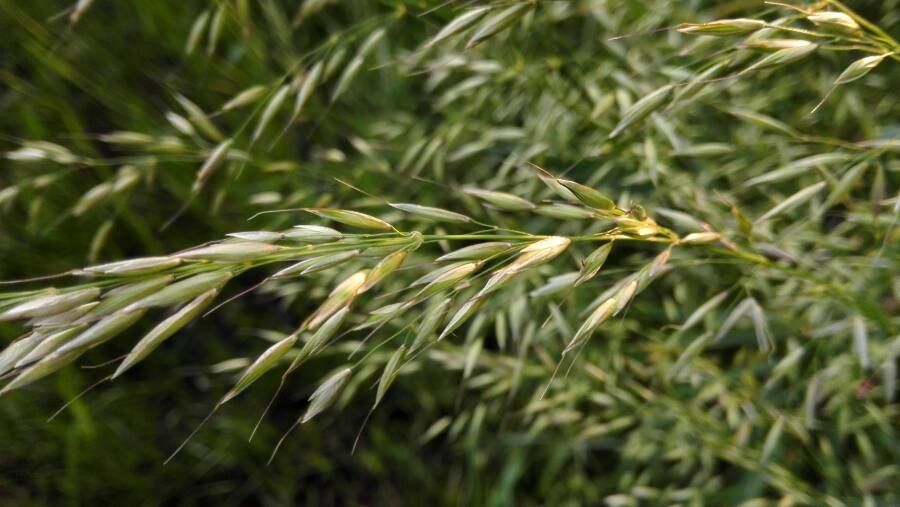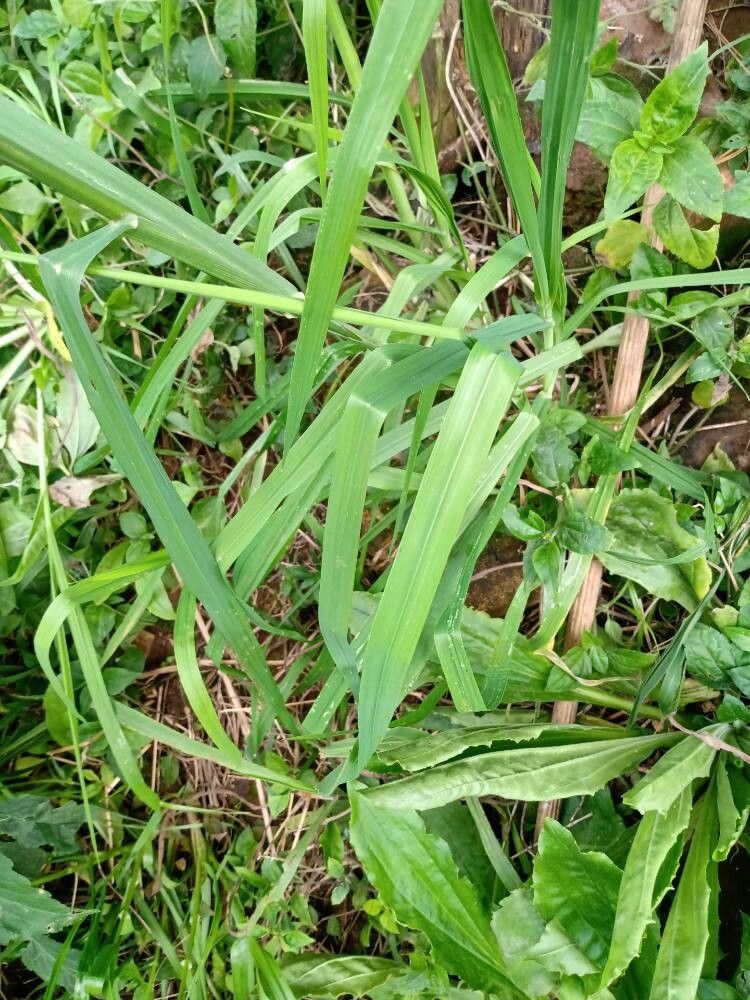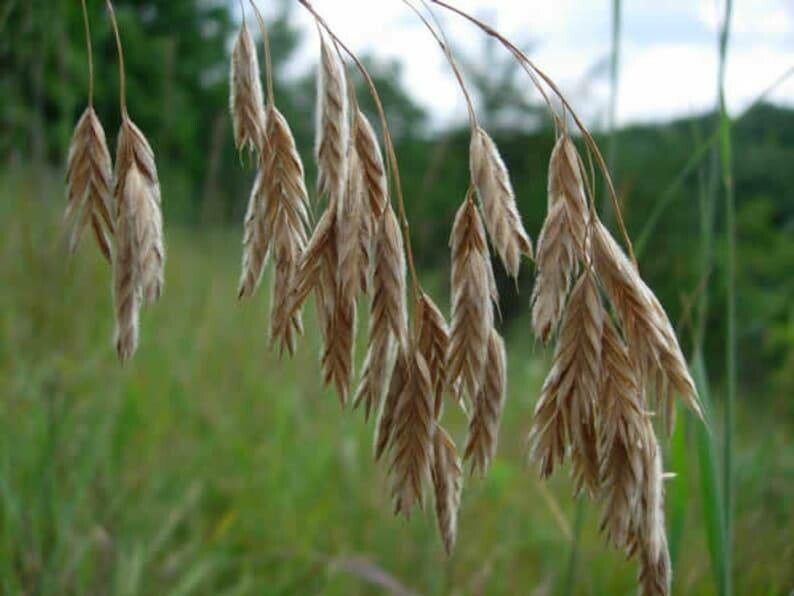
Bromus kalmii, Kalm's brome, is a species of brome grass. It is a native bunchgrass in the North-central and Northeastern United States, the Great Lakes region, and eastern Canada. The specific epithet kalmii refers to its discoverer Pehr Kalm.
Arctic brome is disease-resistant and generally not prone to illnesses. However, it can be affected by pests and diseases present in its surroundings. These outbreaks are typically mild. Regarding care, the plant needs a moderate level of maintenance. It should be pruned regularly to preserve a tidy appearance and support healthy growth. Fertilizing can also encourage flowering. Arctic brome is suitable for those with outdoor spaces like a garden or patio and does not demand extensive experience in plant care. It may need extra attention if grown indoors.
How to keep Bromus Kalmii.
Light
The arctic brome flourishes with an abundance of sunlight during the day. It's capable of surviving in environments with reasonable sunlight, but its growth might be less robust. In the wild, arctic brome typically thrives under full sun, contributing to strong and robust growth. Too much sun could cause it to wilt, while lack of sufficient light might hinder its development.
Water
Thriving in cool climates, arctic brome flourishes with consistent watering, ideally once a week, while avoiding over-saturation. It adapts well to seasonal changes in precipitation, making it resilient to fluctuations in water availability. Primarily grown outdoors, arctic brome requires a balance between drought resistance and prevention of waterlogging.
Temperature
Arctic brome thrives best in cooler environments, ideally between 32 and 75 degrees Fahrenheit (0 to 25 degrees Celsius). Despite its toughness, additional safeguards, like providing shade or relocating the plant inside, may be required in conditions of extreme heat or cold.
Fertilizer
Typically, a single dose of fertilizer in the spring is enough for Arctic brome. However, to optimize growth, it can be beneficial to fertilize more frequently, around once every 30 to 45 days. Fertilizing not only improves the look and performance of the leaves, ensuring stable color and a healthy feel but also encourages the growth of the roots and the absorption of nutrients, which is essential for the prolonged wellbeing of the plant.
Pruning
Arctic brome thrives in cooler climates and requires careful pruning to maintain its health. Important techniques include removing dead stems and thinning clusters to improve air circulation. The best time to prune is in early spring when it promotes robust growth. Be sure to use clean, sharp tools to prevent the spread of disease.
Botanical profile.
- Plant Type
- Herb
- Life Cycle
- Perennial
- Genus
- Bromus
- Family
- Poaceae
- Hardiness Zone
- 3
- Mature Height
- 0.52 m to 1.07 m
- Mature Spread
- 30 cm to 46 cm
- Leaf Color
- Green
- Leaf Type
- Semi-evergreen
- Flower Size
- 2.54 cm
- Bloom Time
- Early summer, Mid summer
- Planting Time
- Spring, Summer
- Harvest Time
- Late summer, Early fall