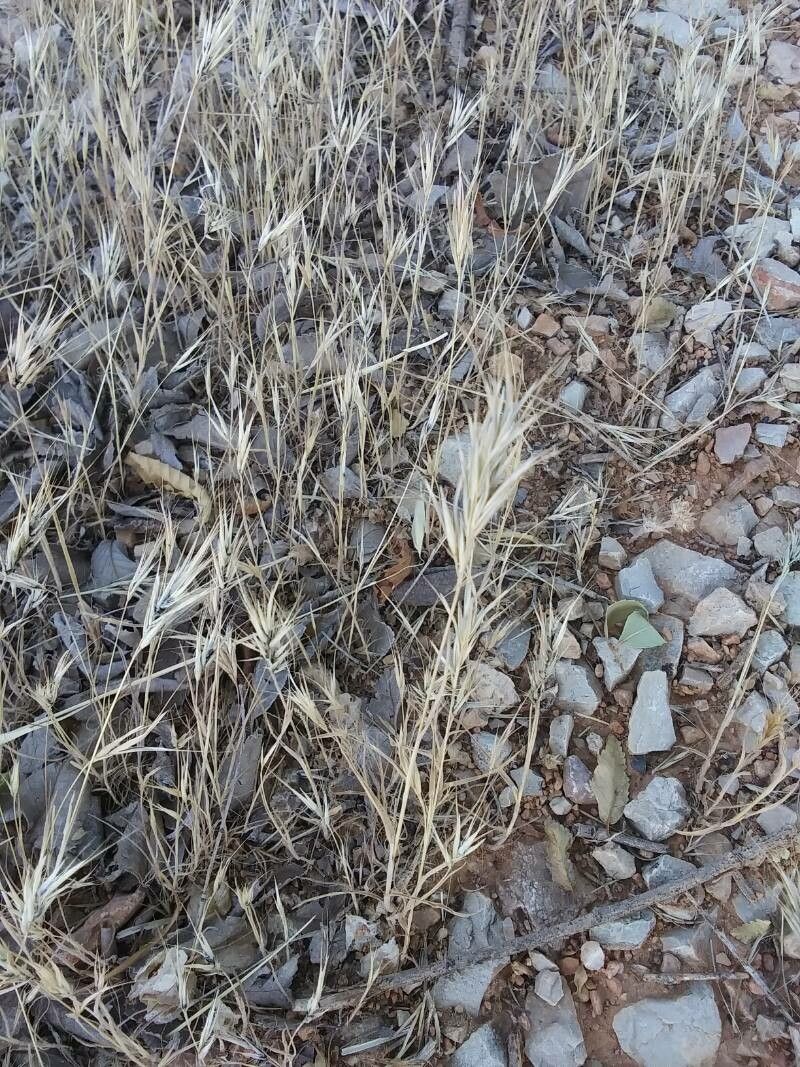
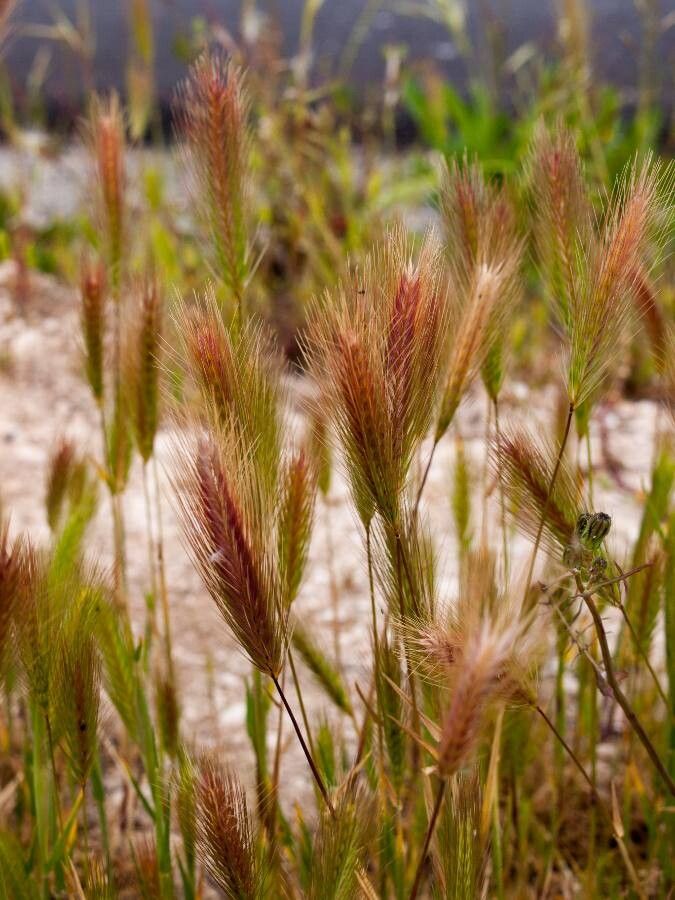
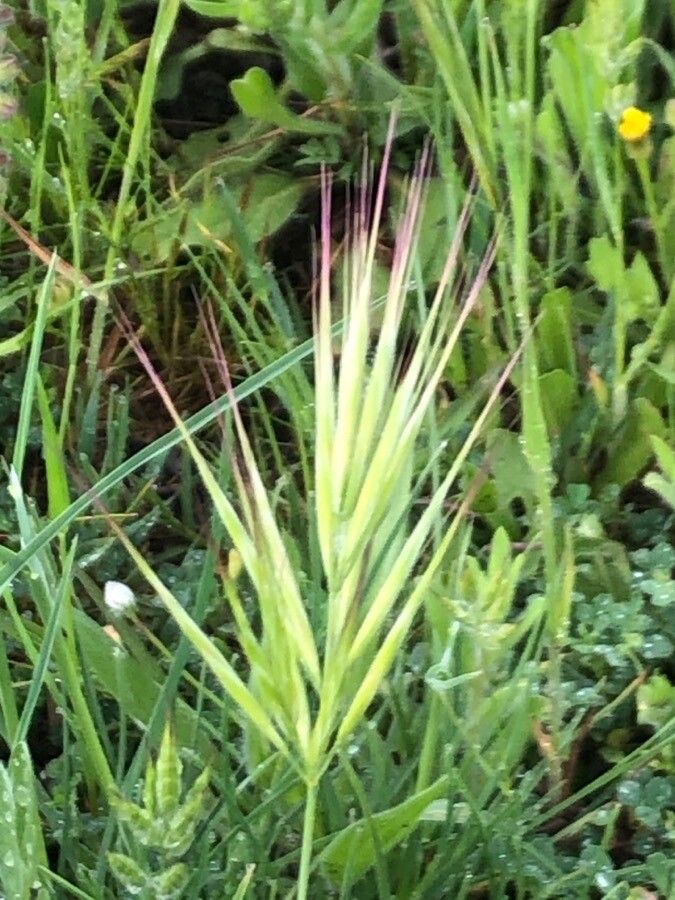
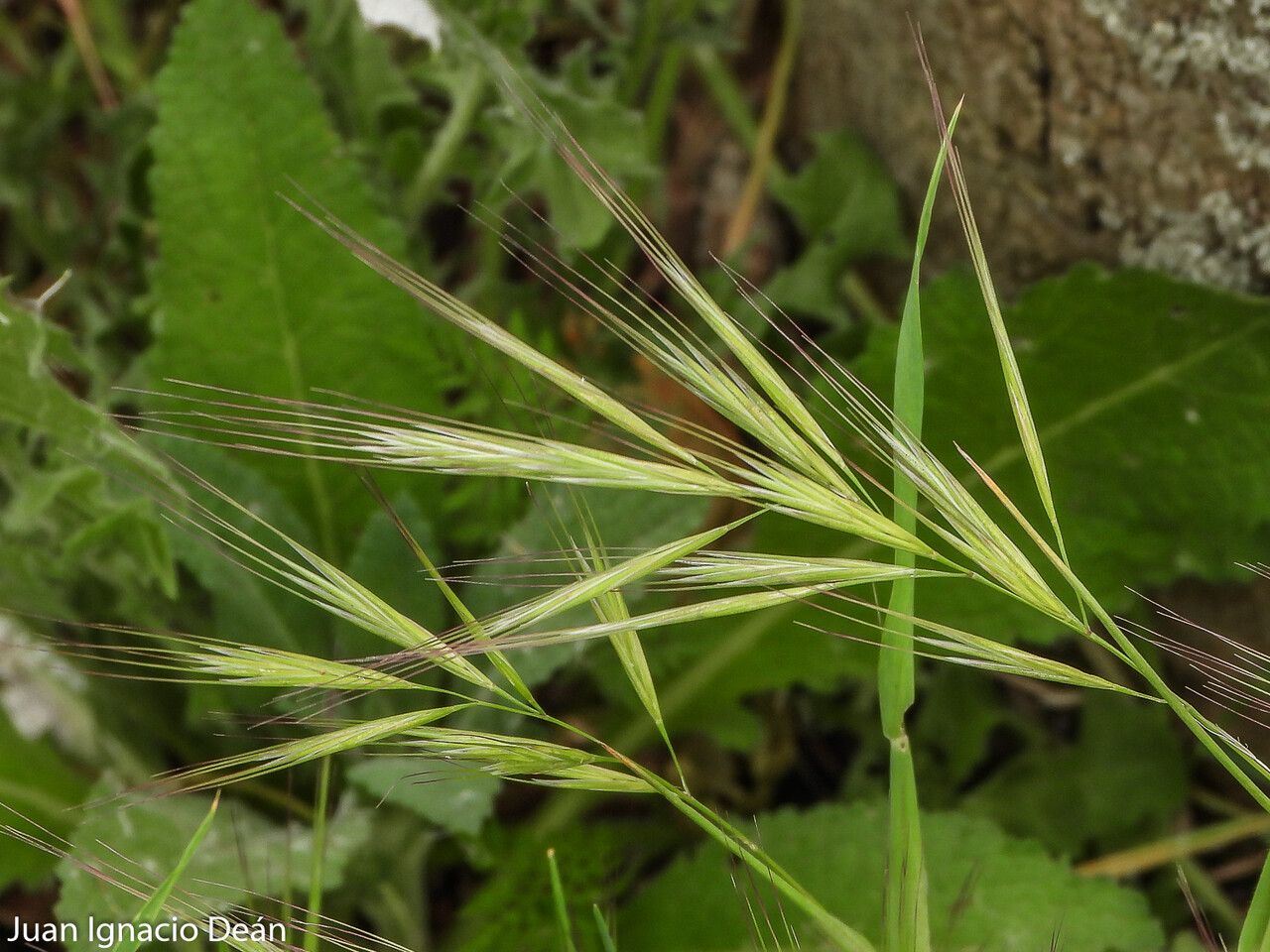
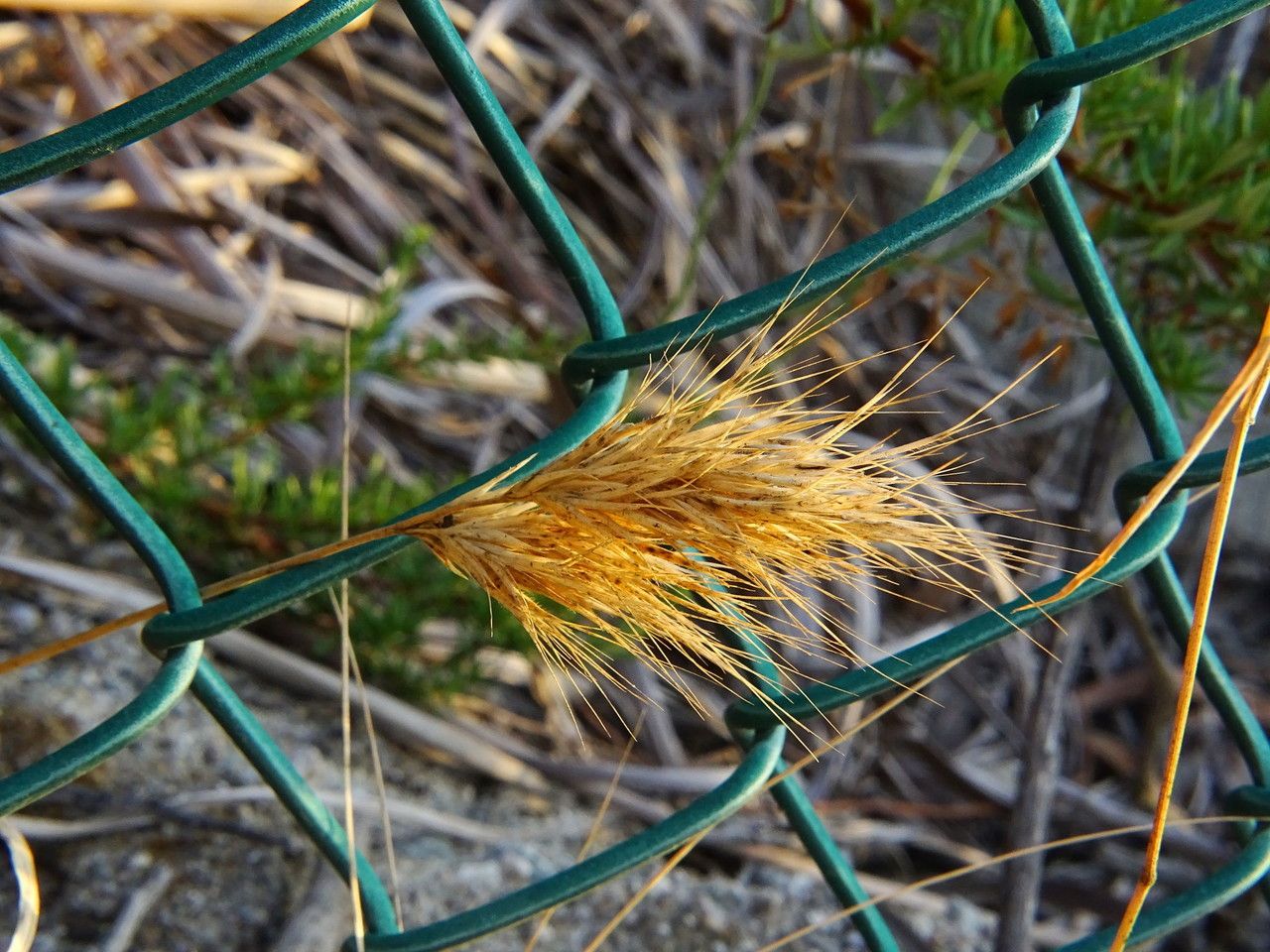
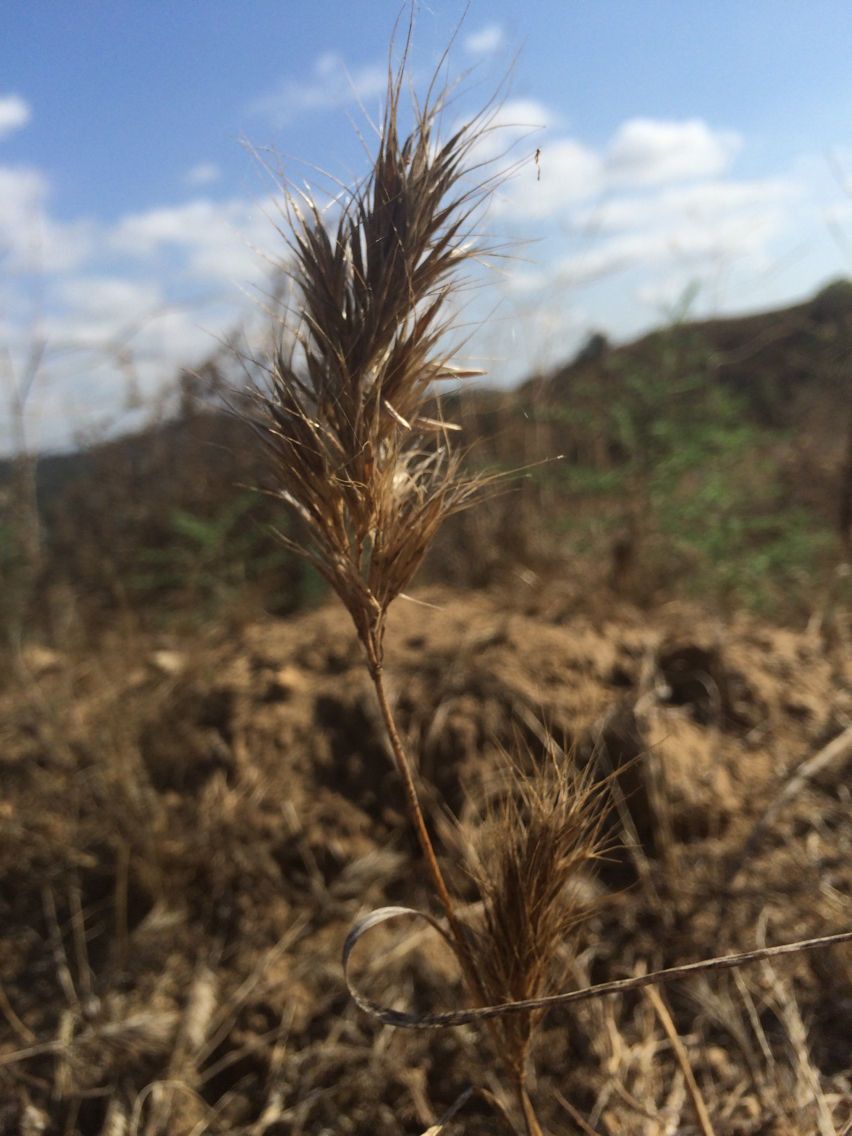
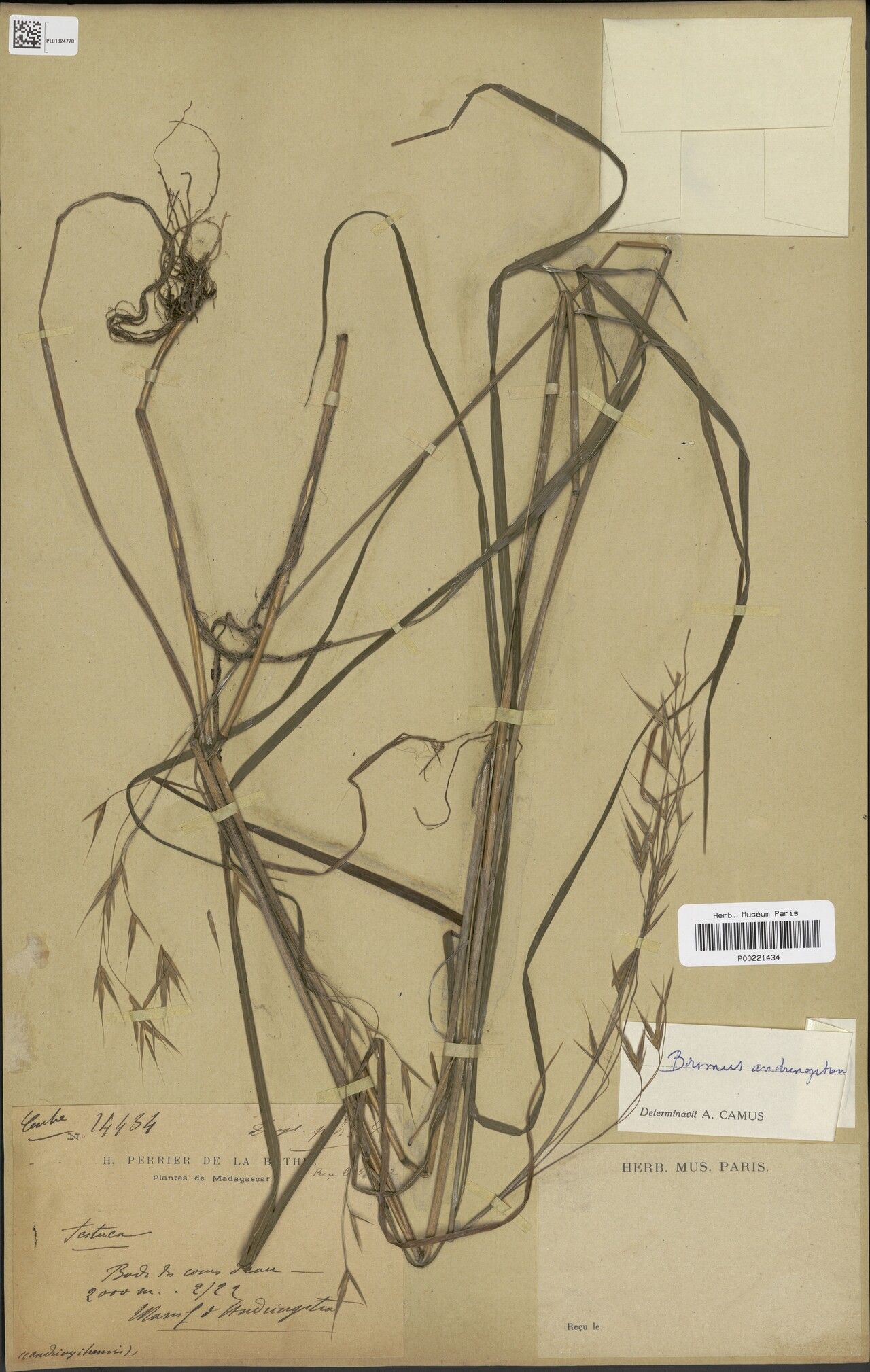
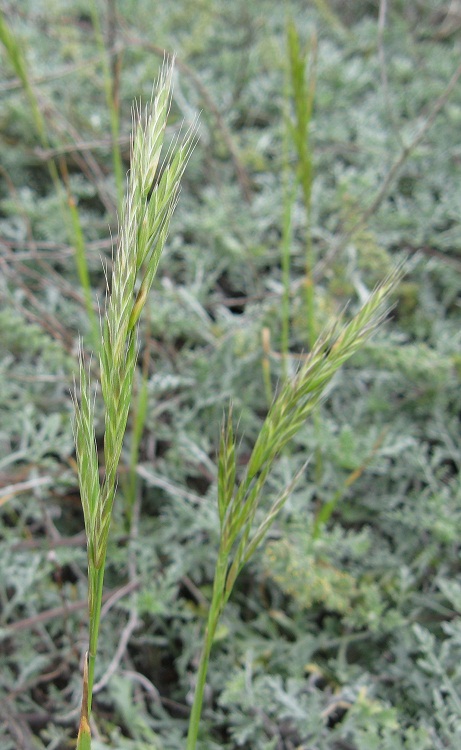
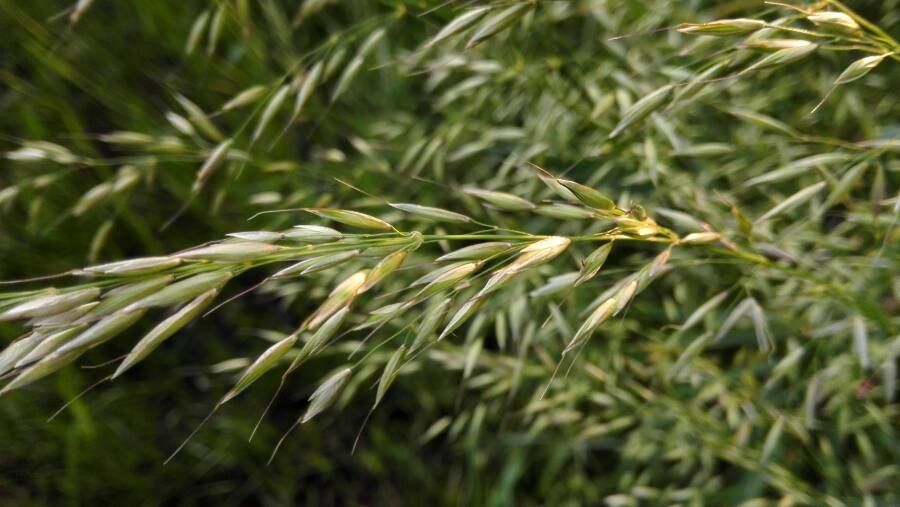
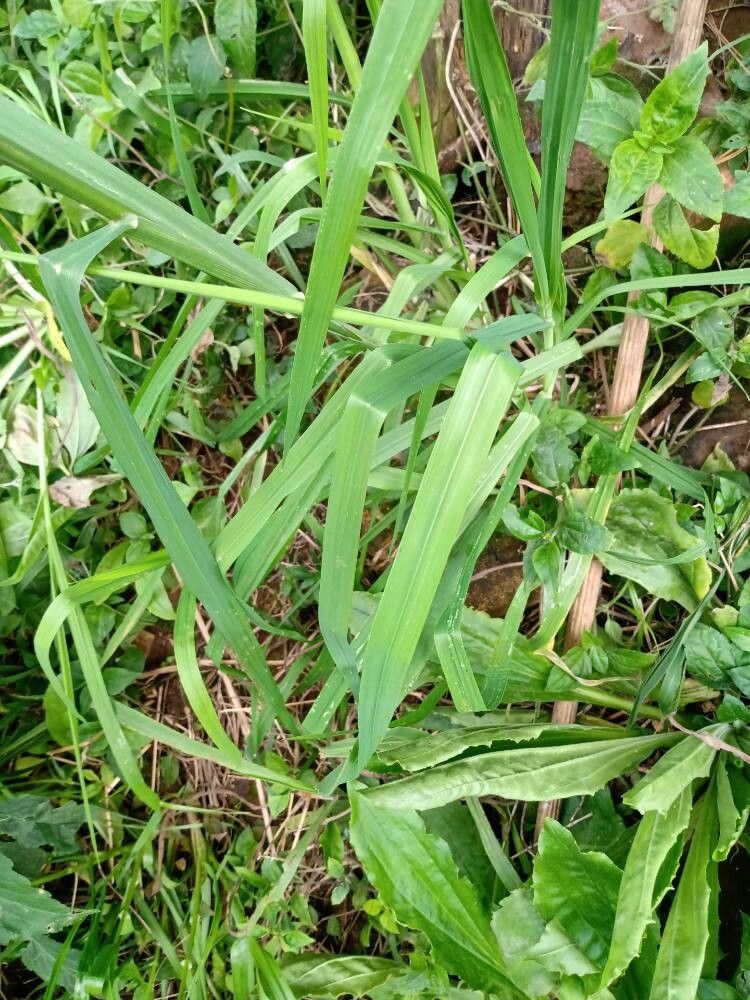
Bromus madritensis is a species of brome grass known by the common name compact brome. The specific epithet madritensis refers to Madrid, Spain. It has a diploid number of 28. There are two subspecies:
Bromus madritensis subsp. madritensis: panicles less dense, stem and leaf sheath less hairy Bromus madritensis subsp. rubens (syn. Bromus rubens) – foxtail brome, foxtail chess, red brome: dense panicles and slightly hairy stems
Compact brome generally shows good resistance to disease and is not usually prone to illnesses. Still, it can be vulnerable to pests and diseases present in its environment, though such infections are typically mild. Regarding upkeep, this plant requires moderate maintenance. It should be trimmed regularly to preserve an attractive appearance and healthy growth, and applying fertilizer can aid in encouraging blooms. Compact brome is appropriate for anyone with outdoor space, like a garden or patio, and does not demand extensive gardening experience. It can need more attention if cultivated indoors.
How to keep Bromus Madritensis.
Light
Compact brome comes from bright, open habitats and performs best in full sun. It will tolerate partial shade but favors direct sunlight for optimal growth. This plant, which may be annual or biennial, is noted for its sun-loving habit.
Water
Compact brome originates from the Mediterranean region, where it thrives in areas with moderate rainfall and balanced moisture levels. To keep this plant healthy, it requires regular watering, approximately once a week. When grown outdoors in temperate zones, it benefits from rainwater during the growing season, which helps enhance its resilience.
Temperature
Compact brome can adjust to a wide range of temperatures, though its distribution can still be restricted by different combinations of water availability and heat. It does best in warm summer conditions with adequate rainfall or irrigation. Extended stretches of cloudy, rainy weather, as well as prolonged high temperatures, increase the risk of Compact brome dying. In winter, suitable protection from cold can enhance the plant's chances of survival.
Fertilizer
Compact brome benefits from regular, light applications of fertilizer to encourage healthy leaf development. Fertilize Compact brome about once a month during the summer. Nitrogen is essential for foliage, and adding nitrogen-rich sources helps Compact brome thrive.
Pruning
Compact brome benefits from pruning at the right time in early to mid-spring. This helps remove dead stems and promotes healthy growth. Regular thinning also improves airflow, which reduces the risk of disease. However, heavy pruning in late summer or fall can disrupt the plant's dormancy. Using proper pruning techniques helps maintain the plant's shape and encourages blooming.
Botanical profile.
- Plant Type
- Herb
- Life Cycle
- Annual
- Genus
- Bromus
- Family
- Poaceae
- Hardiness Zone
- 7-10
- Mature Height
- 20 cm to 61 cm
- Mature Spread
- 20 cm to 30 cm
- Leaf Color
- Green
- Leaf Type
- Semi-evergreen
- Flower Color
- Yellow, Green, Purple, Brown
- Flower Size
- 2.03 cm to 6.35 cm
- Bloom Time
- Mid spring, Late spring
- Planting Time
- Spring, Summer
- Harvest Time
- Late spring, Early summer
- Native Area
- Libya, Turkey, Morocco, Iraq, Jordan, Portugal, France, Saudi Arabia, Bulgaria, Greece, Ukraine, Lebanon, Afghanistan, Syria, Italy, Spain, Israel, Iran, Albania, Algeria
Other names.
Reader questions.
How should I water my Compact brome?
When watering Compact brome, you have several options for watering tools such as a garden hose with a spray nozzle or a watering can. Compact brome is not too particular about the water source, whether it's rainwater, tap water, or filtered water. However, it's best to avoid overhead watering as it can harm the leaves and flowers and potentially cause disease. A drip irrigation system is often the most effective way to water Compact brome since it evenly delivers water directly to the soil. If you have a container-grown Compact brome, you can use a cup, watering can, or tap water to water it directly at the soil.
What are the sunlight requirements for Compact Brome?
Compact brome, including its varieties like Bromus madritensis, thrives best in environments that mimic its native habitat, which is characterized by bright, open spaces receiving full sun. For optimal growth, it requires more than 6 hours of direct sunlight a day (full sun). However, it can also tolerate partial sun conditions, where it would receive about 3-6 hours of sunlight daily. It's crucial to observe how sunlight moves through your garden to find the perfect balance of light and shade for your plants, promoting their health and happiness.
What should I do if I give my Compact brome grass too much or too little water?
To ensure healthy growth of Compact brome, it is important to address both underwatering and overwatering. If you notice that your plant is lacking moisture, simply water it more frequently. On the other hand, overwatering can be a more serious issue, as it can lead to diseases and the eventual decline and death of the plant. To prevent overwatering, choose a proper location for growth that receives ample sunlight, allowing the soil to dry out, and has good drainage to avoid water accumulation. If you have overwatered Compact brome in a pot, consider transferring it to a new pot with better drainage. When repotting, use loose soil and a pot that drains efficiently.
How can artificial lighting be used for indoor Compact Brome plants?
For Compact Brome plants growing indoors where natural sunlight may be insufficient, especially during winter or in less sunny interior spaces, artificial lighting can be an effective solution. Indoor plants benefit significantly from adequate lighting for healthy growth. LED lights are a popular choice, as they can be customized to provide specific wavelengths needed by your plants. For full sun plants, an intensity of 30-50W per square foot is recommended, partial sun plants require 20-30W per square foot, while full shade plants need 10-20W per square foot. The light source should be placed 12-36 inches above the plant to mimic natural sunlight, and the duration should parallel natural daylight hours, generally 8-12 hours per day, depending on the plant species.
How often do I need to water my Compact brome?
Compact brome requires regular watering throughout the growing season. In spring, water the plant once per week, but adjust to watering two to three times per week as the season gets warmer. Be careful not to exceed this frequency as it can harm the plant. Regardless of watering frequency, ensure that the soil is moist but not overly wet. If growing Compact brome in a pot, increase watering frequency as the soil in pots dries out faster. Typically, water container-grown Compact brome a few times per week, compared to once per week for plants in the ground.
What are the signs of inadequate light for Compact Brome, and how is its health impacted?
When Compact Brome does not receive adequate light, especially if grown indoors, several symptoms can manifest indicating light deficiency. These include the development of smaller new leaves, leggy or sparse growth with increased spacing between leaves or stems, premature leaf drop to conserve resources, slowed or completely halted growth, paler new leaves indicating a lack of chlorophyll, and conditions such as chlorosis where leaves yellow due to chlorophyll breakdown. Sunscald, leaf curling, wilting, and leaf scorching are also possible and indicate exposure to excessive sunlight. Each of these symptoms affects the plant's ability to photosynthesize effectively, leading to poor health and reduced growth.
How much water does my Compact brome grass require?
Determining the right amount of water for your Compact brome can be done in a few ways. Some gardeners prefer to gauge soil moisture by feeling it, aiming to moisten the top six inches of soil. Another approach is to use a set measurement, such as giving about two gallons per week, depending on factors like heat and soil dryness. However, sticking to rigid guidelines may result in overwatering if the plant needs less. When growing Compact brome in a container, a different method is needed. Watering should be enough to moisten all dry soil layers, which can be tested by feeling the soil with your finger or observing a slight trickle of water from the pot's drainage holes.
What solutions can help manage light conditions for Compact Brome?
For Compact Brome struggling with light conditions, several strategies can aid in ensuring optimal growth. Indoors, if plants are not receiving at least 6 hours of direct sunlight daily, gradually move them to a sunnier spot, such as near a south-facing window, or use artificial lighting like desk or ceiling lamps or professional plant grow lights for at least 8 hours daily. Outdoors, it's crucial to gradually acclimatize plants to sunnier spots to avoid sunburn, making such adjustments weekly. If trees or other elements block sunlight, consider pruning to improve exposure. For smaller plants, transplanting them during their dormant period to a location with better sunlight and drainage can be beneficial. Remember that parts of the plant damaged by insufficient light may not fully recover, but new growth should be healthy with proper light exposure.
How do I know if I'm giving enough water to my Compact brome?
Avoiding overwatering your Compact brome can be challenging due to conflicting needs. On one hand, these plants have deep roots that require weekly moisture. On the other hand, they are highly prone to root rot and may develop browning due to excessive watering. Underwatering is less of a concern as Compact brome can survive without additional watering for some time. However, prolonged water deprivation can cause wilting and dry leaves.
How do I water my Compact brome grass during different seasons?
As the season progresses, you can expect your Compact brome's water needs to increase. In the spring, watering once per week should be sufficient. However, as the summer heat arrives, you may need to give your Compact brome a bit more water, increasing to about three times per week. This is especially important for Compact brome that are grown in containers since container soil tends to dry out faster in warm weather. In autumn, when your Compact brome is still blooming, it may require less water as the temperature has likely dropped and the sun is not as intense as it was in the summer.
How should I water my Compact brome plant at different stages of its growth?
Compact brome goes through different growth stages throughout the year, and each stage may require varying amounts of water. When you start with Compact brome as a seed, it's important to provide more water initially, as the seed germinates. This means watering often enough to keep the soil consistently moist. Once the seedling emerges from the soil after a few weeks, it will require slightly less water. Once the plant reaches maturity, you can water it about once a week. During the flower development stage, you may need to increase the water slightly to help with the process.
What's the difference between watering Compact brome inside and outside?
Most Compact brome prefer to grow outdoors rather than indoors for several reasons. Firstly, these plants tend to grow tall, making them more suitable for outdoor spaces. Secondly, Compact brome requires a greater amount of daily sunlight than most indoor locations can offer. However, if you are able to provide an appropriate indoor growing environment, you may need to water your Compact brome more frequently compared to outdoor growing. This is partly because indoor settings are generally drier due to HVAC units, and also because soil in containers can dry out more quickly than soil in the ground.