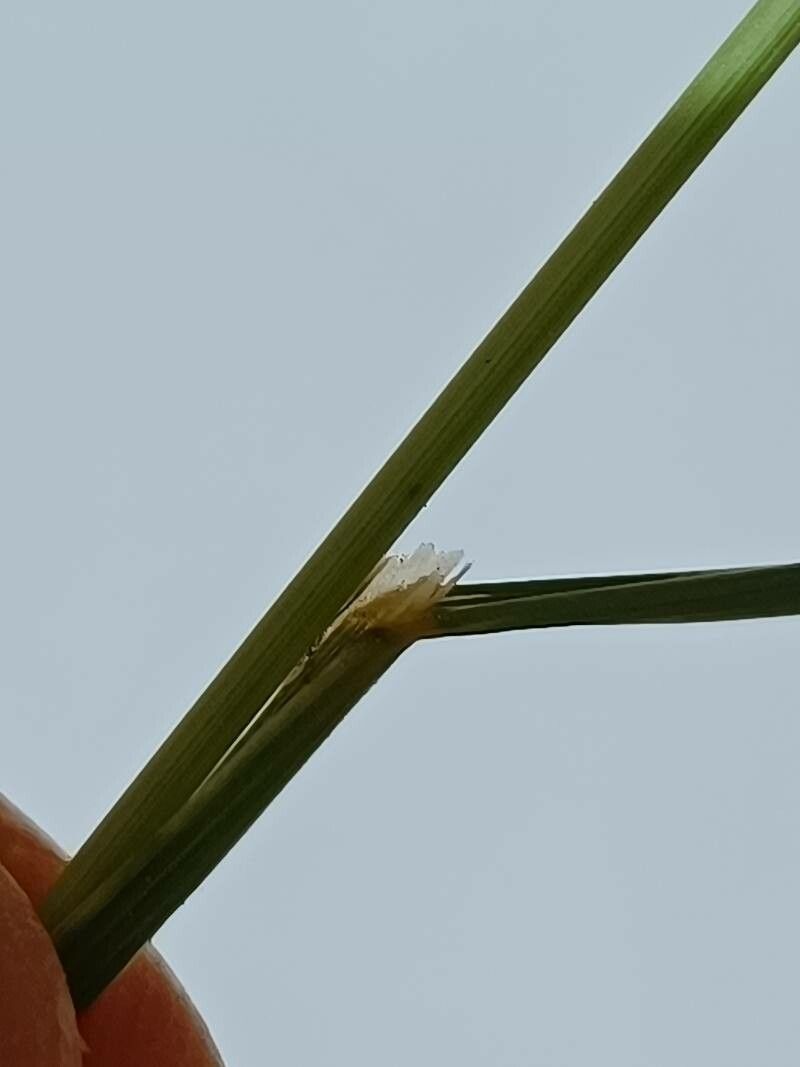
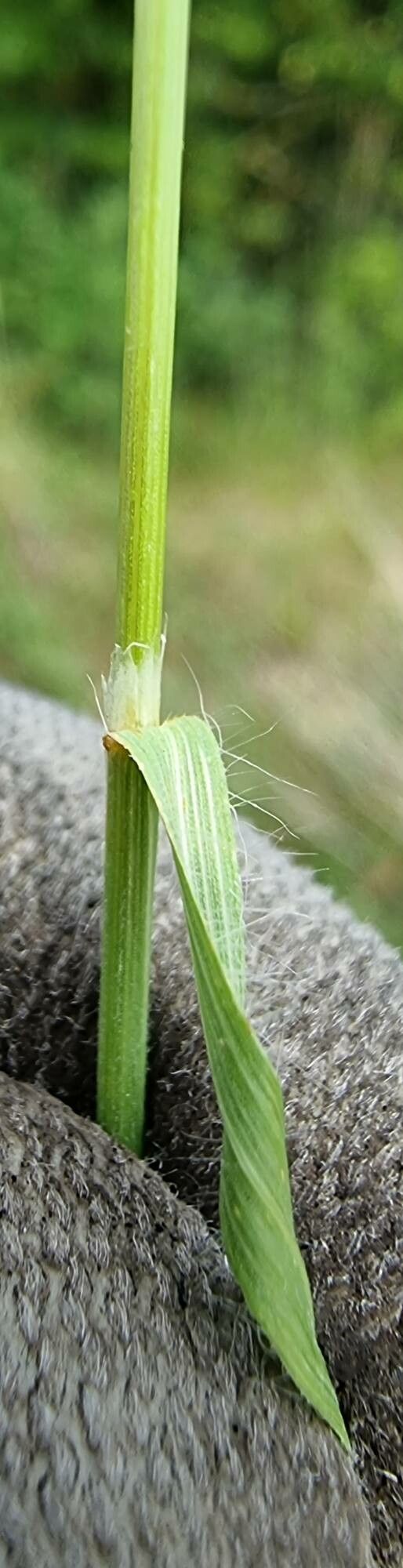
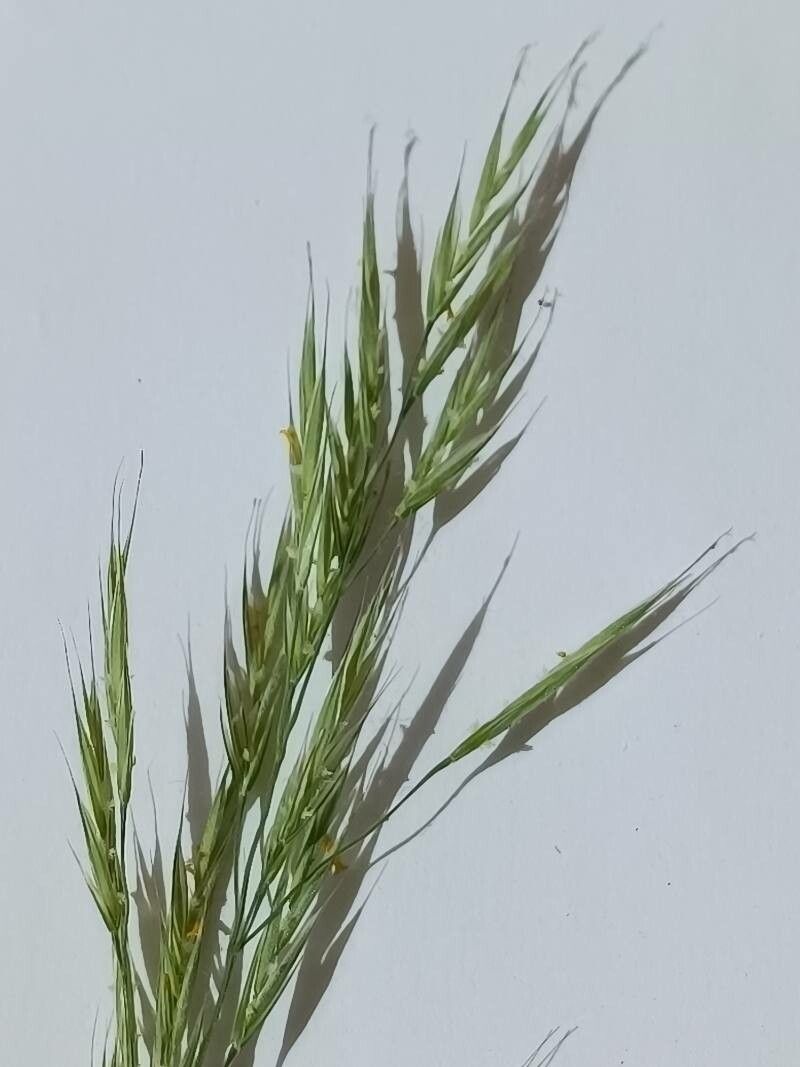
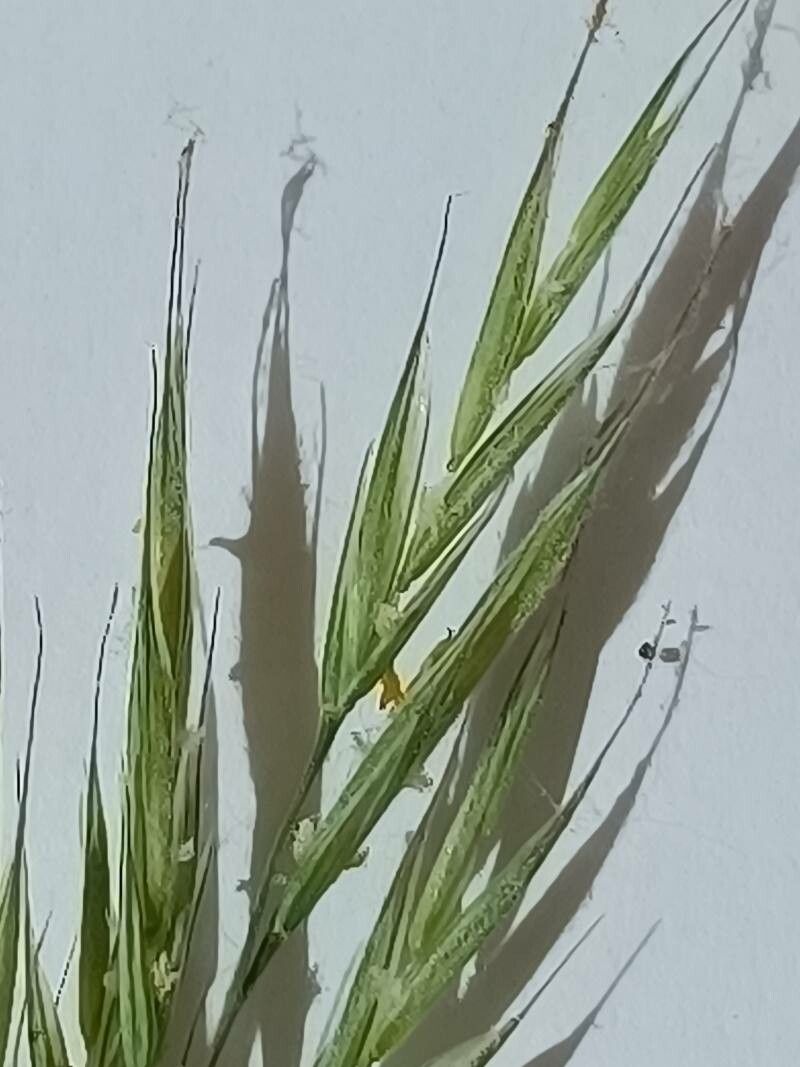
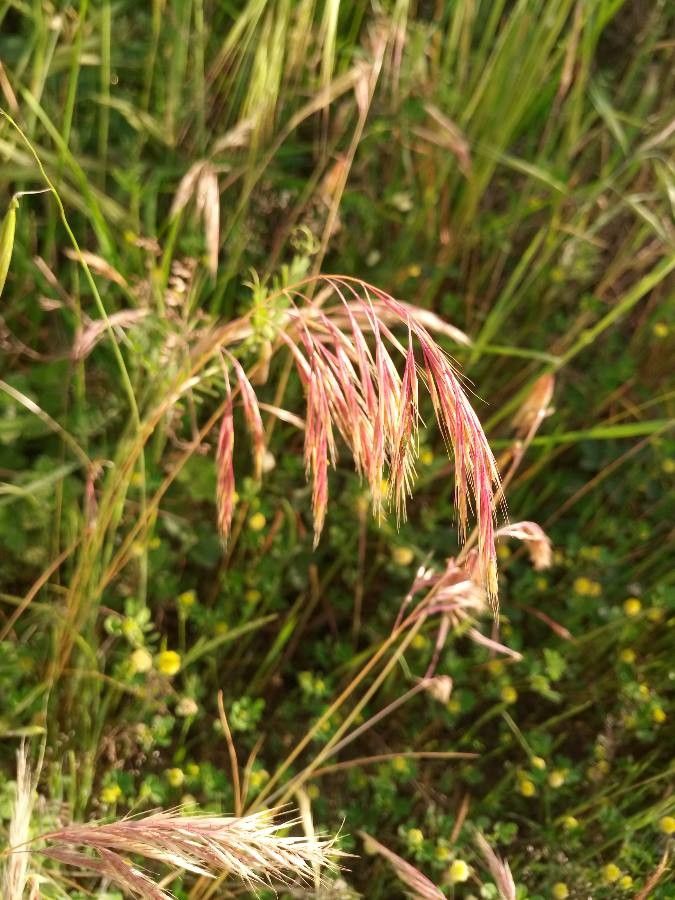
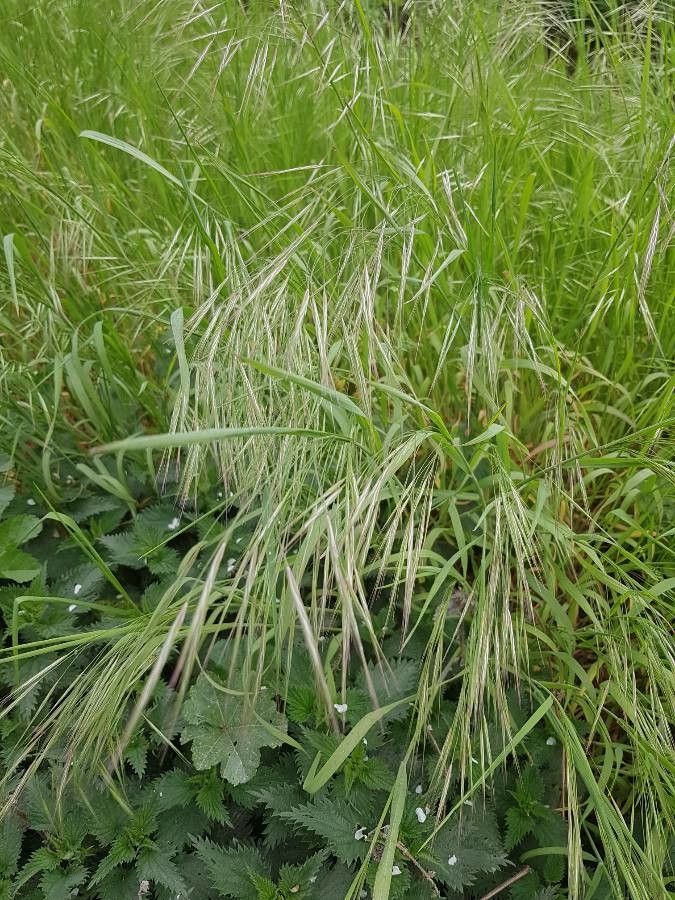
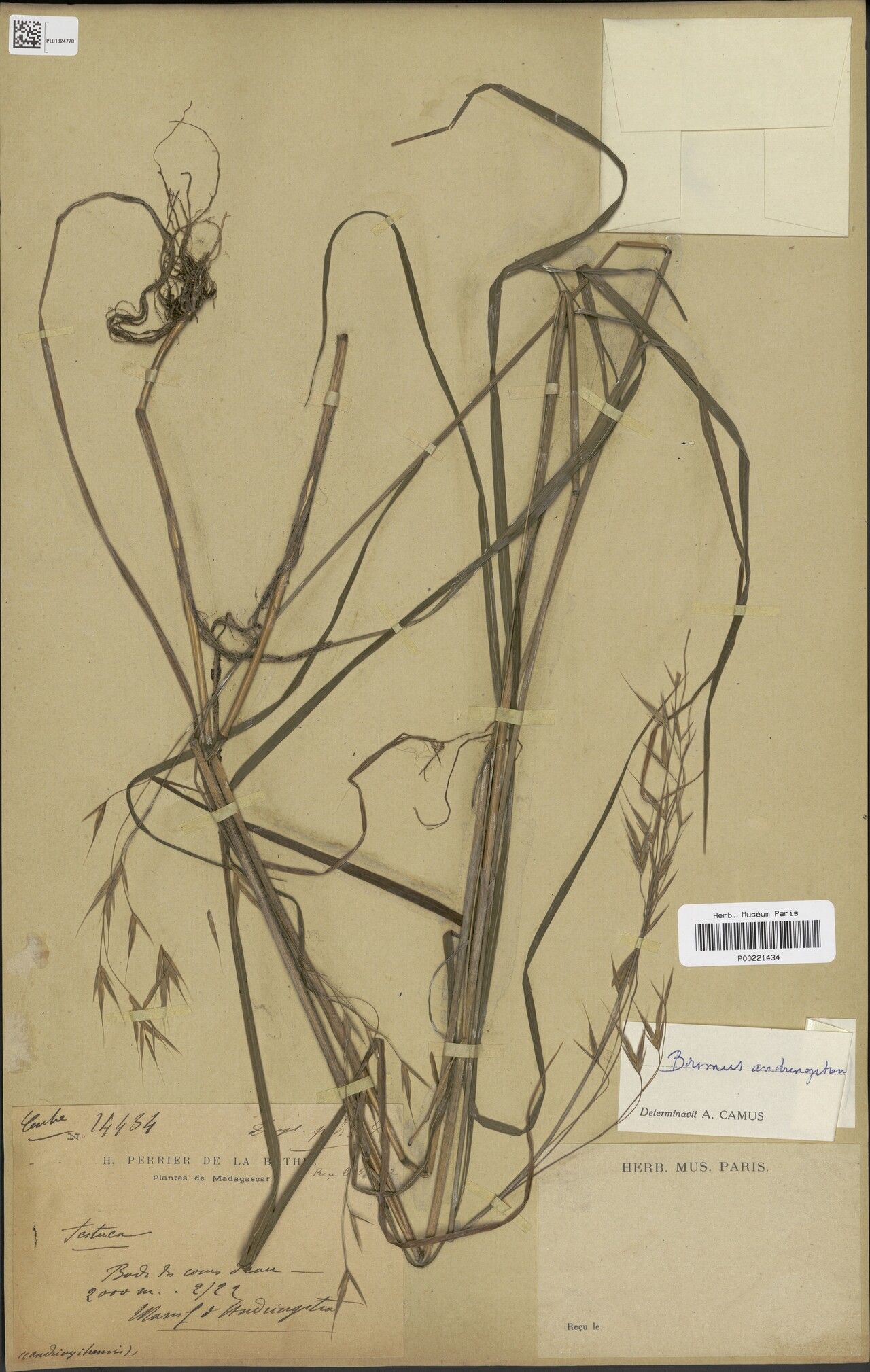
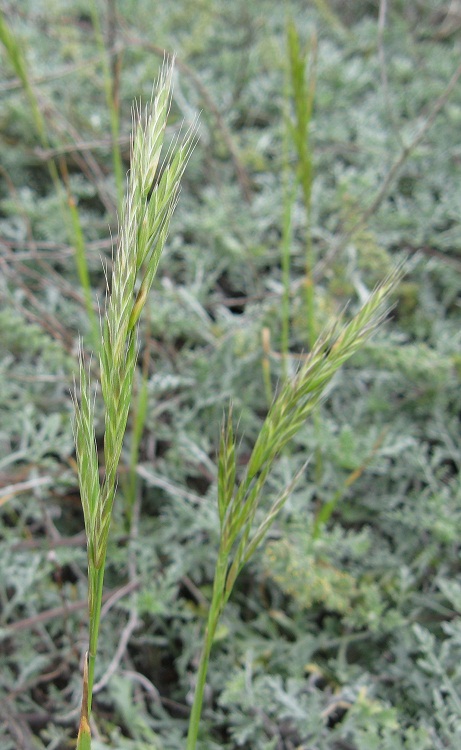
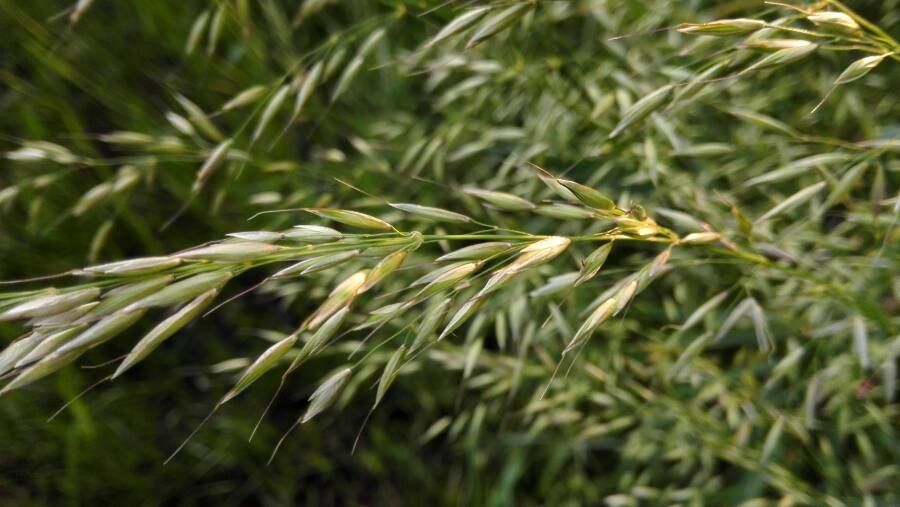
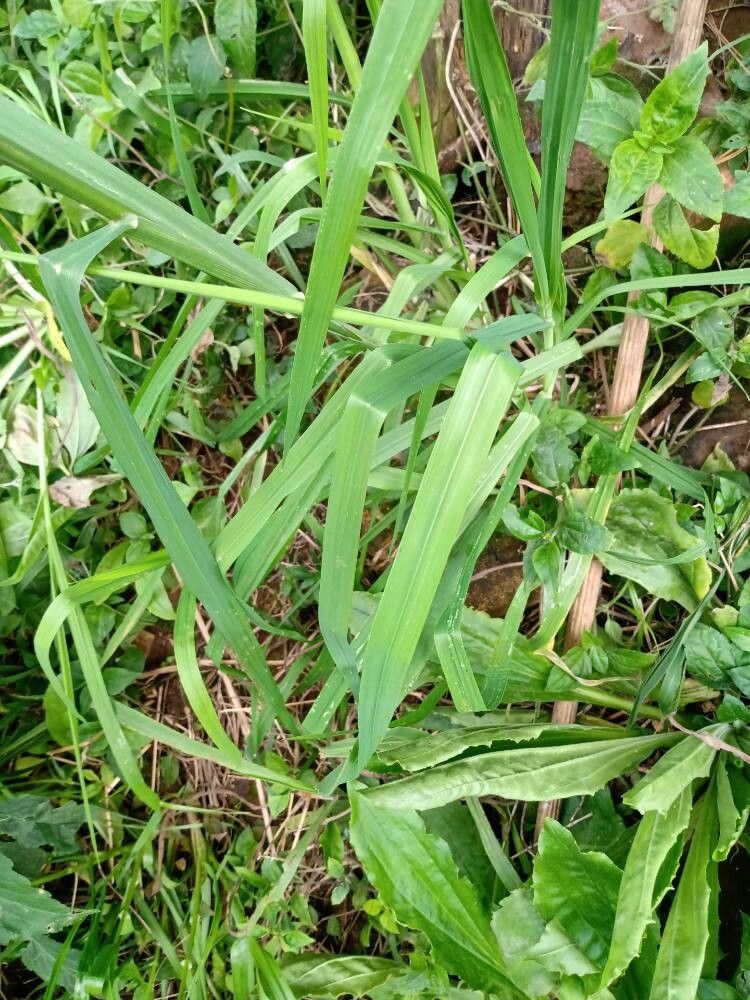
Bromus racemosus, the smooth brome or bald brome, is a species of flowering plant in the family Poaceae. It is native to subarctic and temperate Eurasia, and widely introduced elsewhere, including North America, Iceland, the Southern Cone of South America, the Korean Peninsula, Australia, and New Zealand. It grows in alkaline meadows and in waste places.
Smooth brome has strong disease resistance and is usually not susceptible to diseases. In terms of care, this plant is fairly low-maintenance. Planted outdoors, it needs little watering, and larger specimens normally do not require pruning. Smaller plants, however, should be pruned after they have bloomed. Smooth brome is appropriate for anyone with an outdoor area, such as a garden or deck, and does not demand much plant-care experience.
How to keep Bromus Racemosus.
Light
Smooth brome comes from bright, open habitats and flourishes in full sun. It tolerates partial sun but favors direct sunlight for optimal growth. This annual and biennial plant is characterized by its sun-loving nature.
Water
Smooth brome thrives in temperate climates, needing moderate moisture levels to grow well. While it can endure brief droughts, it does best with consistent watering, ideally on a weekly basis. In colder months, smooth brome goes dormant and requires less water, demonstrating its adaptability to different environmental conditions.
Temperature
Smooth brome is a plant native to areas with mild temperatures, typically flourishing at 68 to 95 °F (20 to 35 ℃). As seasons change, measures should be taken to mimic these conditions to maintain its healthy growth.
Pruning
Smooth brome features slender, arching stems with dense foliage. For optimal plant health, prune in early to late spring to remove dead stems and thin out overcrowded areas, which will improve air circulation. Avoid pruning while the plant is blooming. Be sure to use sterilized tools to enhance the plant's vigor and prevent infections.
Botanical profile.
- Plant Type
- Grass
- Life Cycle
- Annual
- Genus
- Bromus
- Family
- Poaceae
- Hardiness Zone
- 7-10
- Mature Height
- 0.25 m to 1.07 m
- Mature Spread
- 20 cm to 40 cm
- Leaf Color
- Green, Dark Green
- Leaf Type
- Semi-evergreen
- Flower Color
- Yellow, Green, Purple, Brown
- Flower Size
- 0.51 cm to 1.02 cm
- Bloom Time
- Late spring, Early summer
- Planting Time
- Spring, Summer, Autumn
- Harvest Time
- Mid summer, Late summer
Other names.
Reader questions.
What are the sunlight requirements for Smooth Brome?
Smooth Brome thrives best in full sun conditions, requiring more than 6 hours of sunlight daily for optimal growth. It can also tolerate partial sun, which means about 3-6 hours of sunlight each day. When planning where to place your Smooth Brome, it's crucial to observe the movement of sunlight through your garden to ensure that the plant receives the right balance of light and shade. This careful selection of planting locations will contribute significantly to the health and happiness of your plants.
What is the native environment of Smooth brome?
Smooth brome, or Bromus racemosus, is native to environments with moderate temperatures, typically thriving in the range of 68 to 95°F (20 to 35°C). Being suited to such conditions means that as seasons change, maintaining these temperatures is crucial for its healthful growth.
Can Smooth Brome grow indoors, and what are the essentials for its growth?
Yes, Smooth Brome can grow indoors, primarily originating from bright, open environments; it naturally seeks full sun but can manage in partial sun. When growing Smooth Brome indoors, it's essential to provide adequate lighting, especially when natural sunlight isn’t enough. During winter or in less sunny spaces, artificial lighting becomes crucial for the plant's growth. LED lights are recommended due to their ability to offer the wavelengths needed by plants. Full sun plants require 30-50W/sq ft of artificial light, partial sun plants need 20-30W/sq ft, and plants in full shade need 10-20W/sq ft. The light source should be placed 12-36 inches above the plant and left on for 8-12 hours per day to mimic natural sunlight conditions.
Does Smooth brome require frost protection during the winter?
Smooth brome boasts strong cold resistance, indicating that under normal winter conditions, special frost protection measures are usually unnecessary. However, in scenarios where winter temperatures are expected to plummet below -15°C, it's imperative to implement cold protection strategies. This can be achieved by covering the plant with insulating materials like soil or straw. Additionally, it's advisable to water the plant abundantly before the first freeze in autumn to keep the soil moist and mitigate the risks of drought and water scarcity during the colder months.
What are the signs of insufficient light for Smooth Brome when grown indoors?
When Smooth Brome is grown indoors under inadequate light, it may display several symptoms indicative of light deficiency. These include smaller new leaves compared to mature ones, leggy or sparse growth, a tendency for faster leaf drop, and halted or significantly slowed new growth. Leaves may develop lighter colors, showing a lack of essential nutrients and chlorophyll—a condition known as chlorosis. Moreover, direct overexposure to sunlight can lead to sunscald, characterized by damaged plant tissues, leaf curling as a defensive measure against water loss, wilting from excessive transpiration, and leaf scorching with brown or crispy edges. These symptoms all signal that the plant needs a better light source to maintain health.
How does Smooth brome react to low temperatures?
Smooth brome is quite cold-tolerant, thriving best in temperatures above 20°C and remaining viable above 0°C during the winter. Nevertheless, when temperatures fall below -15°C, while not immediately apparent during winter, there might be a decrease in spring sprouting or, in some instances, no sprouting at all. To address this issue in the spring, it's advisable to remove any parts of the plant that have failed to sprout.
How can you improve light conditions for Smooth Brome, both indoors and outdoors?
Improving light conditions for Smooth Brome involves a series of steps tailored to where the plant is growing. Indoors, it’s beneficial to gradually move the plant to a sunnier location, aiming for at least 6 hours of direct sunlight, utilizing a south-facing window, and considering artificial lighting solutions like keeping a lamp on for at least 8 hours a day or investing in professional grow lights. Outdoors, the key is to also gradually expose the plant to more sunlight, avoiding sudden changes to prevent sunburn. This may include moving the plant to sunnier spots weekly. For plants in the ground, reducing obstructions such as pruning trees or relocating the plant to sunnier areas with better drainage can significantly enhance sunlight exposure. Note that parts of the plant damaged by insufficient light may not recover, but new growth should be healthy with improved light conditions.
What should be done if Smooth brome is exposed to high temperatures?
During the summer months, it's critical to ensure that the temperatures surrounding Smooth brome do not exceed 35°C. Exposure to temperatures above 41°C can lead to the leaves becoming lighter in color, curling, and becoming prone to sunburn. In severe cases, the plant may wilt and dry out entirely. Countermeasures include trimming away any sunburned or dried-up parts of the plant, relocating it to a shaded area or using a shade cloth to protect it from the midday and afternoon sun, and ensuring the soil remains moist by watering in the morning and evening.