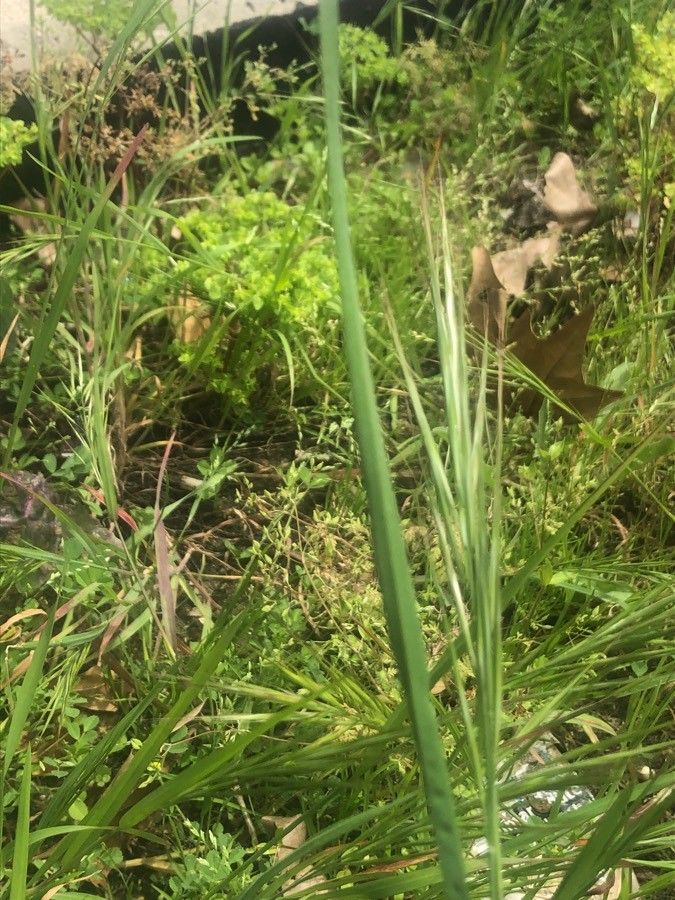
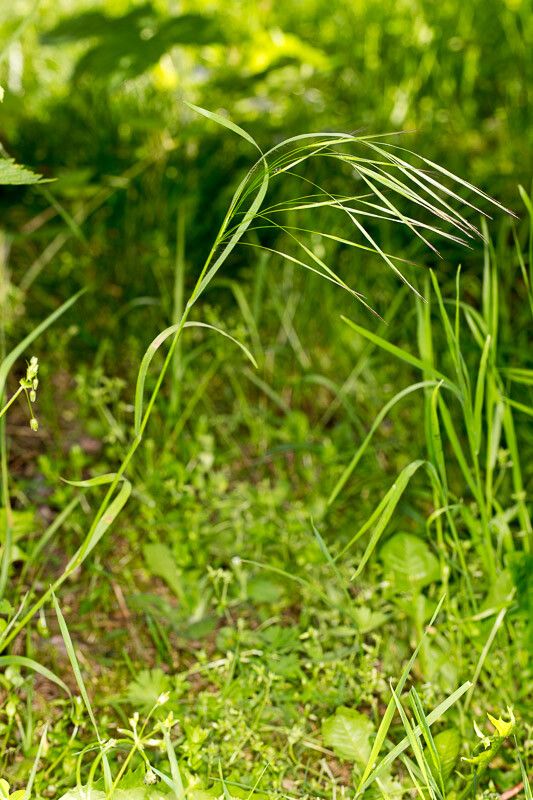
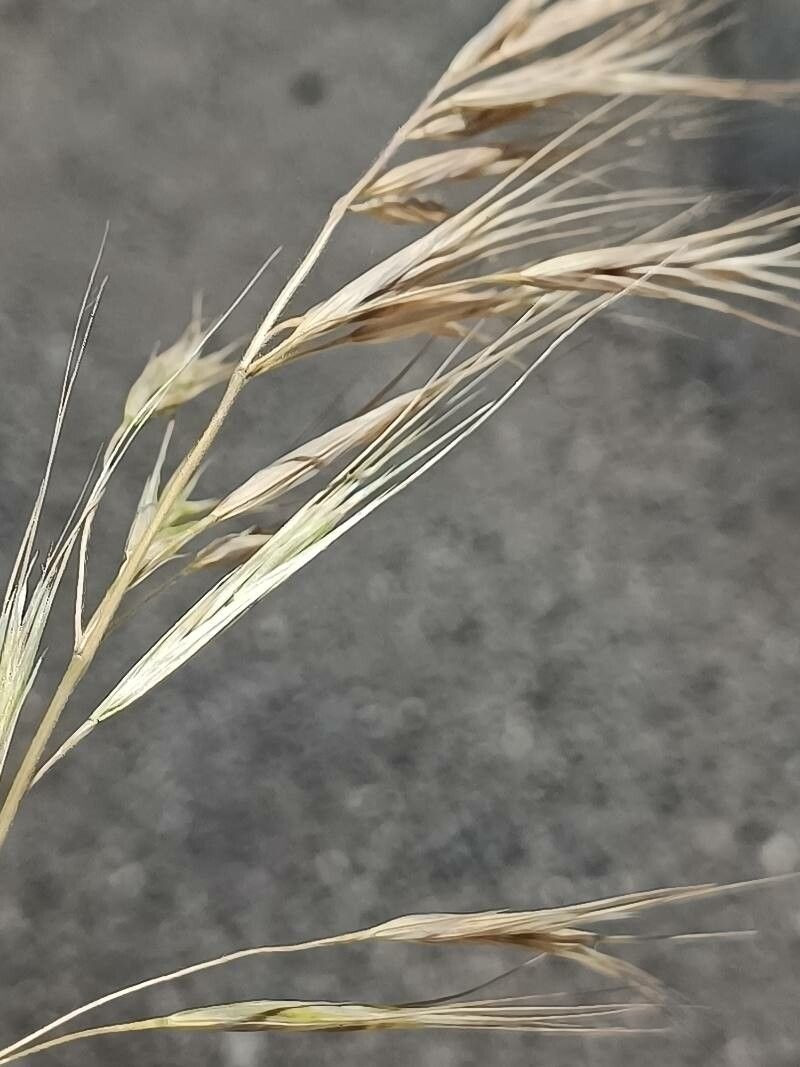
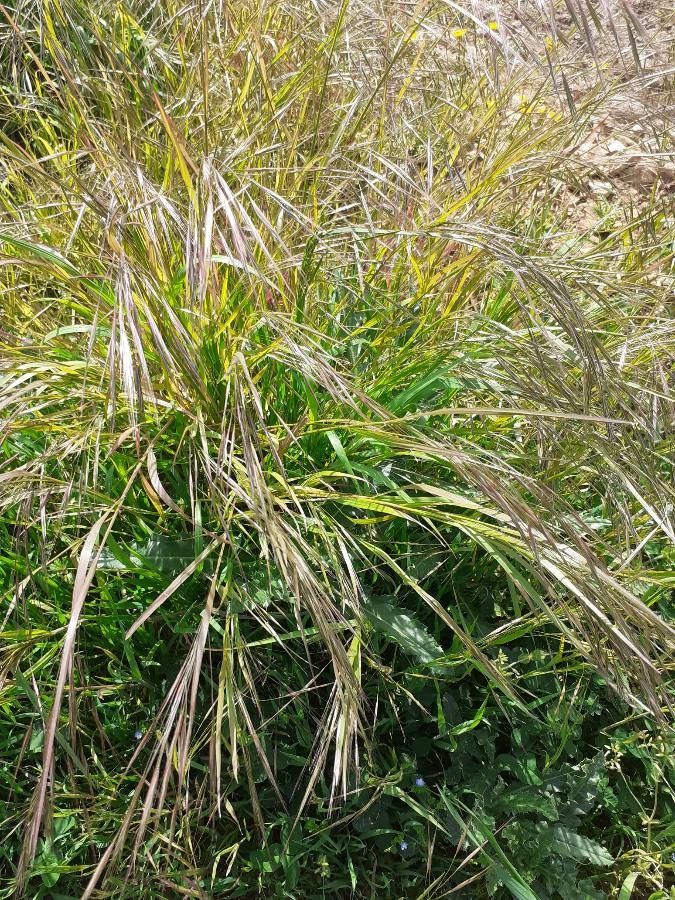
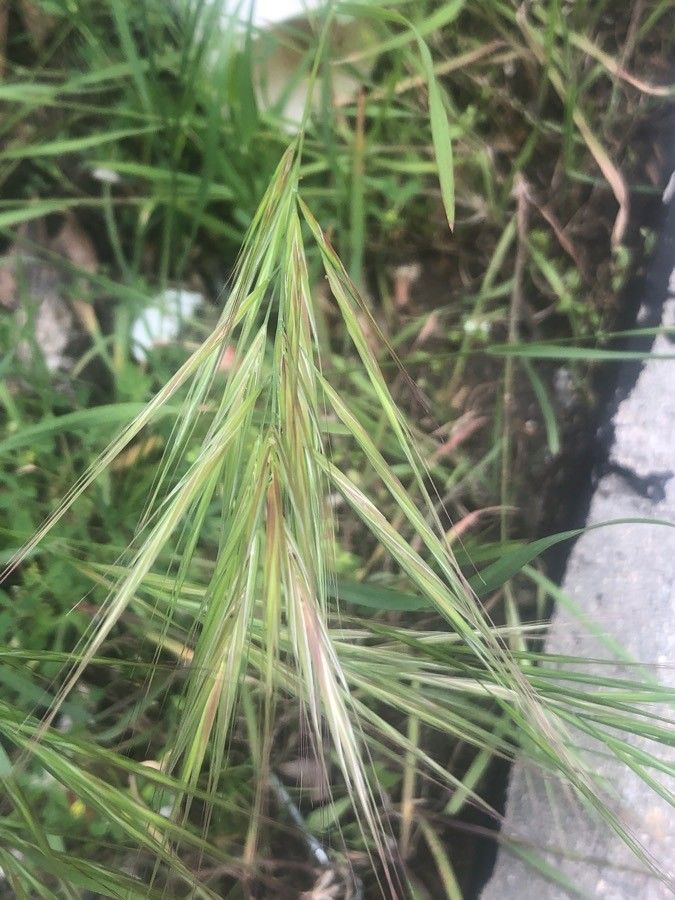
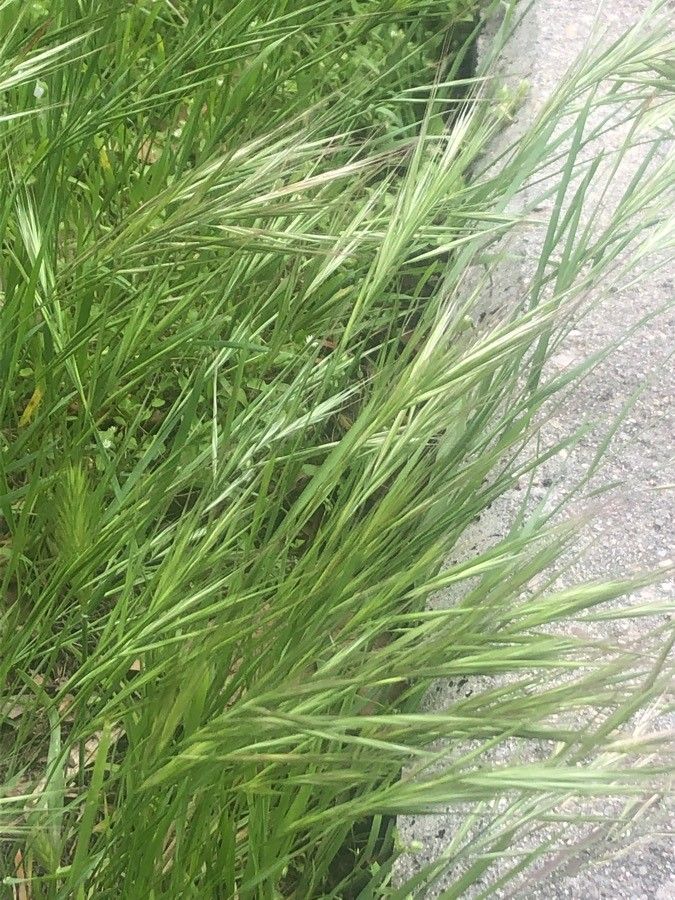
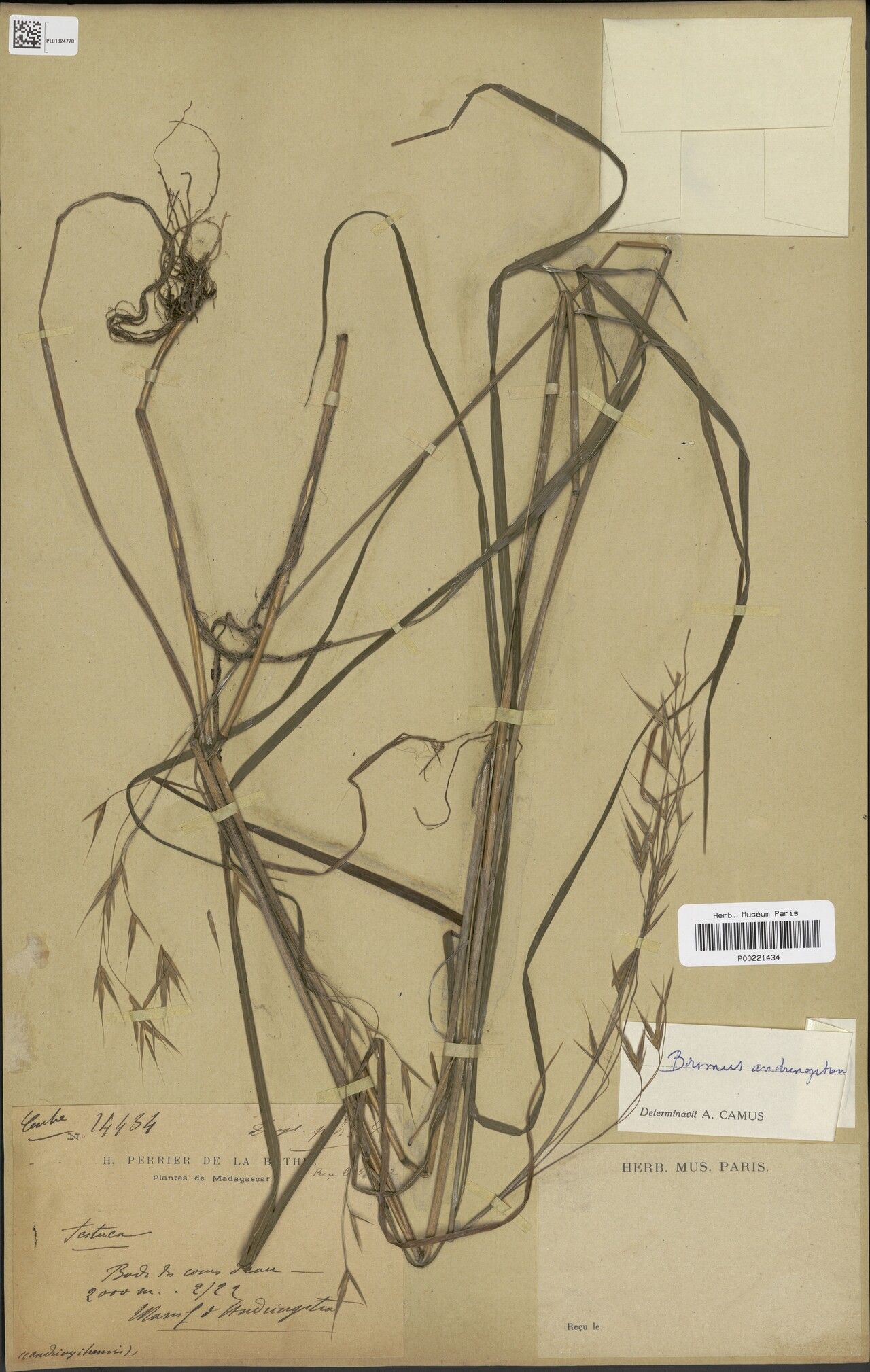
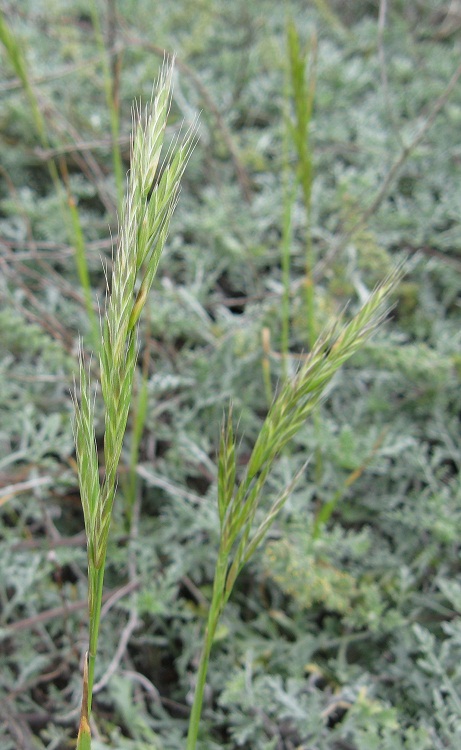
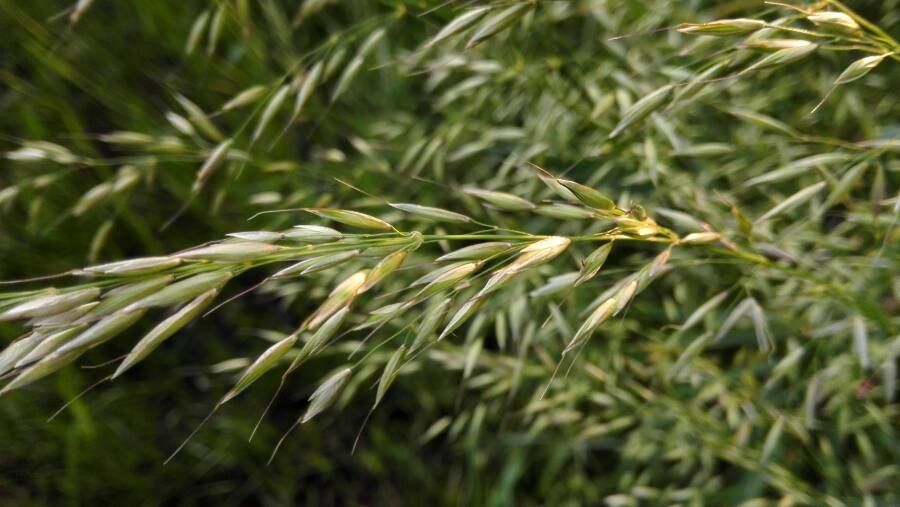
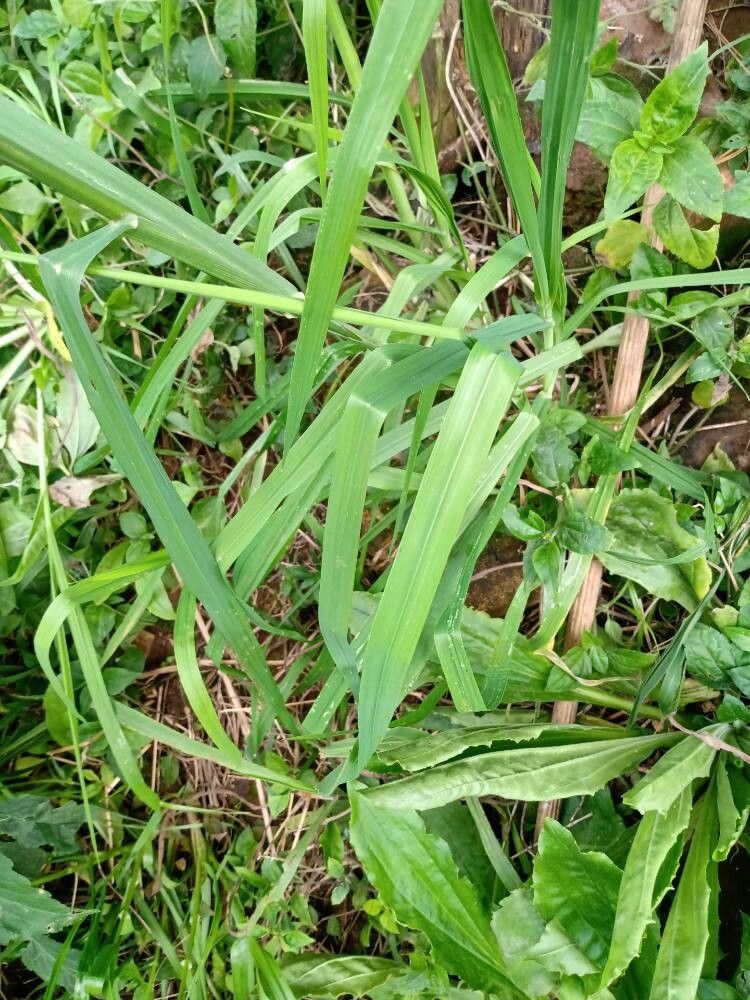
Bromus sterilis is an annual or biennial species of bromegrass known as barren brome, poverty brome, and sterile brome.
Cheatgrass is fairly resistant to diseases and is generally not vulnerable to them. Nonetheless, it can be affected by pests and diseases present in its environment. Such infections are typically mild. Regarding care, this plant requires a moderate amount of maintenance. It should be pruned regularly to preserve a neat appearance and support healthy growth. Fertilizing can also help encourage flowering. Cheatgrass is appropriate for anyone with outdoor space, like a garden or patio, and does not demand extensive care experience. It may need more attention when grown indoors.
How to keep Bromus Sterilis.
Light
Cheatgrass grows best in locations that provide plentiful sunlight. Too little light can limit its growth, while too much light generally does not significantly harm it. Coming from open habitats, it is adapted to receiving a generous amount of light throughout the day at every stage of its growth cycle.
Water
Poverty brome, a plant that thrives in temperate regions, needs consistent soil moisture but should not be waterlogged. While it has moderate drought tolerance, it benefits from being watered once a week. Rainwater is especially beneficial, as it supports the plant's natural growth cycles when grown outdoors.
Temperature
Cheatgrass originates from cool, temperate regions and prefers temperatures of 68 to 95 °F (20 to 35 ℃). As the seasons change, adjust its environment to replicate those conditions. If temperatures fall below that range in winter, protective measures may be necessary.
Fertilizer
Cheatgrass does well with regular, light applications of fertilizer to encourage healthy leaf development. You should apply fertilizer to Cheatgrass about once a month during the summer. Nitrogen is important for foliage, and providing nitrogen-rich sources helps Cheatgrass prosper.
Botanical profile.
- Plant Type
- Herb
- Life Cycle
- Annual
- Genus
- Bromus
- Family
- Poaceae
- Hardiness Zone
- 7-10
- Mature Height
- 40 cm to 91 cm
- Mature Spread
- 11 cm
- Leaf Color
- Green
- Leaf Type
- Semi-evergreen
- Flower Color
- White, Yellow, Green, Purple, Brown
- Flower Size
- 0.10 cm to 0.20 cm
- Bloom Time
- Late spring, Early summer
- Planting Time
- Spring, Autumn
- Harvest Time
- Early summer, Mid summer
- Native Area
- Egypt, India, Turkey, Sweden, United Arab Emirates, Slovakia, Montenegro, Pakistan, Croatia, Slovenia, Morocco, Yemen, Belarus, Uzbekistan, Iraq, Germany, Jordan, Romania, Belgium, Moldova, Portugal, Nepal, Saudi Arabia, Netherlands, France, Tajikistan, Tunisia, Czech Republic, Cyprus, Bulgaria, Poland, Armenia, Greece, North Macedonia, Ukraine, Serbia, Lebanon, China, Norway, Afghanistan, Syria, Kyrgyzstan, Kazakhstan, Italy, Spain, Switzerland, Mongolia, Israel, Bosnia and Herzegovina, Bhutan, Iran, Albania, Azerbaijan, Algeria, Hungary, Kuwait, Turkmenistan
Other names.
Reader questions.
What should I do if I give my Poverty brome plant too much water or not enough water?
Proper watering is essential for the performance of this beautiful ornamental grass. When planted in the ground, watering issues can be addressed, but in a container, it is crucial to avoid both overwatering and underwatering, as they can quickly kill Poverty brome. Insufficient water can cause the grass to stop growing and result in drooping leaves, weak seed head production, and browned leaves. On the other hand, excessive water can lead to yellow leaves with brown tips. If you suspect your Poverty brome has been improperly watered, the first step is to determine whether it is receiving too much or too little water. If it is getting too much water, stop watering immediately, and allow the soil to dry out. Once you see new growth, check the soil for moisture and decide if more water is needed. If the grass is receiving too little water, simply give it a deep drink and observe if it perks up. Remember, a long and deep watering is always better than frequent and shallow waterings. Deep watering encourages the growth of deep roots, making the grass more resistant to drought and watering-related problems.
What are the sunlight requirements for Poverty brome?
Poverty brome, also known by its botanical name Bromus sterilis, thrives in environments with abundant sunlight, necessitating full sun exposure of more than 6 hours daily to flourish optimally. It can also manage in partial sun conditions, which means about 3-6 hours of sunlight each day. However, for the health and happiness of your plants, it's crucial to observe how sunlight travels through your garden to find locations that offer an ideal mix of light and shade.
What is Poverty Brome and its preferred climate conditions?
Poverty brome, scientifically known as Bromus sterilis, is naturally adapted to temperate climates, thriving in environments where temperatures range from 68 to 95°F (20 to 35°C). This plant's growth benefits from seasonal adjustments to mimic these conditions. It is highly cold-tolerant, requiring no additional frost protection measures during winter. To prepare for the first freeze in autumn, it's recommended to water the plant generously, ensuring the soil is moist as it enters a frozen state, which helps prevent drought and water scarcity during winter and early spring.
How often do I need to water my Poverty brome?
The watering needs of Poverty brome depend on where it is planted. In general, watering once a week is recommended. However, in hot climates, watering once or twice a week during the summer may be necessary. In moderate climates, watering once every seven days or more may be sufficient. It's important to note that grass in containers usually needs more frequent watering than grass planted in the ground. Additionally, the location of the grass matters as well. Grass in shaded areas requires less frequent watering compared to grass planted in the ground. To determine when to water Poverty brome, check if the soil is dry by pressing your finger a couple of inches into the soil. For potted grass, you can weigh the grass or check if the pot feels light, indicating a lack of water. When the roots of Poverty brome lack sufficient water, the blades may appear folded along their centers and thinner than usual. Despite its drought tolerance, regular and deep waterings will result in vibrant color for the grass. In its natural habitat, Poverty brome grows in open scrubland with extreme heat, bright sun, and occasional rain. While it is drought-resistant, this grass still requires care and attention. Consistent watering is recommended by gardeners for optimal growth, even though the grass can handle harsh and dry conditions. When first planted, Poverty brome needs more frequent watering until its roots are established. For potted grass, the soil tends to dry out quickly, especially if the pot receives direct sun for most of the day. It is advisable to test the soil every 3 to 4 days and water only when it feels dry. Poverty brome planted in the ground generally requires less watering, but this depends on the type of soil. Heavy clay soil retains moisture below the surface, so it may feel dry at the top while still having sufficient water. Sandy soil, on the other hand, drains quickly and will need more frequent watering.
How does artificial lighting support indoor Poverty brome plants?
For Poverty brome plants grown indoors where natural sunlight may be insufficient, especially during winter or in less sunny areas, artificial lighting provides an essential alternative. It helps in promoting faster and healthier growth. LED lights are recommended because they can be adjusted to provide the specific wavelengths needed by plants. Full sun plants require 30-50W/sq ft, partial sun plants need 20-30W/sq ft, and full shade plants 10-20W/sq ft of artificial light. The light source should be placed 12-36 inches above the plant to mimic natural sunlight and turned on for 8-12 hours daily, corresponding with the natural daylight hours for the species.
How does Poverty Brome react to low temperatures?
Poverty brome shows exceptional cold tolerance, capable of withstanding winter temperatures down to -25°C. Despite this resilience, it's crucial to maintain temperatures above this threshold to prevent adverse effects. If temperatures drop below -25°C, you may not notice any changes during the winter. However, there could be a decrease in sprouting or, in some cases, no sprouting come spring. The recommended solution for any non-sprouting parts in spring is to remove them.
What should I pay attention to when I water my Poverty brome in different seasons, climates, or while it is growing?
To determine if you are watering enough, observe the rate of growth of your grasses. Poverty brome typically doubles in size during the hottest months. If the weather is hot but the grass is not growing vigorously, adjust your watering schedule. In winter, you might only need to water once a month, but still check soil moisture. During the warmest months, the grass requires more water, but in winter and cooler months, the water needs are greatly reduced. Remember that the soil for Poverty brome should always be allowed to completely dry out before watering.
What are the common symptoms of insufficient light in indoor-grown Poverty brome?
Indoor-grown Poverty brome under insufficient light may display several symptoms such as smaller new leaves compared to older ones, leggy or sparse growth with increased spaces between leaves or stems, early leaf drop in an attempt to conserve resources, delayed or completely halted growth, and development of pale or irregularly colored new leaves indicating a lack of chlorophyll. Furthermore, excessive sunlight might lead to chlorosis, sunscald, leaf curling, wilting, and leaf scorching, showcasing the importance of balanced light exposure.
What should I do if Poverty Brome is exposed to high temperatures?
Poverty brome struggles in high temperatures; its growth halts, and its susceptibility to rot increases significantly when the temperature surpasses 35°C. In such events, it's advised to trim away any sunburned or dried-up parts of the plant. Moving the plant to a location that offers shade, particularly during the midday and afternoon sun, or utilizing a shade cloth can provide necessary relief. Additionally, watering the plant in the morning and evening helps keep the soil appropriately moist, aiding in the plant's survival through high-temperature periods.
How can you address light-related issues in Poverty brome?
To ensure Poverty brome receives adequate sunlight, gradually move the plants to sunnier locations, aiming for at least 6 hours of direct sunlight a day for outdoor plants. Use south-facing windows for indoor plants and consider artificial lighting such as desk or ceiling lamps or professional grow lights for at least 8 hours a day if direct sunlight is insufficient. If sunlight is obstructed by trees or buildings, consider pruning or transplanting to a sunnier spot. Pay attention to gradual adaptation to prevent sunburn, noting that while parts of the plant affected by insufficient light might not recover, new growth should be healthy with improved light exposure.