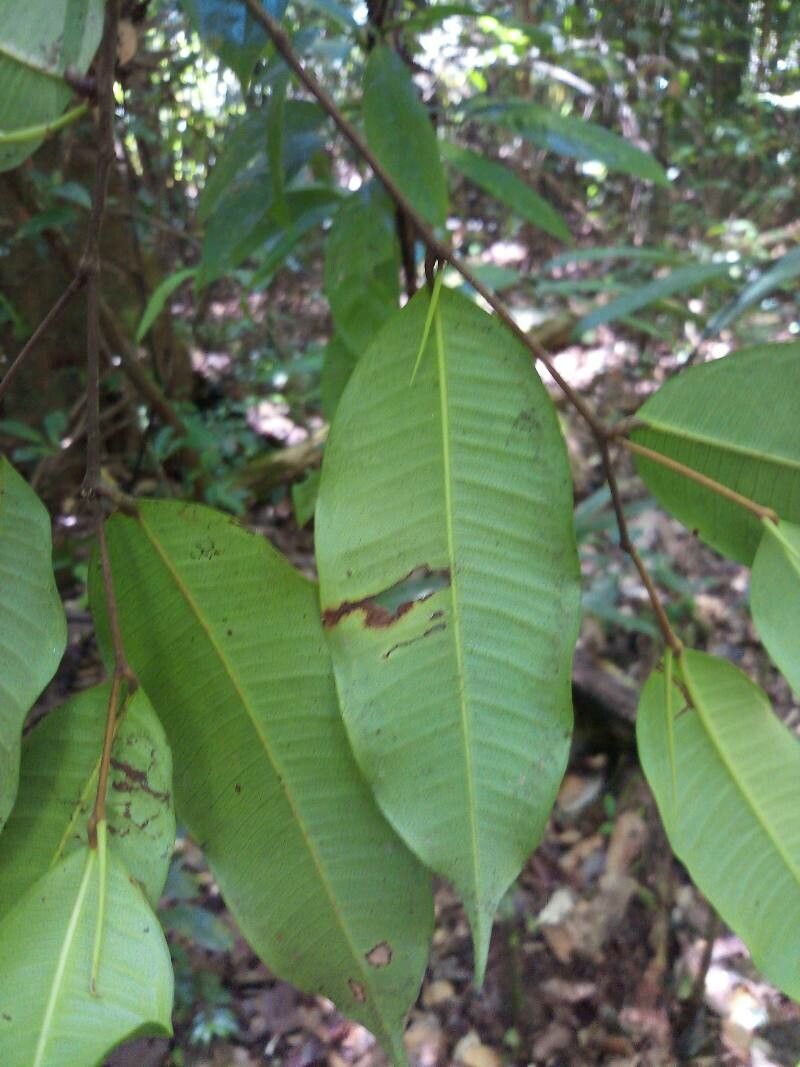
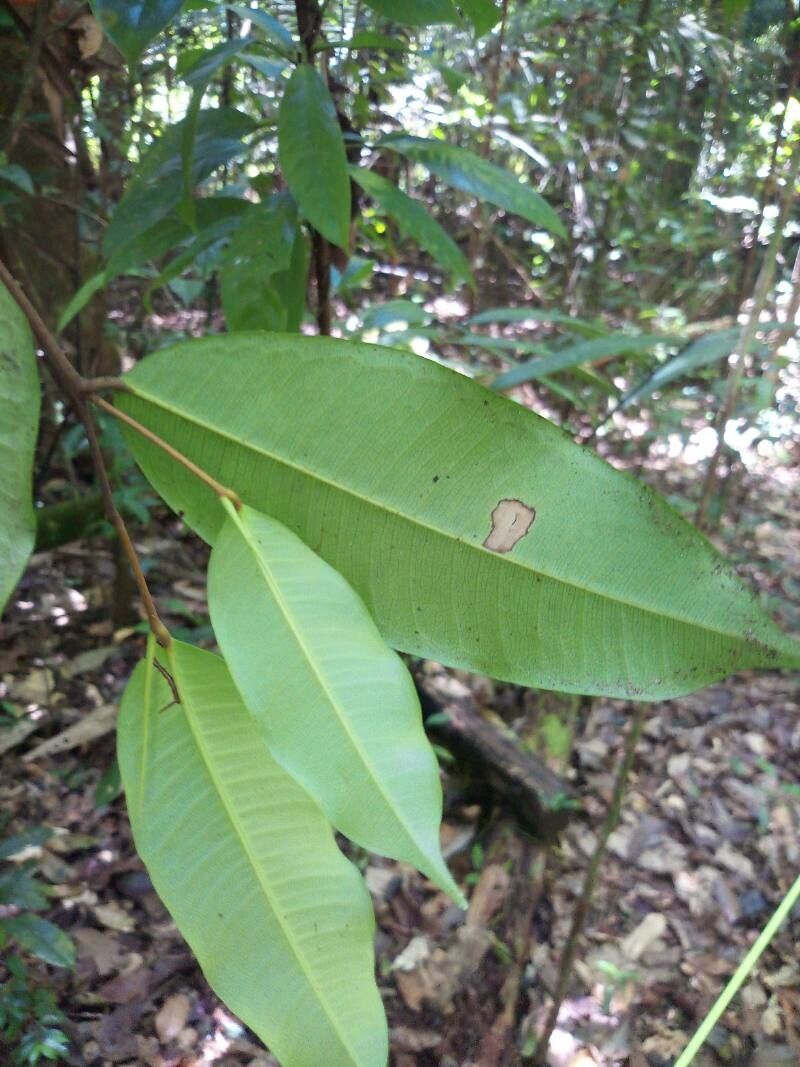
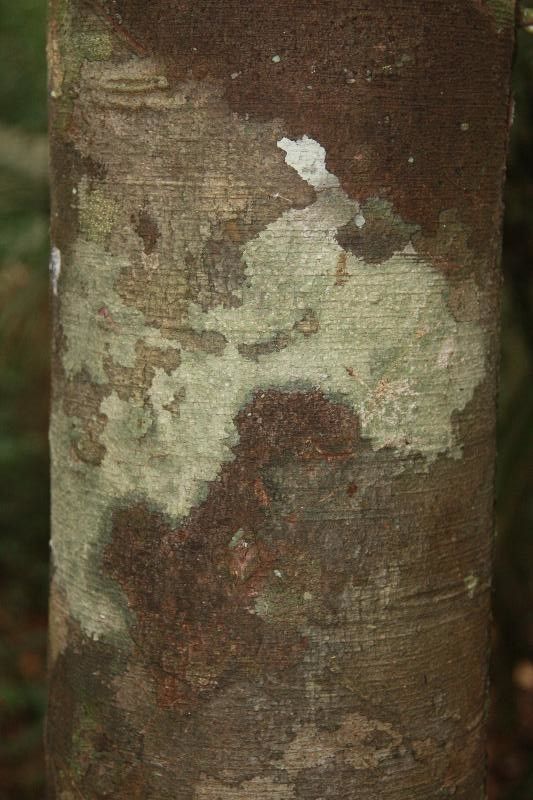
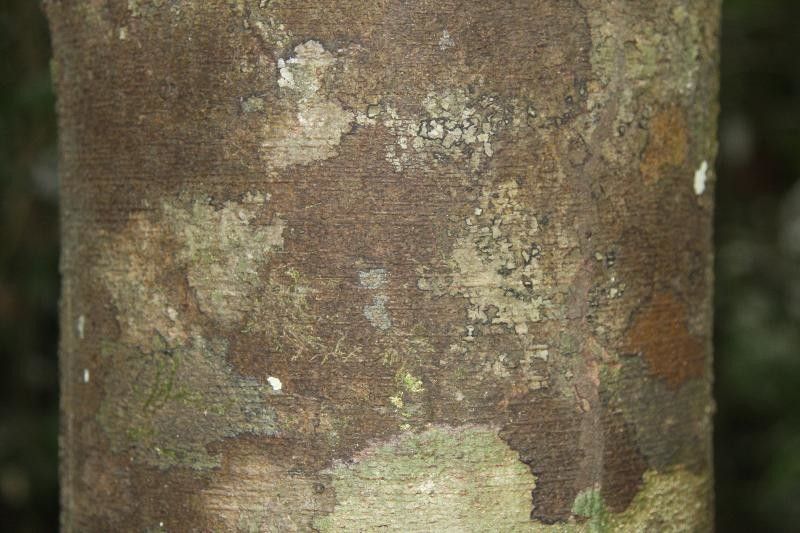
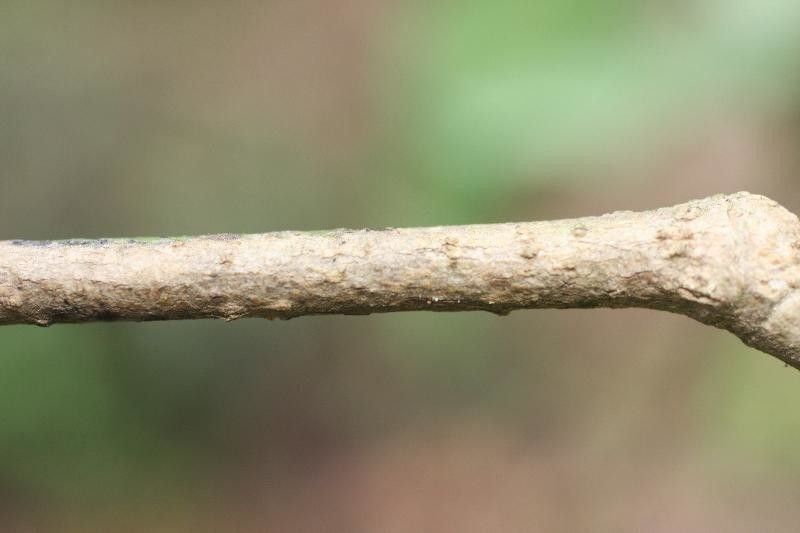
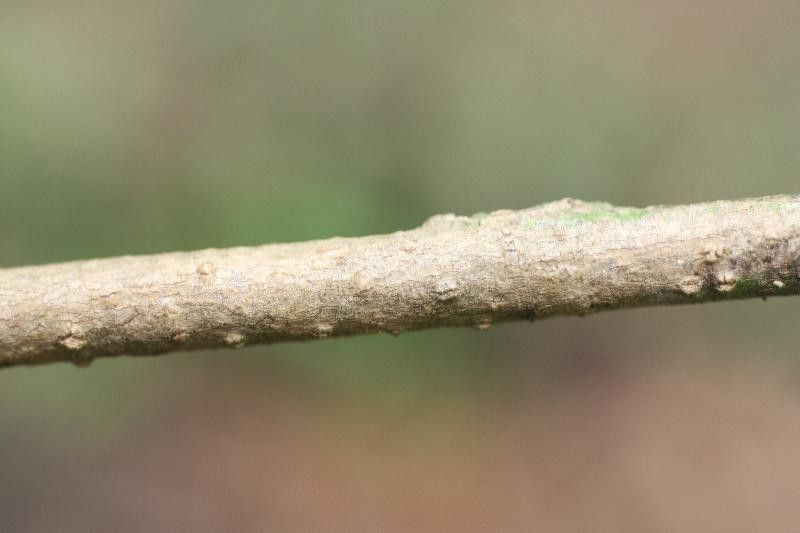
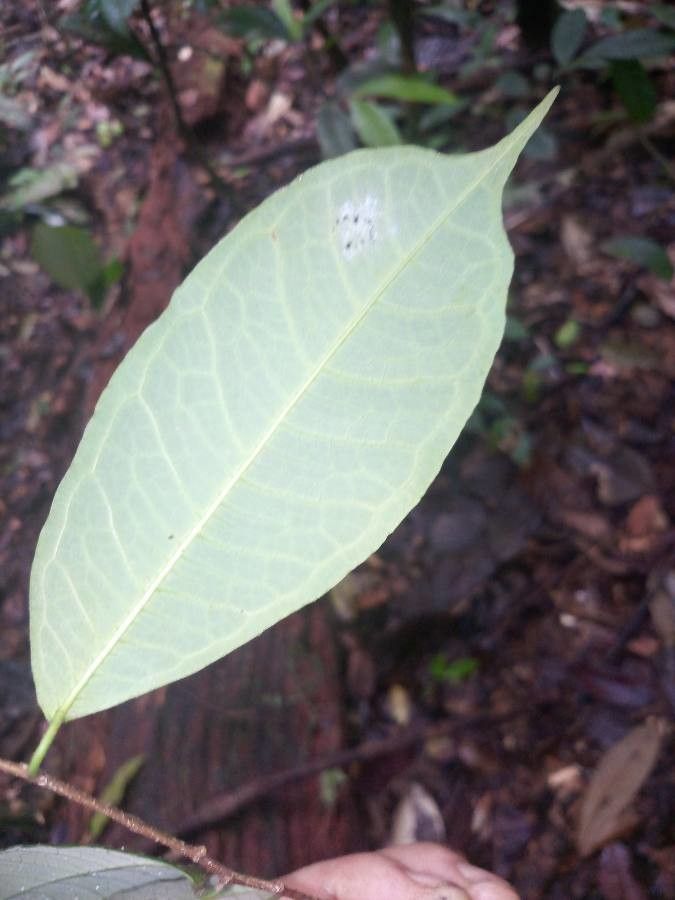
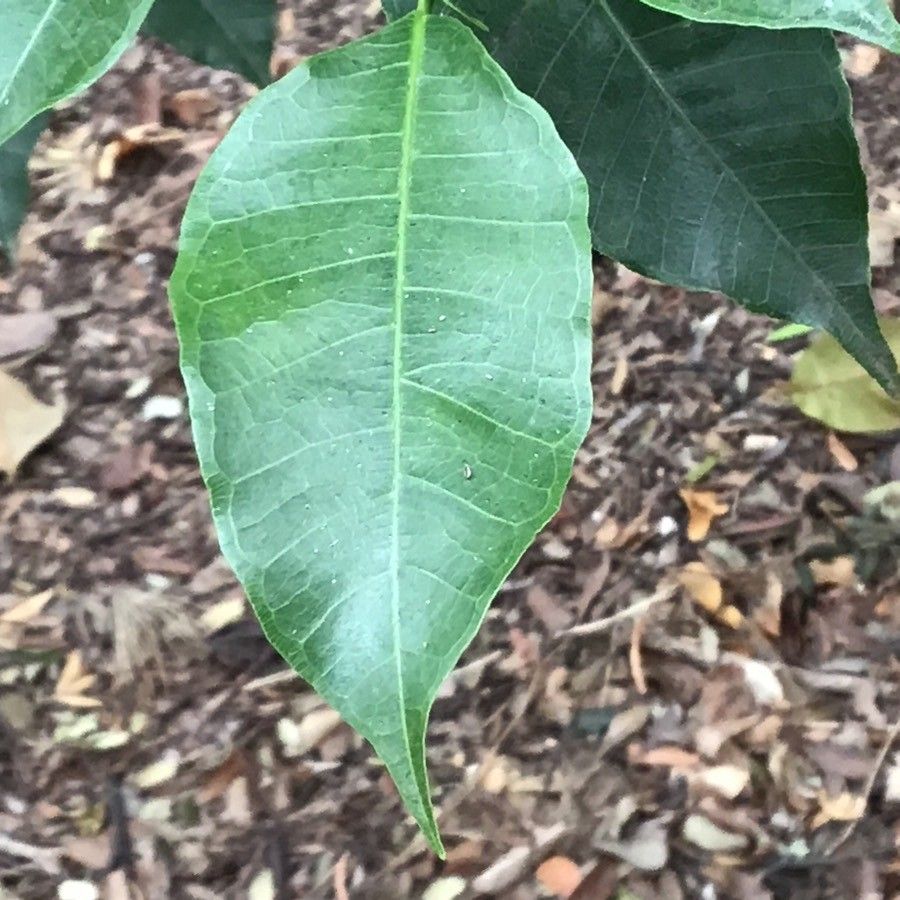
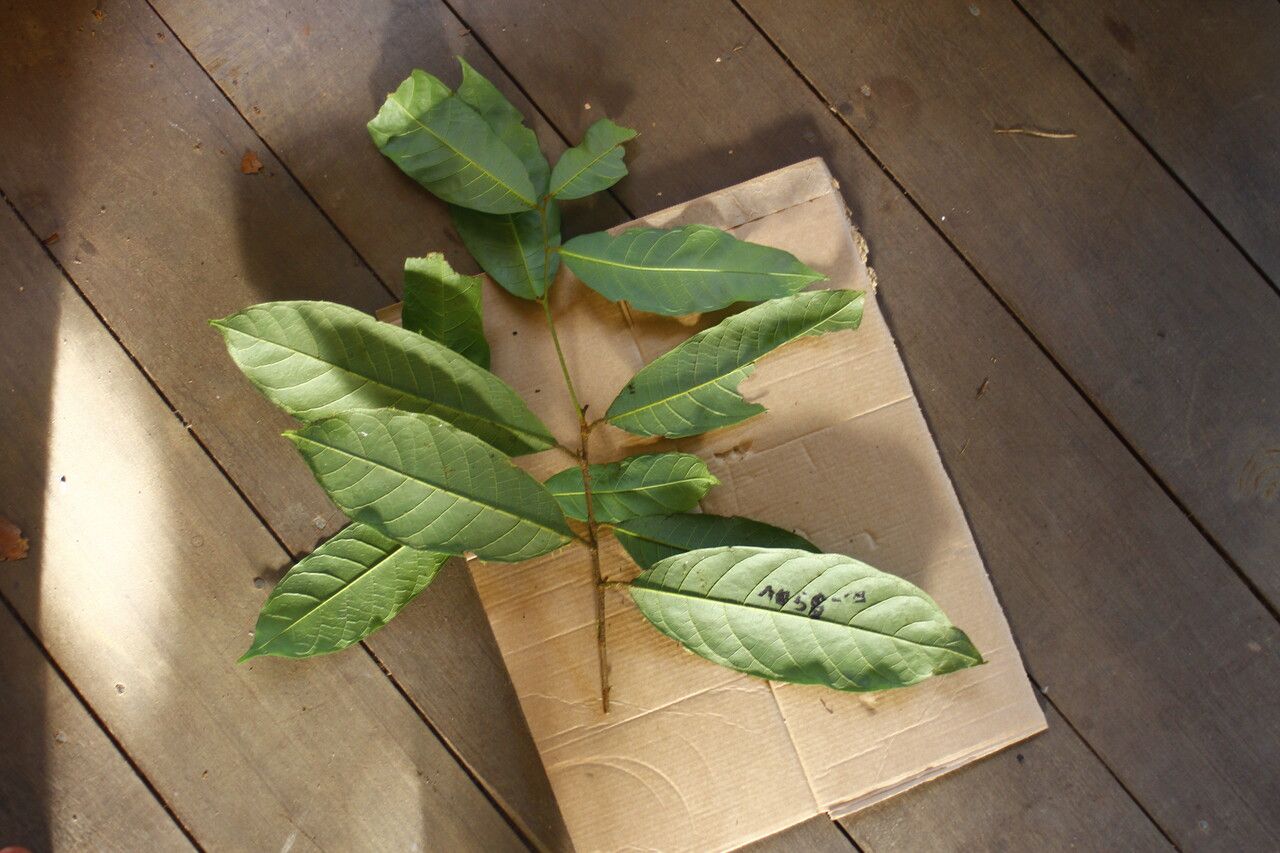
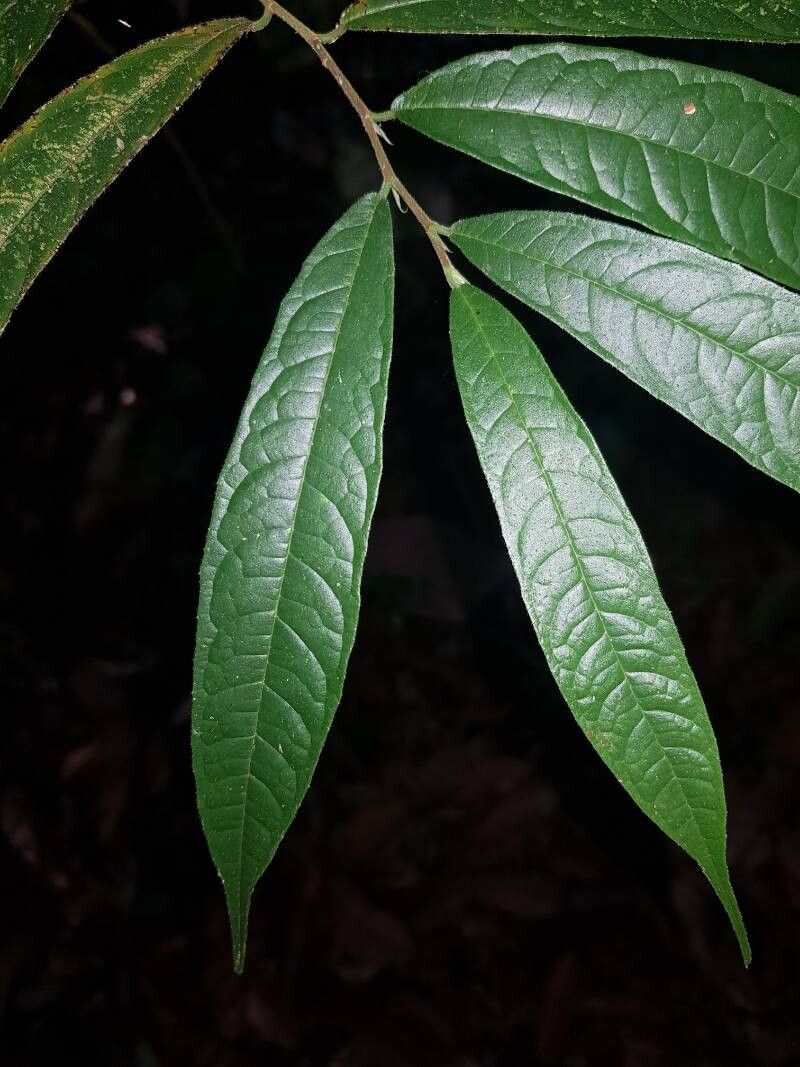
Brosimum rubescens, the bloodwood, is a widespread species of flowering plant in the family Moraceae. It is native to Panama and wet tropical South America. A straight-trunked tree reaching 40 m (130 ft), it is typically found in lowland forests and in forest edges between rainforest and savannah. Often forming monotypic stands, it is harvested for its timber, but is assessed as Least Concern.
Bloodwood cacique shows good resistance to disease and is generally not susceptible to illnesses. In terms of care, this plant is fairly low maintenance. When grown outdoors it needs minimal watering, and larger plants typically do not require pruning. However, smaller plants should be pruned after they have finished blooming. Bloodwood caciquet is appropriate for anyone with an outdoor space, like a garden or a deck, and does not require a lot of care experience.
How to keep Brosimum Rubescens.
Light
Bloodwood cacique is native to open habitats, such as sunny meadows and forest edges, which offer abundant light. It performs best in Full Sun but can tolerate Partial Sun, adapting well to different sunlight conditions.
Temperature
Bloodwood cacique comes from tropical areas, where the climate is generally warm and humid. As a result, it is well suited to high temperatures and humidity. It dislikes sudden temperature shifts and prefers a stable thermal environment, so it is important to avoid temperature fluctuations indoors. It usually cannot tolerate cold and needs warmer conditions for growth. If the surrounding temperature falls too low, the plant may stop growing or even die.
Fertilizer
Fertilizing is essential for the care of the Bloodwood cacique. Feeding it regularly during the growing season maintains the energy required for its showy leaves and supports overall growth. Failing to fertilize can lead to unhealthy foliage, reduced ornamental value, and stunted or weak growth that is prone to breaking.
Pruning
The Bloodwood cacique tree is known for its blood-red sap and hardwood. To keep it healthy and well-shaped, it benefits from pruning during the winter. When pruning, prioritize the removal of dead branches and work on improving air circulation. Additionally, shape the canopy to promote new growth and enhance pest resistance. These steps not only improve the tree’s ornamental appeal but also strengthen its structural integrity.
Botanical profile.
- Plant Type
- Tree
- Life Cycle
- Perennial
- Genus
- Brosimum
- Family
- Moraceae
- Hardiness Zone
- 10-12
- Mature Height
- 20.12 m to 29.87 m
- Mature Spread
- 10.06 m to 14.94 m
- Leaf Color
- Dark Green, Forest Green
- Leaf Type
- Evergreen
- Flower Size
- 0.20 cm to 0.25 cm
- Bloom Time
- Late spring, Summer
- Planting Time
- Summer
- Harvest Time
- Late summer, Fall
- Native Area
- Colombia, Bolivia, Venezuela, Peru, Guyana, Brazil, Ecuador, Costa Rica, Panama
Other names.
Reader questions.
What are the sunlight requirements for Bloodwood cacique?
Bloodwood cacique thrives in environments that offer full to partial sun. It requires more than 6 hours of sunlight daily to flourish under 'Full Sun' conditions but can also adapt well to 'Partial Sun,' requiring about 3-6 hours of sunlight. It's essential to observe the movement of sunlight through your garden and choose spots that ensure a balance of light and shade, catering to the plant's needs for optimal growth.
Can Bloodwood cacique grow under artificial lighting?
Yes, Bloodwood cacique can grow under artificial lighting, which becomes crucial when natural sunlight is insufficient, especially during winter or in locations that receive less sunlight. Optimal growth under artificial light involves choosing the right type of light, with LEDs being a popular choice because they can be adjusted to provide specific light wavelengths needed by the plant. The requirements differ based on the plant's sunlight needs: full sun plants require 30-50W/sq ft, partial sun plants need 20-30W/sq ft, and full shade plants need 10-20W/sq ft of artificial light. The artificial light source should be placed 12-36 inches above the plant to mimic natural sunlight as closely as possible, and the light should be on for 8-12 hours a day to mimic natural daylight hours.
What are the common symptoms of light deficiency or overexposure in Bloodwood cacique?
Bloodwood cacique may show several symptoms when it experiences light deficiency or overexposure. Symptoms of light deficiency include smaller new leaves, leggy or sparse growth, faster leaf drop, slower or no new growth, and lighter-colored or irregularly colored new leaves, indicating a lack of chlorophyll and essential nutrients. Overexposure to light can lead to chlorosis, where leaves lose their green color and turn yellow, sunscald appearing as pale or necrotic areas on the plant, leaf curling or twisting as a defense mechanism against excessive sunlight, wilting due to increased water loss, and leaf scorching characterized by brown, dry, and crispy leaf edges.
How can you treat Bloodwood cacique affected by insufficient sunlight or overexposure?
Treating Bloodwood cacique affected by insufficient sunlight involves gradually moving the plant to a sunnier location, ideally where it can receive at least 6 hours of direct sunlight daily. This can be done by using a south-facing window and keeping curtains open during the day or by supplementing with artificial light for plants that are large or not easily movable. For outdoor plants, avoid sudden light intensity changes to prevent sunburn. Removing obstructions or considering transplantation to sunnier spots can aid outdoor and ground-planted individuals. It's important to note that while parts of the plant affected by insufficient light may not recover, new growth should be healthy following these adjustments.