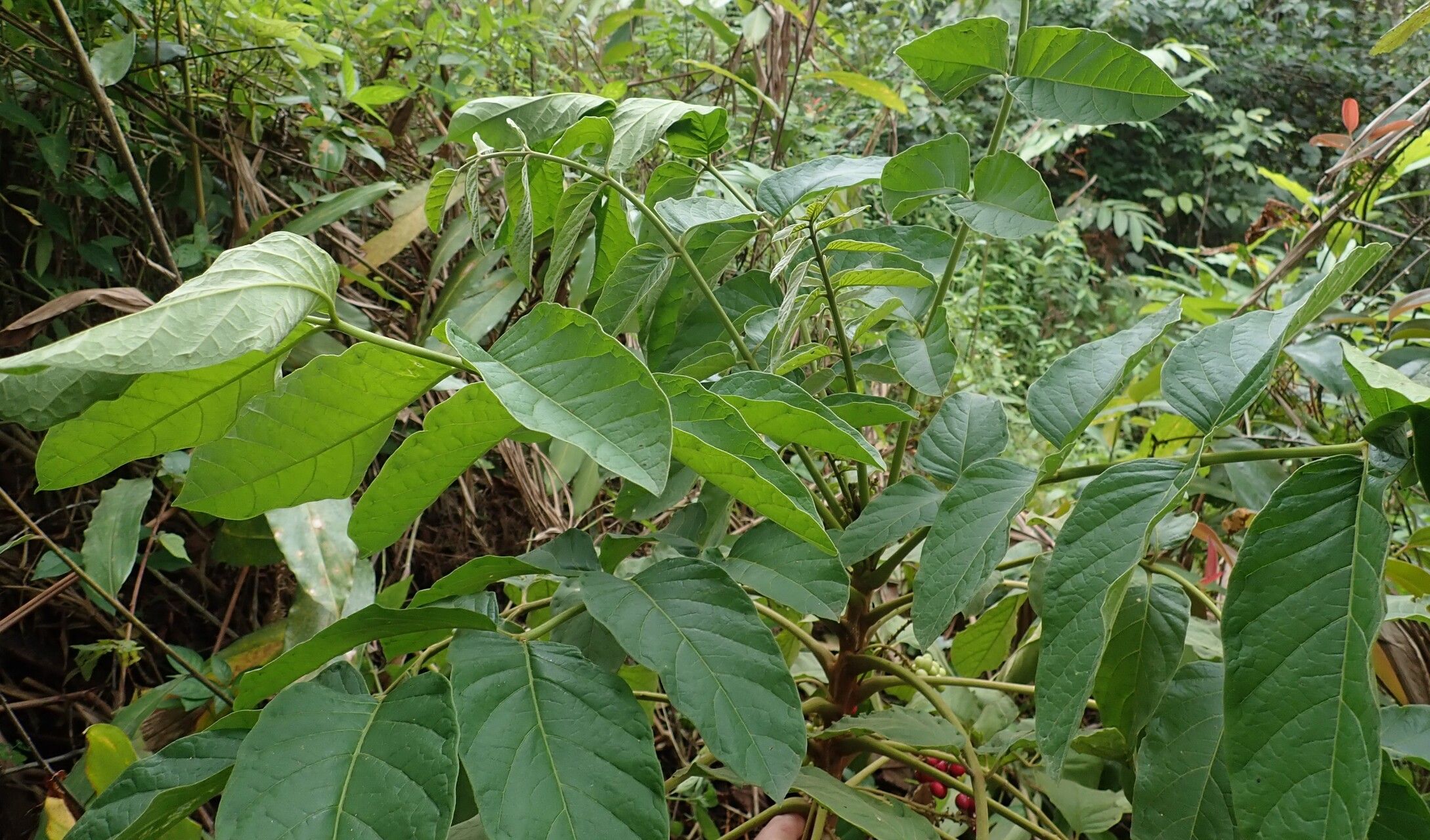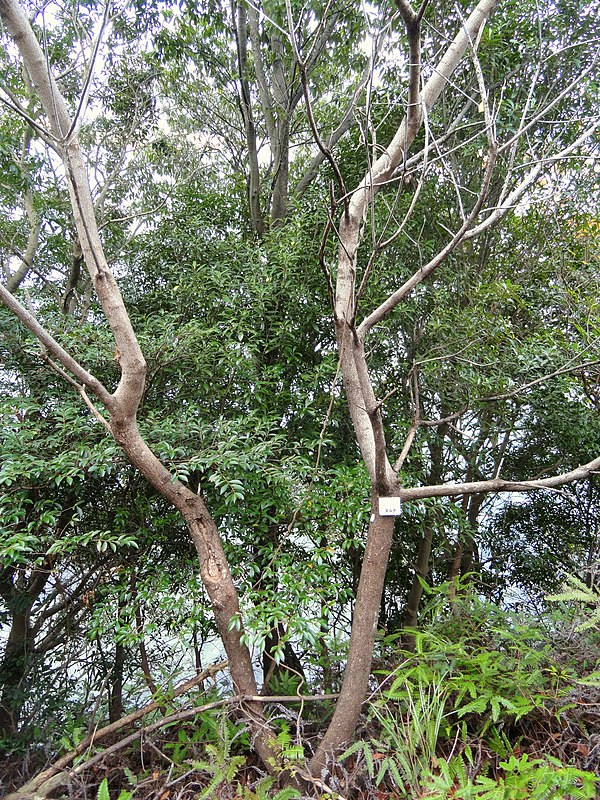
Brucea javanica (also known as Macassar kernels) is a shrub in the family Simaroubaceae. The specific epithet javanica is from the Latin, meaning "of Java". Other common names in English include Java brucea and kosam.
Java brucea shows strong disease resistance and is usually not vulnerable to diseases. For care, this plant is fairly low-maintenance. When grown outdoors it needs little watering, and larger specimens typically do not require pruning. Smaller plants, however, should be pruned after they finish blooming. Java bruceat is suitable for anyone with an outdoor area, such as a garden or a deck, and does not demand much care experience.
How to keep Brucea Javanica.
Light
Java brucea comes from the understory of tropical forests, where it gets dappled sunlight. It thrives in partial sun but can also tolerate full sun, adapting well to a range of light levels.
Water
Java brucea is native to the humid environments of Southeast Asia. It needs consistent moisture but can tolerate short periods of dryness. For optimal growth, water it every 2-3 weeks. Additionally, using mulch can help retain soil moisture, particularly during its active growing season.
Temperature
Java brucea originates from temperate regions and performs best in temperatures of 68 to 95 °F (20 to 35 ℃). During colder months, keeping the temperature at or above 68 °F (20 ℃) is required for healthy growth.
Fertilizer
Fertilization is essential for caring for Java brucea. Regular feeding during the growing season maintains energy for its showy leaves and supports overall growth. Ignoring fertilization can lead to unhealthy foliage, reduced ornamental appeal, and stunted or weak growth that is prone to breakage.
Pruning
Java brucea benefits from winter pruning to keep the plant healthy and productive. During this time, remove any dead or diseased wood to encourage new growth and boost berry production. It's also important to thin out crowded branches to improve air circulation. Be careful not to over-prune, as this can stress the plant. Instead, aim to maintain a balanced structure for the best health and productivity.
Botanical profile.
- Plant Type
- Tree, Shrub
- Life Cycle
- Perennial
- Genus
- Brucea
- Family
- Simaroubaceae
- Hardiness Zone
- 10
- Mature Height
- 4.88 m
- Mature Spread
- 2.13 m to 3.96 m
- Leaf Color
- Dark Green
- Leaf Type
- Evergreen
- Flower Color
- Yellow, Green
- Flower Size
- 0.15 cm to 0.20 cm
- Bloom Time
- Late spring, Summer
- Planting Time
- Spring, Summer, Autumn
- Harvest Time
- Late summer, Fall
- Native Area
- Nepal, Sri Lanka, India, Malaysia, Indonesia, Cambodia, Vietnam, Myanmar, Philippines, Singapore, Laos, Brunei, Thailand, China
Other names.
Reader questions.
What is the native climate for Java brucea?
Java brucea is native to temperate climates, thriving in conditions between 68 to 95 °F (20 to 35 °C). It's extremely heat-loving and requires a minimum temperature of 68 °F (20 °C) for healthy growth, making it essential to maintain such conditions, especially in colder seasons. During autumn, when grown outdoors, it is recommended to bring the plant indoors, ensuring it's placed near a bright window but at a certain distance from heaters to avoid harm.
How does lower temperature affect Java brucea, and what are the solutions?
Java brucea is intolerant of low temperatures and thrives best when the temperature is consistently above 20°C. Winter temperatures should be kept above 5°C to prevent damage. Exposure to temperatures below 1°C can cause the leaves to lighten in color, followed by browning or blackening after frost damage, alongside symptoms like wilting and drooping. The solution involves trimming off the frost-damaged parts of the plant and immediately moving it to a warm indoor environment. Placing the plant near a south-facing window ensures ample sunlight, and avoiding placement near heaters or air conditioning vents helps prevent excessive dryness.
How does high temperature affect Java brucea, and what are the solutions?
During the summer, it's crucial for the health of Java brucea that temperatures remain below 35°C to prevent heat stress. When temperatures exceed 41°C, the plant may experience lighter leaf color and increased susceptibility to sunburn. The solution to combat high temperature stress involves trimming away sunburned and dried parts of the plant, relocating it to a shaded location during the peak midday and afternoon sun, and ensuring the soil remains moist by watering in the morning and evening.