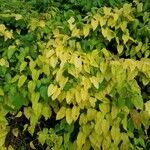
Brunnichia ovata
American buckwheat vine · Buckwheat vine · Redvine
Description
Source: leafsnapBrunnichia ovata, commonly known as American buckwheat vine, is a deciduous climbing plant in the Polygonaceae family. Native to the southeastern United States, it thrives in wetlands, swamps, and along riverbanks. The plant features a woody stem that can extend up to 10 meters in length and bears heart-shaped leaves that are green on top and pale underneath. The American buckwheat vine blooms from June to September, producing small greenish-white flowers arranged in clusters. These flowers are followed by small triangular fruits, each containing a single seed. The plant is an important food source for wildlife such as birds and deer. Historically, Native Americans used the American buckwheat vine for medicinal purposes, treating conditions such as diarrhea, dysentery, fever, and headaches. In landscaping, Brunnichia ovata is often cultivated on trellises or arbors due to its climbing nature, making it an excellent choice for covering walls or fences with its attractive foliage. During the growing season, the plant provides lush coverage before dropping its leaves in winter. Overall, Brunnichia ovata is an attractive, native species with significant ornamental value due to its foliage coloration. It is ideal for landscaping and offers habitat benefits when planted near waterways. The plant produces fruits that benefit wildlife year-round and provides cover habitat throughout all seasons, including winter, when other vegetation may be dormant. This species is particularly valuable in riparian zones, where water quality improvement efforts may be underway, such as stream restoration projects. The plant helps stabilize banks to reduce erosion, improve aquatic habitats, and offer valuable cover habitat throughout the year, making it a crucial component in environmental restoration initiatives.
Care Guide
💧 Water Every 7 days
The American buckwheat vine, native to the southeastern United States, thrives in humid subtropical climates with well-drained, moist soils. It requires consistent moisture and benefits from being watered every three weeks, ideally with rainwater. During its active growing season, it is often seen climbing over structures, which encourages lush growth.
☀️ Light Full sun
American buckwheat vines flourish when exposed to unobstructed sunlight throughout the day, indicating they prefer abundant light. Despite this, these plants can endure reduced sunlight, though not extremely dim conditions. In their native habitat, American buckwheat vines grew in full sun. Too much or too little light can compromise the plants' health.
What are the sunlight requirements for American buckwheat vine?
American buckwheat vine thrives best in full sun, requiring more than 6 hours of sunlight per day. However, it can also grow under partial sun conditions, which means about 3-6 hours of sunlight daily. It's vital to monitor the movement of sunlight through your garden and find spots that offer an ideal mix of light and shade, ensuring your plants remain healthy and happy.
What should I know about the essentials for growing American buckwheat vine?
The American buckwheat vine needs a lot of sunlight to grow well, as it's accustomed to unobstructed solar rays throughout the day in its natural habitat. Though it can tolerate some shade, overly dim conditions should be avoided to maintain the plant's health. If natural light is insufficient, especially in winter or less sunny areas, artificial lighting can be a great solution. LED lights are recommended because they can be customized to provide specific wavelengths needed by the plant. The amount of artificial light required varies depending on whether the plant needs full sun, partial sun, or full shade.
What are the common symptoms of inappropriate lighting for American buckwheat vine?
Common symptoms of insufficient lighting in American buckwheat vine include smaller new leaves, leggy or sparse growth, and premature leaf drop. The plant may experience a halt in growth, pale new leaves, or chlorosis, where leaves lose their green color. Excessive sunlight can lead to sunscald, leaf curling, wilting, and leaf scorching. These symptoms indicate the plant's struggle with either too much or too little sunlight, affecting its health and growth.
How can I address lighting issues for American buckwheat vine indoors?
To address lighting issues for American buckwheat vine indoors, gradually relocate your plant to a sunnier spot, aiming for at least 6 hours of direct sunlight daily. Optimal spots are often in front of south-facing windows. If the plant is too large to move easily, consider supplementing with artificial light, keeping a desk or ceiling lamp on for at least 8 hours a day, or invest in professional grow lights. Parts of the plant that suffer from insufficient light might not recover, but with increased light exposure, new growth will be healthy.
What steps should I take to improve lighting for American buckwheat vine outdoors or in the ground?
For outdoor plants or those in the ground, improving lighting starts by identifying and reducing obstructions that block sunlight, like pruning trees. For smaller plants, consider transplanting during their dormant period in late winter or early spring to a location with better sunlight and drainage. When adjusting plant locations, always do so gradually to avoid sunburn by moving them step by step to sunnier positions each week.
🌡️ Temperature 15–35°C
The American buckwheat vine does best in its native temperate climate, preferring temperatures from 59 to 95 °F (15 to 35 °C). Seasonal adjustments to temperature may be required to maintain optimal growth.
💨 Humidity
🪴 Soil 6-7
🌱 Fertilizer
Fertilize your American buckwheat vine in early spring to encourage healthy growth. Regular feeding boosts overall health, leading to vigorous growth, greater tolerance of harsh conditions, and enhanced resistance to diseases and pests. Keep a consistent fertilization routine for your American buckwheat vine to preserve vibrant, deeply colored foliage and a lush look.
🪴 Pot & Repot
✂️ Pruning
The American buckwheat vine is a climbing plant known for its heart-shaped leaves and small white flowers. To maintain its health and encourage abundant blooming, it's best to prune it in early spring. Remove any dead stems and trim back one-third of the previous year's growth. This helps promote vigorous flowering, improves air circulation, and reduces the risk of diseases caused by overcrowding.
🌿 Propagating
🐛 Diseases & pets
☠️ Toxicity
Characteristics
- Plant Type
- Vine
- Life Cycle
- Perennial
- Genus
- Brunnichia
- Family
- Polygonaceae
- Hardiness Zone
- 7-9
- Mature Height
- 12.19 m
- Mature Spread
- 2.13 m to 3.96 m
- Leaf Color
- Green, Dark Green
- Leaf Type
- Deciduous
- Flower Color
- White
- Flower Size
- 5.08 cm to 25.40 cm
- Bloom Time
- Early summer, Mid summer
- Planting Time
- Spring, Summer, Autumn
- Harvest Time
- Late summer, Early fall, Mid fall
- Native Area
- Georgia