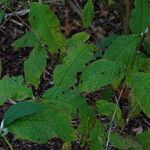
Buddleja albiflora
Butterfly Bush
Description
Source: leafsnapBuddleja albiflora is a deciduous shrub native to the mountains of central China, where it grows on shrub-clad slopes at altitudes of between 1,000 and 2,000 m. Named rather carelessly by Hemsley, the species was discovered by Henry, and introduced to western cultivation by Wilson in 1900.
Care Guide
💧 Water
The white-flowered butterfly bush thrives in well-drained soil and is drought-tolerant. It requires watering only every three weeks, allowing the soil to dry out between waterings. This plant does well in moderate humidity, making it ideal for xeriscaping, as it flourishes with minimal water while attracting pollinators. Its resilience and beauty make it perfect for outdoor gardens.
How should I water my White flowered butterfly bush?
To ensure excellent root development, consider placing a garden hose at the base of your plants instead of directly spraying the leaves. If your plants are exposed to direct sunlight outdoors, it's important to water the leaves more often. You can also use bubblers or soaker hoses to keep the roots moist. When adding or removing plants, use soaker hoses that cover the entire garden or bed to allow deep root growth. Make sure to drain any excess water and wait for the soil to dry before watering again. To prevent diseases, it's best to water at ground level. On sunny days, it can be beneficial to spray the entire bush with water. Whether your butterfly bush is potted or in-ground, keep in mind that it prefers deep watering rather than light sprinkling.
What do I do if I give the White flowered butterfly bush too much or too little water?
A White flowered butterfly bush that is overwatered may show signs of yellowing, dropping leaves, and wilting. The plant may also appear dull and unhealthy, with mushy stems. It is important to adjust your watering schedule when these signs begin to appear. Wilting can also be a sign of under watering, which can cause the leaves to become crispy and dry. When the soil is dry and simply watering is not enough, give the plant a thorough watering. This will help the butterfly bush recover, but it may still have dry and yellow leaves due to damage to the root system. Once the plant returns to normal, the yellowing of the leaves will stop. When keeping a White flowered butterfly bush indoors, always check the moisture levels in the pot. Avoid overwatering and look for signs of black spots, which may indicate the need for the soil to dry out for a few days before watering again. Overwatering can lead to root rot, so if you see discolored and slimy roots, consider transferring the plant to a different pot. It is important to prevent root rot by not letting the soil become too soggy. When planting a White flowered butterfly bush outdoors, dig a little deeper and check the soil moisture with your fingers. If the soil is too dry, it may be a sign of underwatering, which requires adequate watering to help the plant recover.
How frequently do I need to water my White flowered butterfly bush?
The White flowered butterfly bush prefers deep and infrequent watering, especially when it's planted in pots. In pots, the soil dries out faster due to limited water storage. If you live in a cold region, you should water them every 3 to 5 days. It's best to water them in the morning when the soil is dry, whether you have them indoors or outdoors. You can also check the soil moisture by looking at the top 2-3 inches of soil; if it's dry, it's time to water the plant. During hot days, you may need to check the soil moisture daily as the heat can quickly dry out the soil in the pot. If you have a garden, you'll also need to irrigate the soil. In hot climates, watering once a week should be sufficient. Only water when you notice 2 to 3 inches of soil becoming too dry, both indoors and outdoors. Take into account the amount of rainfall to avoid overwatering and potential root rot. The White flowered butterfly bush typically grows in spring and fall. If it's outdoors, adding a layer of mulch about 3 to 4 inches deep can help conserve water. Sandy soil drains faster, so plants grown in it will need more frequent watering. On the other hand, clay soil retains water better, so you can wait 2-3 days before watering to avoid root rot. It might be helpful to mark the date on the calendar whenever you water and keep an eye on drooping leaves, as this could indicate that you need to water a day earlier.
How much water should I give my White flowered butterfly bush?
The White flowered butterfly bush generally needs about a gallon of water on a regular basis. For potted plants, water them deeply until you see water dripping from the bottom of the pot. Then, wait for the soil to dry before watering them again. You can use a water calculator or moisture meter to track how much water you give your plant in a week. During the flowering period, provide plenty of water but allow the moisture to evaporate to prevent root rot. If the White flowered butterfly bush is planted outdoors and receives adequate rainfall, it may not need extra watering. When the plant is young or newly planted, make sure it gets 1-2 inches of rain per week. As the bush grows, it can survive solely on rainfall. Only in very hot weather or when there is no rainfall for 2-3 weeks should you consider giving it a thorough watering during the cooler parts of the day to prevent heat damage. Additional watering may be necessary during extended dry periods.
Should I water my White flowered butterfly bush more or less depending on the time of year or the weather?
The White flowered butterfly bush should be grown outdoors and needs rainwater, but only needs to be watered during persistent dry weather. In spring and fall, the soil should be kept moist but not too wet. Alternating dry and moist conditions will help the bush grow well. During the summer, hot weather can cause rapid evaporation, so you may need to water it more often if there is no rain. In winter, the bush needs less water because it goes dormant. Use a well-draining soil mixture like terracotta to help the water evaporate faster during this time. Once the bush starts to leaf out in spring, you can stop watering altogether. The fall and winter rains should be sufficient for it to survive the dormant period. After spring, you can encourage growth and blooming by cultivating the bush when the weather warms up. Drainage should be good at all times, especially during winter, so the bush is not subjected to excess water. If the bush is in a pot, make sure to keep it well-watered during summer, but provide adequate drainage to prevent cold and wet roots. It's best to water the entire root system deeply once or twice a week, depending on the weather, instead of just sprinkling water on the leaves. Avoid letting the bush dry out completely in fall or winter, even during dormancy. Do not let the plants sit in water for too long, as this can cause them to die in winter. Applying mulch can help reduce stress, conserve water, and promote healthy blooming.
☀️ Light Full sun
The white-flowered butterfly bush performs best in full sun all day but can also grow in spots with a bit of shade. Native to areas with plentiful light, it prefers those conditions for healthy development. Both too little and too much sunlight can impede its growth. Reduced sun often leads to fewer blooms, while overexposure can cause leaves to become scorched.
What are the sunlight requirements for a White flowered butterfly bush?
The White flowered butterfly bush requires full sun, meaning it thrives best with above 6 hours of sunlight daily. It can also grow in partial sun, with about 3-6 hours of sunlight. Observing how sunlight moves through your garden is essential to pick spots that provide the right balance of light and shade, ensuring optimal growth. This plant originates from habitats with abundant light and favors such conditions, though too little or too much sun can adversely affect its health, potentially leading to fewer blooms or scorched leaves.
How can artificial lighting be used for indoor plants, and what are the specific needs for full sun, partial sun, and full shade plants?
When natural sunlight is insufficient for indoor plants, especially during winter or in less sunny spaces, artificial lighting serves as an essential solution to promote healthier growth. LED lights are preferred due to their ability to offer specific wavelengths needed by plants. For full sun plants, 30-50W/sq ft of artificial light is required, while partial sun plants need 20-30W/sq ft, and full shade plants require 10-20W/sq ft. The artificial light source should be placed 12-36 inches above the plant to mimic natural sunlight effectively. Furthermore, to simulate natural daylight hours, most plants benefit from 8-12 hours of light per day.
What are some key symptoms of light deficiency in White flowered butterfly bushes?
White flowered butterfly bushes show several symptoms when subjected to suboptimal lighting, including smaller new leaves, leggy or sparse growth, accelerated leaf drop, and halted or nonexistent new growth. These symptoms suggest that the plant is struggling due to insufficient light, as it shifts into survival mode and conserves resources by shedding older leaves and halting new leaf production. Limited sunlight can also lead to leaves developing irregular color patterns or appearing pale due to a lack of chlorophyll and essential nutrients.
What are the effects of too much sunlight on White flowered butterfly bushes, and how do they manifest?
White flowered butterfly bushes can suffer from too much sunlight, leading to chlorosis, where leaves lose their green pigment and turn yellow, indicative of chlorophyll breakdown and impaired photosynthesis. Sunscald may also occur, causing pale, bleached, or necrotic areas on the plant tissue. Furthermore, leaves may curl or twist as a defense mechanism to minimize water loss and sun damage under intense sunlight, and wilting may occur due to increased water loss through transpiration. Leaf scorching, characterized by brown, dry, crispy edges on leaves, results from excessive sunlight, reducing the plant's photosynthetic capacity and health.
How can you address light-related issues for better health of your White flowered butterfly bush?
To optimize the growth of your White flowered butterfly bush, gradually move the plant to a location with at least 6 hours of direct sunlight daily. For indoor plants that are large or not easily movable, consider using artificial light, keeping a desk or ceiling lamp on for at least 8 hours daily, or invest in professional plant grow lights. When dealing with outdoor plants, it's crucial to adapt them gradually by moving to sunnier locations each week, avoiding sudden changes in light intensity that may cause sunburn. For areas with obstructions, identify what's blocking the sunlight and consider pruning or transplanting smaller plants to sunnier locations with good drainage during their dormant period.
🌡️ Temperature 5–35°C
The white-flowered butterfly bush shows considerable adaptability to different climate conditions, from sizzling summers to frigid winters. Still, it has a preferred temperature range for healthy growth. If temperatures become too high, the plant is vulnerable to heat and humidity stress, which can cause it to die. In locations where temperatures near the lower limit of its cold tolerance, taking insulating measures to protect the plant is important.
What is the name of the White flowered butterfly bush?
The common name for the plant is 'White flowered butterfly bush.' Its botanical name is Buddleja albiflora, referring to its scientific classification.
💨 Humidity
🪴 Soil 6-7
🌱 Fertilizer
The timing of fertilization is important for the White flowered butterfly bush. Apply fertilizer in early spring and repeat monthly until early summer. Fertilizer promotes attractive blooms and supplies energy during both dormant and active growth phases.
Why should I use fertilizers on my White flowered butterfly bush?
There are several reasons why fertilizing a White flowered butterfly bush is important. Firstly, it will help the plant produce beautiful blooms. Fertilizing in early spring is especially effective in ensuring excellent flowers during that season. Additionally, fertilizer provides the plant with energy that it can store in the ground during its dormant growth phases. Giving the bush extra nutrients during the fall or late spring planting process will help it store more energy to use when active growth resumes.
When should I fertilize my White flowered butterfly bush?
To effectively fertilize a White flowered butterfly bush, timing is crucial. Applying fertilizer too early while the bush is still dormant will be ineffective and get washed away by rainwater, leading to waste and pollution. The first application of fertilizer should be in early spring, followed by monthly applications until early summer.
When is a bad time to put fertilizer on my White flowered butterfly bush?
To ensure optimal blooms, avoid using fertilizers with excessive nitrogen for White flowered butterfly bush. Instead, opt for fertilizers with lower levels of nitrogen compared to other nutrients. Additionally, refrain from fertilizing after early autumn, as this can cause excessive growth just before winter. Moreover, avoid fertilizing during hot and dry periods, as dry soil does not effectively deliver the fertilizer and stimulating growth can further strain the plant's water requirements. It is advisable to apply fertilizer during the cooler temperatures of earlier seasons. Lastly, be mindful that White flowered butterfly bush can inadvertently absorb fertilizer that has been applied to neighboring plants or lawns, thus potentially receiving a double-dose.
What kind of plant food does my White flowered butterfly bush need?
To help your White flowered butterfly bush thrive, it is important to use a fertilizer that provides a balanced mix of nutrients, with slightly higher amounts of phosphorus. Some gardeners prefer to enrich the soil by adding organic materials like compost, worm castings, and manure. When flower buds start to appear, experienced gardeners may choose to supplement with water-soluble fertilizers containing phosphorus. This promotes better flower development, resulting in larger and longer-lasting blooms. There are various types of fertilizers available, but liquid or powdered forms tend to work best for White flowered butterfly bushes. Regardless of the type you choose, remember to dilute the fertilizer and apply it while watering your bush.
How should I add fertilizer to my White flowered butterfly bush?
To properly fertilize your White flowered butterfly bush, always follow the instructions specific to the type of fertilizer. It's crucial to avoid over-fertilization, so determining the correct amount is important. A general guideline is to use the age of the tree or the trunk diameter as a reference. Estimate using one-tenth of a pound of fertilizer per year or per inch of trunk, with a maximum of one pound. Granular and organic fertilizers like blood meal can be sprinkled around the base of the tree, covering the area up to the drip line, but make sure they don't touch the trunk. Over time, the granules break down and seep into the soil, where the roots can absorb them. After fertilizing, apply a one-inch layer of compost around the base of the tree and thoroughly water it.
🪴 Pot & Repot
✂️ Pruning
The white-flowered butterfly bush is a deciduous shrub known for its white blooms that attract butterflies. To promote vigorous flowering and remove weak stems, prune the shrub in early spring, cutting it back to 30-61 cm (12-24 inches) from the ground. This practice not only helps to maintain the plant's shape but also prevents disease and enhances its visual appeal.
🌿 Propagating
🐛 Diseases & pets
☠️ Toxicity
Characteristics
- Plant Type
- Tree, Shrub
- Life Cycle
- Perennial
- Genus
- Buddleja
- Family
- Scrophulariaceae
- Hardiness Zone
- 5-9
- Mature Height
- 3.96 m
- Mature Spread
- 3.96 m
- Leaf Color
- Dark Green, Olive Drab
- Leaf Type
- Deciduous
- Flower Color
- Lavender, White
- Flower Size
- 0.51 cm to 1.02 cm
- Bloom Time
- Summer
- Planting Time
- Spring, Summer, Autumn
- Harvest Time
- Early fall, Mid fall
- Native Area
- China