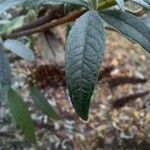
Buddleja davidii
دم موشی · Butterfly bush · Buddleia · Violet Butterfly Bush · Summer-lilac
Description
Source: leafsnapBuddleja, commonly known as butterfly bush, is a genus of flowering plants belonging to the family Scrophulariaceae. Native to Asia, Africa, and the Americas, this plant is renowned for its attractive and fragrant flowers, which bloom in a variety of colors, including pink, purple, white, and red. Buddleja plants are either deciduous or evergreen shrubs that can grow up to 5 meters tall. Their lance-shaped leaves have serrated edges and are arranged oppositely along the stem. The flowers, which appear in clusters at the ends of branches, bloom during the summer months. For optimal growth, Buddleja requires full sun exposure but can tolerate partial shade. It prefers well-drained soil with moderate moisture levels but can also endure drought conditions once established. Gardening enthusiasts favor Buddleja for its ability to attract butterflies and other pollinators such as bees and hummingbirds. Additionally, it possesses medicinal properties, including anti-inflammatory effects on skin conditions like eczema. However, it is important to note that Buddleja has been classified as an invasive species in some regions due to its rapid spread through self-seeding. This can potentially disrupt local ecosystems if not properly managed or controlled through pruning or, if necessary, the application of herbicides.
💡 While the butterfly bush offers an abundant food source for many butterfly species, it may not be as pollinator-friendly as its name implies. In regions like the Pacific Northwest of North America, where it is considered invasive, the butterfly bush often displaces the plants that many caterpillars rely on for survival.
🌳 Beyond its typical recognition for decorative value, the butterfly bush also plays an important role in urban settings where it can act as a bioindicator of pollution. Its ability to grow in poor soils is used in soil remediation projects. Notably, the butterfly bush is praised for attracting many pollinators, including butterflies, and for promoting urban biodiversity. Studies have shown it is used in butterfly gardens, which strengthen the local insect population and help maintain ecological balance.
🎭 Fresh starts, renewal
Care Guide
💧 Water Every 7 days
The butterfly bush flourishes near riverbanks and prefers regular moisture, needing to be watered twice a week. Although it has moderate drought tolerance, it grows best with consistent watering. To prevent root rot during its active growing season, plant it in well-draining soil. This will ensure optimal health and attractively blooming flowers.
When should I water my butterfly bush?
To determine the best time to water your butterfly bush, observe the soil dryness; the plant needs water when the top 1 to 2 inches of soil are dry. Also, look for signs in the leaves, such as wilting or loss of color, which indicate a need for watering. During the pre-flowering stage, it's crucial to ensure the plant is adequately watered to support bud development. Be mindful of the weather, as butterfly bushes require more water in warm and sunny conditions. Avoid watering too early or late to prevent root diseases or stunting the plant's growth.
How should I water my butterfly bush?
Watering your butterfly bush properly involves using a slow, steady stream of water directed at the base of the plant, ensuring the water penetrates deeply into the root zone without wetting the foliage excessively. A watering can with a narrow spout is ideal for this task, allowing for precise watering. It's recommended to water deeply and infrequently, allowing the top few inches of soil to dry out between sessions to encourage healthy root growth and prevent root rot.
How much water does butterfly bush really need?
The amount of water your butterfly bush requires can vary based on factors such as pot size, root depth, and plant size. Generally, a moderate watering method is advised, with small plants in 6-inch pots needing about 250-300 ml of water per session and larger plants requiring up to 500-600 ml. It's important to maintain a balance to prevent both overwatering and underwatering, ensuring the soil is moist but not waterlogged. Regularly check the soil moisture level and adjust your watering regimen accordingly to maintain healthy, properly hydrated plants.
What kind of water is best for butterfly bush?
Butterfly bush is not overly specific about the type of water used, thriving well on regular tap water. However, it's tolerant to chlorine, with only high levels potentially causing harm, so letting tap water sit out for 24 hours before use can be beneficial. It's also moderately tolerant to fluoride and minerals, but be mindful of potential accumulation in the soil. Lukewarm to room temperature water is ideal to avoid shocking the plant's roots. Regularly moistened soil with good drainage aligns best with the butterfly bush's needs, avoiding overwatering.
How do butterfly bush's watering needs change with the seasons?
The watering needs of butterfly bush change throughout the year. In spring, regular watering supports the growth of shoots and buds, aiming for consistently damp soil. Summer demands more frequent deep waterings to support its peak growth and flowering. In autumn, reduce watering frequency as growth slows, but ensure the plant stays hydrated before winter. During winter's dormancy, water the bush less frequently, only maintaining enough moisture to prevent the soil from completely drying out, and avoid overwatering to prevent root damage from freezing.
☀️ Light Full sun
The butterfly bush does best in locations that get plenty of sunlight all day. It can tolerate moderate sun, though this may impact the plant's growth and its flowering. Excessive shade can cause slow growth and poor blooms, while too much sun can lead to leaf burn.
What are the sunlight requirements for a butterfly bush?
A butterfly bush thrives in areas that receive ample sunlight throughout the day, preferring full sun which means above 6 hours of direct sunlight daily. It can also tolerate partial sun, about 3-6 hours of sunlight, although this may affect its growth and flowering capacity. It's important to ensure that the plant is placed in a location that meets these sunlight requirements for optimal growth and health. Additionally, excessive shading can lead to slow growth and poor blooms, while too much direct sun exposure may cause leaf burn. Observing how sunlight moves through your garden helps in choosing spots that provide the perfect balance of light and shade, ensuring the plant's happiness.
How can artificial lighting be utilized for indoor butterfly bush plants?
Indoor butterfly bush plants require adequate lighting to grow optimally, especially when natural sunlight is insufficient, such as in winter or less sunny spaces. Artificial lights can offer a vital solution. LED lights, in particular, are recommended because they can be customized to provide specific wavelengths of light your plants need. For full sun plants, 30-50W/sq ft of artificial light is needed, for partial sun plants 20-30W/sq ft, and for full shade plants 10-20W/sq ft. The light source should be placed 12-36 inches above the plant to mimic natural sunlight, and most plants need 8-12 hours of light per day to mimic natural daylight hours effectively.
What are key symptoms of insufficient or excessive light exposure in butterfly bushes?
When a butterfly bush receives insufficient light, it may show symptoms such as smaller new leaves, leggy or sparse growth, early leaf drop, slowed or stopped new growth, lighter-colored new leaves, and symptoms of poor health. Excessive light exposure can lead to chlorosis (yellowing leaves), sunscald (pale or necrotic spots on leaves), leaf curling, wilting, and leaf scorching. These symptoms indicate either a lack of adequate sunlight preventing effective photosynthesis and nutrient absorption or damage from overexposure to sunlight which can harm the plant's overall health.
How can lighting conditions be improved for indoor and outdoor butterfly bushes?
For indoor butterfly bushes, it's beneficial to gradually move plants to sunnier locations each week, aiming for at least 6 hours of direct sunlight daily. A south-facing window with curtains kept open during the day is ideal for maximizing sunlight exposure. If moving the plant isn't feasible, or if it's large, using artificial light such as desk or ceiling lamps for at least 8 hours daily or investing in professional plant grow lights can provide ample light. For outdoor plants, adjusting the location gradually to avoid sudden changes in light intensity helps prevent sunburn. Reducing obstructions like pruning branches that block sunlight and transplanting smaller plants during their dormant period to sunnier locations with good drainage are effective strategies. It's important to note that parts of the plant affected by prior insufficient light may not recover, but new growth should be healthier following these adjustments.
🌡️ Temperature 15–35°C
The butterfly bush is native to regions where average temperatures range from 15 to 35 ℃ (59-95 ℉). It favors warmer conditions and can cope with cooler weather by slowing its growth during winter. In summer, if temperatures rise above 30 ℃ (86 ℉), it may require extra watering.
What are the essentials for growing a Butterfly Bush?
The Butterfly Bush (Buddleja davidii) thrives in regions with average temperatures ranging from 15 to 35°C (59-95°F), favoring warmer climates. During peak summer conditions, when temperatures soar above 30°C (86°F), the plant may require additional watering to sustain its growth. Although the Butterfly Bush possesses a strong resistance to cold, it can adapt to cooler temperatures by slowing its growth in winter. Protection from extreme cold below its growth limit is not normally necessary, but if exceptionally low winter temperatures are anticipated, safeguarding the plant with non-woven fabric or cloth wrapped around its trunk and branches is advisable. It is also recommended to water the plant abundantly before the first freeze in autumn to ensure the soil remains moist and enters a frozen state, thus preventing drought and water scarcity during winter and early spring.
How does the Butterfly Bush respond to low temperatures?
The Butterfly Bush is notably cold-tolerant, ideally thriving at temperatures above its minimum suitable growth threshold. Throughout the winter, it is important to keep the plant above its minimum tolerable growing temperature. Falling below its growth limit temperature doesn't visibly affect the plant during winter; however, as spring arrives, the branches may become brittle, dry, and fail to produce new shoots. To mitigate these effects, it's recommended to prune away any dead branches in spring to promote healthy growth and regeneration.
How should I care for my Butterfly Bush in high temperatures?
During the summer months, it is crucial to ensure the Butterfly Bush does not exceed its maximum suitable growth temperature. Exceeding its maximum tolerable growing temperature can lead to discoloration of leaves, drying, and withering of the tips, along with an increased susceptibility to sunburn. To prevent these issues, trim away any parts of the plant that are sunburned or dried up. Relocate the bush to a spot that is shaded during the midday and afternoon hours, or use a shade cloth for protection. Ensure consistent watering in the mornings and evenings to maintain soil moisture and support the plant’s needs.
💨 Humidity
🪴 Soil 6-8
🌱 Fertilizer Every 115 days
Timing is essential when fertilizing a Butterfly bush. Apply fertilizer in early spring and continue once a month until early summer. Fertilizer supports production of attractive blooms and supplies energy during both dormant and active growth periods.
Why should I put fertilizer on my Butterfly bush?
Fertilizing your Butterfly bush is important for several reasons. One of the main benefits is that it helps the bush produce beautiful blooms. Early spring is the ideal time to fertilize, as it ensures excellent flowers during that season. Additionally, fertilizer provides the bush with energy that it can store in the ground during its dormant growth phases. By giving your Butterfly bush extra nutrients in the fall or late spring, it will have more energy to use when it resumes active growth.
When should I fertilize my Butterfly bush for the best results?
Proper timing is important when fertilizing Butterfly bush. Applying fertilizer too early, while the bush is still dormant, is ineffective and gets washed away by rainwater, leading to waste and pollution. It is recommended to apply the first round of fertilizer in early spring and continue fertilizing monthly until early summer.
When should I not put fertilizer on my Butterfly bush?
To ensure optimal blooming, avoid giving Butterfly bush a fertilizer with excessive nitrogen. Instead, opt for a fertilizer that has a lower nitrogen content compared to other nutrients. It's important not to fertilize Butterfly bush after early autumn, as this can promote excessive growth just before winter. Additionally, refrain from fertilizing during hot and dry periods, as dry soil is not as effective in delivering fertilizer. This can lead to stimulated growth that requires more water, which may not be available. It is advisable to apply fertilizer earlier in the season when temperatures are cooler. Lastly, keep in mind that nearby plants or lawns may inadvertently provide a double-dose of fertilizer to the Butterfly bush, so exercise caution.
What kind of fertilizer does my Butterfly bush need?
The best fertilizer for a Butterfly bush is one that has a balanced mix of the main plant nutrients, with slightly more phosphorus. Some gardeners choose to improve the soil by adding organic materials like compost, worm castings, and manure. Experienced gardeners often supplement with water-soluble fertilizers containing phosphorus when the flower buds start to appear. This helps the flowers develop better, grow larger, and bloom longer. Fertilizers come in many forms, but liquid and powdered forms tend to be the best for Butterfly bush. Regardless of the form, make sure to dilute the fertilizer and apply it while watering the Butterfly bush.
How should I feed my Butterfly bush?
To properly fertilize your Butterfly bush, it's crucial to follow the directions for the specific fertilizer you are using. Avoid over-fertilizing, as this can harm the plant. To determine the appropriate amount of fertilizer, you can use the age of the tree or the diameter of the trunk. Typically, you should apply about one-tenth of a pound of fertilizer per year or per inch of trunk, with a maximum of one pound. Apply granular or organic fertilizers, such as blood meal, by sprinkling them around the base of the tree, extending all the way to the drip line. Make sure to avoid getting the fertilizer in contact with the trunk. Over time, the granules will break down and seep into the soil, where the roots can absorb them. After fertilizing, spread a one-inch layer of compost around the base of the tree and water thoroughly.
🪴 Pot & Repot 2-3 years
When repotting Butterfly bush, select a flower pot 1-2 inches (2.5–5.1 cm) larger with ample drainage. Use a well-draining potting mix. Repot in spring or fall, making sure the root ball is slightly lower than the rim of the flower pot. Water thoroughly after repotting and place in a warm spot with indirect sunlight.
✂️ Pruning
To help your butterfly bush thrive, prune it properly. Ideally, cut it back to ground level in early spring. This encourages vigorous growth and larger blooms. Regularly remove any dead wood to keep the plant healthy, improve air circulation, and reduce pests. These practices promote strong new shoots before flowering, boosting the plant's vigor and bloom quality.
🌿 Propagating
🐛 Diseases & pets
☠️ Toxicity
Butterfly bushes (Buddleja davidii) are not poisonous, but they are no more so than any other garden plant. Planting them in areas where children, dogs, cats, and other animals live should be safe. Butterfly plants, in fact, are deer resistant. Hummingbirds and butterflies are attracted to them, and they feed them nectar.
Characteristics
- Plant Type
- Shrub
- Life Cycle
- Perennial
- Genus
- Buddleja
- Family
- Scrophulariaceae
- Hardiness Zone
- 7-10
- Mature Height
- 0.91 m to 4.88 m
- Mature Spread
- 1.22 m to 4.57 m
- Leaf Color
- Green, Gray, Yellow, White, Variegated, Silver
- Leaf Type
- Deciduous
- Flower Color
- Purple, Lavender, White
- Flower Size
- 2.54 cm
- Bloom Time
- Early summer, Mid summer
- Planting Time
- Spring, Autumn
- Harvest Time
- Mid summer, Late summer
- Native Area
- China