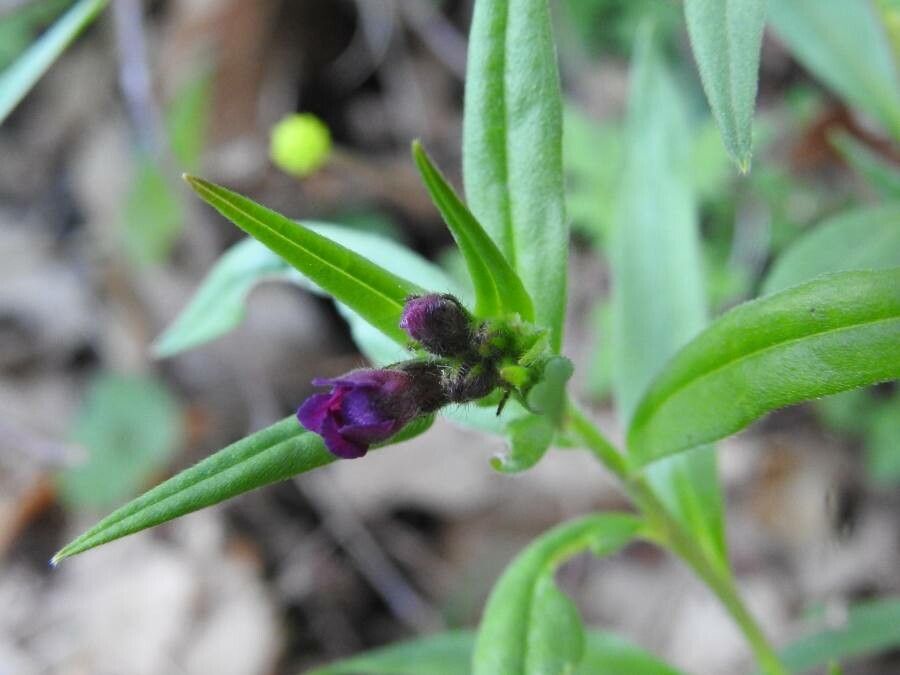
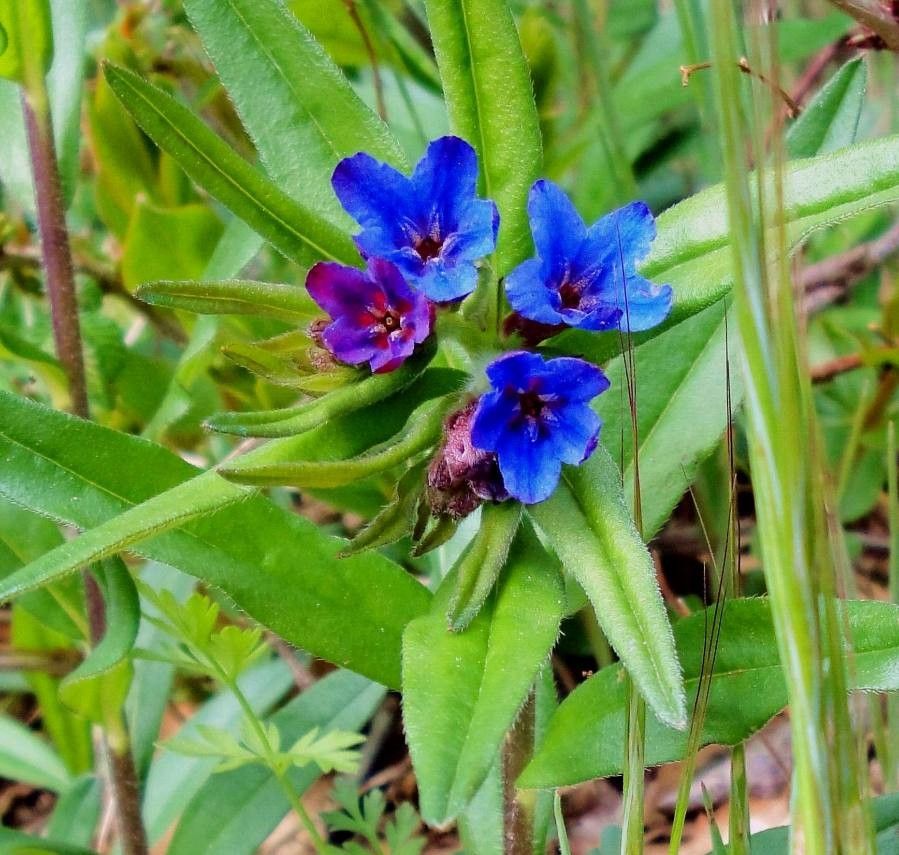
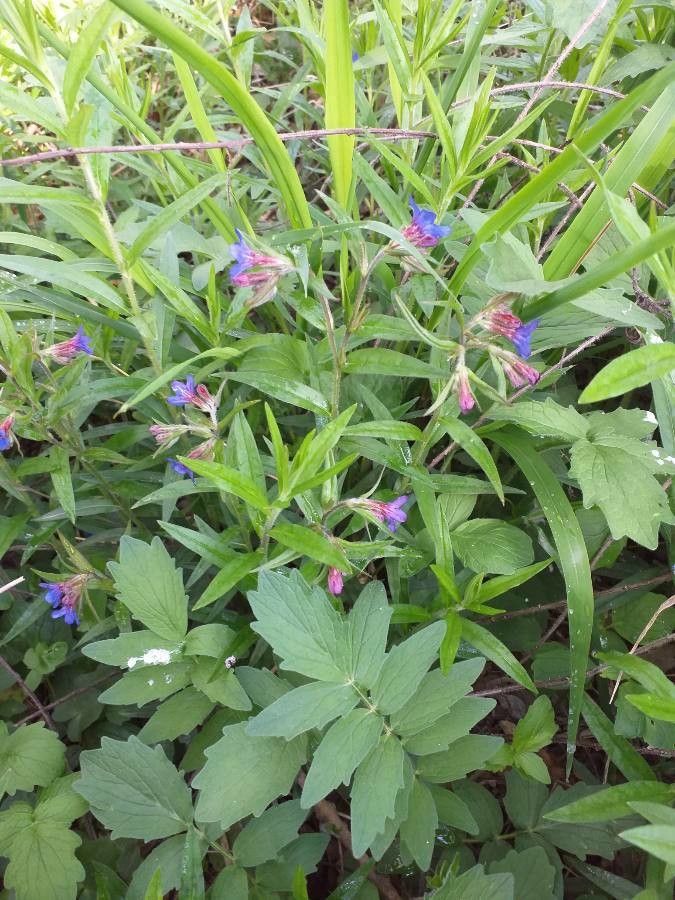
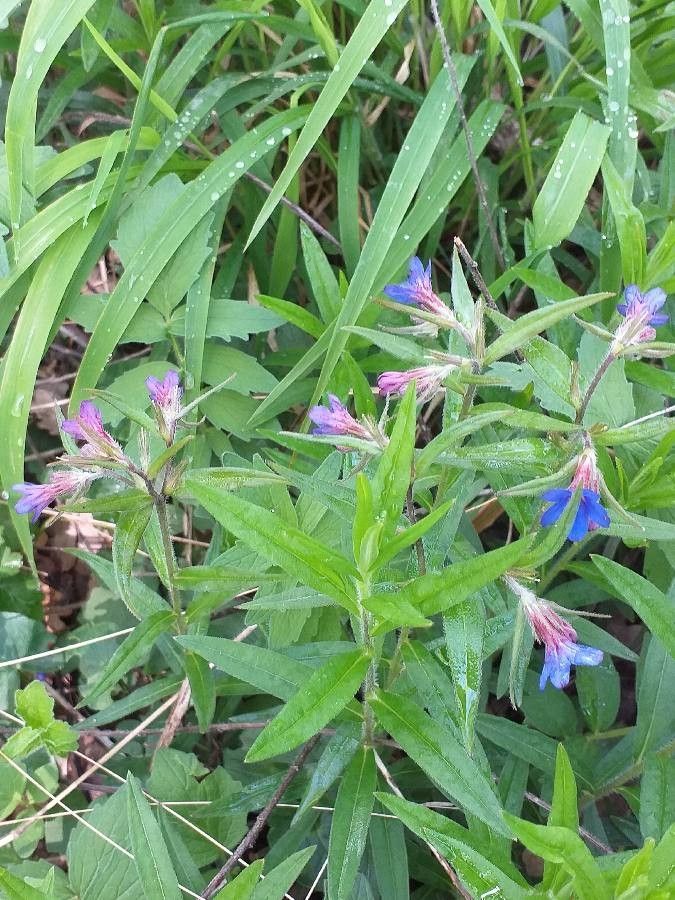
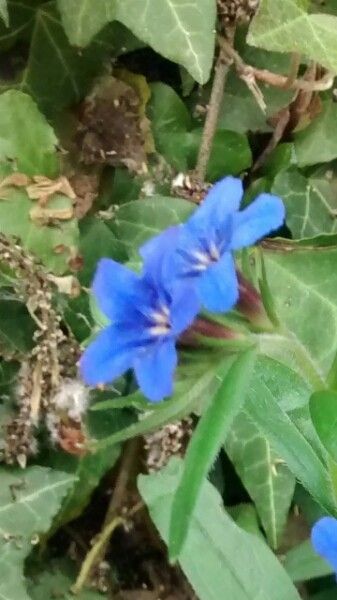
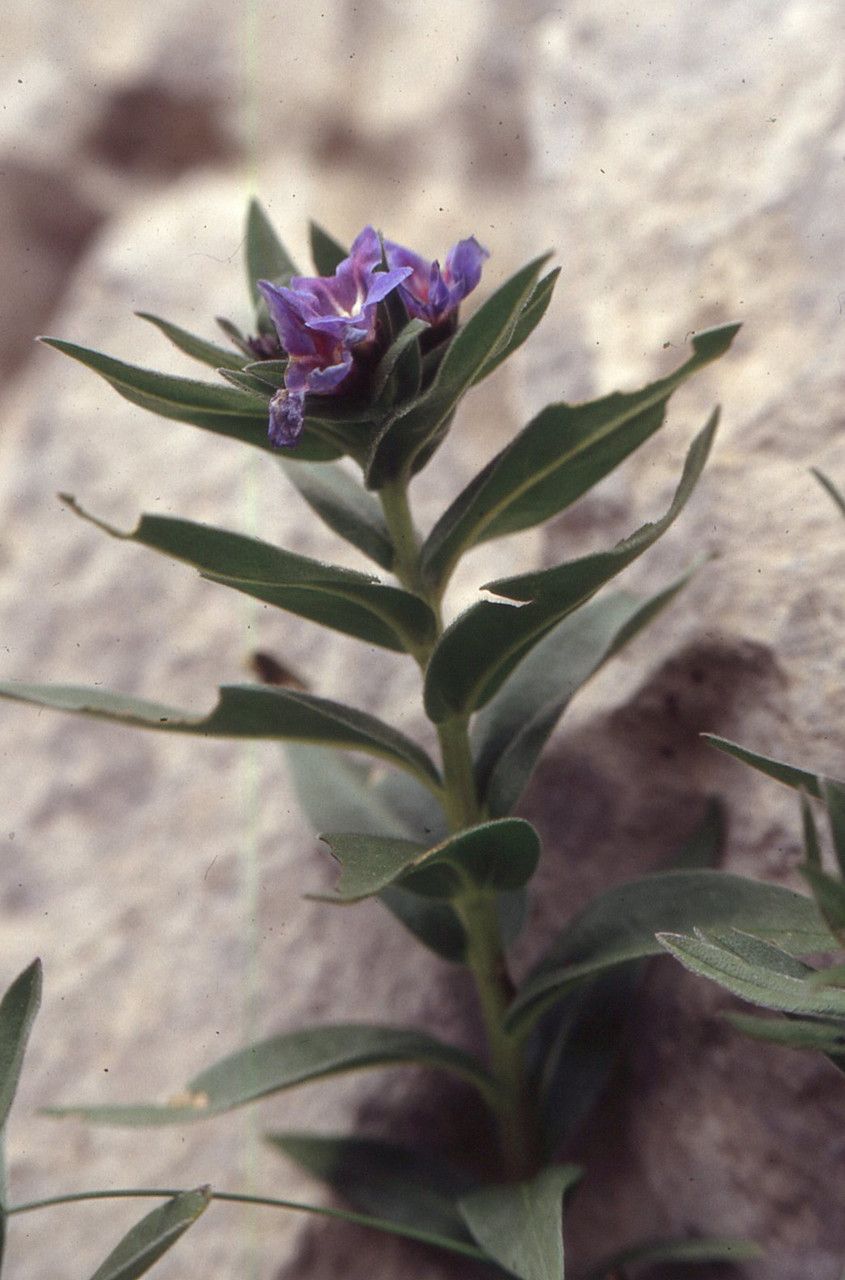
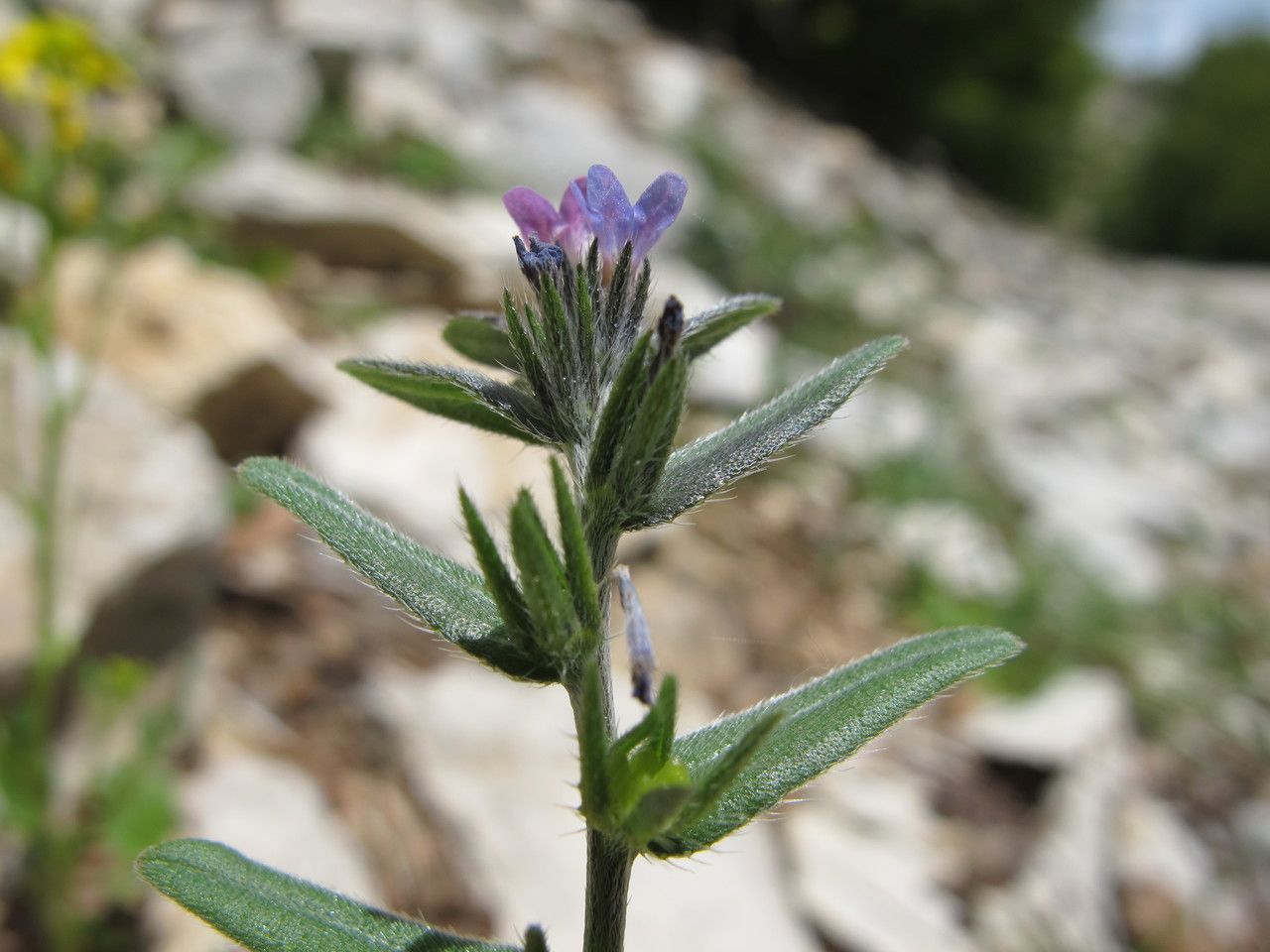
Buglossoides purpurocaerulea, commonly known as Purple Gromwell, is a perennial herbaceous plant in the Boraginaceae family. Native to the Caucasus region, it thrives in rocky areas and meadows at high altitudes. The plant reaches a height of 30-60 cm and features lance-shaped leaves that are hairy on both sides. Its small, bell-shaped flowers are purple-blue and consist of five petals arranged in a spiral pattern. Historically, Purple Gromwell has been valued for its anti-inflammatory medicinal properties. Additionally, its vibrant blue color makes it a popular natural dye for textiles. This plant prefers well-drained soil with full sun exposure but can tolerate partial shade. It requires moderate watering during the growing season but should be kept dry during winter dormancy. Overall, Buglossoides purpurocaerulea is an attractive ornamental plant that adds color and texture to gardens and landscapes while offering medicinal benefits.
Blue gromwell is fairly resistant to diseases and is generally not prone to them. Nonetheless, it can be affected by pests and diseases present in its surroundings. These infections are usually mild. In terms of care, this plant needs moderate maintenance. It should be pruned regularly to maintain an attractive appearance and healthy growth. Fertilizing can also help encourage flowering. Blue gromwell is suitable for anyone with outdoor space, such as a garden or patio, and does not require extensive care experience. It may need more attention when grown indoors.
How to keep Buglossoides Purpurocaerulea.
Light
Blue gromwell is a perennial herb that favors sunny spots and comes from open habitats, frequently growing in meadows and grasslands. It prefers full sun but can also tolerate partial sun.
Water
They are very resistant to drought; water moderately waiting for the substrate to be well dry. If your area lacks rainfall, consider giving your plants adequate watering every 2 weeks during the spring and fall. More frequent watering is needed in summer. Water newly planted Buglossoides purpurocaerulea thoroughly at least once a week to encourage new roots to grow down deeply. Stick your finger in the soil to check that it remains damp about one inch below the surface. Do not let the soil become bone dry or soggy; overwatering could also cause root rot.
Temperature
Blue gromwell can tolerate a wide range of temperatures, but its distribution may still be restricted by specific combinations of moisture and heat. It does best in warm summer climates with sufficient rainfall or watering. Extended periods of cloudy, rainy weather, as well as prolonged high temperatures, can raise the risk of Blue gromwell dying. In winter, proper protection from cold can increase the plant's survival chances.
Fertilizer
The best time to fertilize a Blue gromwell is in early spring, when it is coming out of dormancy and beginning active growth. Fertilizing supplies the essential nutrients needed for healthy development. Although Blue gromwell has fairly low fertilizer requirements, applying fertilizer once a year can improve its chances of survival and encourage better, longer-lasting flowers.
Toxicity
Buglossoides purpurocaerulea has no toxic effects reported.
Further reading →
The toxicity and danger assessments provided are for reference only. We do not assure their accuracy, so it's crucial not to depend on them. Seek professional advice when necessary for accurate guidance.
Botanical profile.
- Plant Type
- Herb
- Life Cycle
- Perennial
- Genus
- Buglossoides
- Family
- Boraginaceae
- Hardiness Zone
- 5-9
- Mature Height
- 15 cm
- Mature Spread
- 61 cm
- Leaf Color
- Green, Blue
- Leaf Type
- Semi-evergreen
- Flower Color
- Purple, Blue
- Flower Size
- 1.02 cm to 1.52 cm
- Bloom Time
- Mid spring, Late spring, Early summer
- Planting Time
- Spring, Summer, Autumn
- Harvest Time
- Mid summer, Late summer, Early fall
- Native Area
- Turkey, Austria, Czech Republic, Slovakia, Bulgaria, Armenia, Poland, Greece, Croatia, Slovenia, Ukraine, Serbia, Russia, Hungary, Germany, Syria, Italy, Spain, Switzerland, Iran, Albania, United Kingdom, Romania, Belgium, France
Other names.