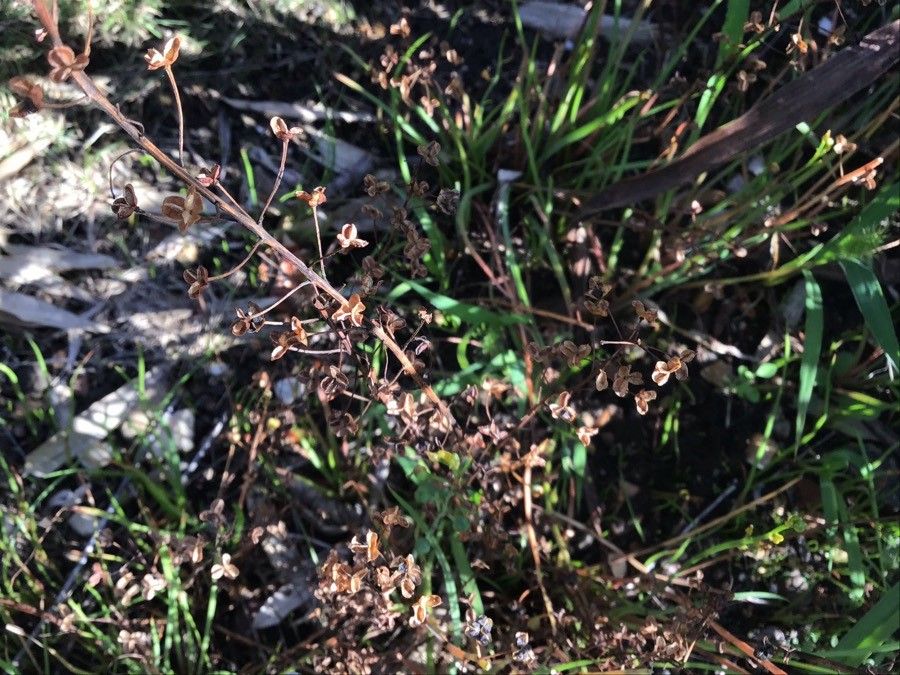
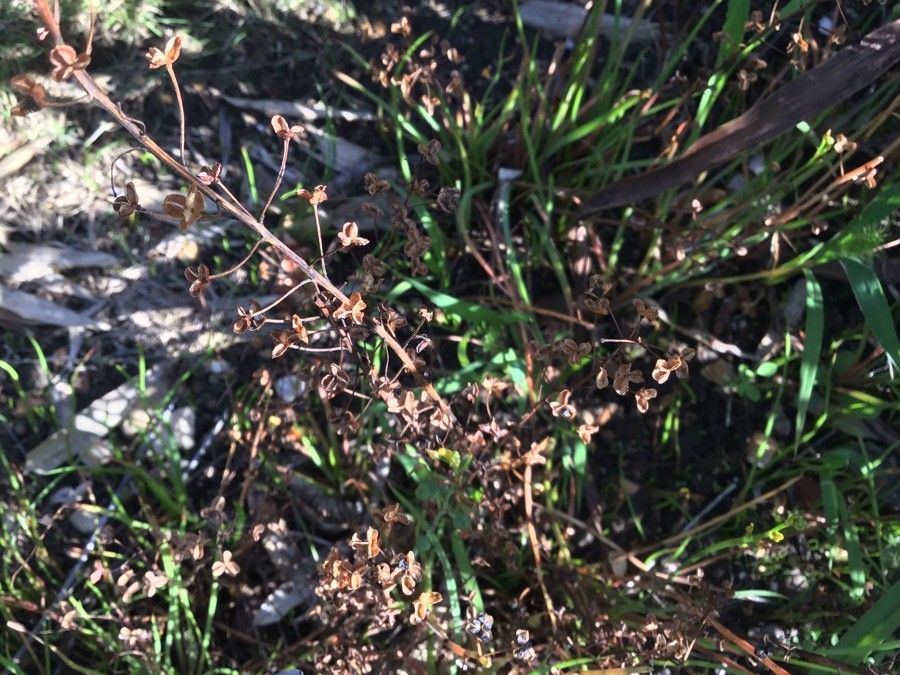
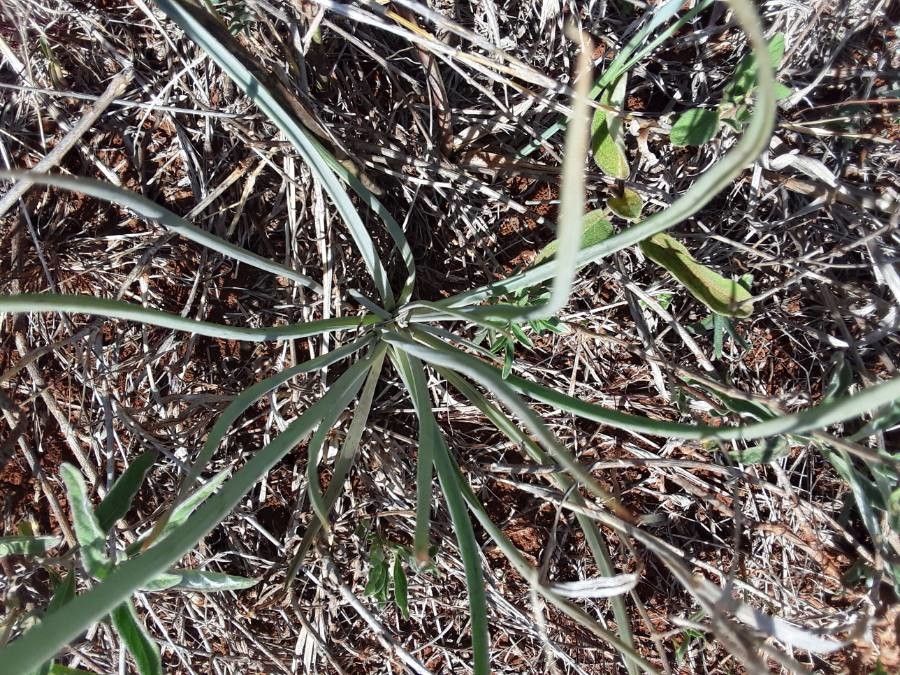
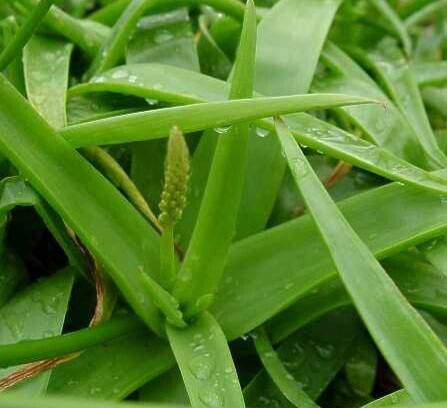
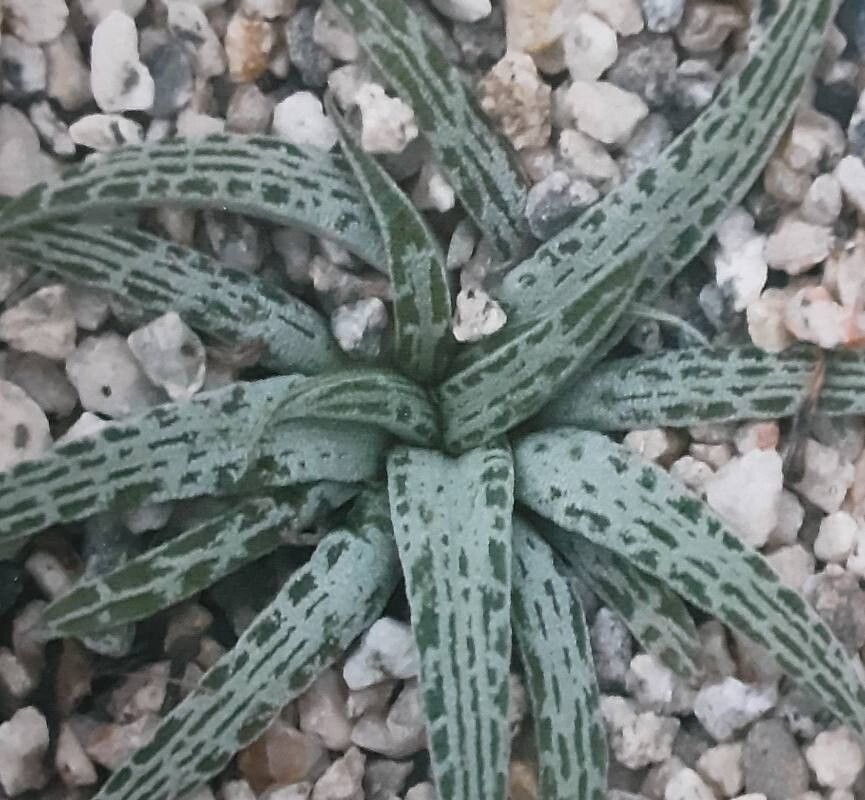
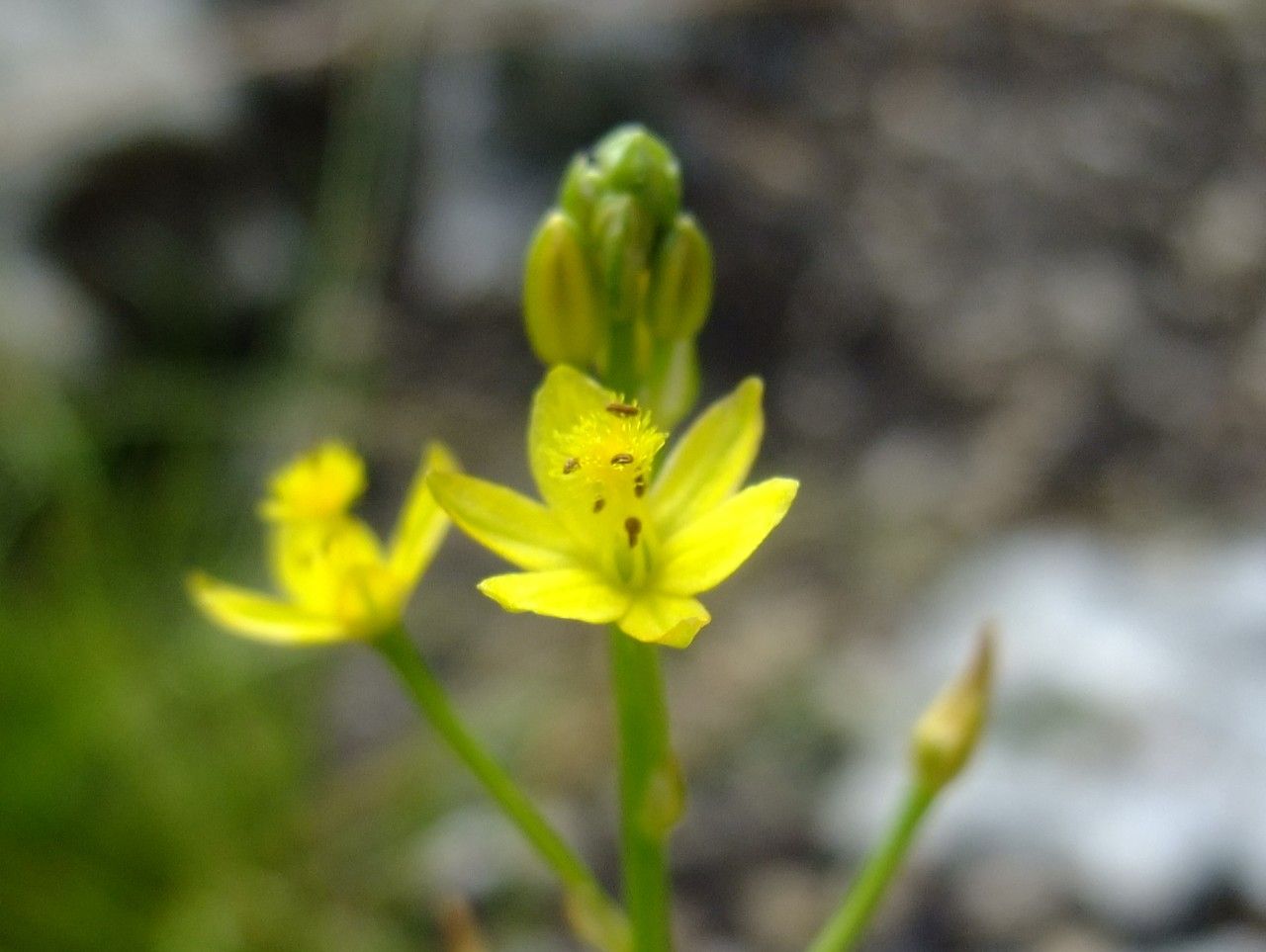
Bulbine semibarbata, commonly known as leek lily, native leek or wild onion, is a species of annual herb native to Australia.
Leek lily has strong resistance to disease and is generally not likely to develop illnesses. Still, it can be vulnerable to pests and diseases that exist nearby. Such infections are typically mild. Regarding care, this plant requires moderate maintenance. It should be pruned regularly to preserve a neat appearance and encourage healthy growth. Applying fertilizer can also aid in boosting flowering. Leek lily is well suited for anyone who has an outdoor area, like a garden or patio, and does not demand extensive care experience. It may need extra attention when cultivated indoors.
How to keep Bulbine Semibarbata.
Light
Leek lily is a sun-loving perennial herbaceous plant originating from open habitats, frequently thriving in meadows and grasslands. It prefers full sun but can also tolerate partial sun.
Water
The leek lily is native to arid regions and is highly drought-tolerant. It requires only moderate watering, ideally about once a week. This resilient plant thrives in well-draining soil and can withstand dry spells. Often used in xeriscapes, the leek lily features succulent leaves that efficiently store water, making it an ideal choice for rock gardens and areas with low rainfall.
Temperature
Leek lily can tolerate a wide range of temperatures, but its distribution may still be restricted by different combinations of moisture and heat. It grows best in warm summer climates with sufficient rainfall or watering. Extended periods of cloudy, rainy weather or prolonged high temperatures can increase the risk of Leek lily dying. In winter, adequate protection from cold can boost the plant’s survival rate.
Fertilizer
For Leek lily, the primary time to apply fertilizer is in early spring when the flowers are starting to form. The proper fertilizer promotes better blooms and helps the Leek lily produce attractive flowers. Fertilizing in early spring ensures excellent flowering through the season and supplies energy for dormant growth stages.
Pruning
The leek lily is characterized by its grass-like leaves and yellow star-shaped flowers. To encourage healthy growth, prune the plant in early spring. This involves removing dead foliage and faded flowers, which helps improve air circulation and promotes more vibrant blooming. It's important to use clean tools during this process to prevent disease, thereby maintaining the plant's health and appearance.
Botanical profile.
- Plant Type
- Herb
- Life Cycle
- Perennial
- Genus
- Bulbine
- Family
- Asphodelaceae
- Hardiness Zone
- 9-11
- Mature Height
- 15 cm to 30 cm
- Mature Spread
- 20 cm to 40 cm
- Leaf Color
- Light Green, Yellow Green
- Leaf Type
- Semi-evergreen
- Flower Color
- Yellow
- Flower Size
- 1.02 cm to 1.52 cm
- Bloom Time
- Mid spring, Late spring, Early summer
- Planting Time
- Spring
- Harvest Time
- Summer
Other names.
Reader questions.
What are the sunlight requirements for a Leek Lily?
The Leek Lily, also known as Bulbine semibarbata, thrives in various sunlight conditions, requiring either 'Full sun' or 'Partial sun' to flourish. 'Full sun' means the plant should receive above 6 hours of sunlight daily, while 'Partial sun' indicates about 3-6 hours of sunlight each day. It's important to watch how sunlight moves through your garden, choosing spots that offer a perfect balance of light and shade. This ensures the happiness and healthy growth of your Leek Lily.
What is the common name of Bulbine semibarbata?
The common name of Bulbine semibarbata is Leek Lily.