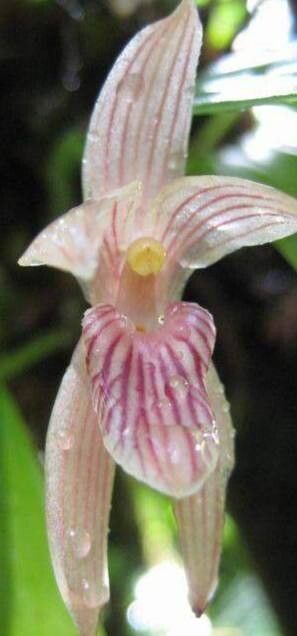
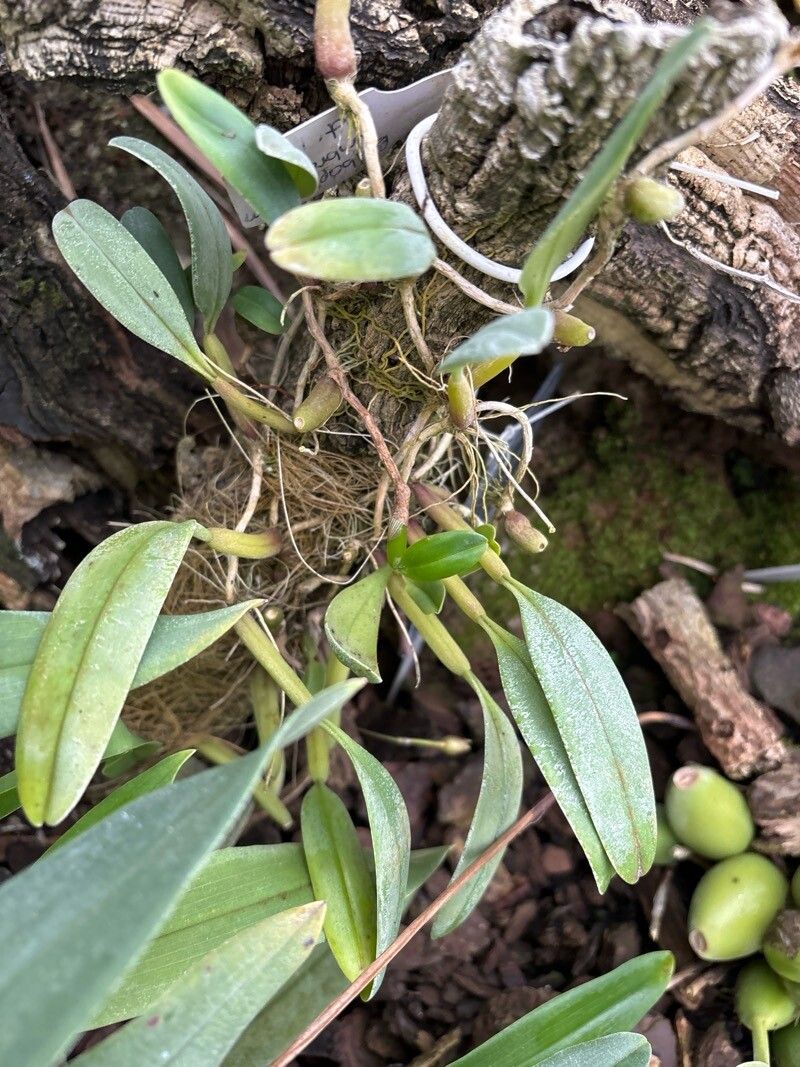
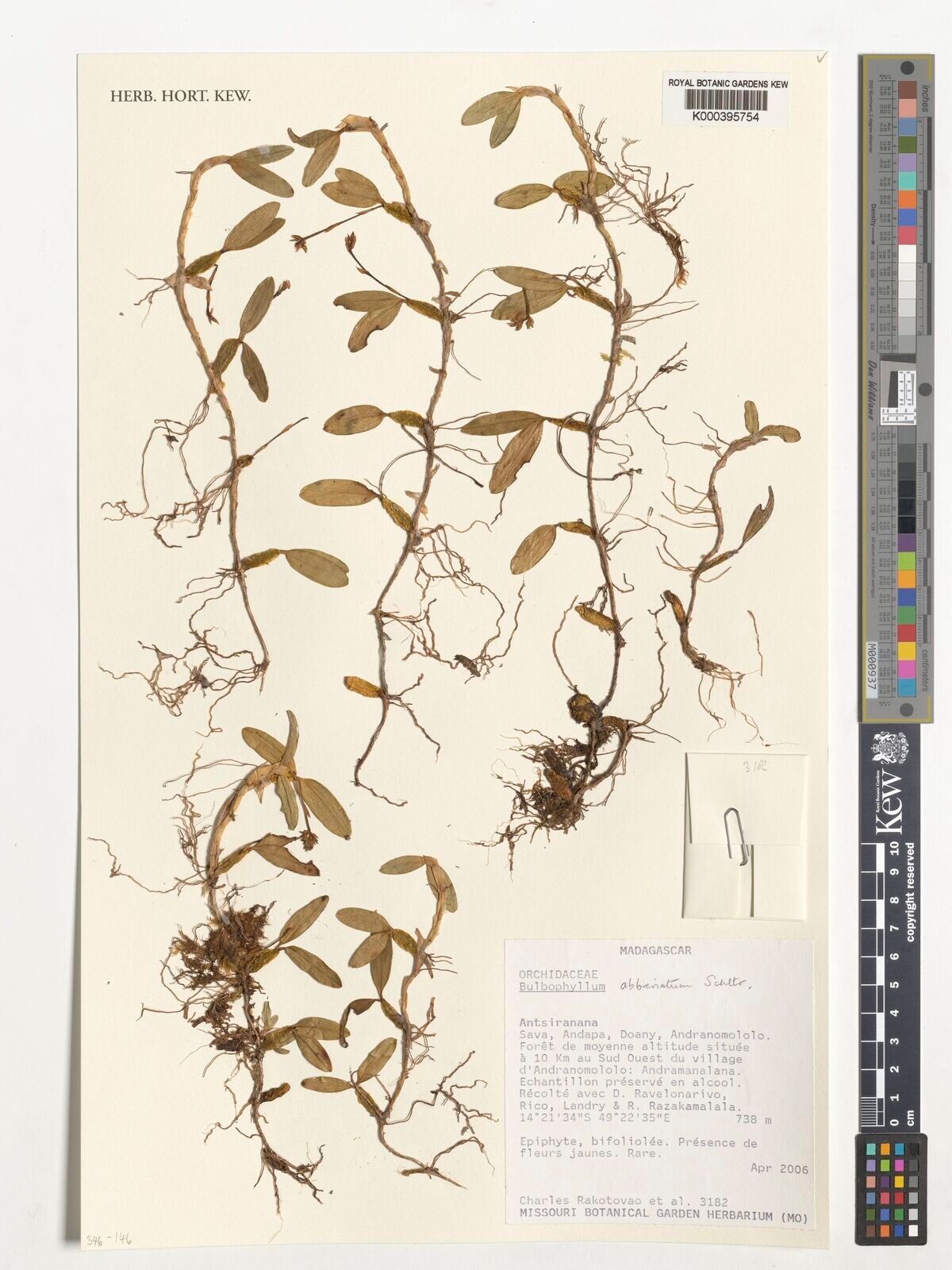
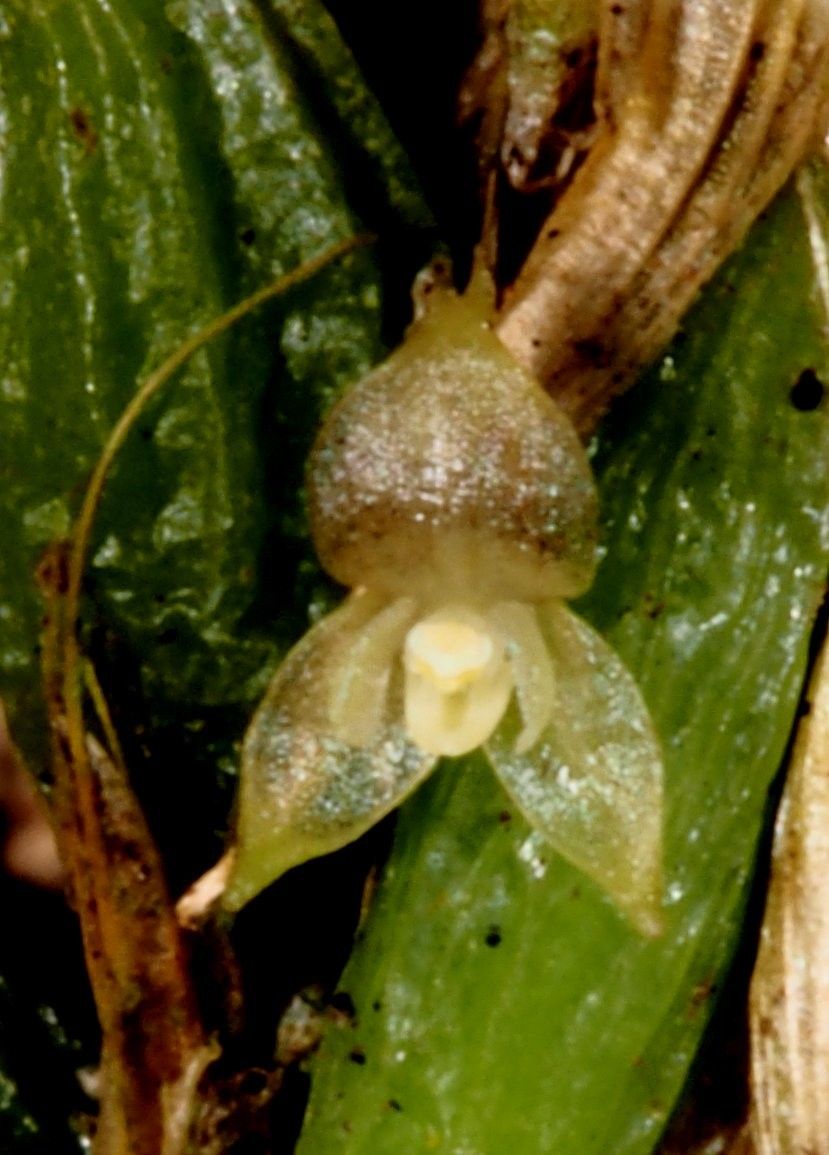
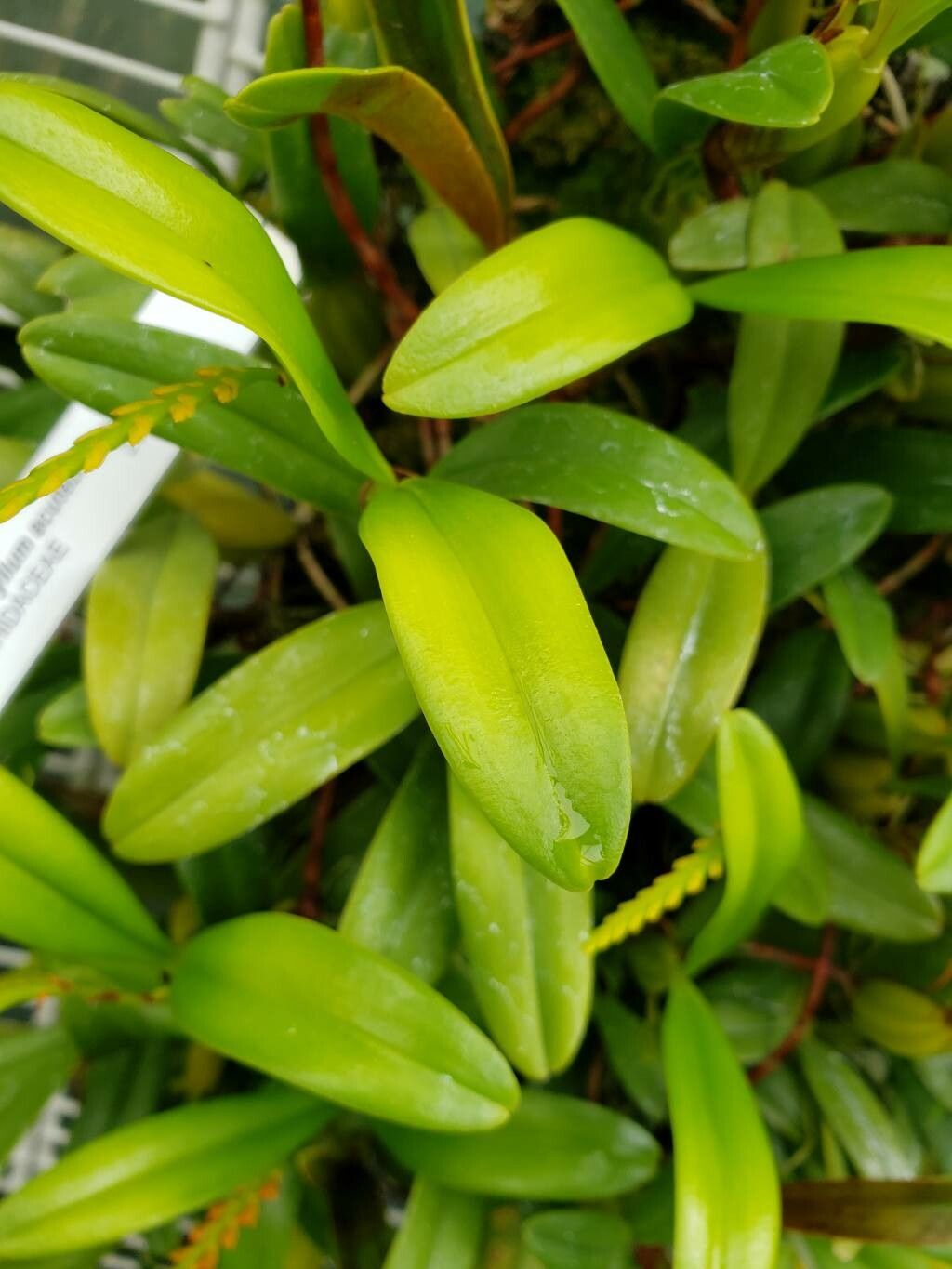
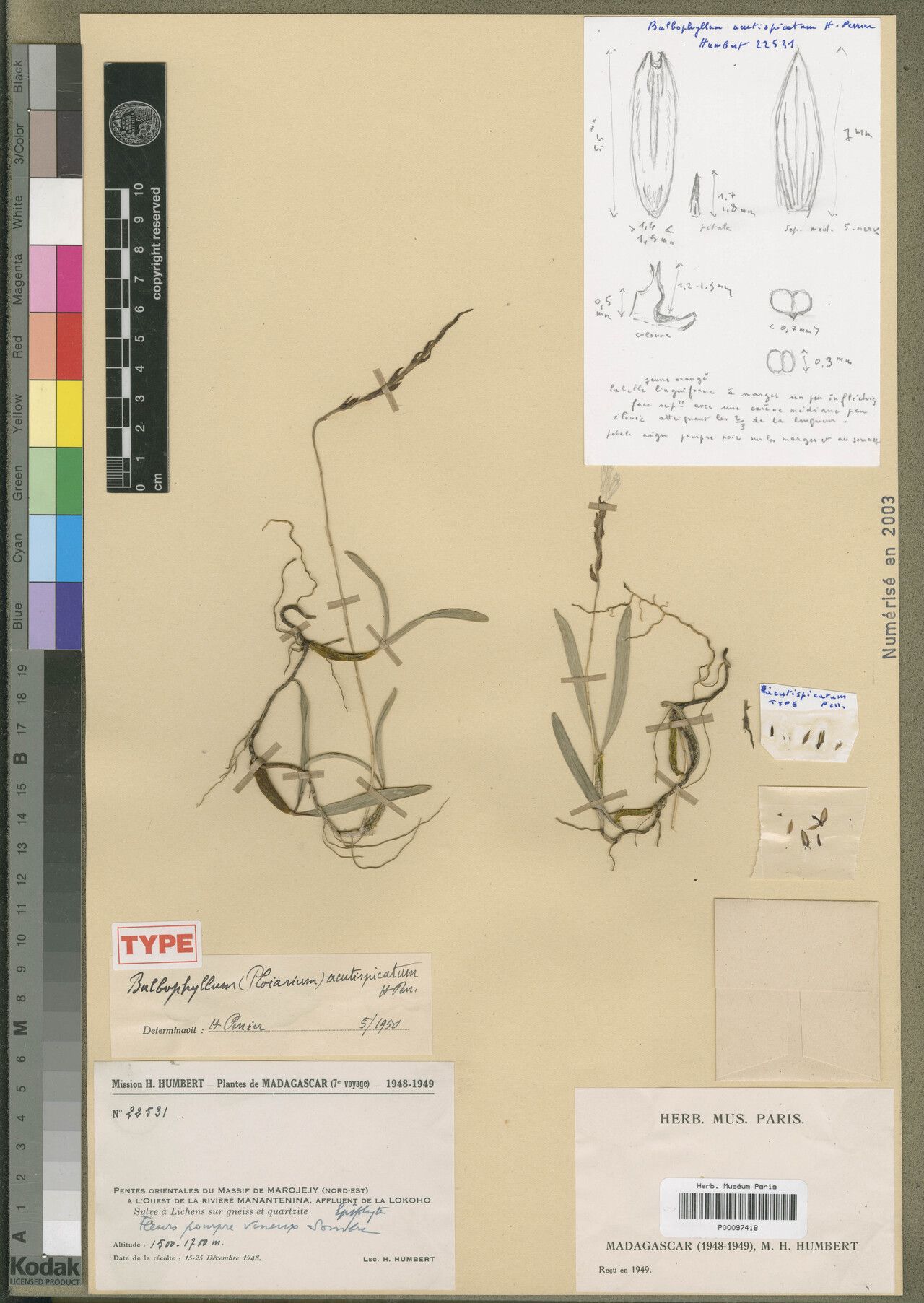
Bulbophyllum ambrosia is a species of orchid in the genus Bulbophyllum. First published in 1919 in Repertorium specierum novarum regni vegetabilis Volume 4
Bulbophyllum ambrosia is generally disease-resistant and is affected by relatively few insect pests. Its care is considered difficult because it needs high humidity combined with good ventilation and a low presence of harmful pathogens. Overwatering can cause root rot. While anyone can grow Bulbophyllum ambrosia, keeping it healthy and getting it to rebloom requires more growing experience.
How to keep Bulbophyllum Ambrosia.
Light
The Bulbophyllum ambrosia plant originates from habitats like forest underlayers or stony regions, where natural shading is common. It favors areas with partial sunlight, but it can adjust to either completely sunlit or entirely shaded environments, reflecting its adaptive and resilient characteristics.
Temperature
Bulbophyllum ambrosia flourishes in heated surroundings. Optimal growth is seen under relatively high but not overly intense hot and damp conditions. The plant utilises sunlight for warmth and it aids in its blooming process. Nevertheless, extended periods of direct summer sunlight can cause the plant to suffer burn damage, thus, moderating its exposure is crucial in this period. Typically, this plant does not cope well with chill, therefore sufficient safeguards and warmer conditions are necessary during the winter season to avert freeze damage.
Fertilizer
Fertilizing Bulbophyllum ambrosia correctly plays an essential role in its health and looks. During the summer, administer fertilizer to Bulbophyllum ambrosia monthly. This supports growth and helps to preserve essential components of the plant. By fertilizing it, the flower display of Bulbophyllum ambrosia is improved, guaranteeing optimal blossoms.
Pot & Repot
When it is time to repot Bulbophyllum ambrosia, opt for a pot that's just a little bigger with effective drainage, ideally a transparent one made for orchids. Select a well-draining mix specifically designed for orchids, consisting of bark or moss. Carefully clear away any debris from the roots and prune if there are any that are deceased or decomposing. The best time to transfer to the new pot is post blooming, typically in the spring or autumn periods, followed by ample watering. Position it where it can get plenty of diffused light. Keep in mind not to disturb the roots once it has been repotted.
Botanical profile.
- Plant Type
- Herb
- Life Cycle
- Perennial
- Genus
- Bulbophyllum
- Family
- Orchidaceae
- Hardiness Zone
- 10-12
- Mature Height
- 15 cm to 30 cm
- Mature Spread
- 20 cm to 40 cm
- Leaf Color
- Green, Dark Green
- Leaf Type
- Evergreen
- Flower Color
- Yellow, White
- Flower Size
- 2.03 cm to 3.05 cm
- Bloom Time
- Summer, Early fall
- Planting Time
- Spring, Summer, Autumn
- Harvest Time
- Late summer, Fall
Other names.